
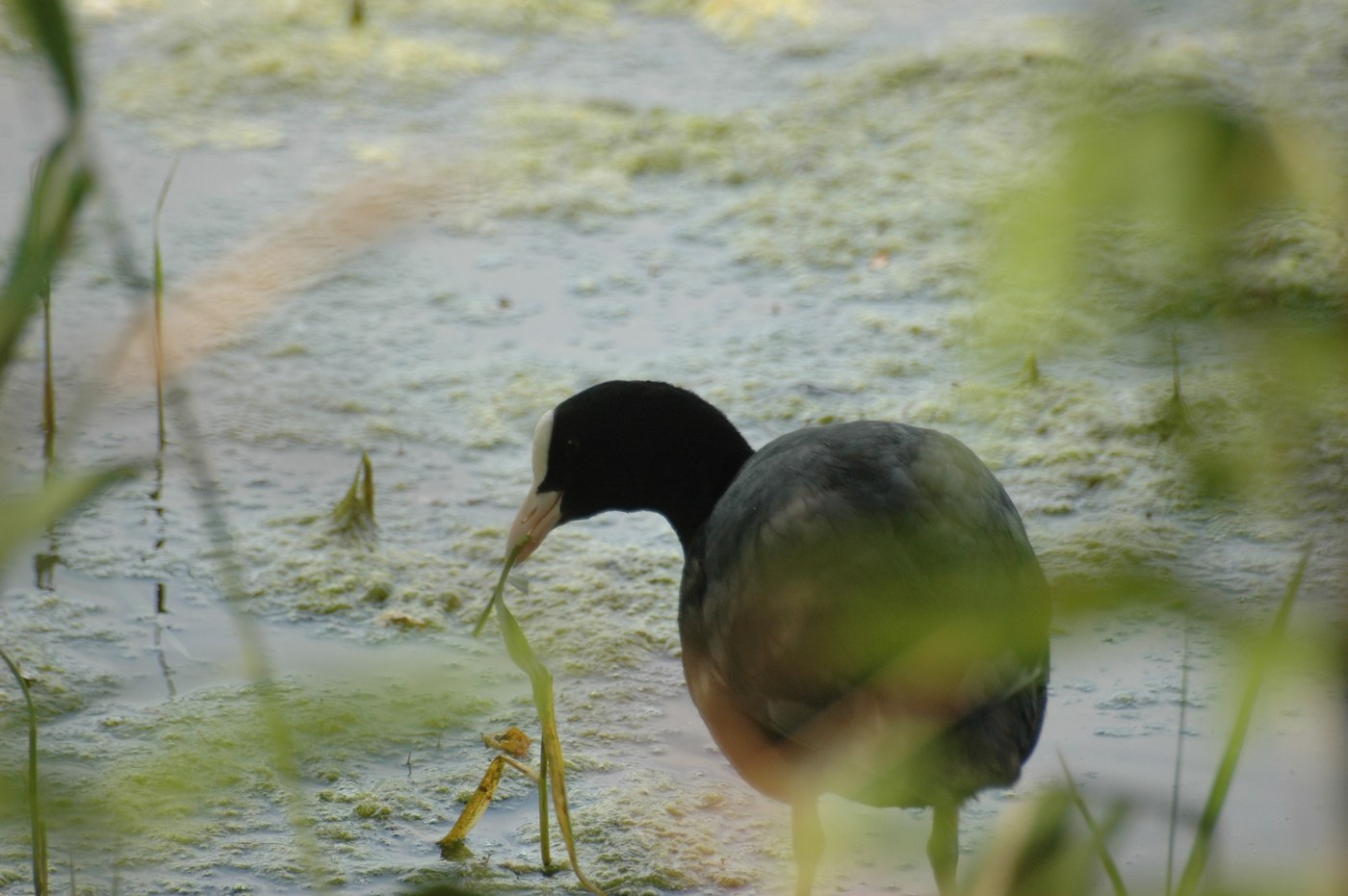
Eurasian Coot
Fulica atra
An all-black waterbird with a bright white bill and frontal shield, common on lakes and park ponds across Eurasia.
- Size
- 36-42 cm (14-17 in) long, wingspan 70-80 cm
- Habitat
- lakes, reservoirs, slow rivers, and marshes across Europe, Asia, Africa, and Australia
- Type
- wading-bird
Spotted a bird like this?
Identify any bird from a photo, free.
Overview
The Eurasian Coot, often simply called the Coot, is a plump, all-black to sooty-grey waterbird with a rounded body and a conspicuous pure white bill and frontal shield that sharply contrast with its dark plumage. Its eyes are red, and its legs are greenish with lobed toes adapted for swimming.
One of the most familiar waterbirds across much of Eurasia, the Coot is a common sight on everything from wild lakes to urban park ponds, often forming large winter flocks on open water.
How to identify it
Key field marks
- Solid black to sooty-grey body
- Bright white bill and rounded frontal shield
- Red eyes
- Greenish legs with lobed toes
- No white markings on the flanks
Similar species
The Common Moorhen has a red-and-yellow bill and shield along with a white line along the flanks, both of which the all-black, white-billed Coot lacks. Ducks have flattened bills, unlike the Coot's narrow white bill.
Habitat & range
Habitat
Eurasian Coots use freshwater lakes, reservoirs, slow rivers, and marshes, and readily adapt to town and city park ponds.
Range and migration
Widespread across Europe, temperate Asia, North Africa, and Australia. Northern and continental populations are migratory, moving south or to milder coastal waters for winter, when large flocks, sometimes numbering in the thousands, gather on major lakes.
Behavior & voice
Behavior
Highly gregarious outside the breeding season but strongly territorial and aggressive while nesting, with frequent chasing and fighting between rival pairs.
Voice
Loud, sharp, explosive calls, including a distinctive 'kowk' note.
Feeding
Feeds by diving and dabbling for aquatic vegetation and algae, supplemented with insects, mollusks, and small fish.
Nesting and breeding
Builds a bulky nest of reeds and other plant material near the water's edge, with both parents sharing incubation and chick care.
Frequently asked questions
What is the white patch on a coot's face called?
It is called the frontal shield, a bare area of skin extending from the base of the bill up the forehead.
How can you tell a Coot from a Moorhen?
Coots have an all-white bill and shield with no flank stripe, while Moorhens have a red-and-yellow bill and a white line along the flanks.
Do Eurasian Coots fly well?
Yes, although they look clumsy taking off, pattering across the water first; northern populations migrate substantial distances.
What do Eurasian Coots eat?
Mainly aquatic plants and algae, plus some insects, mollusks, and small fish.
Are Coots aggressive?
Yes, especially in the breeding season, when they vigorously defend territories against rivals and even their own older chicks.
Eurasian Coot guides
In-depth guides for identifying, finding, and understanding Eurasian Coot.
Other birds you may enjoy
Demoiselle Crane
85-100 cm (33-39 in) long, 155-180 cm wingspan
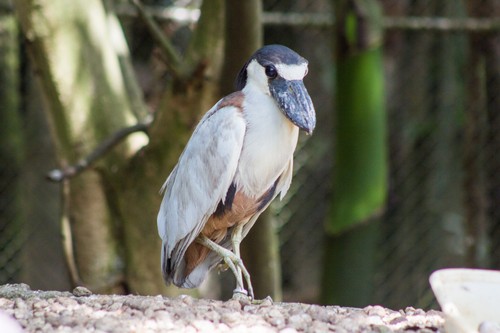
Boat-billed Heron
41-56 cm (16-22 in) long
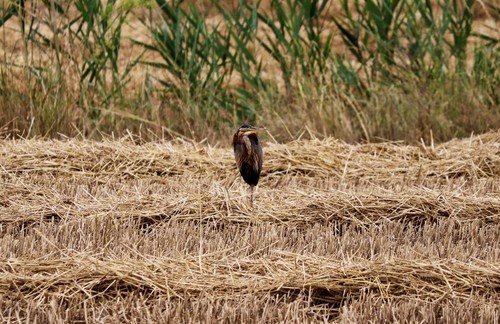
Purple Heron
78-90 cm (31-35 in) long, 120-152 cm wingspan
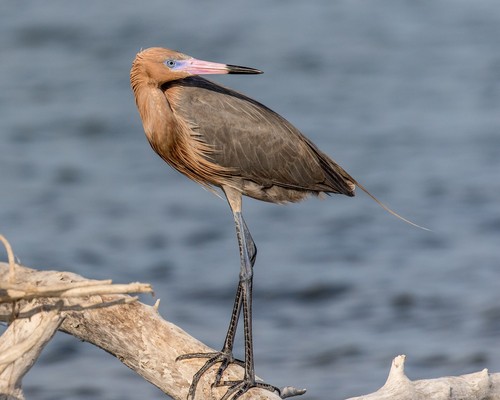
Reddish Egret
68-82 cm (27-32 in) long, 116-125 cm wingspan
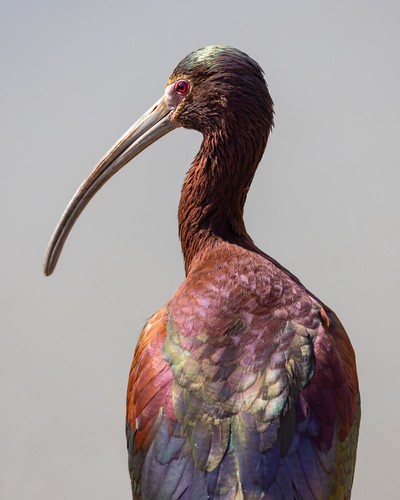
White-faced Ibis
46-56 cm (18-22 in) long, 88-93 cm wingspan
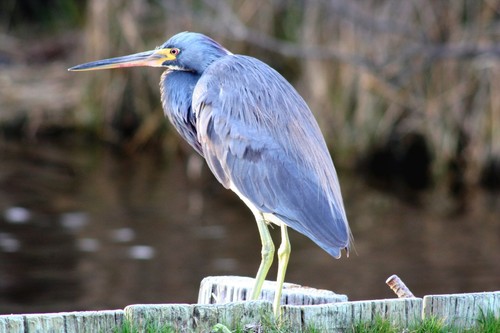
Tricolored Heron
61-76 cm (24-30 in) long, about 96 cm wingspan
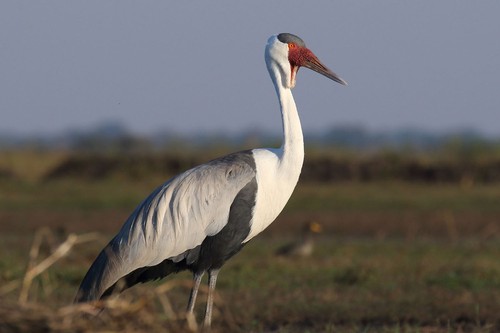
Wattled Crane
120-175 cm (47-69 in) tall, one of the tallest cranes, wingspan up to about 230 cm (7.5 ft)
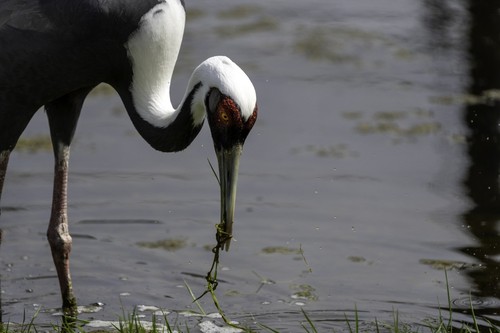
White-naped Crane
112-125 cm (44-49 in) long, 195-210 cm wingspan
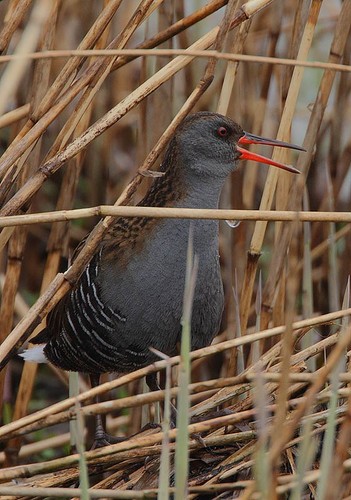
Water Rail
23-28 cm (9-11 in) long, wingspan 38-45 cm
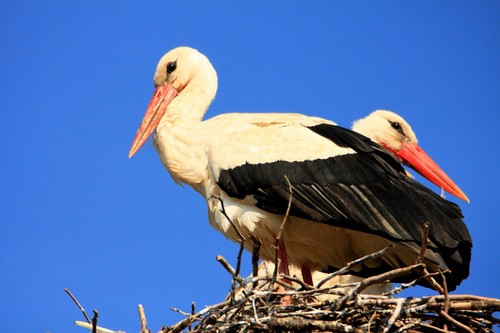
White Stork
100-125 cm (39-49 in) long, 155-215 cm wingspan
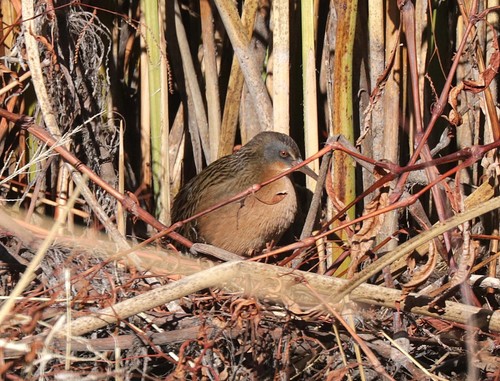
Virginia Rail
20-27 cm (8-11 in) long, wingspan 32-38 cm
Wattled Jacana
17-23 cm (7-9 in) long