
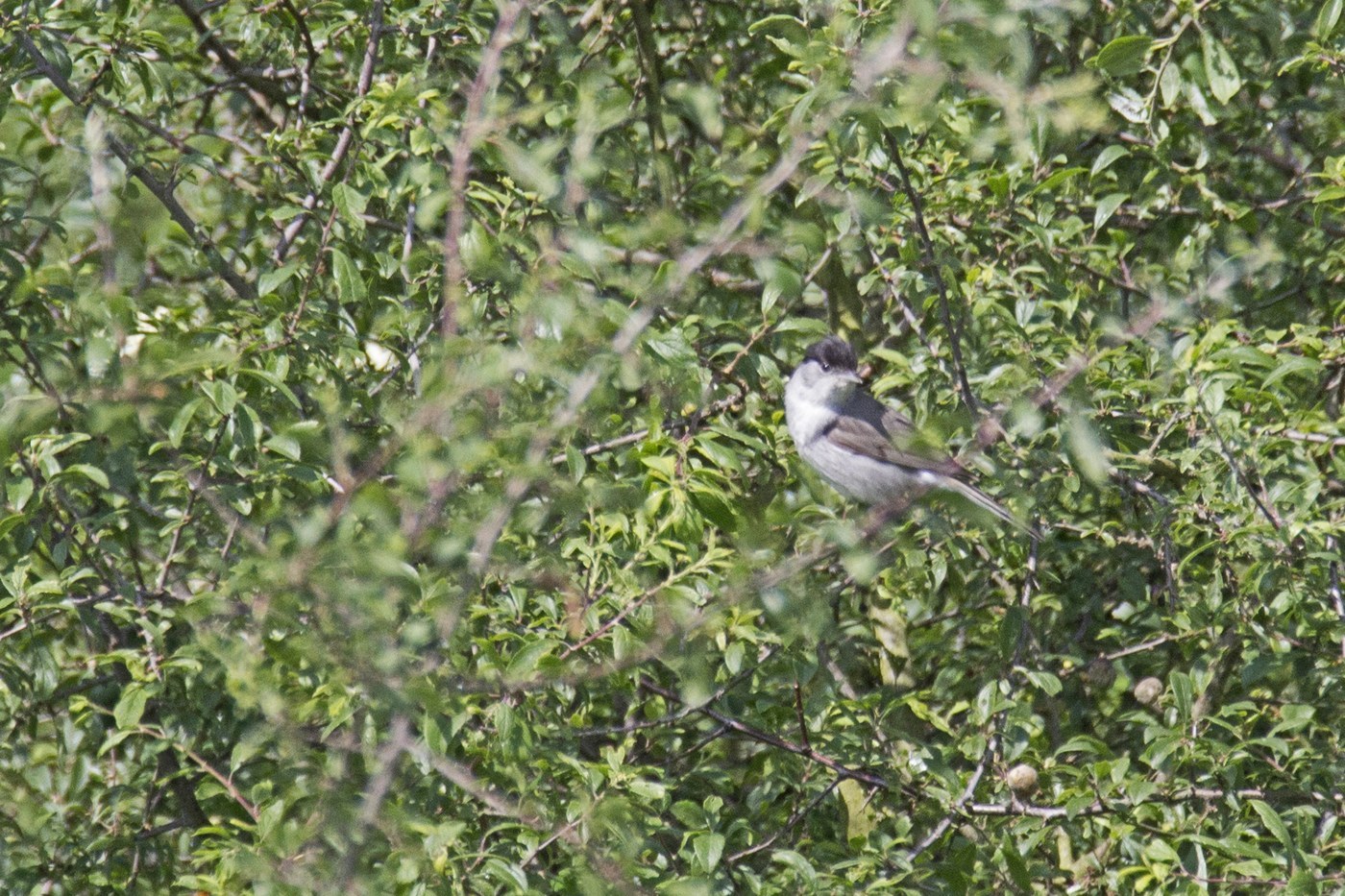
Eurasian Blackcap
Sylvia atricapilla
A plain grey warbler famed for its rich, fluty song, instantly recognisable by the male's neat black cap and the female's warm chestnut one.
- Size
- 13-15 cm (5-6 in) long, 20-23 cm wingspan
- Habitat
- deciduous and mixed woodland with dense shrub layer, parks, and gardens
- Type
- songbird
Spotted a bird like this?
Identify any bird from a photo, free.
Overview
The Eurasian Blackcap is a stocky, plain grey warbler whose understated plumage is offset by one striking feature: a neat, well-defined cap on the crown. In adult males this cap is glossy black, while females and juveniles wear a warm chestnut-brown version, making the sexes easy to tell apart at a glance.
Aside from the cap, the plumage is a soft ash-grey above, paler grey below, with no wing bars, no obvious eye markings, and no streaking, giving the bird a clean, understated look. It is often heard long before it is seen, singing from deep within dense cover.
Blackcaps are celebrated among European songbirds for their song quality, sometimes described as rivalling the nightingale, and some populations have adapted to overwinter in Britain rather than migrating to Africa.
How to identify it
Key field marks
- Plain grey-brown body with no streaking or wing bars
- Male: glossy jet-black cap covering the crown down to eye level
- Female and juvenile: warm chestnut-brown cap
- Stubby, dark bill and dark legs
- Rounded body shape typical of Sylvia warblers
Similar species
- Garden Warbler: shares a similarly rich song but is entirely plain-faced with no cap at all.
- Marsh Tit and Coal Tit: both show a black cap but have black bibs, white cheeks, and a completely different stocky tit shape and bouncy behaviour, unlike the Blackcap's warbler-like movements.
- Male Sylvia species generally: no other common European Sylvia warbler combines plain grey body with a solid black cap reaching only to eye level.
Habitat & range
Blackcaps breed widely across Europe and western Asia, occupying deciduous and mixed woodland with a well-developed shrub layer, along with scrubby hedgerows, parks, and gardens containing dense bushes.
Most populations are migratory, wintering in the Mediterranean basin and sub-Saharan Africa, but in recent decades a growing number of birds — thought to originate from central European breeding populations — have taken to wintering in Britain and Ireland, attracted by garden bird feeders and a warming climate.
This partial shift in migratory behaviour is one of the best-studied examples of rapid evolutionary change in a wild bird population.
Behavior & voice
Voice
The song is a rich, varied, fluty warble, often starting with a subdued, chattering introduction before bursting into loud, clear, musical phrases. It is considered one of the finest songs among European birds. The call is a hard, repeated "tack, tack," like two pebbles being knocked together.
Feeding
In the breeding season, Blackcaps feed mainly on insects and spiders gleaned from foliage. In autumn and winter they switch heavily to berries and soft fruit, and readily visit gardens for fat and fruit-based food.
Nesting and breeding
The nest is a neat cup of grass and plant fibre built low in dense scrub or brambles. Clutches usually contain four to six eggs, and both parents share incubation and chick-feeding duties.
Frequently asked questions
How do you tell a male and female Blackcap apart?
Males have a glossy black cap on the crown, while females and juveniles show a warm chestnut-brown cap instead; both sexes are otherwise plain grey.
What does a Blackcap sound like?
Its song is a rich, fluty, varied warble that often builds from a quiet chattering start into loud, clear musical phrases, rivaling the nightingale in quality.
Do Blackcaps migrate?
Most Blackcaps migrate to the Mediterranean and sub-Saharan Africa for winter, but a growing number, especially from central Europe, now overwinter in Britain and Ireland instead.
What do Blackcaps eat in winter?
They shift from insects to berries and soft fruit, and readily visit garden feeders for fat balls and fruit when wintering in northern Europe.
How is a Blackcap different from a Garden Warbler?
Blackcaps have a solid black or chestnut cap on the crown, while Garden Warblers are completely plain-faced with no cap at all, despite having a similarly rich song.
Eurasian Blackcap guides
In-depth guides for identifying, finding, and understanding Eurasian Blackcap.
Other birds you may enjoy
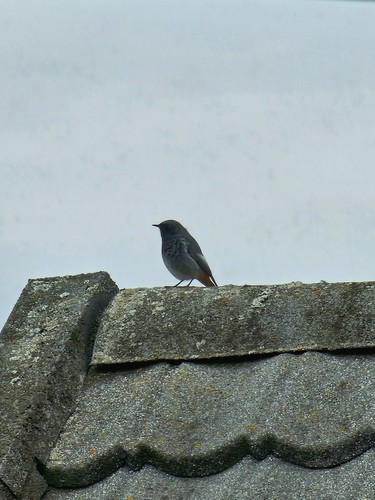
Black Redstart
13-14.5 cm (5.1-5.7 in) long, 23-26 cm wingspan
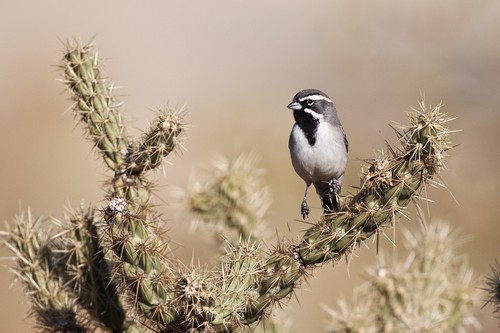
Black-throated Sparrow
12-14 cm (4.7-5.5 in) long, about 19-20 cm (7.5-8 in) wingspan
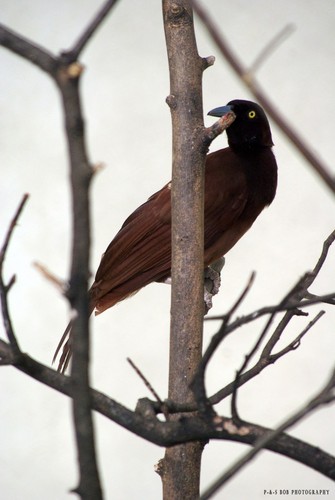
Greater Bird-of-paradise
Body about 43 cm; males with additional flank plumes up to 50 cm and long tail wires
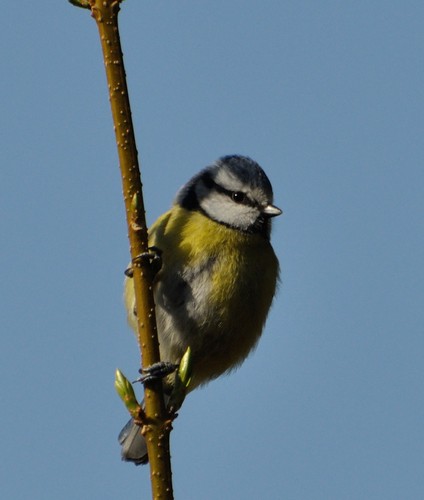
Blue Tit
11-12 cm (4.3-4.7 in) long, 17-20 cm wingspan
Red-billed Quelea
11.5–13 cm long, wingspan about 20–22 cm
White-plumed Antbird
13-14 cm (5-5.5 in) long
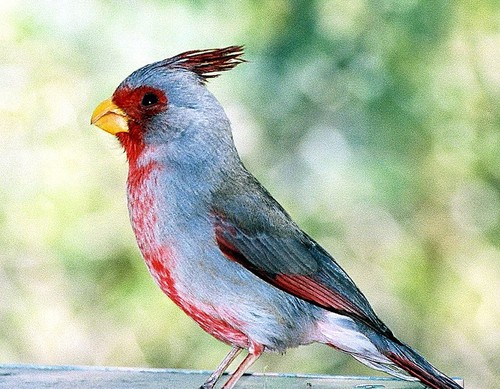
Pyrrhuloxia
19-22 cm (7.5-8.7 in) long, 30 cm wingspan
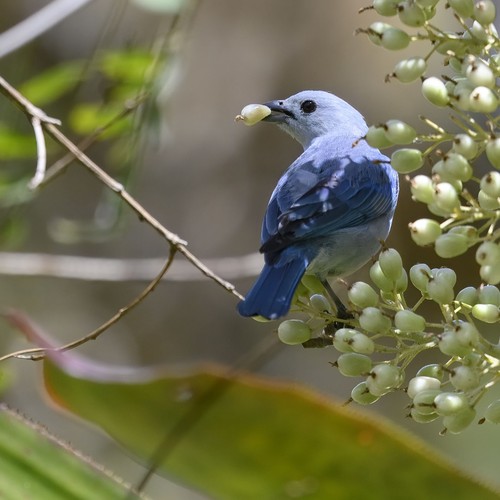
Blue-gray Tanager
16-18 cm (6-7 in) long
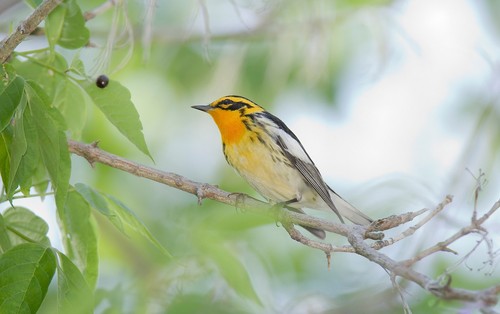
Blackburnian Warbler
11-13 cm (4.3-5.1 in) long, 20-22 cm wingspan
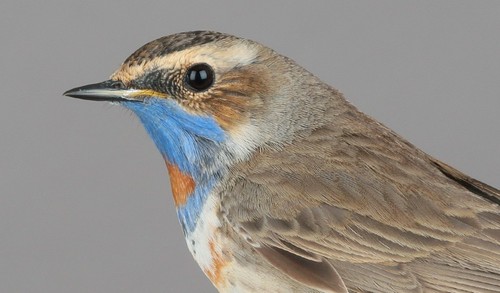
Bluethroat
13-14 cm (5.1-5.5 in) long, 20-22 cm wingspan
Eurasian Nuthatch
12-14.5 cm (4.7-5.7 in) long, 22.5-27 cm wingspan
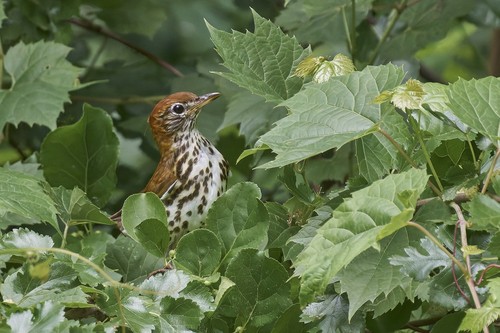
Wood Thrush
19-21 cm (7.5-8.3 in) long, about 33 cm (13 in) wingspan