
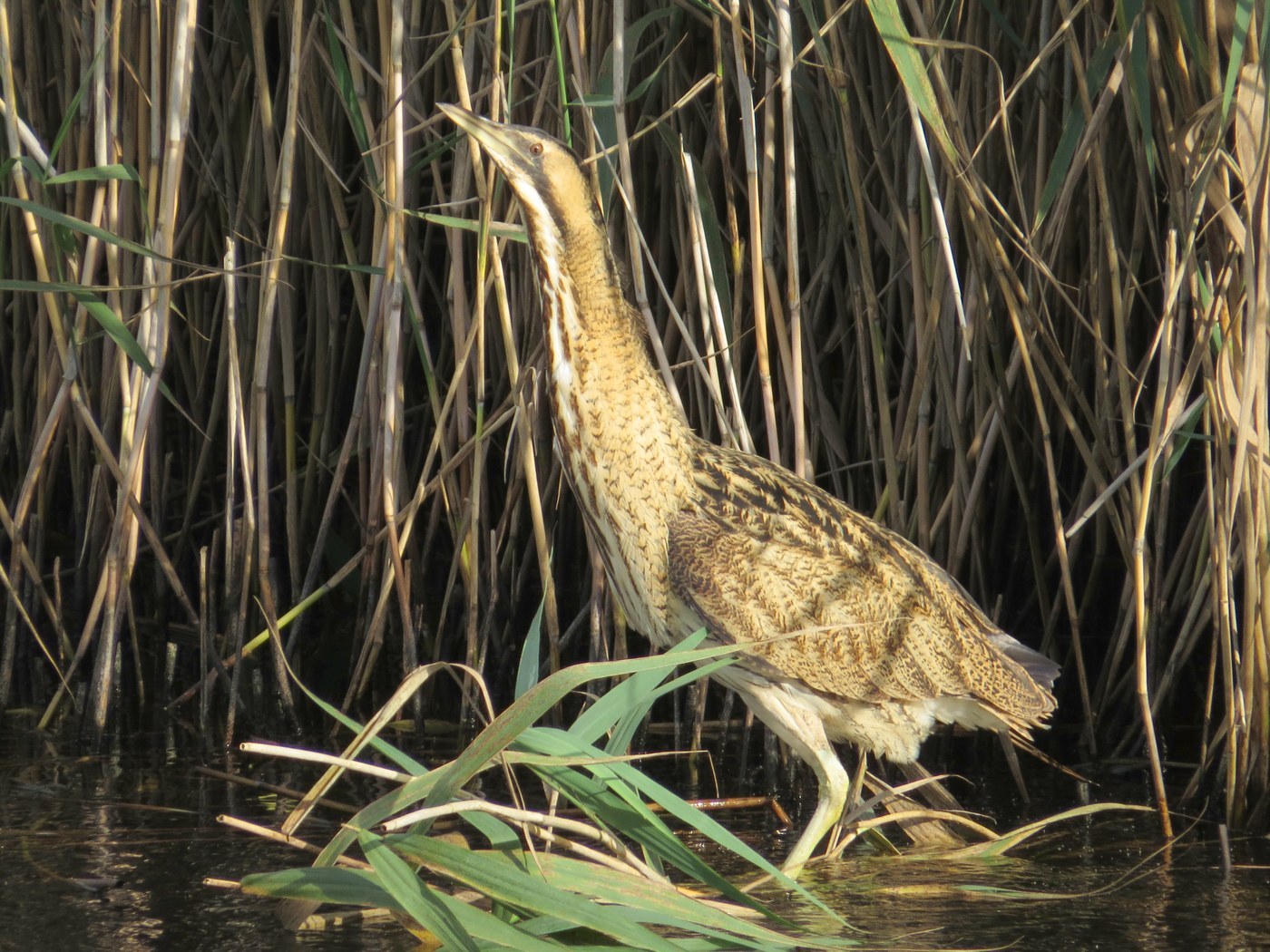
Eurasian Bittern
Botaurus stellaris
A famously secretive reedbed heron known across Europe for the male's deep, foghorn-like booming call rather than for being seen.
- Size
- 69-81 cm (27-32 in) long, 100-130 cm wingspan
- Habitat
- extensive reedbeds across Europe, Asia, and parts of Africa
- Type
- wading-bird
Spotted a bird like this?
Identify any bird from a photo, free.
Overview
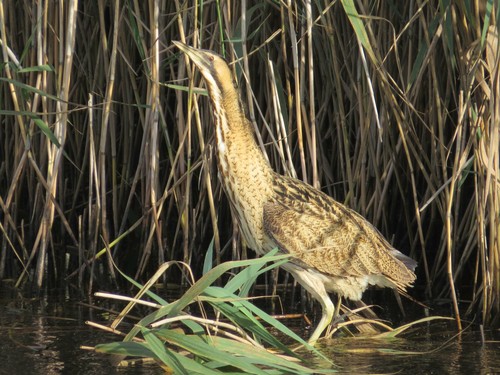
The Eurasian Bittern is a large, stocky heron whose intricately patterned brown, black, and buff plumage provides perfect camouflage among reeds. Its barred and mottled feathering makes it almost invisible when standing still, and like its American cousin, it will freeze with bill pointed skyward to enhance the disguise when alarmed.
Despite its size, this is one of the most rarely seen birds in its range, spending nearly its entire life hidden within dense reedbeds. Its presence is usually revealed only by its extraordinary, far-carrying booming call during the breeding season.
How to identify it
Key field marks
- Large, stocky heron with intricately barred and mottled brown, buff, and black plumage
- Dark crown and thick neck, often held hunched
- Rounded wings and slow, owl-like flight on broad, dark-barred wings
- Habit of freezing bill-up when alarmed
Similar species
Juvenile night-herons can appear superficially similar in silhouette but are much smaller and less intricately patterned. No other European heron shares this species' dense, bark-like camouflage pattern.
Habitat & range
Habitat
Eurasian Bitterns depend almost entirely on large reedbeds bordering shallow, still or slow-moving freshwater.
Range and migration
The species is found across much of Europe and temperate Asia, with some populations extending into parts of Africa in winter. Northern and eastern populations are migratory, while milder western European populations tend to be more sedentary.
Behavior & voice
Behavior
This is an intensely secretive bird, walking slowly and deliberately through reed cover and rarely taking flight unless flushed at close range, when it flies low with slow, heavy wingbeats.
Voice
The male's call is one of the most famous sounds of European wetlands: a deep, resonant, foghorn-like boom, audible over several kilometres, used to advertise territory in spring.
Feeding
It stalks fish, eels, amphibians, and large insects at the water's edge within reedbeds, striking with a rapid thrust of the bill.
Nesting and breeding
Nests are built low in dense reeds by the female alone, who also incubates and raises the 4-6 chicks without male assistance, as males are typically polygynous.
Frequently asked questions
What does the Eurasian Bittern's call sound like?
A deep, resonant boom often compared to a foghorn, given by males in spring and audible for kilometres across reedbeds.
Why is the Eurasian Bittern so hard to see?
Its intricately patterned brown plumage camouflages it perfectly among reeds, and it freezes with its bill pointed up when alarmed.
Where do Eurasian Bitterns live?
In large reedbeds across Europe and temperate Asia, with some populations wintering further south including parts of Africa.
What does a Eurasian Bittern eat?
Fish, eels, amphibians, and large insects hunted from cover at the water's edge.
Eurasian Bittern guides
In-depth guides for identifying, finding, and understanding Eurasian Bittern.
Other birds you may enjoy
Demoiselle Crane
85-100 cm (33-39 in) long, 155-180 cm wingspan
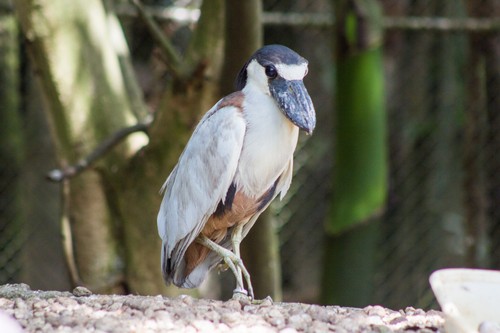
Boat-billed Heron
41-56 cm (16-22 in) long
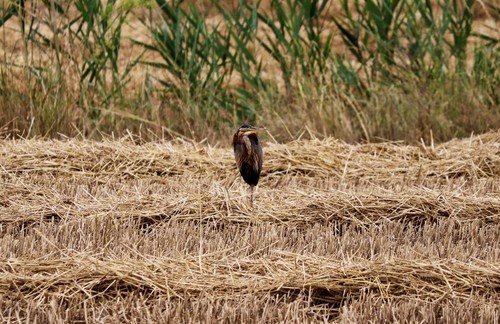
Purple Heron
78-90 cm (31-35 in) long, 120-152 cm wingspan
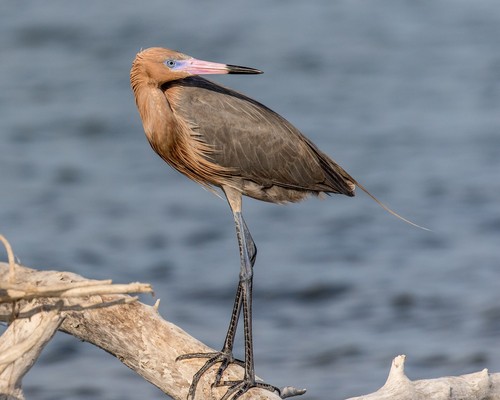
Reddish Egret
68-82 cm (27-32 in) long, 116-125 cm wingspan
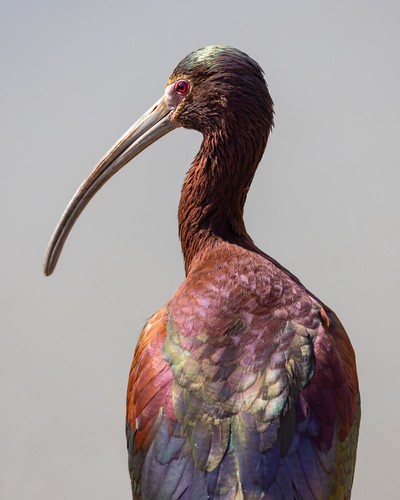
White-faced Ibis
46-56 cm (18-22 in) long, 88-93 cm wingspan
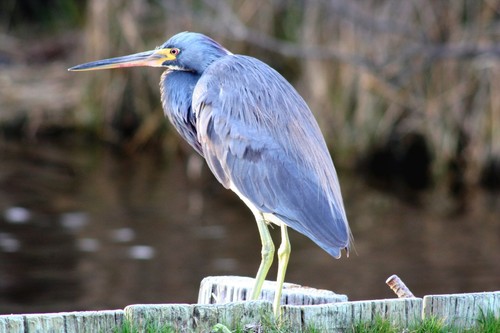
Tricolored Heron
61-76 cm (24-30 in) long, about 96 cm wingspan
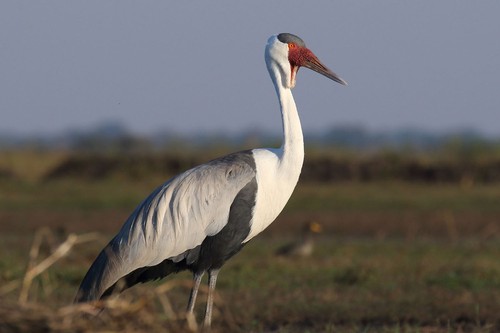
Wattled Crane
120-175 cm (47-69 in) tall, one of the tallest cranes, wingspan up to about 230 cm (7.5 ft)
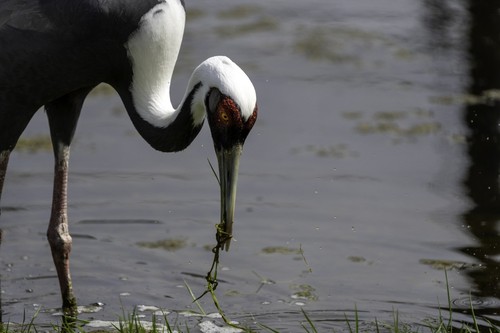
White-naped Crane
112-125 cm (44-49 in) long, 195-210 cm wingspan
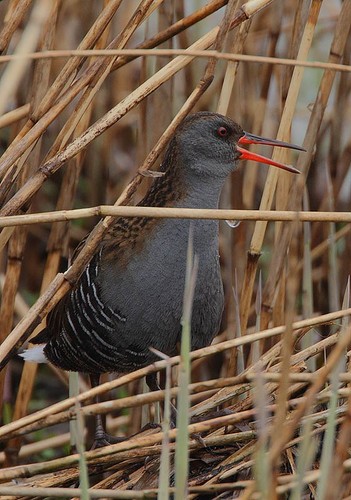
Water Rail
23-28 cm (9-11 in) long, wingspan 38-45 cm
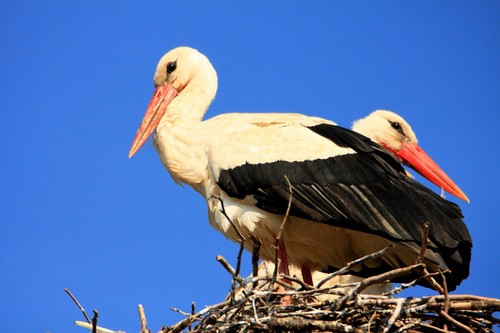
White Stork
100-125 cm (39-49 in) long, 155-215 cm wingspan
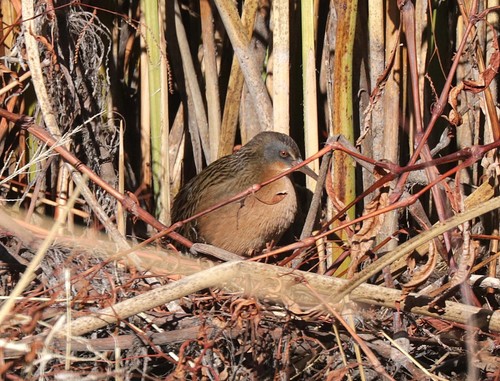
Virginia Rail
20-27 cm (8-11 in) long, wingspan 32-38 cm
Wattled Jacana
17-23 cm (7-9 in) long