
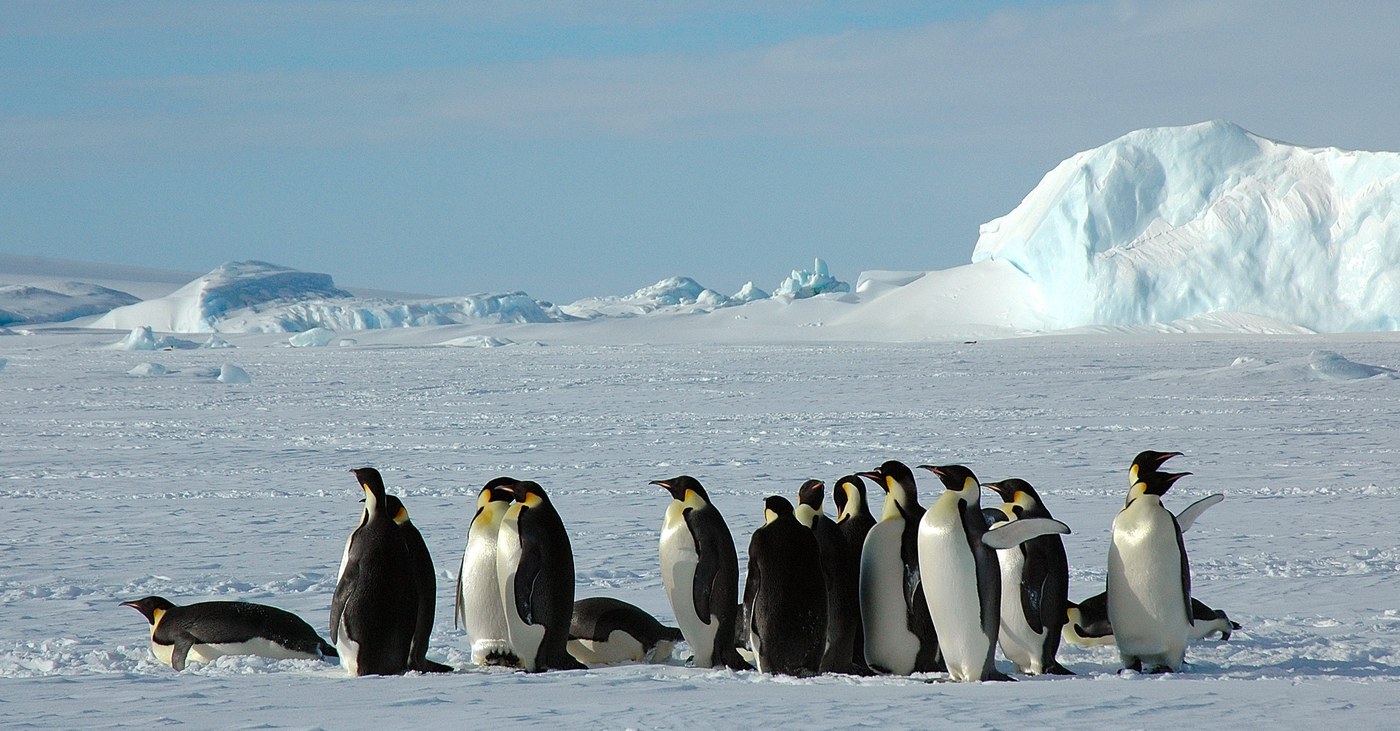
Emperor Penguin
Aptenodytes forsteri
The tallest and heaviest of all penguin species, famous for breeding through the brutal Antarctic winter on open sea ice.
- Size
- 110-130 cm (43-51 in) tall, up to about 45 kg (99 lb)
- Habitat
- Antarctic pack ice and coastal waters
- Type
- seabird
Spotted a bird like this?
Identify any bird from a photo, free.
Overview
The Emperor Penguin is the largest of the world's penguin species, standing over a meter tall and instantly recognizable by its striking black head, blue-grey back, white belly, and bold yellow-orange patches on the ear and upper chest that fade gently into white. Chicks are covered in soft silver-grey down with a distinctive black-and-white face pattern.
Unlike any other penguin, Emperor Penguins breed during the depths of the Antarctic winter, enduring temperatures that can plunge below -60C (-76F) and hurricane-force winds while incubating their single egg on the open sea ice, far from open water.
How to identify it
Key field marks
- Largest penguin species by a considerable margin, with a tall, upright stance
- Black head and throat contrasting with bright yellow-orange ear and upper breast patches
- Blue-grey back and pale yellow wash fading down the white chest
Similar species
- King Penguin is smaller with brighter, more sharply defined orange ear patches and a slimmer build.
- No other penguin species shares its combination of extreme size and pale, blended chest coloring.
Habitat & range
Habitat
Breeds on stable, fast sea ice around the Antarctic continent, foraging in adjacent open leads and polynyas within the pack ice.
Range
Circumpolar around Antarctica, with colonies scattered along the continent's coastline.
Migration
Does not migrate in the traditional sense but travels long distances on foot and by swimming between breeding colonies and open-water foraging areas each year.
Behavior & voice
Behavior
Renowned for enduring the Antarctic winter to breed, males incubate the single egg balanced on their feet beneath a fold of skin for around two months without feeding, huddling together in large groups for warmth while females forage at sea.
Voice
Uses distinctive individual vocal calls, allowing mates and chicks to recognize each other's voices amid noisy, crowded colonies.
Feeding
Dives to great depths, among the deepest of any bird, to catch fish, squid, and krill.
Nesting
Lays a single egg directly onto the male's feet with no nest structure, relying on huddling behavior rather than shelter to survive extreme cold.
Frequently asked questions
Why do Emperor Penguins breed in winter?
Breeding in winter allows chicks to be ready to enter the sea and become independent by the following summer, when food is most abundant, despite the extreme cold their parents must endure.
How do Emperor Penguins keep their eggs warm without a nest?
The male balances the single egg on top of his feet and covers it with a warm fold of skin and feathers called a brood pouch, incubating it for about two months.
How deep can Emperor Penguins dive?
They are among the deepest-diving birds, capable of reaching depths of over 500 meters (1,600 feet) in search of fish and squid.
Why are Emperor Penguins considered Near Threatened?
Their dependence on stable sea ice for breeding makes them highly vulnerable to the effects of a warming climate and shrinking Antarctic sea ice.
Emperor Penguin guides
In-depth guides for identifying, finding, and understanding Emperor Penguin.
Other birds you may enjoy
Peruvian Pelican
137-152 cm (54-60 in) long, up to 228 cm wingspan
Bonaparte's Gull
28-33 cm (11-13 in) long, 76-84 cm wingspan
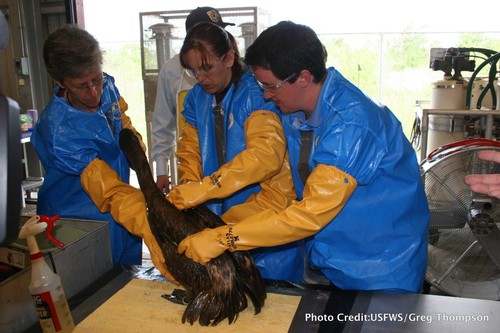
Brown Pelican
106-137 cm (42-54 in) long, 200-230 cm wingspan
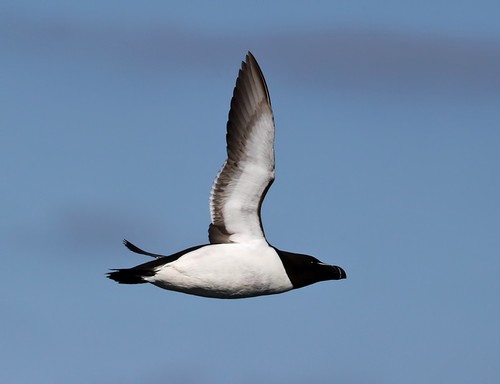
Razorbill
37-39 cm (15-15.5 in) long, 63-68 cm wingspan
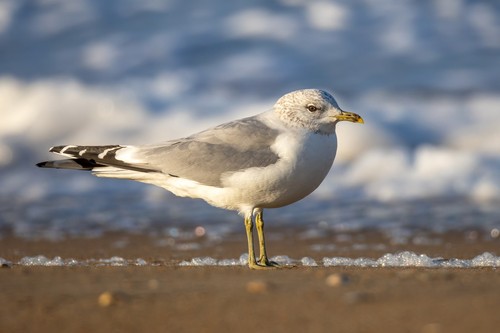
Common Gull
40-46 cm (16-18 in) long, 110-130 cm wingspan
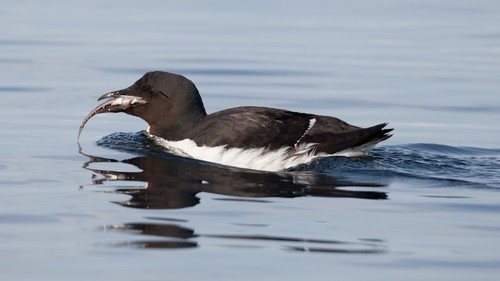
Thick-billed Murre
40-48 cm (16-19 in) long, 65-75 cm wingspan
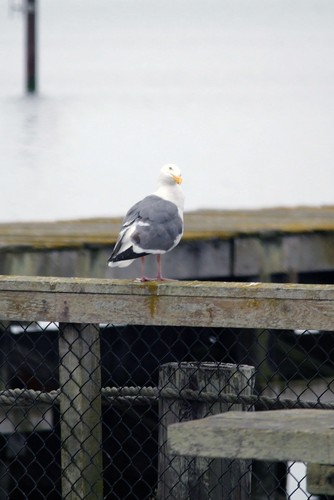
Western Gull
55-68 cm (22-27 in) long, 130-144 cm wingspan
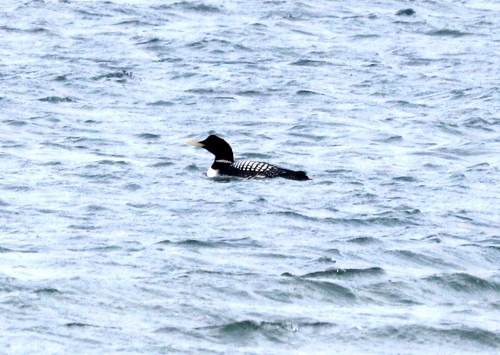
Yellow-billed Loon
76-97 cm (30-38 in) long, 135-152 cm wingspan
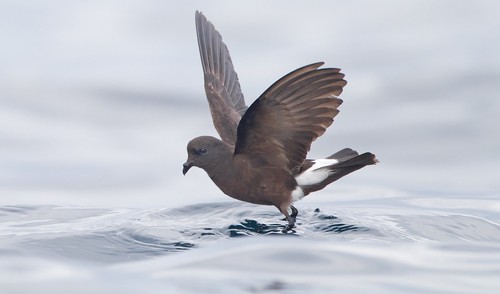
Wilson's Storm-Petrel
15-19 cm (6-7.5 in) long, wingspan 38-42 cm (15-16.5 in)
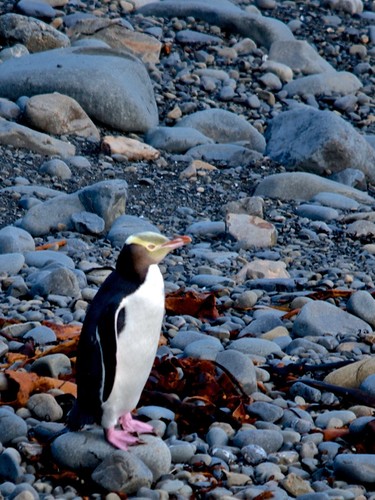
Yellow-eyed Penguin
62-79 cm (24-31 in) tall, 3-8.5 kg (6.6-18.7 lb)
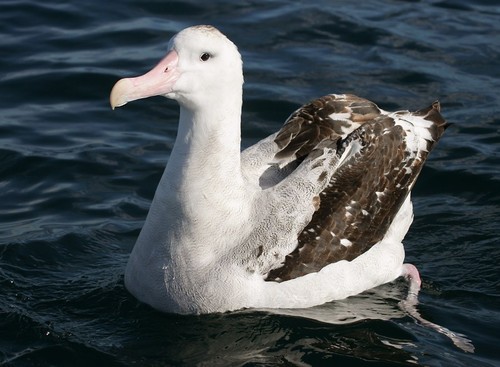
Wandering Albatross
107-135 cm (42-53 in) long, wingspan up to 3.5 m (11.5 ft)
Tufted Puffin
35-41 cm (14-16 in) long, about 63-70 cm wingspan