
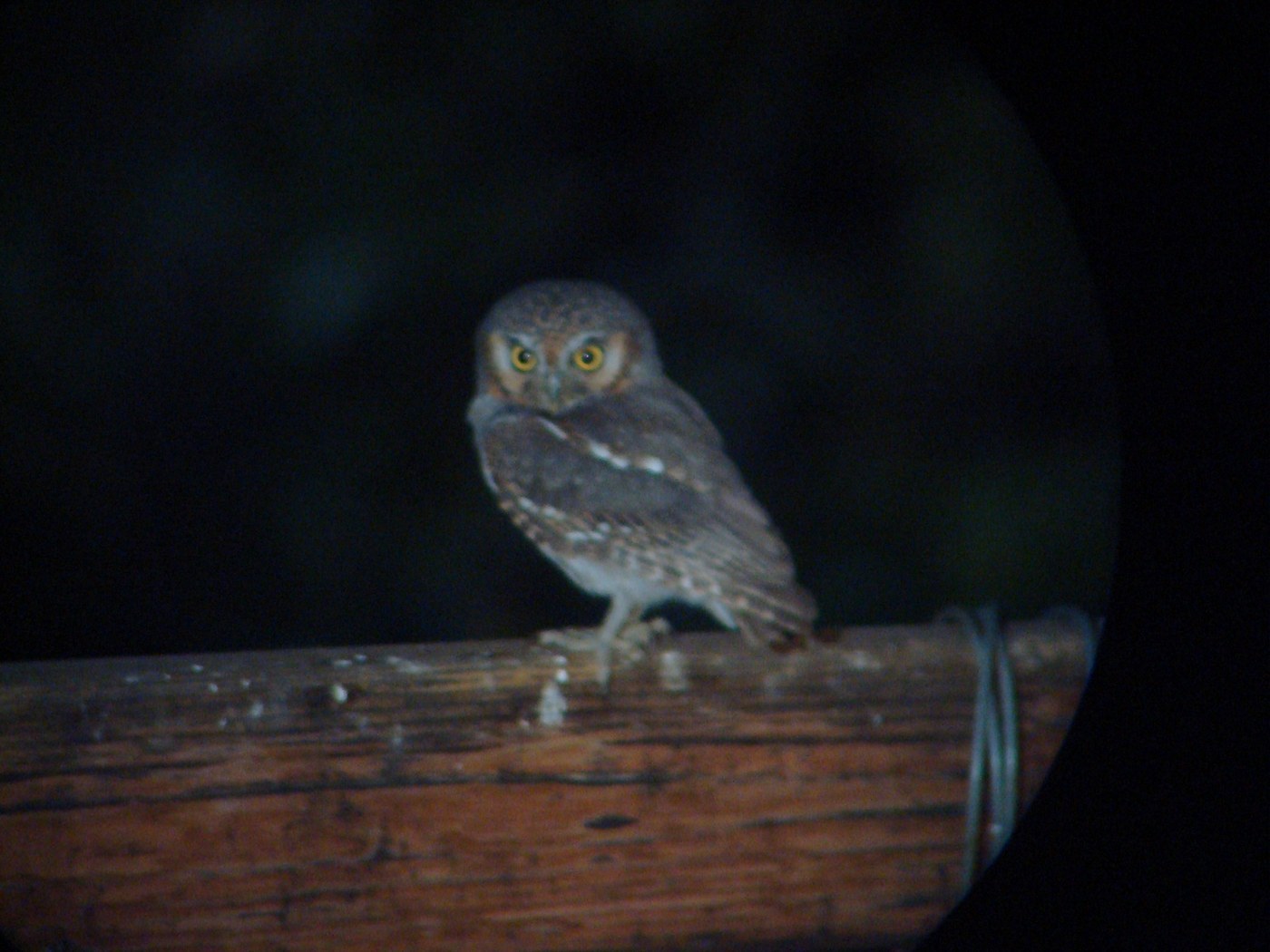
Elf Owl
Micrathene whitneyi
The world's smallest owl, a sparrow-sized desert dweller that nests in old woodpecker holes in saguaro cacti.
- Size
- 12-14 cm (4.7-5.5 in) long, 27 cm wingspan
- Habitat
- desert scrub with saguaro cacti, riparian woodland, and canyon oak/pine woodland
- Type
- owl
Spotted a bird like this?
Identify any bird from a photo, free.
Overview
The Elf Owl holds the distinction of being the smallest owl in the world, weighing little more than a few coins and small enough to fit in a human palm. It has a rounded head without ear tufts, bright yellow eyes, and a short tail, with grayish-brown plumage mottled and streaked to blend with desert vegetation and bark.
Despite its diminutive size, this owl is a bold and vocal presence on warm desert nights, especially in the saguaro cactus deserts of the American Southwest where its calls are a signature sound of the summer evening chorus.
Its extreme dependence on cavities excavated by woodpeckers, particularly Gila Woodpeckers in saguaros, makes it a compelling example of how one species' engineering creates essential habitat for another.
How to identify it
Key Field Marks
- Extremely tiny size, smaller than a sparrow
- Short tail, no ear tufts, yellow eyes
- Grayish-brown mottled plumage with faint white spotting
- Often heard giving a rapid, chattering call from cactus or tree cavities at night
Similar Species
- Northern Pygmy-Owl is larger, has a longer tail, and lacks the Elf Owl's tiny stature and desert-cactus habitat.
- Western Screech-Owl is considerably larger with visible ear tufts.
- Voice and extremely small size are the best clues in overlapping desert range.
Habitat & range
Elf Owls breed primarily in the Sonoran and Chihuahuan Desert regions of the southwestern United States and Mexico, especially areas with saguaro cactus, as well as riparian cottonwood woodlands and oak-pine canyons at somewhat higher elevations. They range from southern Arizona, New Mexico, and Texas south through much of Mexico.
Most North American populations are migratory, arriving in spring and withdrawing to Mexico for the winter, making them absent from desert habitats during the colder months.
Behavior & voice
Behavior
Strictly nocturnal, Elf Owls emerge shortly after dusk to hunt and are highly vocal on warm nights, particularly during the breeding season. They roost by day hidden in cavities or dense vegetation.
Voice
The call is a rapid, high-pitched chattering series of yips and chirps, quite different from the hoots of larger owls, often described as puppy-like yapping.
Feeding
Elf Owls feed almost entirely on arthropods - moths, beetles, crickets, scorpions, and spiders - captured in short sallying flights from a perch, often around desert lights that attract insects.
Nesting & Breeding
This species nests exclusively in pre-existing cavities, most famously old Gila Woodpecker or Gilded Flicker holes in saguaro cacti, as well as cavities in trees. Clutches typically contain 2-4 eggs, and the tiny owls are entirely dependent on woodpecker excavation since they cannot create their own cavities.
Frequently asked questions
Is the Elf Owl really the smallest owl in the world?
Yes, at about 12-14 cm (roughly 5 inches) long and weighing only about 40 grams, it is the smallest owl species on Earth.
Where does the Elf Owl nest?
It nests almost exclusively in pre-existing cavities, most famously old holes excavated by Gila Woodpeckers in saguaro cacti, as well as cavities in riparian and oak-pine trees.
What does an Elf Owl eat?
It feeds almost entirely on insects and other arthropods such as moths, beetles, and scorpions, rather than small mammals.
Does the Elf Owl migrate?
Yes, most North American populations migrate to Mexico for winter and return to desert and canyon breeding areas in spring.
Elf Owl guides
In-depth guides for identifying, finding, and understanding Elf Owl.
Other birds you may enjoy
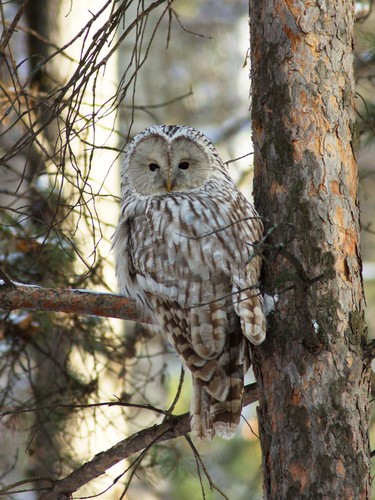
Ural Owl
50-62 cm long, wingspan about 1.0-1.3 m
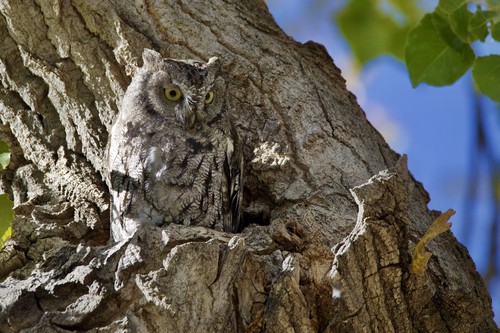
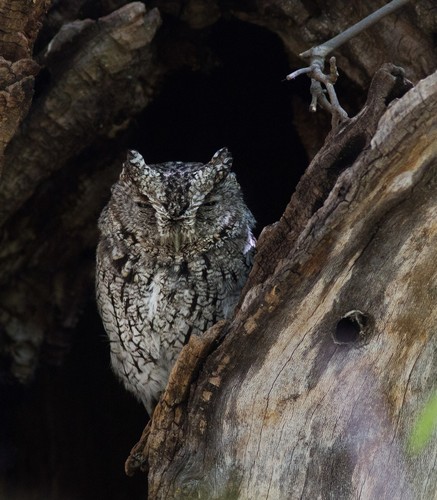
Western Screech-Owl
19-25 cm (7.5-10 in) long, about 55 cm (21.5 in) wingspan
Whiskered Screech-Owl
17-19 cm (6.7-7.5 in) long, 43 cm wingspan
Tawny Owl
37-43 cm (15-17 in) long, 81-96 cm wingspan
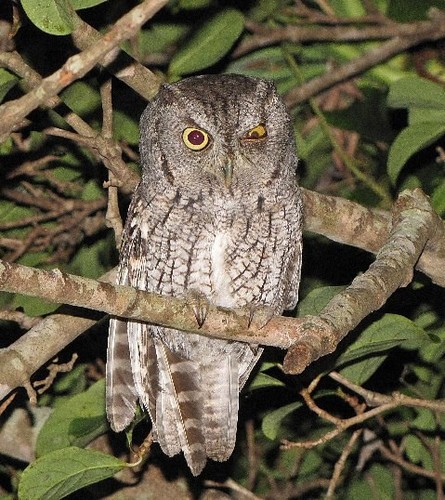
Screech Owl
16-25 cm long, wingspan about 46-61 cm
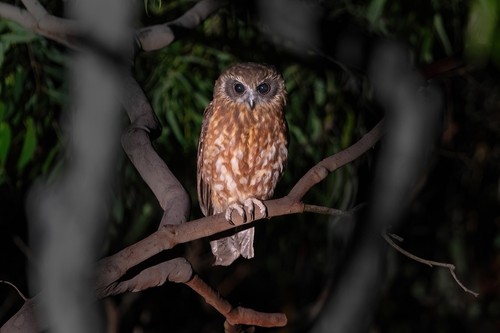
Southern Boobook
27-36 cm (11-14 in) long
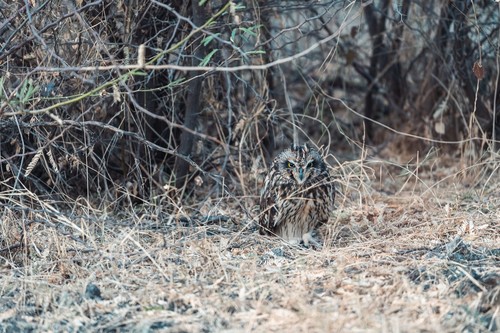
Short-eared Owl
34-42 cm (13-17 in) long, 85-110 cm wingspan
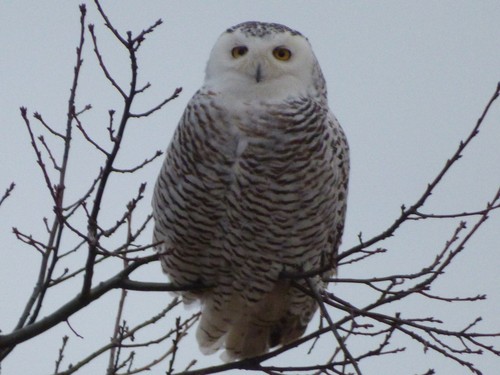
Snowy Owl
52-71 cm (20-28 in) long, 125-150 cm (49-59 in) wingspan
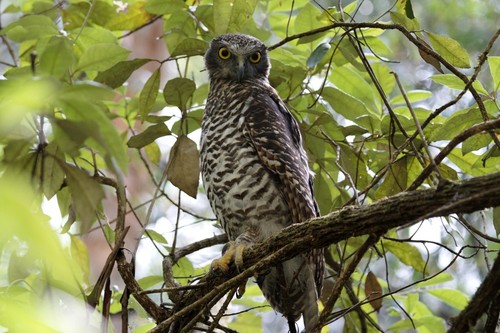
Powerful Owl
60-65 cm (24-26 in) long, 112-135 cm (44-53 in) wingspan
Northern Saw-whet Owl
18-21 cm (7-8.5 in) long, 42-56 cm (17-22 in) wingspan
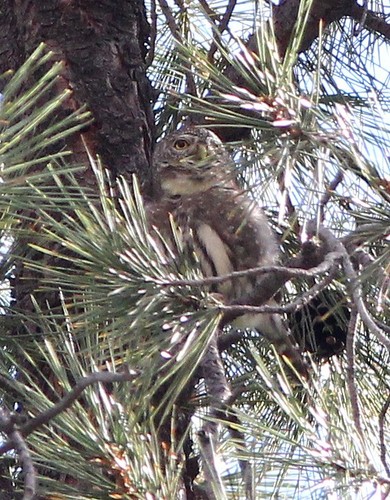
Northern Pygmy-Owl
16-18 cm (6.3-7.1 in) long, 35-39 cm wingspan
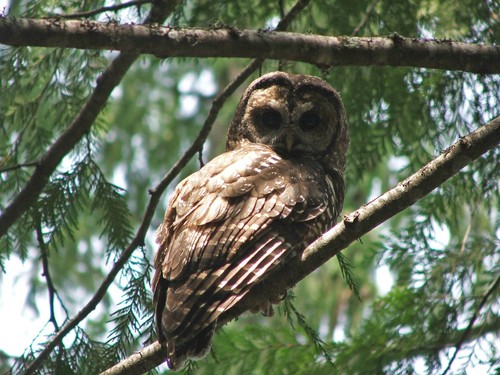
Spotted Owl
43-48 cm (17-19 in) long, 100-114 cm wingspan