
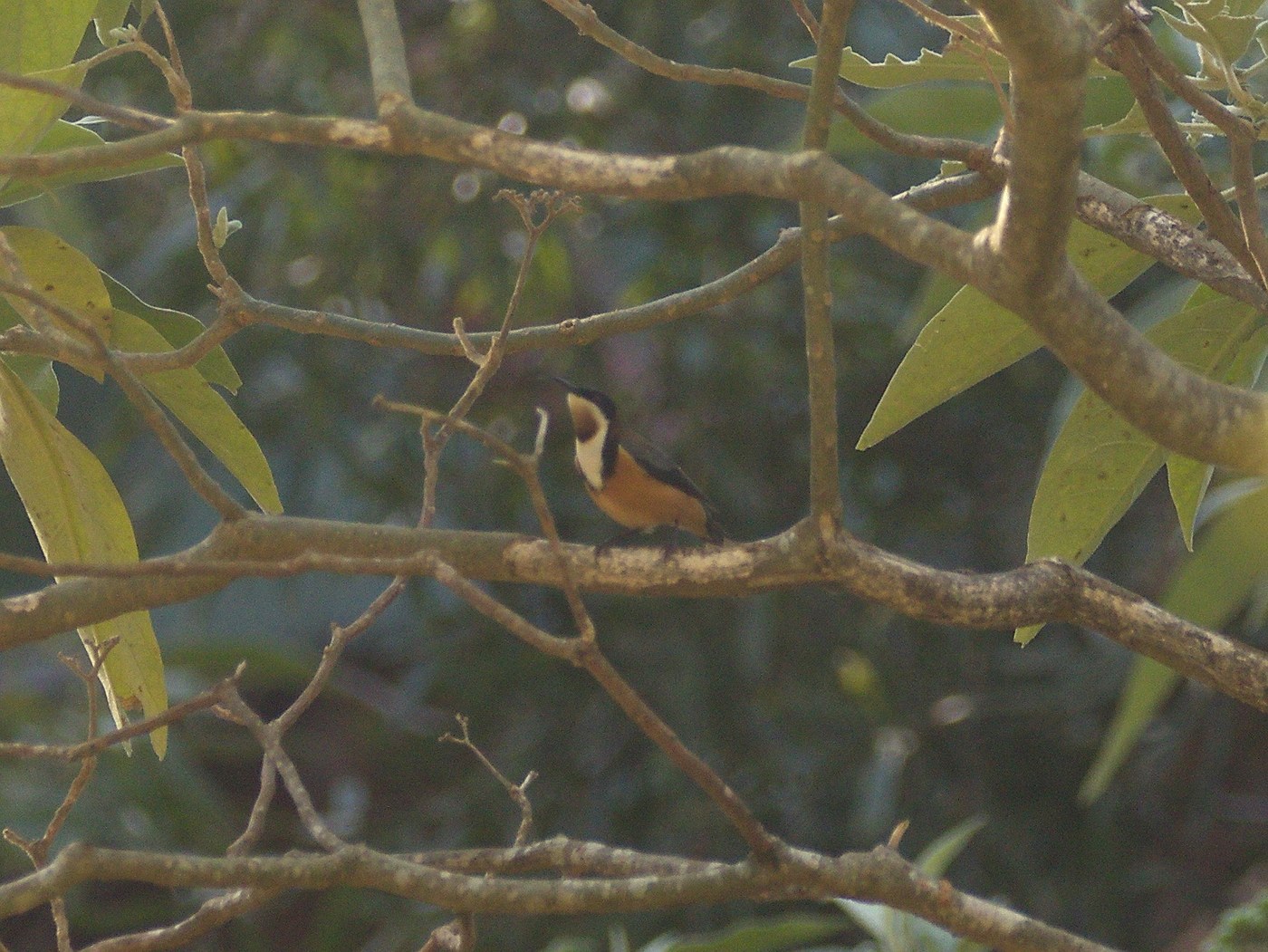
Eastern Spinebill
Acanthorhynchus tenuirostris
A small honeyeater with a long, slender downcurved bill, a chestnut throat patch, and black, white, and rufous plumage, often seen hovering at flowers.
- Size
- 13-16 cm (5-6.3 in) long, 18-22 cm wingspan
- Habitat
- forests, heathland, woodland understorey, and gardens
- Type
- songbird
Spotted a bird like this?
Identify any bird from a photo, free.
Overview
The Eastern Spinebill is a small, elegant honeyeater instantly recognizable by its long, thin, strongly downcurved bill, an adaptation for probing deep tubular flowers. Adults show a black head and grey-brown back, a rich chestnut patch on the throat bordered by white and black bands, and rufous washes on the flanks and undertail.
Unlike most honeyeaters, which cling to perches while feeding, the Eastern Spinebill regularly hovers in front of flowers in a manner reminiscent of a hummingbird, making it one of the most distinctive and appealing garden birds of southeastern Australia.
How to identify it
Key field marks
- Long, slender, strongly downcurved black bill
- Black head with a white throat crossed by a chestnut band and black necklace
- Grey-brown back, whitish underparts washed with rufous on the flanks
- Frequent hovering flight while feeding at flowers
Similar species
- Western Spinebill is very similar but found only in southwestern Western Australia, with no range overlap.
- No other eastern Australian honeyeater combines the long downcurved bill with the black, white, and chestnut throat pattern.
Habitat & range
Habitat
Inhabits forests, woodlands, heathland, and shrubby understorey, and is a regular visitor to gardens with native flowering plants.
Range
Found along the east coast and ranges of Australia from southeastern Queensland through New South Wales and Victoria to southeastern South Australia; also present in Tasmania.
Migration
Partly migratory and altitudinal, with some populations moving to lower elevations or northward in winter, tracking the availability of flowering plants.
Behavior & voice
Behavior
Active and often solitary or in pairs, defending flowering shrubs from rivals; noted for its hovering flight while probing flowers, a less common feeding style among honeyeaters.
Voice
A thin, high-pitched, rapid "peter-peter-peter" song and sharp, ticking call notes.
Feeding
Feeds primarily on nectar from tubular flowers such as correas, epacris, and grevilleas, supplemented with small insects gleaned from foliage.
Nesting
Builds a small, neat cup nest of bark strips and grass bound with spider web, low in a shrub; lays 2 pale pink eggs with reddish speckling.
Frequently asked questions
How do you identify an Eastern Spinebill?
Look for a long, thin, downcurved black bill, a black head with a chestnut-and-white throat pattern, and its habit of hovering in front of flowers.
Does the Eastern Spinebill hover like a hummingbird?
Yes, it frequently hovers briefly in front of flowers while feeding, unlike most other honeyeaters, which typically cling to a perch.
What does an Eastern Spinebill eat?
Mainly nectar from tubular native flowers, along with small insects gleaned from leaves and bark.
Where does the Eastern Spinebill live?
Along the east coast and ranges of Australia from southeastern Queensland to Victoria and South Australia, and in Tasmania.
Eastern Spinebill guides
In-depth guides for identifying, finding, and understanding Eastern Spinebill.
Other birds you may enjoy
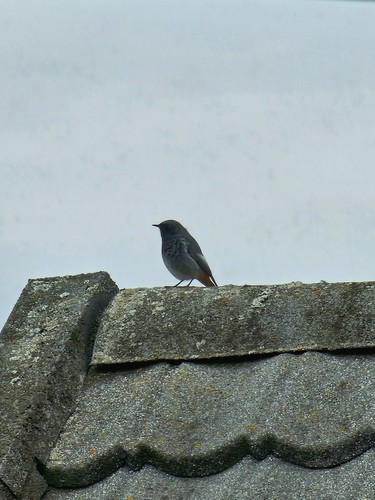
Black Redstart
13-14.5 cm (5.1-5.7 in) long, 23-26 cm wingspan
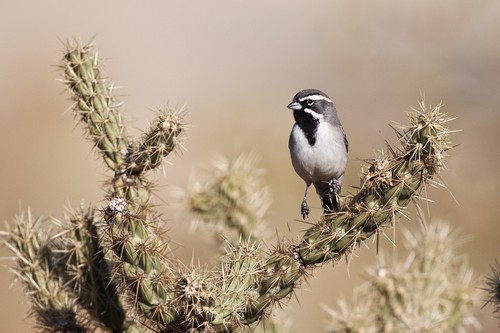
Black-throated Sparrow
12-14 cm (4.7-5.5 in) long, about 19-20 cm (7.5-8 in) wingspan
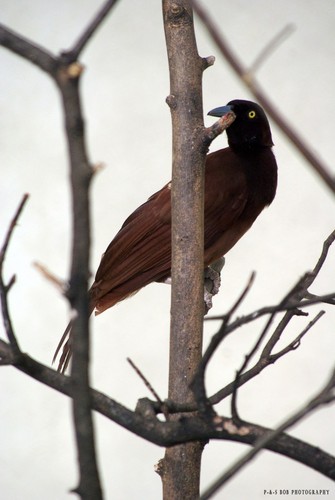
Greater Bird-of-paradise
Body about 43 cm; males with additional flank plumes up to 50 cm and long tail wires
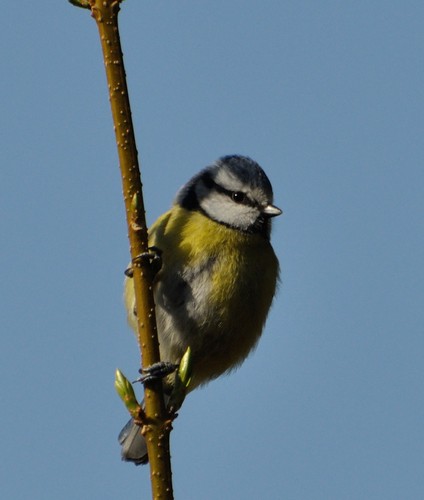
Blue Tit
11-12 cm (4.3-4.7 in) long, 17-20 cm wingspan
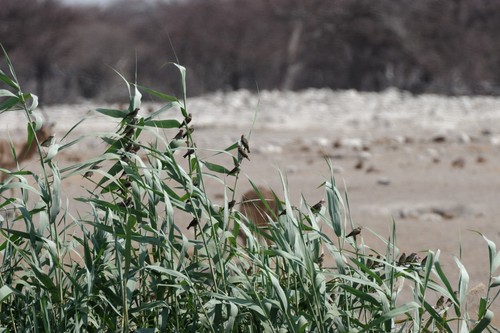
Red-billed Quelea
11.5–13 cm long, wingspan about 20–22 cm
White-plumed Antbird
13-14 cm (5-5.5 in) long
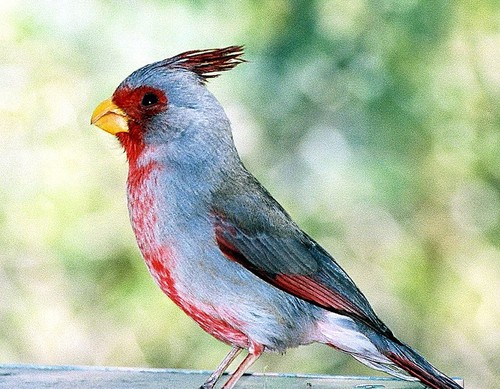
Pyrrhuloxia
19-22 cm (7.5-8.7 in) long, 30 cm wingspan
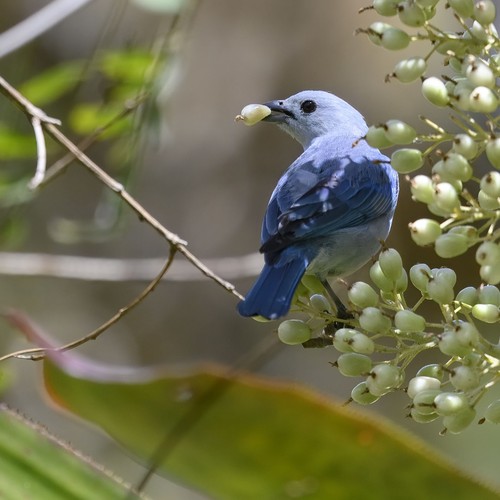
Blue-gray Tanager
16-18 cm (6-7 in) long
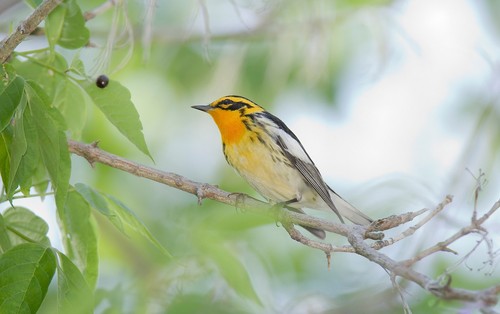
Blackburnian Warbler
11-13 cm (4.3-5.1 in) long, 20-22 cm wingspan
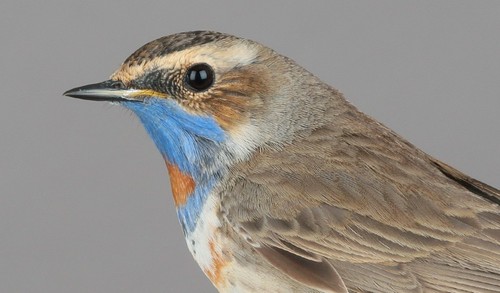
Bluethroat
13-14 cm (5.1-5.5 in) long, 20-22 cm wingspan
Eurasian Nuthatch
12-14.5 cm (4.7-5.7 in) long, 22.5-27 cm wingspan
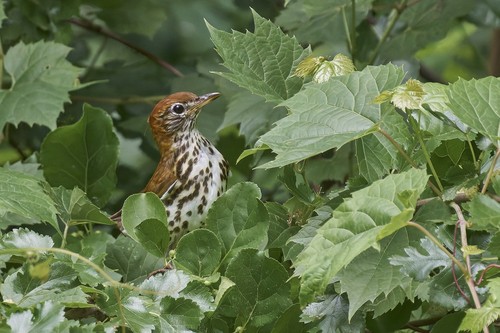
Wood Thrush
19-21 cm (7.5-8.3 in) long, about 33 cm (13 in) wingspan