
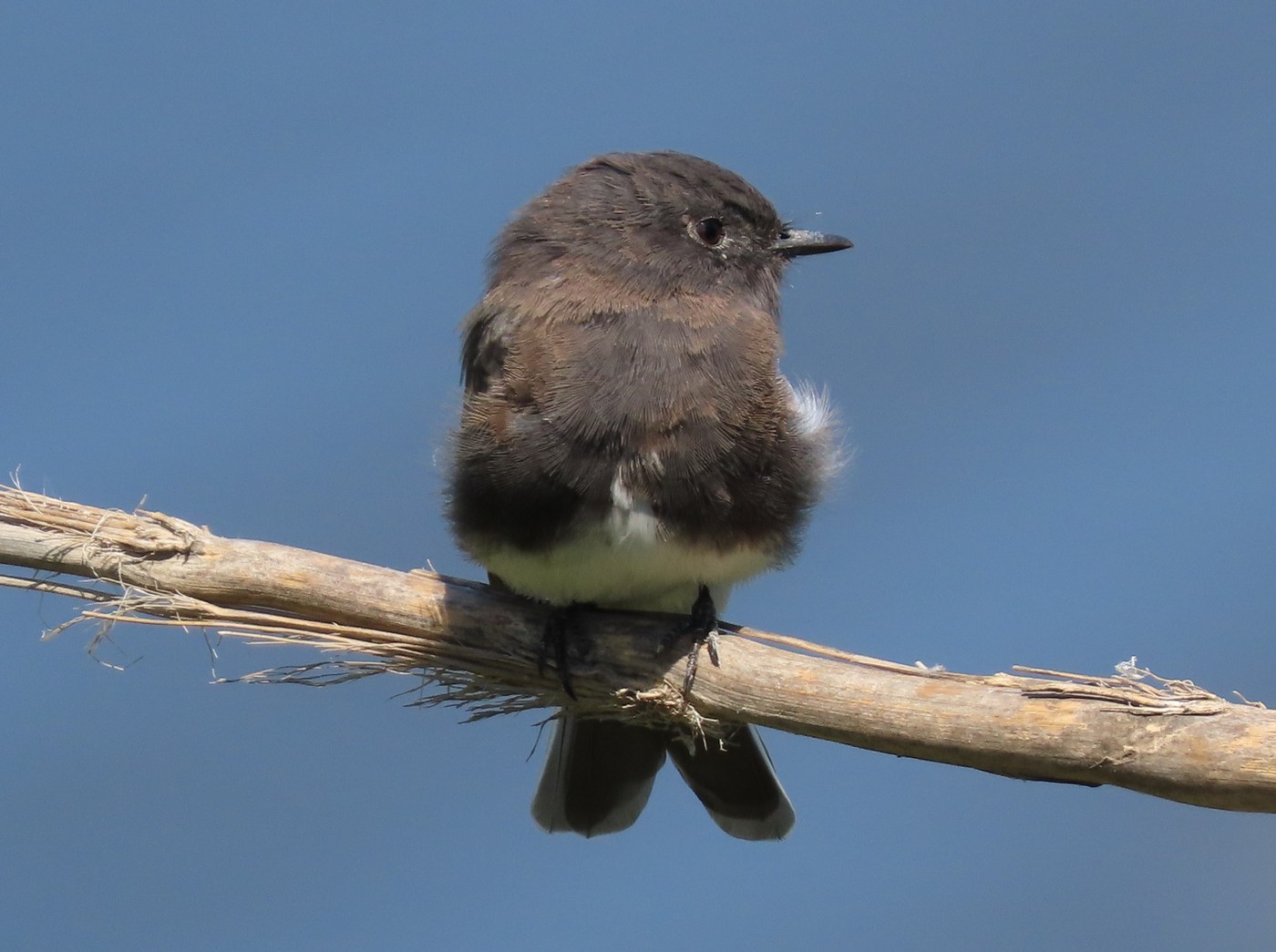
Eastern Phoebe
Sayornis phoebe
A plain grayish-brown flycatcher that pumps its tail while perched and famously nests on bridges, eaves, and other man-made structures.
- Size
- 14-17 cm (5.5-6.7 in) long, 25-27 cm wingspan
- Habitat
- woodland edges, farmland, and areas near streams, bridges, and buildings across eastern North America
- Type
- songbird
Spotted a bird like this?
Identify any bird from a photo, free.
Overview
The Eastern Phoebe is a familiar, unassuming flycatcher of eastern North America, dressed in soft grayish-brown above and dingy whitish below, with no wing bars or eye-ring bold enough to stand out. What it lacks in flashy plumage it makes up for in habit: this species has a distinctive tendency to dip and pump its tail while perched, and it readily nests under bridges, on porches, and beneath building eaves, making it one of the most human-associated flycatchers in North America.
One of the earliest-arriving migrant flycatchers in spring and among the last to depart in fall, the Eastern Phoebe's simple, raspy song is one of the classic sounds of early spring mornings in the eastern U.S. and Canada.
How to identify it
Key Field Marks
- Plain grayish-brown upperparts and dingy white underparts with a faint yellowish wash, especially in fall
- Dark head appearing slightly darker than the back, with an indistinct eye-ring
- Lacks bold wing bars present on many other flycatchers (wing bars are thin and often faded, especially in adults)
- Habitual tail-pumping while perched
- Black bill and legs
Similar Species
- Eastern Wood-Pewee shows more distinct wing bars and does not pump its tail.
- Empidonax flycatchers typically show a more prominent eye-ring and wing bars, and are best separated by voice; phoebes lack the pale eye-ring of most empids.
- Its persistent tail-dipping habit is one of the best field marks separating it from similar drab flycatchers.
Habitat & range
Eastern Phoebes breed across eastern and central North America, from the Canadian Maritimes and southern Canada south to the Gulf Coast states, favoring open woodlands, farmland, and habitat near streams, ponds, and human structures such as bridges, barns, and porches. They winter in the southeastern United States, Mexico, and along the Gulf Coast.
This species is one of the hardiest flycatchers, migrating shorter distances than most relatives and often being among the first flycatchers to return north in early spring.
Behavior & voice
Voice
Sings a rough, two-parted fee-bee with a raspy, burry quality, from which its name derives, repeated persistently through the breeding season.
Feeding
Sallies from a low, exposed perch to catch flying insects in mid-air, returning to the same or a nearby perch; also hovers to glean insects from foliage and eats berries and small fruits, especially in fall and winter when insects are scarce.
Nesting
Builds a mud-and-moss cup nest lined with fine grasses and hair, frequently placed on a ledge, beam, or ledge-like structure on bridges, culverts, or buildings, as well as on natural rock ledges; often reuses or rebuilds on the same nest site in successive years.
Frequently asked questions
How can I identify an Eastern Phoebe?
Look for a plain grayish-brown flycatcher with dingy whitish underparts, no bold eye-ring or wing bars, and a habit of persistently pumping its tail up and down while perched.
Why does the Eastern Phoebe pump its tail?
Tail-pumping is a characteristic behavior of this species, thought to help with balance or signal alertness, and it is one of the most useful field marks for identification.
Where do Eastern Phoebes build their nests?
They commonly build mud-and-moss cup nests on ledges under bridges, in culverts, or under building eaves and porches, as well as on natural rock ledges near water.
What does an Eastern Phoebe sound like?
It sings a raspy, two-note *fee-bee*, repeated over and over, which gives the species its common name.
Do Eastern Phoebes migrate?
Yes, though they migrate relatively short distances and are among the earliest flycatchers to arrive in spring and latest to leave in fall, wintering mainly in the southeastern U.S. and Mexico.
Eastern Phoebe guides
In-depth guides for identifying, finding, and understanding Eastern Phoebe.
Other birds you may enjoy
Black Redstart
13-14.5 cm (5.1-5.7 in) long, 23-26 cm wingspan
Black-throated Sparrow
12-14 cm (4.7-5.5 in) long, about 19-20 cm (7.5-8 in) wingspan
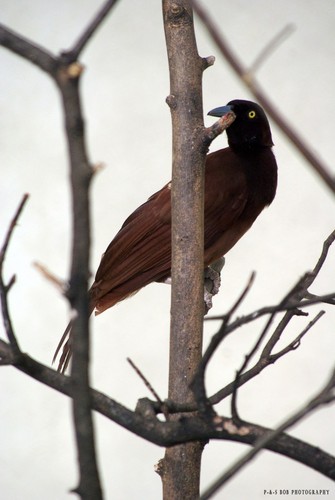
Greater Bird-of-paradise
Body about 43 cm; males with additional flank plumes up to 50 cm and long tail wires
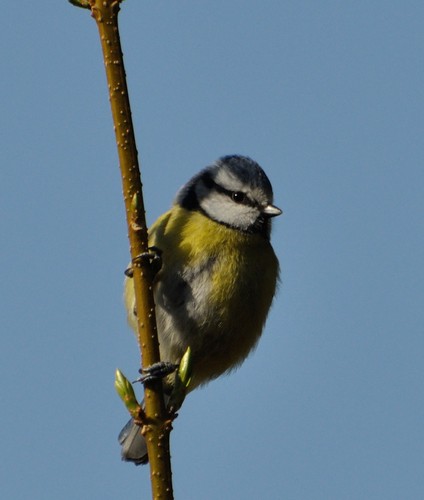
Blue Tit
11-12 cm (4.3-4.7 in) long, 17-20 cm wingspan
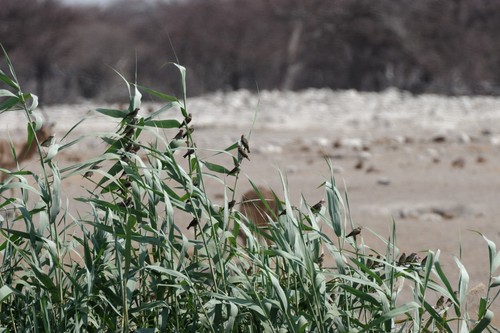
Red-billed Quelea
11.5–13 cm long, wingspan about 20–22 cm
White-plumed Antbird
13-14 cm (5-5.5 in) long
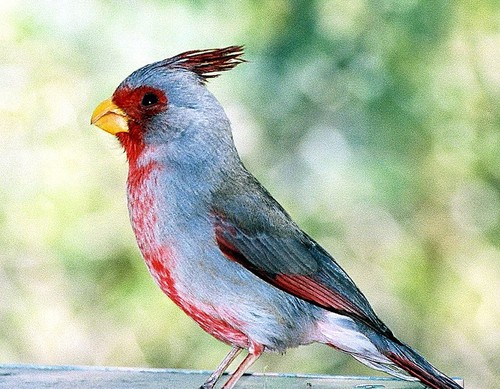
Pyrrhuloxia
19-22 cm (7.5-8.7 in) long, 30 cm wingspan
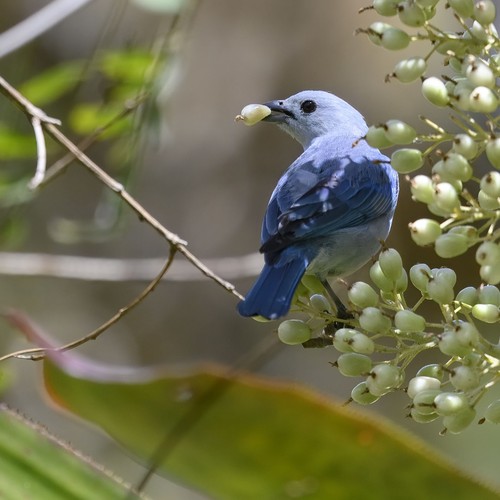
Blue-gray Tanager
16-18 cm (6-7 in) long
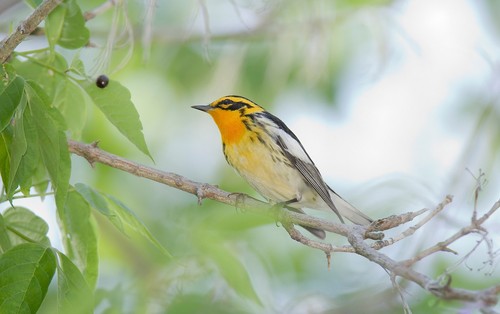
Blackburnian Warbler
11-13 cm (4.3-5.1 in) long, 20-22 cm wingspan
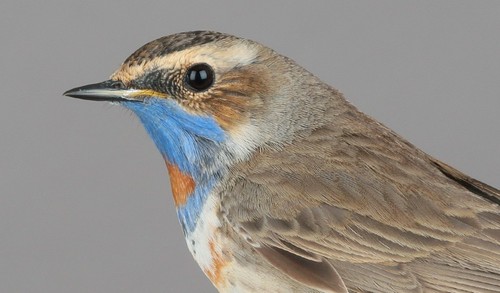
Bluethroat
13-14 cm (5.1-5.5 in) long, 20-22 cm wingspan
Eurasian Nuthatch
12-14.5 cm (4.7-5.7 in) long, 22.5-27 cm wingspan
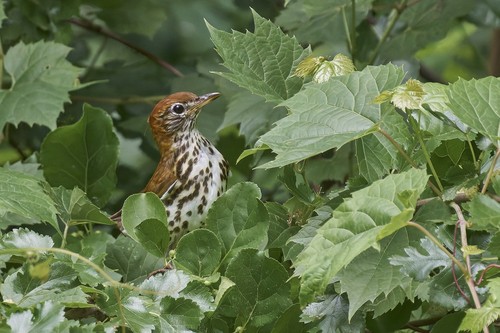
Wood Thrush
19-21 cm (7.5-8.3 in) long, about 33 cm (13 in) wingspan