
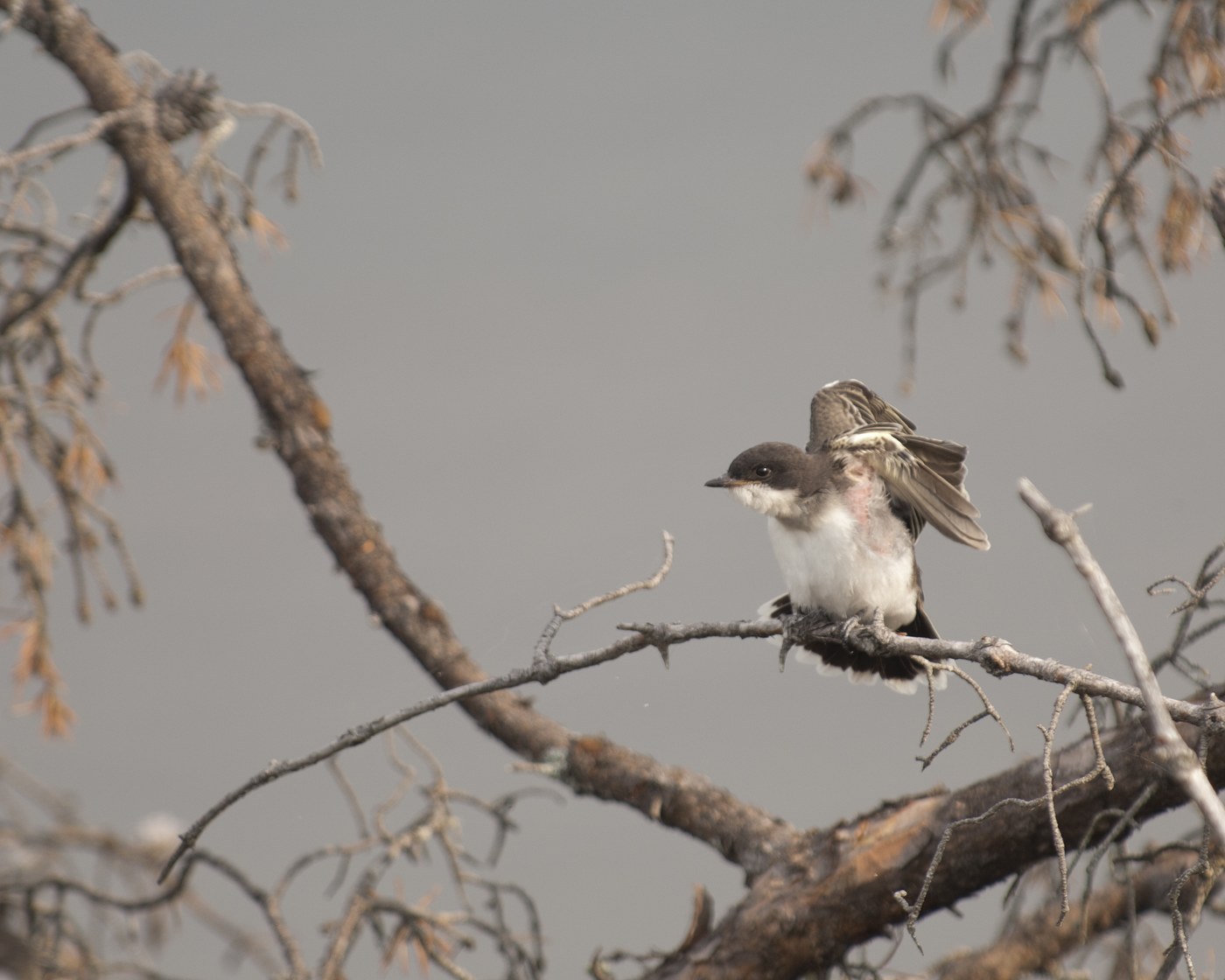
Eastern Kingbird
Tyrannus tyrannus
A bold, crisp black-and-white flycatcher known for fearlessly attacking hawks and crows that stray near its nest.
- Size
- 19-23 cm (7.5-9 in) long, 33-38 cm wingspan
- Habitat
- open fields, forest edges, orchards, and areas near water across eastern and central North America
- Type
- songbird
Spotted a bird like this?
Identify any bird from a photo, free.
Overview
The Eastern Kingbird is a striking, dapper flycatcher, blackish-gray above and clean white below, with a neatly banded white tip on an otherwise black tail. True to the genus name Tyrannus, meaning "tyrant," this species is famous for its aggressive, fearless defense of its nesting territory, readily chasing and even striking much larger birds such as hawks, crows, and herons that venture too close.
Often seen perched conspicuously on wires, fence posts, or the tops of shrubs in open country, Eastern Kingbirds undergo a remarkable transformation in the tropics during the non-breeding season, where they flock together and feed largely on fruit rather than defending territories.
How to identify it
Key Field Marks
- Dark blackish-gray upperparts and head, sharply contrasting with clean white underparts
- Black tail with a distinct white terminal band, a diagnostic field mark
- Concealed reddish-orange crown patch, rarely visible except during displays
- Upright, alert posture on exposed perches
Similar Species
- Eastern Phoebe and Eastern Wood-Pewee lack the crisp white tail band and are duller, browner overall.
- Gray Kingbird and Western Kingbird lack the bold white tail band, showing paler gray tails instead.
- The combination of blackish upperparts, white underparts, and white-tipped tail is unique among eastern flycatchers.
Habitat & range
Eastern Kingbirds breed across most of the United States and southern Canada, favoring open habitats such as fields, pastures, orchards, forest edges, and areas near ponds and rivers with scattered trees or shrubs for perching and nesting. They avoid dense, unbroken forest.
This species undertakes a long migration to winter in South America, primarily in the Amazon basin, where its diet and social behavior shift dramatically from solitary insect-hunting to flocking and fruit-eating.
Behavior & voice
Voice
Gives a sharp, buzzy, electric-sounding chatter of dzee and kip notes, often delivered in a rapid, sputtering series, especially during aggressive encounters.
Feeding
Sallies from an exposed perch to catch flying insects in mid-air during the breeding season; switches almost entirely to fruit while wintering in South America, where it forages in flocks at fruiting trees.
Nesting
Builds a bulky cup nest of twigs, grass, and plant down, typically placed in a tree or shrub, often overhanging water; renowned for aggressively mobbing and attacking crows, hawks, and other potential predators that approach the nest, sometimes landing on the back of a fleeing intruder.
Frequently asked questions
How do I identify an Eastern Kingbird?
Look for a blackish-gray flycatcher with clean white underparts and a black tail tipped with a crisp white band, often perched conspicuously on wires or fence posts.
Why is the Eastern Kingbird called a 'tyrant'?
It aggressively defends its nesting territory, fearlessly chasing and even striking much larger birds like hawks and crows that come too close, a behavior reflected in its genus name Tyrannus.
What do Eastern Kingbirds eat?
During the breeding season they catch flying insects, but on their South American wintering grounds they feed mainly on fruit, often in flocks.
Where do Eastern Kingbirds go in winter?
They migrate long distances to winter primarily in the Amazon basin of South America.
Eastern Kingbird guides
In-depth guides for identifying, finding, and understanding Eastern Kingbird.
Other birds you may enjoy
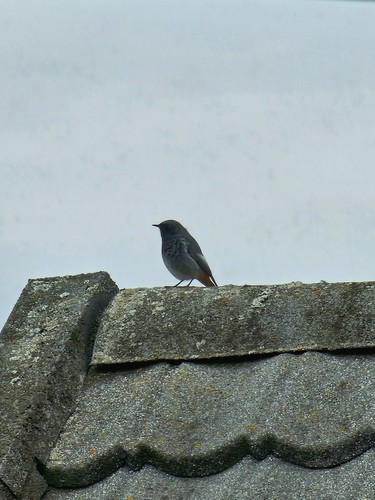
Black Redstart
13-14.5 cm (5.1-5.7 in) long, 23-26 cm wingspan
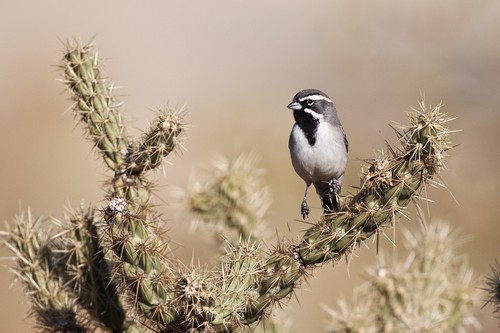
Black-throated Sparrow
12-14 cm (4.7-5.5 in) long, about 19-20 cm (7.5-8 in) wingspan
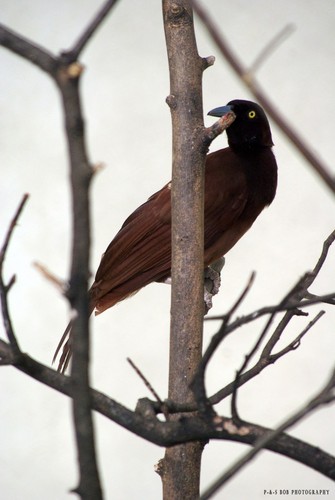
Greater Bird-of-paradise
Body about 43 cm; males with additional flank plumes up to 50 cm and long tail wires
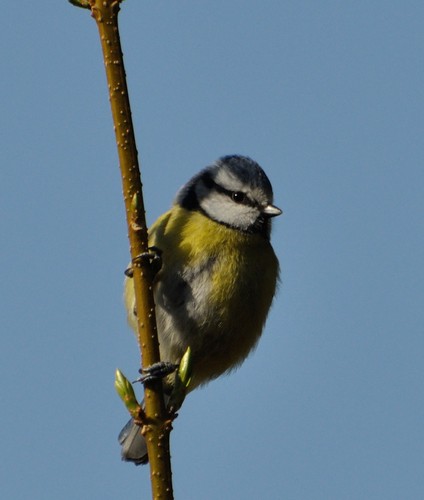
Blue Tit
11-12 cm (4.3-4.7 in) long, 17-20 cm wingspan

Red-billed Quelea
11.5–13 cm long, wingspan about 20–22 cm
White-plumed Antbird
13-14 cm (5-5.5 in) long
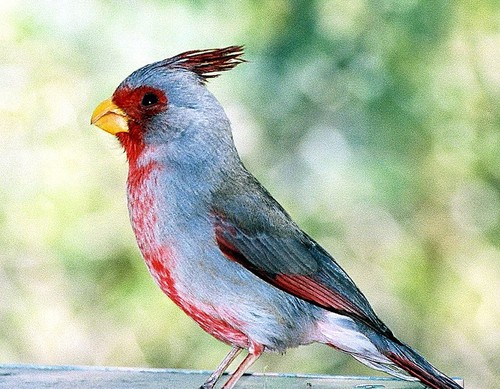
Pyrrhuloxia
19-22 cm (7.5-8.7 in) long, 30 cm wingspan
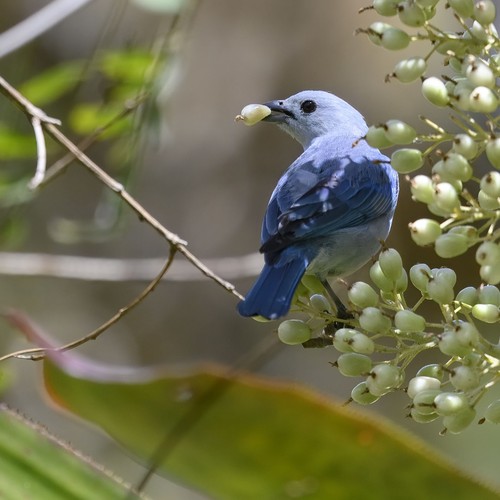
Blue-gray Tanager
16-18 cm (6-7 in) long
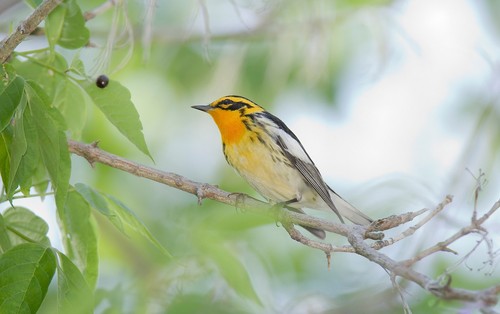
Blackburnian Warbler
11-13 cm (4.3-5.1 in) long, 20-22 cm wingspan
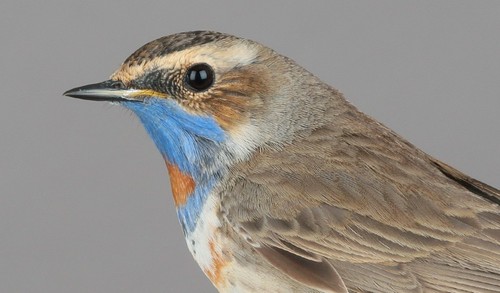
Bluethroat
13-14 cm (5.1-5.5 in) long, 20-22 cm wingspan
Eurasian Nuthatch
12-14.5 cm (4.7-5.7 in) long, 22.5-27 cm wingspan
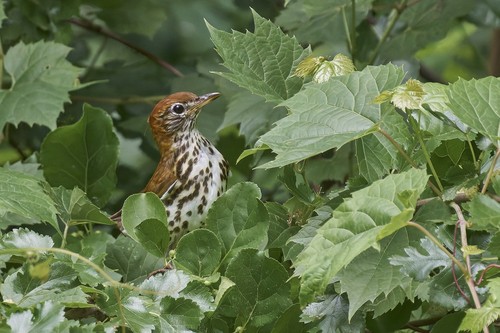
Wood Thrush
19-21 cm (7.5-8.3 in) long, about 33 cm (13 in) wingspan