
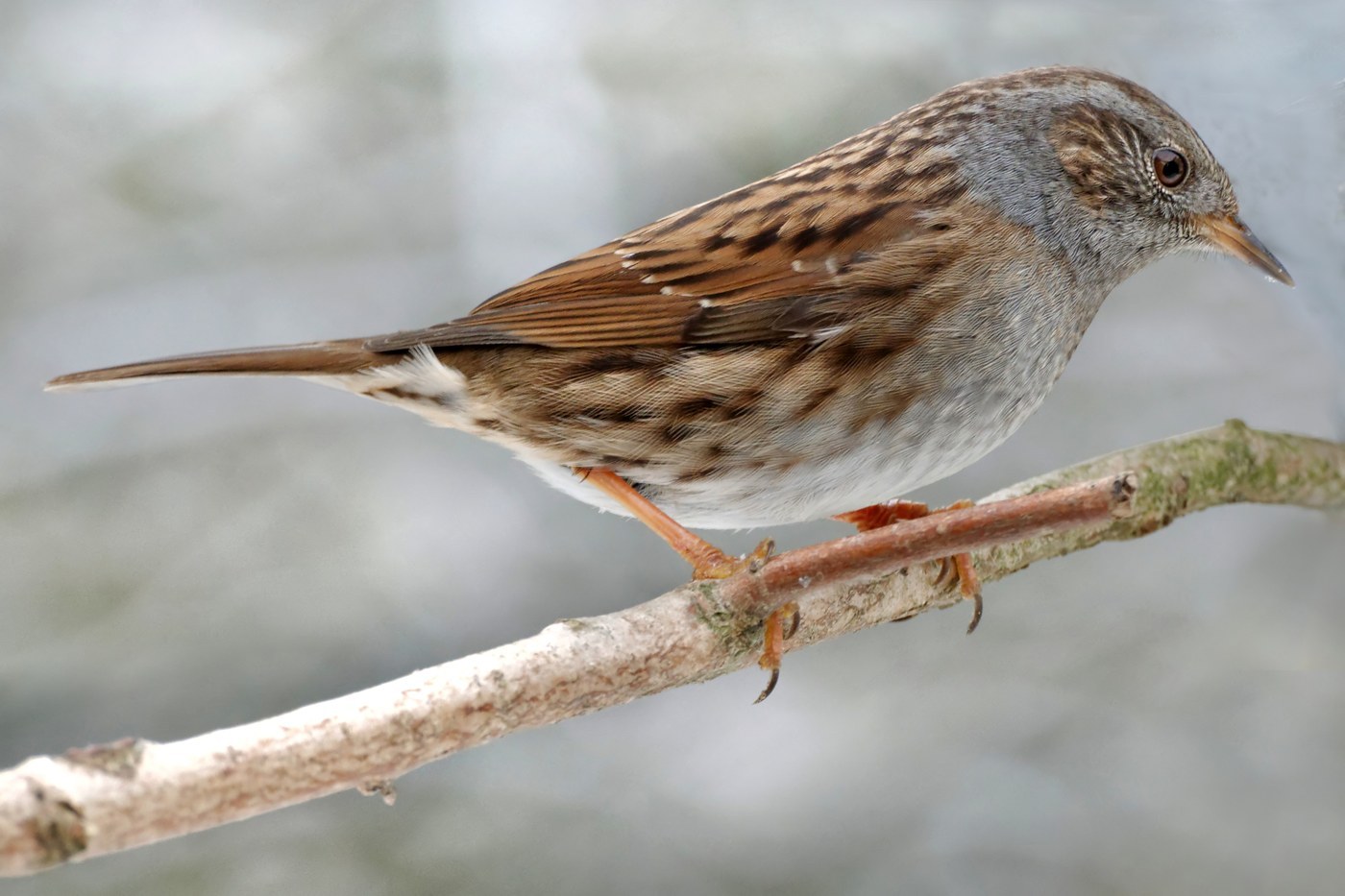
Dunnock
Prunella modularis
An unassuming, streaky brown European songbird with a gray head and breast, often seen shuffling quietly beneath hedges and shrubs.
- Size
- 13.5-14 cm (5.3-5.5 in) long, 19-21 cm wingspan
- Habitat
- hedgerows, woodland edges, scrub, and gardens
- Type
- songbird
Spotted a bird like this?
Identify any bird from a photo, free.
Overview
The Dunnock, also known historically as the Hedge Sparrow, is a modest-looking songbird with streaky brown upperparts, a slate-gray head, throat, and breast, and a thin, pointed, insect-eating bill quite unlike the thick seed-cracking bill of true sparrows, to which it is not closely related. Its plumage is subtle and easily overlooked, and it typically forages quietly and unobtrusively low to the ground.
Despite its drab appearance, the Dunnock has one of the most complex and unusual mating systems of any European bird, frequently forming polygynous or polyandrous relationships involving multiple mates.
How to identify it
Key field marks
- Streaky brown back and wings
- Slate-gray head, throat, and breast
- Thin, pointed bill (unlike a sparrow's thick conical bill)
- Quiet, shuffling, mouse-like movement close to cover
Similar species
- House Sparrow has a thicker, conical seed-eating bill and lacks the gray head/breast combination.
- Eurasian Wren is much smaller and rounder with a constantly cocked tail.
Habitat & range
Habitat
Favors hedgerows, woodland edges, scrub, and gardens with dense low cover for foraging and nesting.
Range
Widespread across Europe and parts of western Asia.
Migration
Mostly resident in the west of its range, with more northerly and eastern populations migrating south for winter.
Behavior & voice
Behavior
Unobtrusive and often overlooked, shuffling along the ground or through low cover in short hops; known for a complex mating system that can include multiple males and females sharing a territory.
Voice
A thin, high-pitched, rambling warbling song, and a distinctive thin "tseep" call.
Feeding
Gleans insects and spiders from the ground and low vegetation in the breeding season, switching to seeds in autumn and winter.
Nesting
Builds a cup nest of twigs, moss, and grass low in a hedge or shrub; lays 3-5 unmarked bright blue eggs.
Frequently asked questions
Is the Dunnock related to the House Sparrow?
No, despite its old name "Hedge Sparrow," the Dunnock is not closely related to true sparrows and has a thin, insect-eating bill rather than a sparrow's thick seed-cracking bill.
How can you identify a Dunnock?
Look for a streaky brown-backed bird with a slate-gray head, throat, and breast, and a thin pointed bill, usually seen shuffling quietly near hedges.
What is unusual about Dunnock breeding behavior?
Dunnocks often have complex mating systems involving more than one male or female sharing a territory, among the most variable mating systems of any bird.
What color are Dunnock eggs?
They lay unmarked, glossy bright blue eggs, typically 3-5 per clutch.
Dunnock guides
In-depth guides for identifying, finding, and understanding Dunnock.
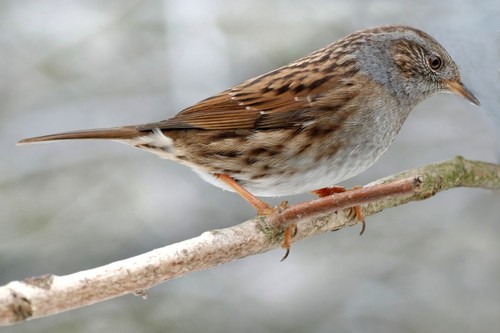
Other birds you may enjoy
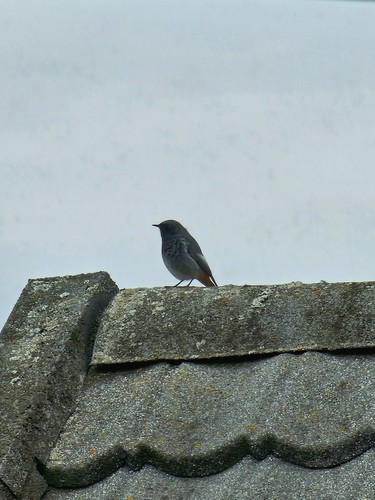
Black Redstart
13-14.5 cm (5.1-5.7 in) long, 23-26 cm wingspan
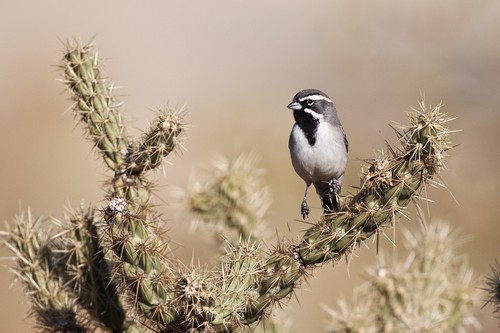
Black-throated Sparrow
12-14 cm (4.7-5.5 in) long, about 19-20 cm (7.5-8 in) wingspan
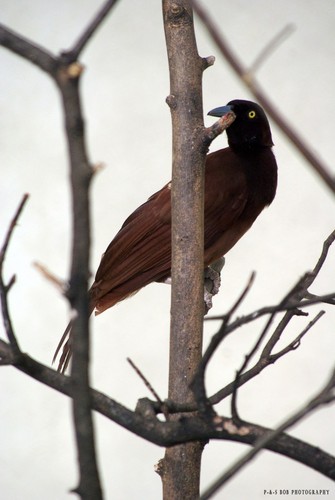
Greater Bird-of-paradise
Body about 43 cm; males with additional flank plumes up to 50 cm and long tail wires
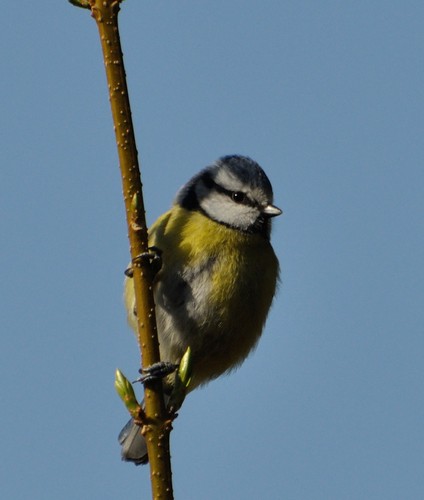
Blue Tit
11-12 cm (4.3-4.7 in) long, 17-20 cm wingspan
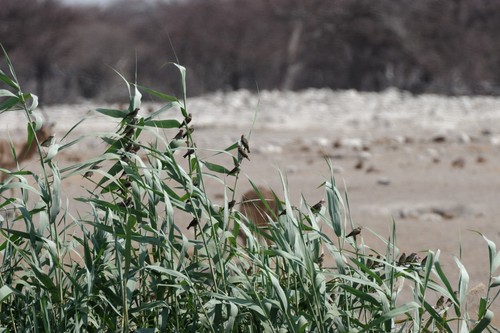
Red-billed Quelea
11.5–13 cm long, wingspan about 20–22 cm
White-plumed Antbird
13-14 cm (5-5.5 in) long
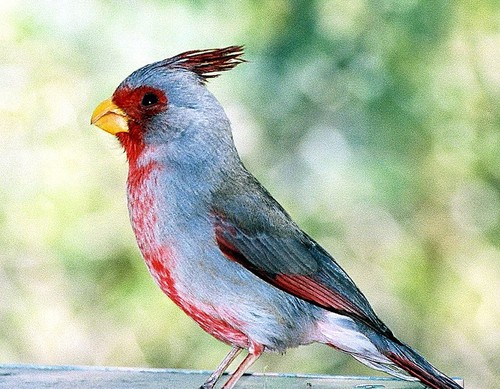
Pyrrhuloxia
19-22 cm (7.5-8.7 in) long, 30 cm wingspan
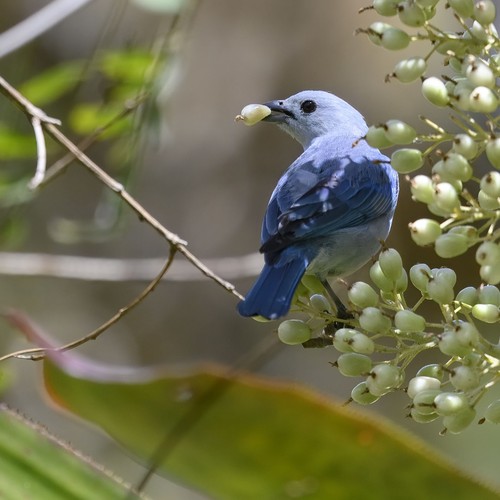
Blue-gray Tanager
16-18 cm (6-7 in) long
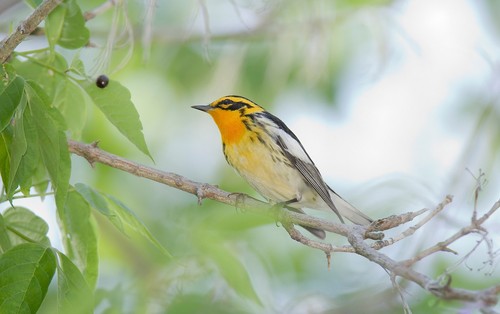
Blackburnian Warbler
11-13 cm (4.3-5.1 in) long, 20-22 cm wingspan
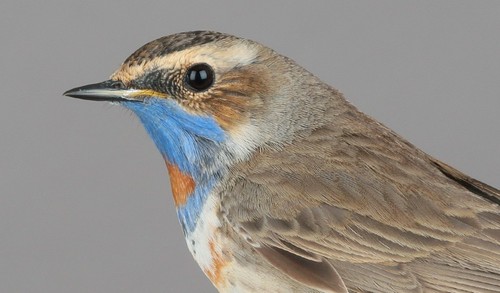
Bluethroat
13-14 cm (5.1-5.5 in) long, 20-22 cm wingspan
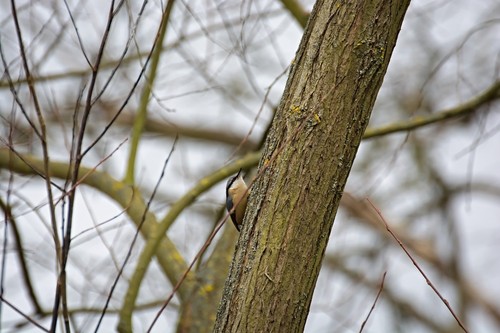
Eurasian Nuthatch
12-14.5 cm (4.7-5.7 in) long, 22.5-27 cm wingspan
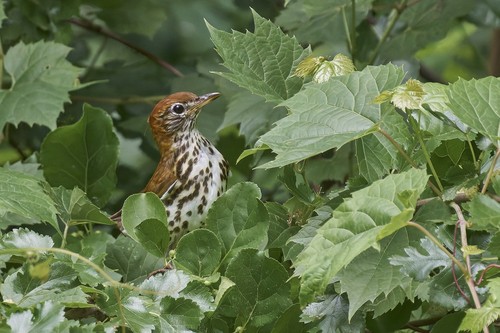
Wood Thrush
19-21 cm (7.5-8.3 in) long, about 33 cm (13 in) wingspan