
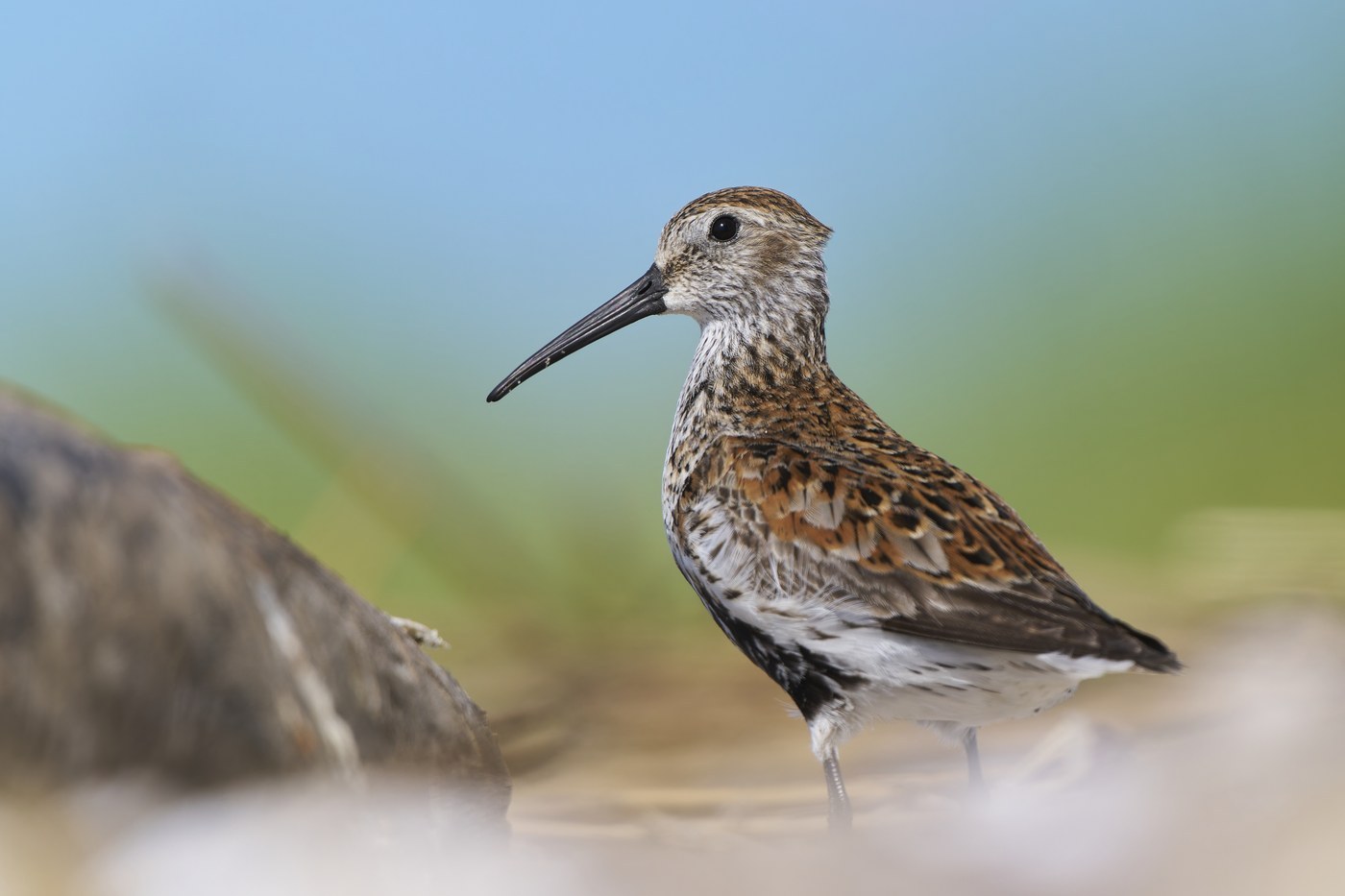
Dunlin
Calidris alpina
A medium-small sandpiper with a distinctive drooped bill tip and, in breeding plumage, a bold black belly patch, often seen in large swirling flocks over mudflats.
- Size
- 16-22 cm (6.3-8.7 in) long, 32-36 cm wingspan
- Habitat
- coastal mudflats, estuaries, and tundra breeding grounds
- Type
- shorebird
Spotted a bird like this?
Identify any bird from a photo, free.
Overview
The Dunlin is one of the most abundant and widespread sandpipers in the Northern Hemisphere, familiar to birders for its huge, tightly coordinated flocks that wheel and turn in unison over coastal mudflats.
In breeding plumage, Dunlins are unmistakable: a bright rufous back contrasts with a bold black patch on the lower belly, a pattern shared by no other common sandpiper. Nonbreeding birds are much plainer — soft gray-brown above and white below — and are best told by their structure and behavior rather than color.
The bill is moderately long and distinctly drooped at the tip, a useful mark at any season, and the legs are black.
How to identify it
Key field marks
- Black belly patch contrasting with rufous back in breeding plumage — diagnostic
- Plain gray-brown upperparts, white underparts in nonbreeding plumage
- Moderately long, black bill with a distinct downward droop at the tip
- Black legs
- Tends to feed in a slightly hunched posture
- Forms dense, fast-flying flocks that twist and turn together
Similar species
- Curlew Sandpiper: longer, more evenly curved bill, white (not gray) rump, longer legs, and brick-red (not black-bellied) breeding plumage.
- Western Sandpiper: smaller, shorter, straighter bill with only a slight droop, rufous confined to crown and scapulars.
- Purple Sandpiper: darker overall with yellowish leg base, found on rocky rather than muddy shores.
Habitat & range
Habitat
Outside the breeding season, Dunlins are classic birds of coastal mudflats, estuaries, and tidal marshes, where they gather in some of the largest flocks of any shorebird.
Range and migration
They breed on Arctic and subarctic tundra across North America, Europe, and Asia. Wintering grounds include temperate coastal areas of North America, Europe, and Asia, where Dunlins often form spectacular, dense flocks numbering in the tens of thousands at major estuaries.
Behavior & voice
Behavior
Dunlins are highly gregarious outside the breeding season, forming dense flocks that perform dramatic aerial maneuvers, wheeling and flashing alternately dark and light as they turn in unison — a defense against aerial predators like falcons.
Voice
The flight call is a harsh, reedy "kreee" or trilling "jeeep," often heard from flocks in flight.
Feeding
They forage steadily, walking with a slightly hunched posture and rapidly probing soft mud for insects, marine worms, and small mollusks.
Nesting and breeding
Pairs nest on the ground on Arctic or subarctic tundra, often near water; the female typically lays four eggs, and both parents share incubation, though the female often departs before the young fledge.
Frequently asked questions
How do you identify a Dunlin in breeding plumage?
Look for a rufous back combined with a bold black patch on the lower belly — a combination unique among common sandpipers.
What does a nonbreeding Dunlin look like?
Plain gray-brown above and white below, best identified by its moderately long, distinctly drooped bill and black legs.
Why do Dunlin flocks fly in such tight, swirling formations?
The coordinated wheeling flight helps confuse aerial predators such as falcons by creating a flashing, unpredictable pattern as the flock turns.
Where do Dunlins breed?
On Arctic and subarctic tundra across North America, Europe, and Asia.
What do Dunlins eat?
Insects, marine worms, and small mollusks, which they probe from soft coastal mud and estuarine sediments.
Dunlin guides
In-depth guides for identifying, finding, and understanding Dunlin.
Other birds you may enjoy
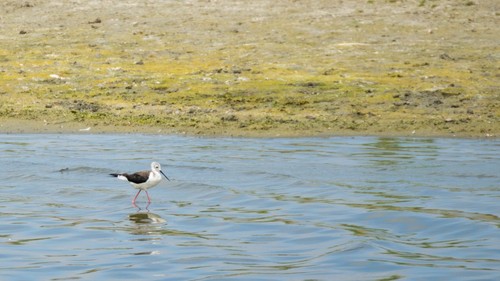
Black-winged Stilt
33-36 cm (13-14 in) long, wingspan 67-83 cm
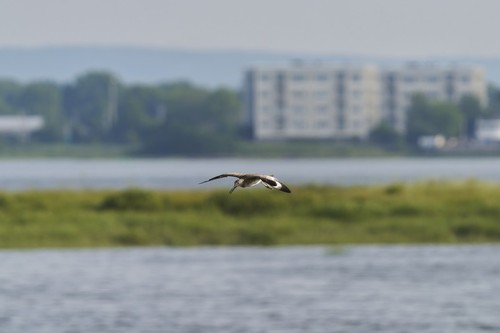
Willet
33-41 cm (13-16 in) long, 65-70 cm wingspan
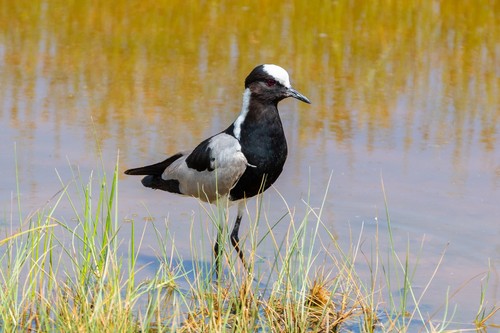
Blacksmith Lapwing
Body length about 30 cm; wingspan 55-65 cm
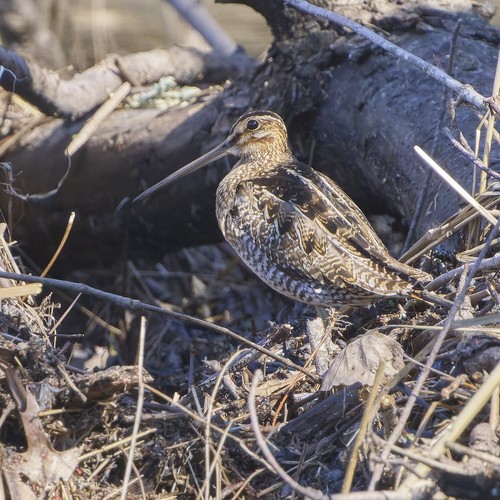
Wilson's Snipe
25-30 cm (10-12 in) long, 39-45 cm wingspan
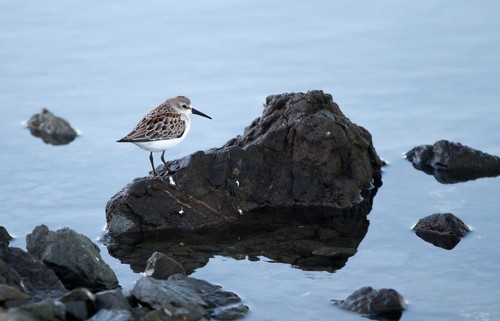
Western Sandpiper
14-17 cm (5.5-6.7 in) long, 28-37 cm wingspan
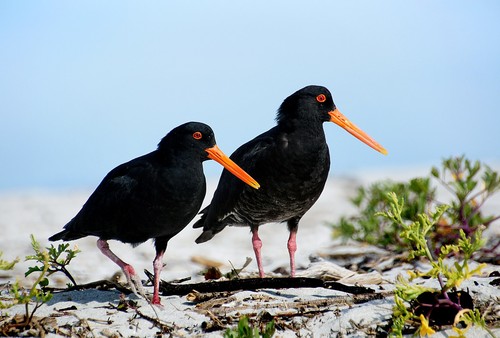
Variable Oystercatcher
46-49 cm (18-19 in) long
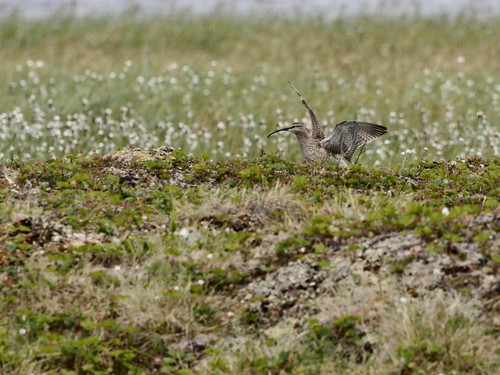
Whimbrel
40-46 cm (16-18 in) long, 76-89 cm wingspan
Wilson's Phalarope
22-24 cm (8.5-9.5 in) long, 37-43 cm wingspan
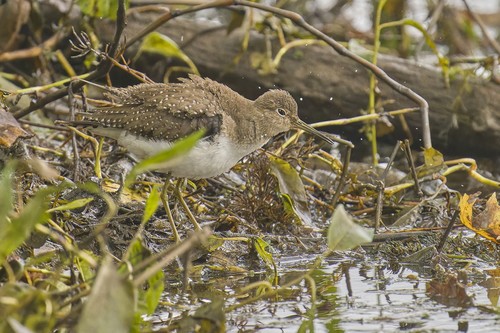
Solitary Sandpiper
19-23 cm (7.5-9 in) long, 50-56 cm wingspan
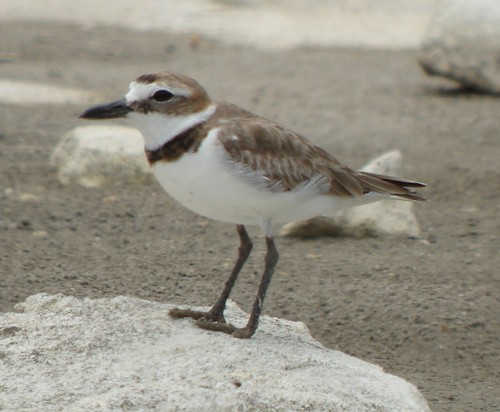
Wilson's Plover
17-19 cm (6.7-7.5 in) long, 45-50 cm wingspan
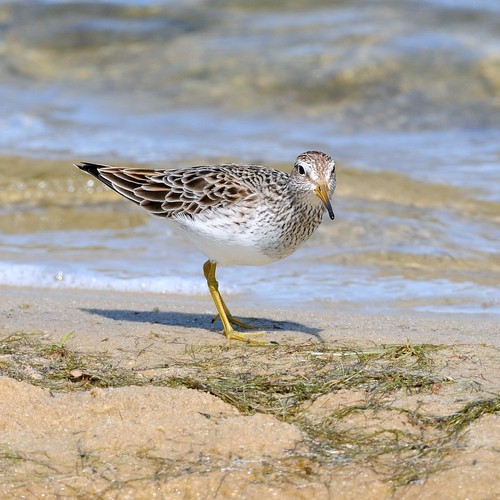
Pectoral Sandpiper
19-23 cm (7.5-9 in) long, 43-49 cm wingspan
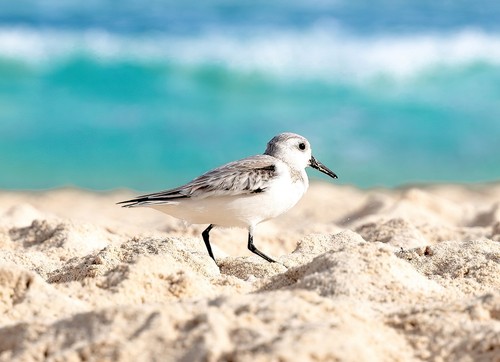
Sanderling
18-20 cm (7-8 in) long, 40-43 cm wingspan