
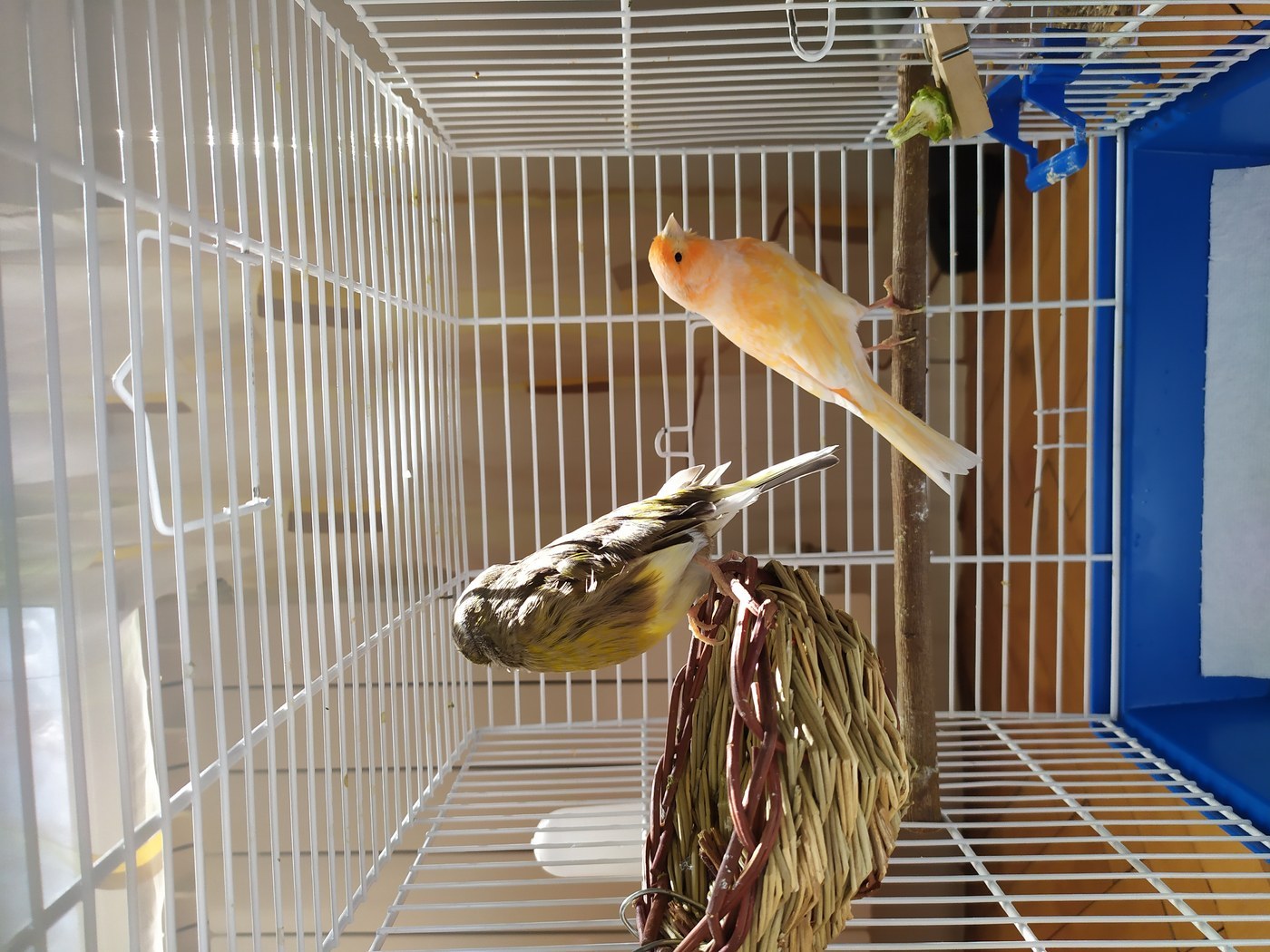
Domestic Canary
Serinus canaria domestica
The domesticated form of the wild Atlantic Canary, bred over centuries into many color and song varieties from its natural yellow-green ancestor.
- Size
- About 12–20 cm (4.7–8 in) long depending on breed; small finch-like bird
- Habitat
- Domesticated form kept in aviaries; wild ancestor native to Macaronesian islands
- Type
- songbird
Spotted a bird like this?
Identify any bird from a photo, free.
Overview
Overview
The Domestic Canary is the selectively bred descendant of the wild Atlantic (Island) Canary, developed over roughly five centuries since the species was first brought from the Canary Islands and neighboring archipelagos to Europe. Through generations of selective breeding, fanciers developed a wide range of forms differing in color, feather structure, posture, and song quality from the plain yellow-green wild bird.
Plumage
Color varieties include the familiar bright yellow bird most people picture, as well as white, orange, red-factor, and variegated forms, along with breeds selected for crest, curled or frilled feathering, or elongated body shape. Despite this variation, all domestic canaries share the compact finch-like body plan, short conical seed-eating bill, and forked tail of their wild ancestor.
How to identify it
Field Marks
- Small, compact finch with a short conical bill suited to eating seeds
- Plumage highly variable by breed: solid yellow, white, orange, red-factor, or variegated
- Some breeds show a crest, frilled feathers, or an elongated, upright posture
Similar Species
Because color and shape vary enormously between breeds, identification relies on context (kept in aviaries rather than found in the wild) rather than plumage alone; the plain yellow-green wild-type form closely resembles its ancestor, the Atlantic Canary.
Habitat & range
Habitat & Range
As a domesticated bird, the Domestic Canary does not occupy a natural wild range or habitat; it exists in aviaries and controlled breeding settings worldwide, developed originally from the wild Atlantic Canary native to Macaronesian islands including the Canary Islands, Azores, and Madeira.
Historically, the wild-caught ancestors were brought to mainland Europe beginning in the 15th and 16th centuries, and generations of breeding subsequently produced the many forms recognized as distinct canary breeds today.
Behavior & voice
Behavior
Domestic Canaries are active, alert birds known for near-constant movement between perches and for their long breeding history, which selected specifically for vocal ability in many song-type breeds.
Voice
Males are noted for extended, musical, warbling songs composed of trills, rolls, and varied phrases, a trait heavily emphasized through selective breeding in song-canary strains; females typically give simpler calls and shorter song.
Feeding
The natural diet consists of small seeds, particularly canary grass seed, supplemented with leafy greens and occasional small invertebrates for protein.
Nesting & Breeding
In breeding settings, hens build cup-shaped nests and lay small clutches of pale blue-green eggs, typically speckled, which they incubate for about two weeks before the young fledge a further two to three weeks later.
Frequently asked questions
Is the Domestic Canary the same species as the Atlantic Canary?
Yes, the Domestic Canary is the same species, Serinus canaria, selectively bred over centuries from wild Atlantic Canary stock into many color and form varieties.
Why are canaries yellow?
Bright yellow coloring became common through selective breeding for a mutation that removes dark melanin pigment, revealing the underlying yellow carotenoid coloring; the wild ancestor is yellow-green and streaked, not solid bright yellow.
What is a song canary?
A song canary is a breed selectively developed for the length, complexity, and musical quality of the male's song, rather than for color or feather form.
Where did canaries originally come from?
The species originates from the Canary Islands, Azores, and Madeira in the eastern Atlantic; the domestic form descends from wild birds taken from these islands starting in the 15th–16th centuries.
What do canaries eat naturally?
Their natural diet is small seeds, especially grass seeds, along with leafy greens and occasional small invertebrates.
Domestic Canary guides
In-depth guides for identifying, finding, and understanding Domestic Canary.
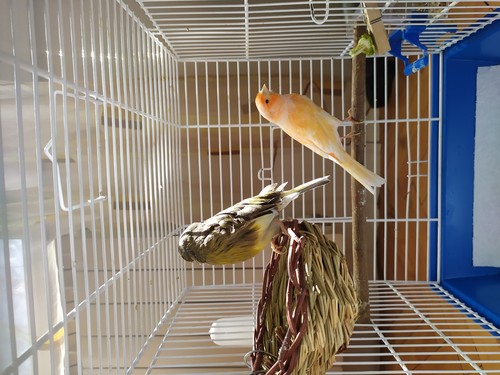
Domestic Canary identified by the community
Real birds identified with Bird Identifier.


Other birds you may enjoy
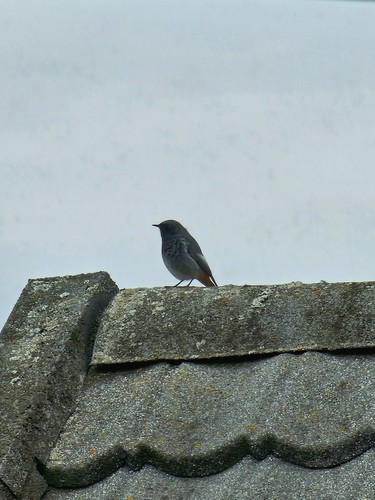
Black Redstart
13-14.5 cm (5.1-5.7 in) long, 23-26 cm wingspan
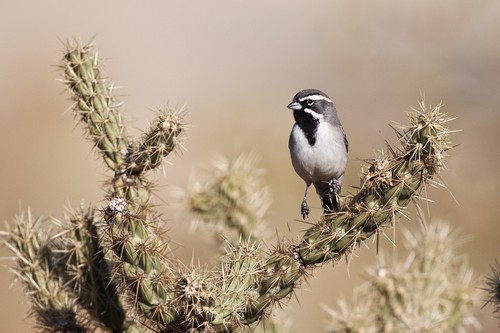
Black-throated Sparrow
12-14 cm (4.7-5.5 in) long, about 19-20 cm (7.5-8 in) wingspan
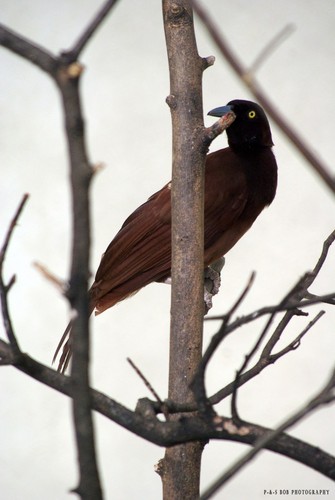
Greater Bird-of-paradise
Body about 43 cm; males with additional flank plumes up to 50 cm and long tail wires
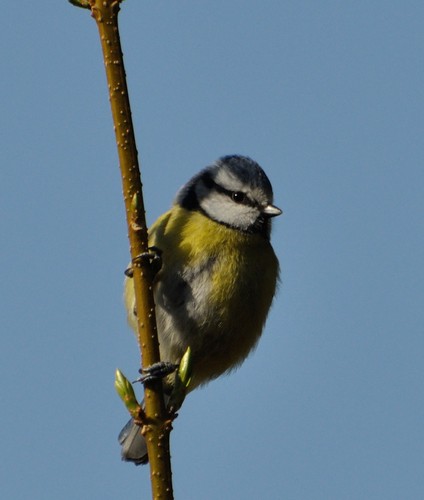
Blue Tit
11-12 cm (4.3-4.7 in) long, 17-20 cm wingspan
Red-billed Quelea
11.5–13 cm long, wingspan about 20–22 cm
White-plumed Antbird
13-14 cm (5-5.5 in) long
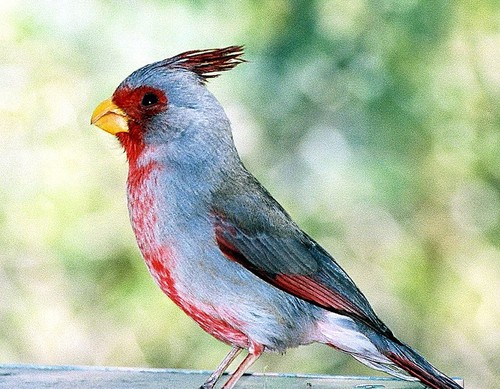
Pyrrhuloxia
19-22 cm (7.5-8.7 in) long, 30 cm wingspan
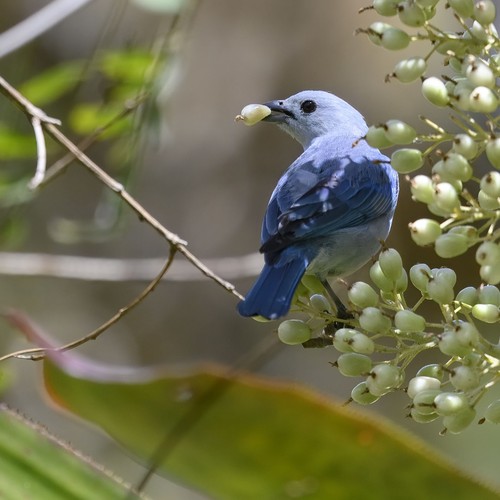
Blue-gray Tanager
16-18 cm (6-7 in) long
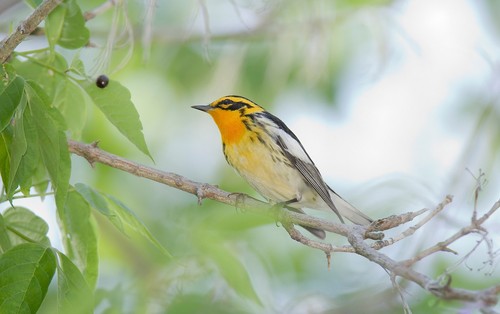
Blackburnian Warbler
11-13 cm (4.3-5.1 in) long, 20-22 cm wingspan
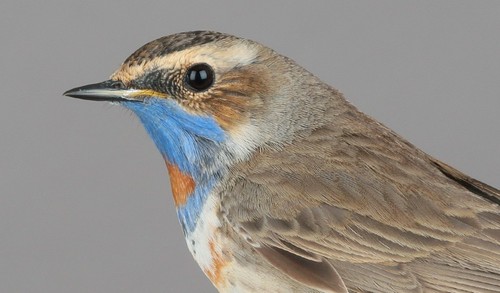
Bluethroat
13-14 cm (5.1-5.5 in) long, 20-22 cm wingspan
Eurasian Nuthatch
12-14.5 cm (4.7-5.7 in) long, 22.5-27 cm wingspan
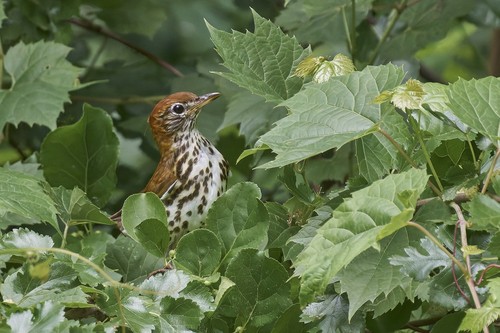
Wood Thrush
19-21 cm (7.5-8.3 in) long, about 33 cm (13 in) wingspan