
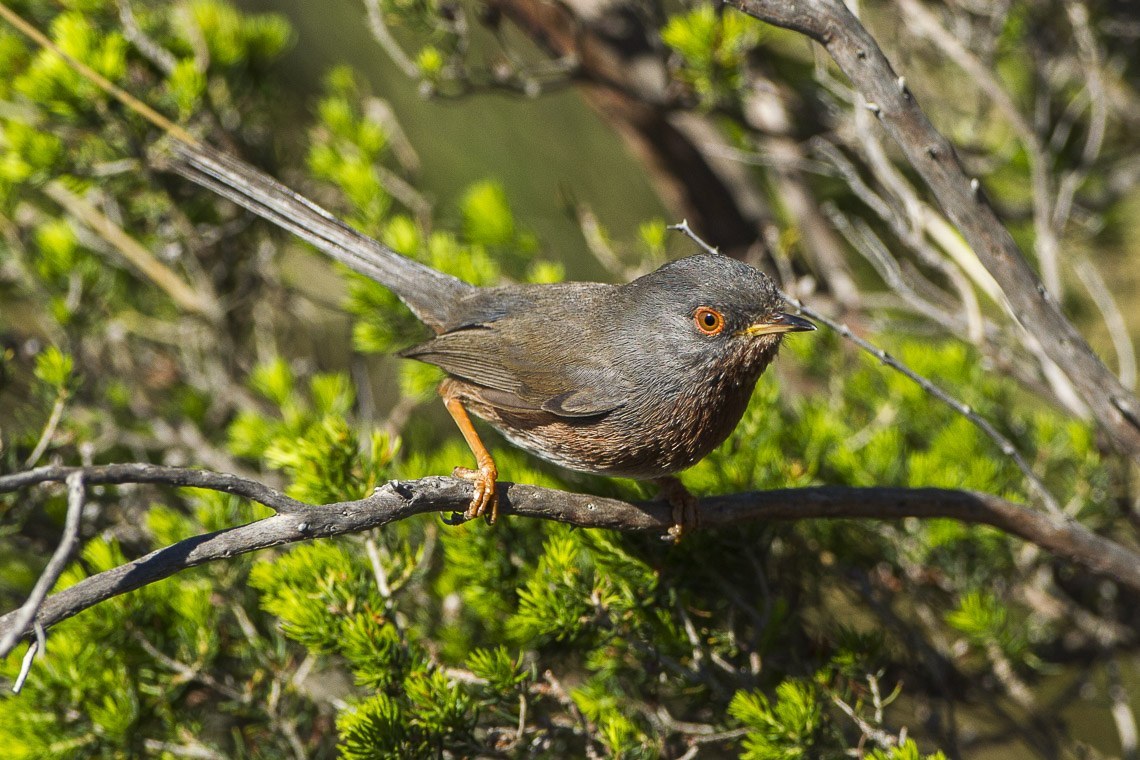
Dartford Warbler
Curruca undata
A small, dark, long-tailed warbler of gorse-covered heathland, notable for its deep wine-red underparts and its unusual habit of staying put year-round rather than migrating.
- Size
- 12-13 cm (4.7-5 in) long, 12-17 cm wingspan
- Habitat
- lowland heathland with gorse and heather
- Type
- songbird
Spotted a bird like this?
Identify any bird from a photo, free.
Overview
The Dartford Warbler is a small, dark warbler with a distinctly long tail relative to its compact body, giving it a rather scruffy, cocked-tail silhouette as it perches atop a gorse bush. Males show deep wine-red to maroon underparts contrasting with dark slate-grey upperparts, a red eye-ring, and a red eye, while females are somewhat duller and browner.
Unlike almost all other European warblers, the Dartford Warbler is largely non-migratory, remaining on its breeding heathland through the winter. This makes it highly vulnerable to cold snaps and severe winters, which can cause dramatic population crashes.
It is a restless, often skulking bird, diving into cover at the first sign of disturbance, though males will perch conspicuously atop gorse to sing and survey their territory.
How to identify it
Key field marks
- Small size with a proportionally long, often cocked tail
- Dark slate-grey upperparts
- Deep wine-red to maroon underparts in males, duller in females
- Red eye-ring and reddish-orange eye
- Fine, thin dark bill
Similar species
- Common Whitethroat: larger, with a white throat and chestnut wing panel, and does not share the Dartford Warbler's dark, wine-toned underparts.
- Stonechat: superficially similar in habitat but has an orange breast, white neck patch, and a much shorter tail with a distinctly different, plumper shape.
- No other resident European warbler shares this combination of small size, long cocked tail, and dark maroon underparts.
Habitat & range
Dartford Warblers are largely restricted to lowland heathland with a mix of mature gorse (for shelter and winter feeding) and heather (for nesting and summer foraging), found patchily across southern and western Europe, with the northern edge of the range reaching southern England.
As a non-migratory, resident species, populations are sensitive to habitat loss and fragmentation as well as to severe winter weather, which can cause up to 80-90% mortality in especially cold years, followed by slow recovery.
Conservation of heathland habitat has been important in maintaining and expanding populations at the northern edge of the range.
Behavior & voice
Voice
The song is a fast, scratchy, chattering warble, somewhat similar to a Common Whitethroat's but often delivered from a perch atop gorse or during a brief song-flight. The call is a distinctive harsh, buzzy "tchirr" or churring note.
Feeding
Insects and spiders are gleaned from gorse and heather foliage, with birds working low through dense cover for much of the year, relying especially on gorse for shelter and food during winter months.
Nesting and breeding
The nest is a small cup built low in dense gorse or heather. Clutches typically contain three to five eggs, and pairs may raise multiple broods in a good season, helping populations recover quickly after mild winters.
Frequently asked questions
How do you identify a Dartford Warbler?
Look for a small, dark warbler with a long, often cocked tail, deep wine-red underparts, dark grey upperparts, and a red eye-ring, typically seen perched atop gorse on heathland.
Do Dartford Warblers migrate?
No, unlike most European warblers, Dartford Warblers are largely resident year-round, remaining on their heathland territories through winter.
Why are Dartford Warbler numbers so variable?
As non-migratory birds, they are highly vulnerable to cold winters, which can cause severe population crashes; numbers then recover over subsequent mild breeding seasons.
What habitat does the Dartford Warbler need?
It depends on lowland heathland with a mix of mature gorse for shelter and food, and heather for nesting and summer foraging.
What does a Dartford Warbler eat?
It feeds on insects and spiders gleaned from gorse and heather, particularly relying on gorse for food during colder months.
Dartford Warbler guides
In-depth guides for identifying, finding, and understanding Dartford Warbler.
Other birds you may enjoy
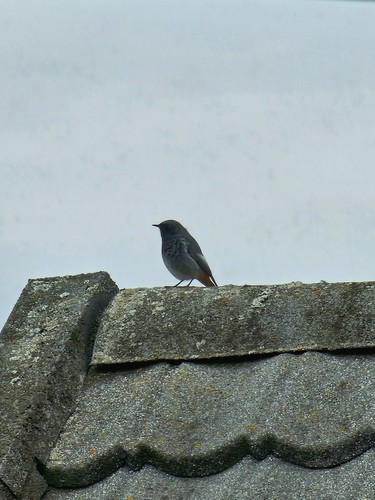
Black Redstart
13-14.5 cm (5.1-5.7 in) long, 23-26 cm wingspan
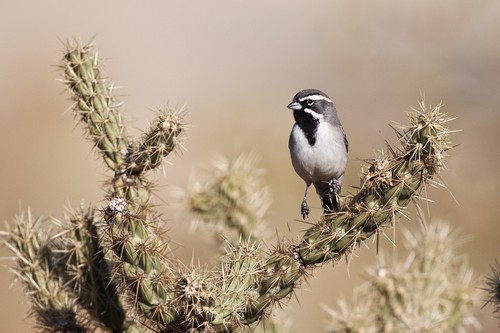
Black-throated Sparrow
12-14 cm (4.7-5.5 in) long, about 19-20 cm (7.5-8 in) wingspan
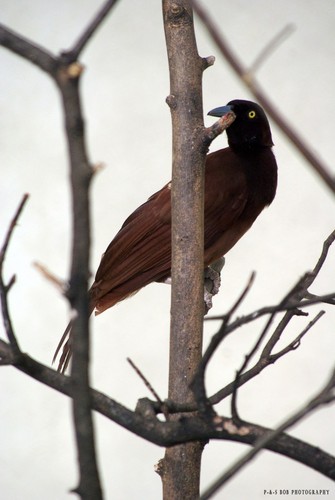
Greater Bird-of-paradise
Body about 43 cm; males with additional flank plumes up to 50 cm and long tail wires
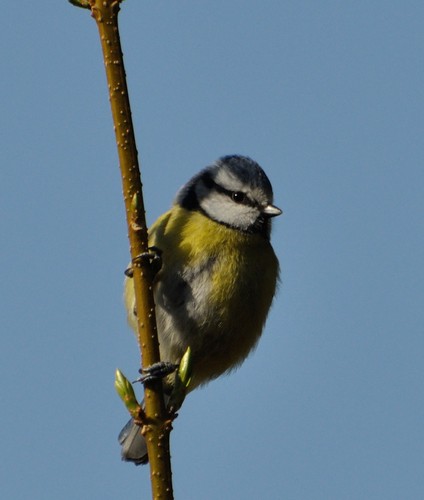
Blue Tit
11-12 cm (4.3-4.7 in) long, 17-20 cm wingspan
Red-billed Quelea
11.5–13 cm long, wingspan about 20–22 cm
White-plumed Antbird
13-14 cm (5-5.5 in) long
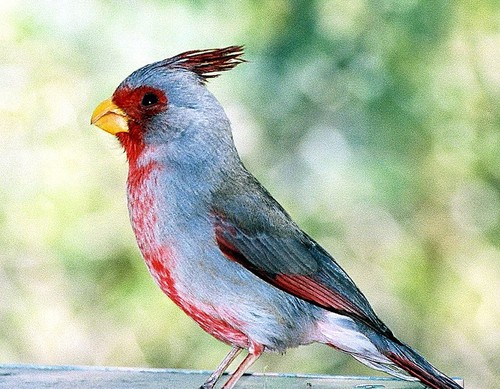
Pyrrhuloxia
19-22 cm (7.5-8.7 in) long, 30 cm wingspan
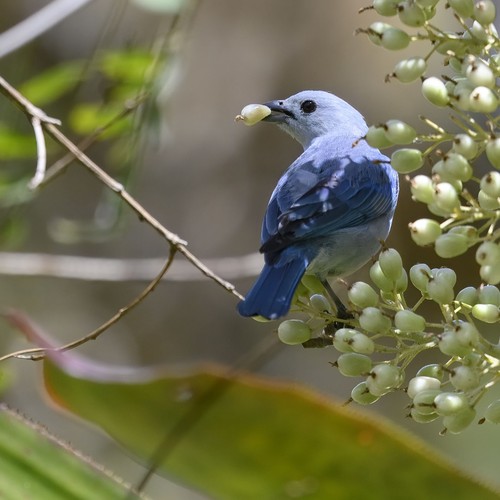
Blue-gray Tanager
16-18 cm (6-7 in) long
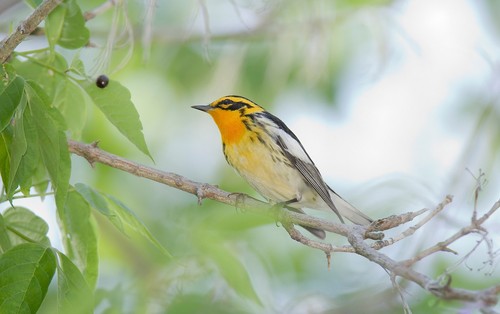
Blackburnian Warbler
11-13 cm (4.3-5.1 in) long, 20-22 cm wingspan
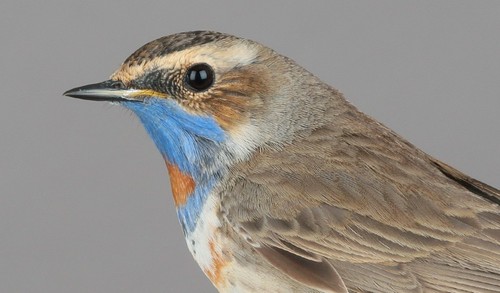
Bluethroat
13-14 cm (5.1-5.5 in) long, 20-22 cm wingspan
Eurasian Nuthatch
12-14.5 cm (4.7-5.7 in) long, 22.5-27 cm wingspan
Wood Thrush
19-21 cm (7.5-8.3 in) long, about 33 cm (13 in) wingspan