
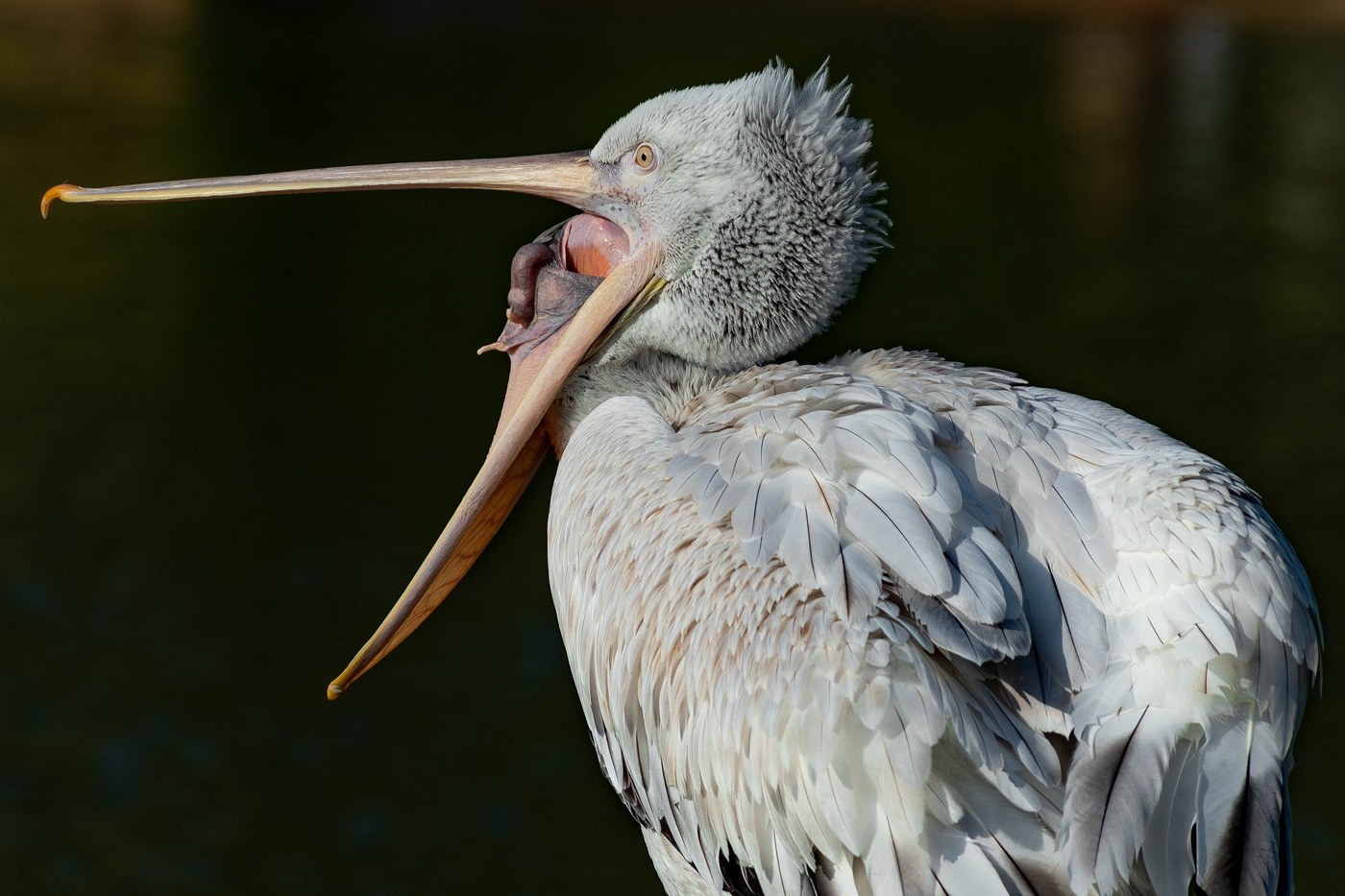
Dalmatian Pelican
Pelecanus crispus
The largest of the world's pelican species, a greyish-white giant with shaggy curled nape feathers and a striking orange-red pouch, once seriously threatened but now slowly recovering.
- Size
- 160-183 cm (63-72 in) long, 245-295 cm wingspan
- Habitat
- freshwater lakes, deltas, and wetlands from southeastern Europe to Central Asia
- Type
- seabird
Spotted a bird like this?
Identify any bird from a photo, free.
Overview
The Dalmatian Pelican is the largest member of the pelican family and among the heaviest flying birds on Earth. It is a bird of freshwater wetlands stretching from southeastern Europe across Central Asia, and its population has been the focus of significant conservation efforts after historic declines.
Appearance
Adults have greyish-white plumage, distinctly shaggier and curlier than other pelicans, especially on the nape, with a pale eye, grey legs, and a large bill with an orange-red pouch that becomes especially vivid during the breeding season.
How to identify it
Key field marks
- Very large size, the biggest pelican species
- Shaggy, curly nape feathers, giving a somewhat unkempt crest
- Grey legs (unlike the pink legs of the Great White Pelican)
- Pale, silvery-grey overall tone rather than pure white
- Orange-red pouch, brightest in the breeding season
Similar species
Compared to the Great White Pelican, the Dalmatian Pelican looks greyer and shaggier, with grey rather than pink legs and a curlier crest of nape feathers.
Habitat & range
Habitat and range
Dalmatian Pelicans breed on freshwater lakes, river deltas, and marshes from the Balkans and Black Sea region eastward across Central Asia to parts of China and Mongolia. Northern populations are migratory, wintering in warmer wetlands further south, including parts of the eastern Mediterranean, the Middle East, and South Asia.
The species suffered severe historical declines due to wetland drainage, hunting, and disturbance, but targeted conservation efforts, including protected breeding sites and artificial nesting platforms, have helped stabilize numbers in parts of its range.
Behavior & voice
Behavior
Dalmatian Pelicans forage mainly by swimming and scooping fish with their large pouches, sometimes fishing cooperatively in small groups similar to the Great White Pelican, though generally less synchronized.
Voice
Adults are largely silent, giving occasional low grunts near the nest; chicks produce squealing begging calls.
Nesting and breeding
They nest in colonies on reedbeds, small islands, or floating platforms within large wetlands, building bulky nests of reeds and sticks. Typically two eggs are laid, and successful breeding is closely tied to stable water levels and protection from disturbance.
Frequently asked questions
Is the Dalmatian Pelican the largest pelican species?
Yes, it is the largest of all pelican species and among the heaviest flying birds in the world.
How do you tell a Dalmatian Pelican from a Great White Pelican?
The Dalmatian Pelican looks greyer and shaggier with curly nape feathers and grey legs, while the Great White Pelican is whiter with pink legs.
Why is the Dalmatian Pelican Near Threatened?
Historic wetland drainage, hunting, and disturbance caused major population declines; conservation efforts have helped it recover from a more severe threatened status, but it remains vulnerable to habitat loss.
Where does the Dalmatian Pelican live?
On freshwater lakes, deltas, and wetlands stretching from southeastern Europe across Central Asia to parts of China and Mongolia.
Dalmatian Pelican guides
In-depth guides for identifying, finding, and understanding Dalmatian Pelican.
Other birds you may enjoy
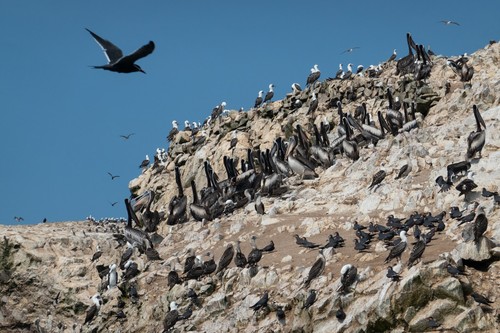
Peruvian Pelican
137-152 cm (54-60 in) long, up to 228 cm wingspan
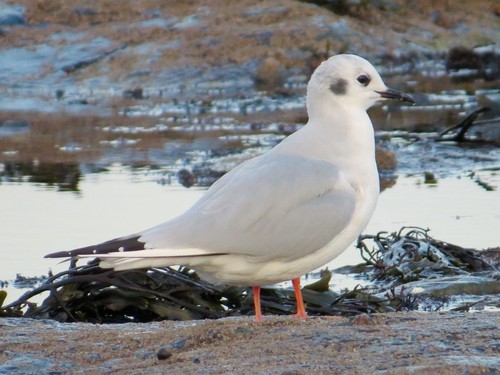
Bonaparte's Gull
28-33 cm (11-13 in) long, 76-84 cm wingspan

Brown Pelican
106-137 cm (42-54 in) long, 200-230 cm wingspan
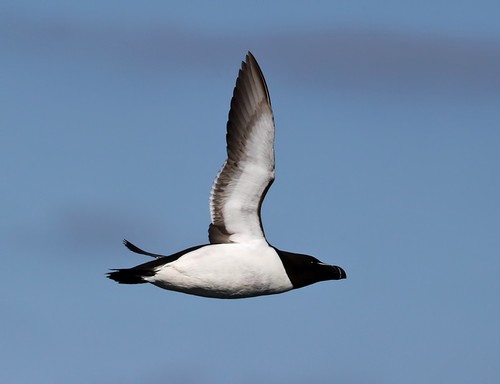
Razorbill
37-39 cm (15-15.5 in) long, 63-68 cm wingspan
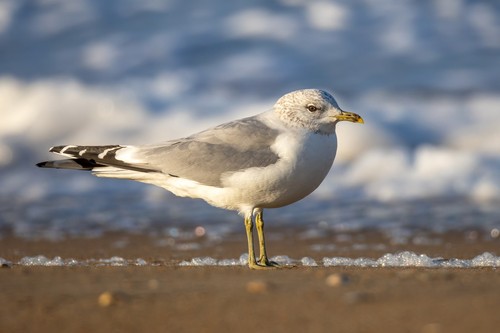
Common Gull
40-46 cm (16-18 in) long, 110-130 cm wingspan
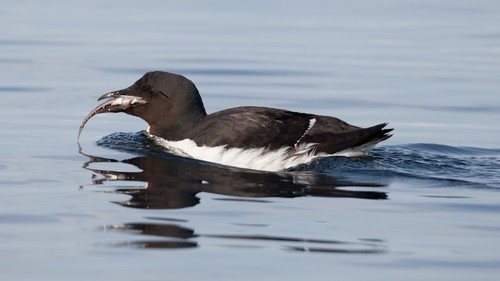
Thick-billed Murre
40-48 cm (16-19 in) long, 65-75 cm wingspan
Western Gull
55-68 cm (22-27 in) long, 130-144 cm wingspan
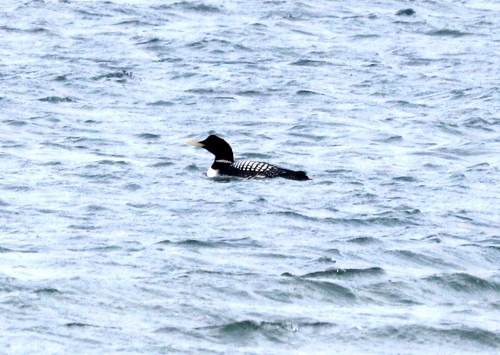
Yellow-billed Loon
76-97 cm (30-38 in) long, 135-152 cm wingspan
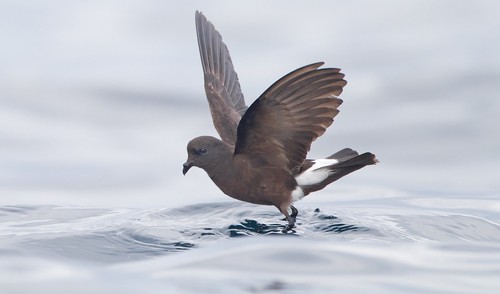
Wilson's Storm-Petrel
15-19 cm (6-7.5 in) long, wingspan 38-42 cm (15-16.5 in)
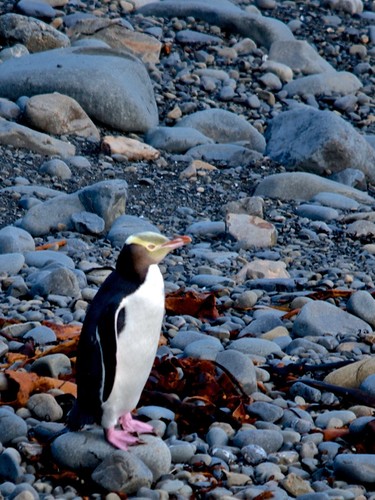
Yellow-eyed Penguin
62-79 cm (24-31 in) tall, 3-8.5 kg (6.6-18.7 lb)
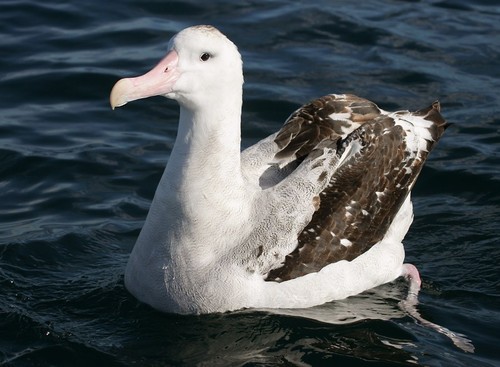
Wandering Albatross
107-135 cm (42-53 in) long, wingspan up to 3.5 m (11.5 ft)
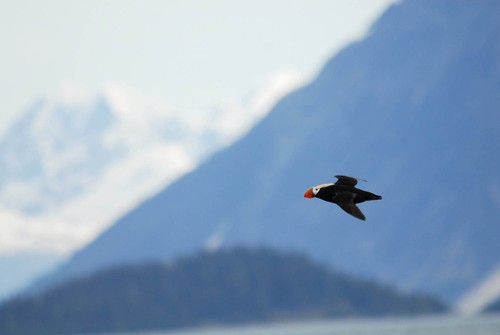
Tufted Puffin
35-41 cm (14-16 in) long, about 63-70 cm wingspan