
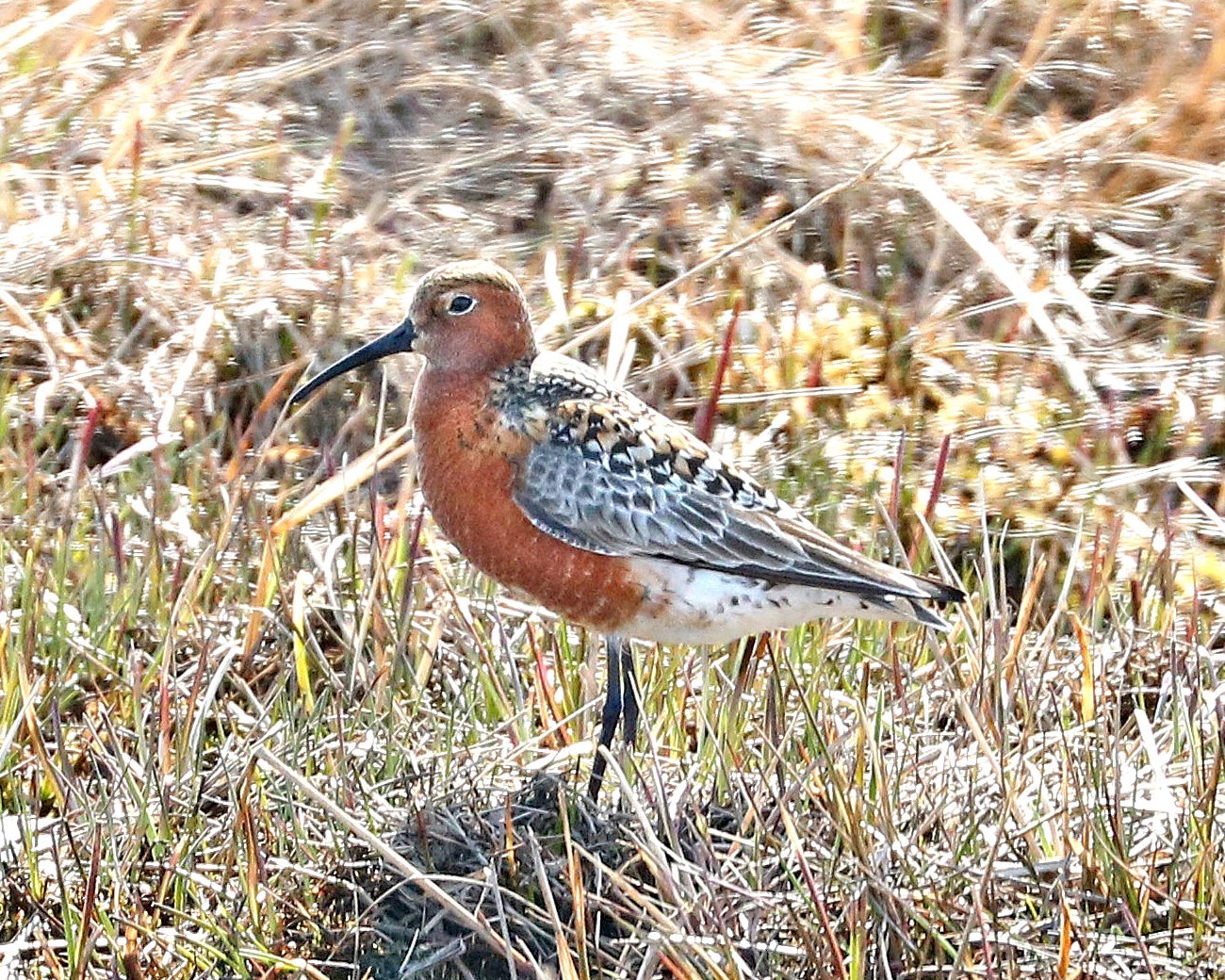
Curlew Sandpiper
Calidris ferruginea
A graceful sandpiper with a long, evenly curved bill and, in breeding plumage, a rich brick-red body unlike any other small sandpiper.
- Size
- 18-23 cm (7-9 in) long, 38-46 cm wingspan
- Habitat
- coastal mudflats and wetlands, breeding on Siberian tundra
- Type
- shorebird
Spotted a bird like this?
Identify any bird from a photo, free.
Overview
The Curlew Sandpiper is an elegant, long-legged wader named for its bill, which curves downward evenly along its length like a miniature version of a curlew's. This gentle curve, combined with longer legs than most similar species, gives the bird a graceful, attenuated silhouette.
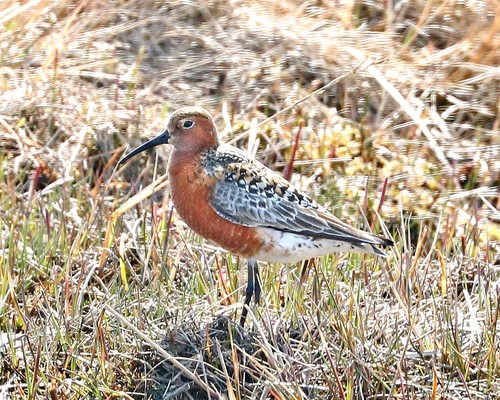
Breeding adults are strikingly beautiful, with a rich brick-red or chestnut color covering the head, neck, breast, and much of the upperparts — a plumage shared by no other common small sandpiper. Nonbreeding birds are much plainer, pale gray above and white below, similar to a Dunlin but distinguished by bill shape, leg length, and a clean white rump visible in flight.
How to identify it
Key field marks
- Long bill with an even downward curve along its entire length
- Rich brick-red/chestnut plumage in breeding season — unique among common small sandpipers
- White rump visible in flight (unlike Dunlin's gray rump)
- Longer legs than Dunlin, giving a more elegant stance
- Pale gray upperparts, white underparts in nonbreeding plumage
Similar species
- Dunlin: shorter, less evenly curved bill with more droop concentrated near the tip, gray (not white) rump, and shorter legs; nonbreeding Curlew Sandpiper and Dunlin can look quite similar and require careful comparison of rump color and leg length.
- Red Knot: much larger and stockier, with a short, straight bill.
Habitat & range
Habitat
Curlew Sandpipers favor coastal mudflats, estuaries, and adjacent wetlands, often mixing with Dunlin and other small sandpipers.
Range and migration
They breed on remote tundra in Siberia and migrate long distances to winter mainly in Africa, South Asia, and Australia, with smaller numbers wintering elsewhere. The species occurs as a rare but regular vagrant in North America and Europe outside its core breeding range.
Behavior & voice
Behavior
Curlew Sandpipers often forage alongside Dunlin and other sandpipers, wading into slightly deeper water than many of their relatives thanks to their longer legs.
Voice
The flight call is a soft, rippling "chirrup" or trilling "kirrik," distinct from the harsher calls of Dunlin.
Feeding
They probe deeply into soft mud and shallow water for insects, small crustaceans, and mollusks, using their long, curved bill to reach prey other shorebirds might miss.
Nesting and breeding
Pairs nest on the ground on remote Arctic tundra in Siberia, in a shallow scrape typically lined with lichen; clutch size is usually four eggs, and incubation is shared, though details of breeding biology are less well studied than for many other Arctic shorebirds due to the remoteness of the breeding range.
Frequently asked questions
How do you identify a Curlew Sandpiper?
Look for a long, evenly downcurved bill, longer legs than a Dunlin, and — in breeding plumage — an unmistakable rich brick-red body color found in no other common small sandpiper.
How does a Curlew Sandpiper differ from a Dunlin?
Curlew Sandpiper has a more evenly curved bill, longer legs, and a white rump in flight, compared to Dunlin's shorter, tip-drooped bill and gray rump.
Where does the Curlew Sandpiper breed?
On remote tundra in Siberia.
Where do Curlew Sandpipers spend the winter?
Mainly in Africa, South Asia, and Australia, after migrating long distances from their Siberian breeding grounds.
Is the Curlew Sandpiper considered at risk?
It is classified as Near Threatened, reflecting population declines linked to habitat loss along its migratory and wintering coastal wetlands.
Curlew Sandpiper guides
In-depth guides for identifying, finding, and understanding Curlew Sandpiper.
Other birds you may enjoy
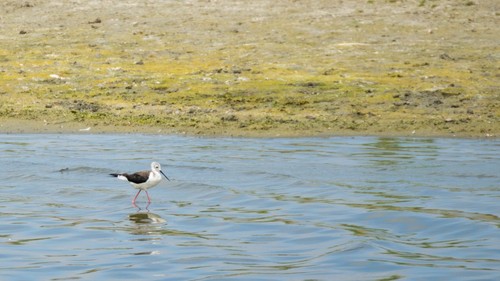
Black-winged Stilt
33-36 cm (13-14 in) long, wingspan 67-83 cm
Willet
33-41 cm (13-16 in) long, 65-70 cm wingspan
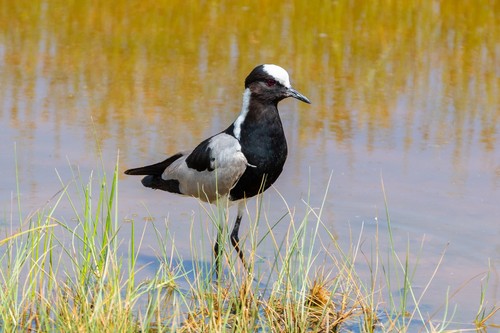
Blacksmith Lapwing
Body length about 30 cm; wingspan 55-65 cm
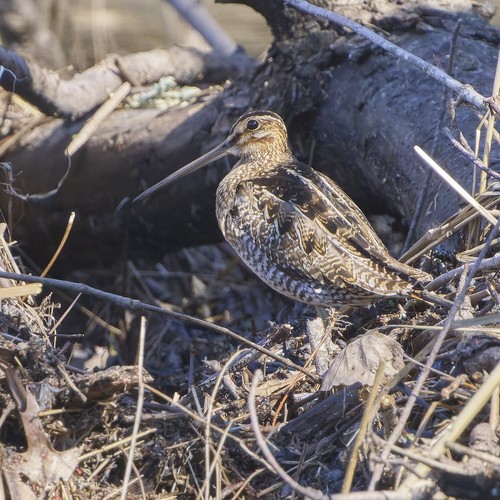
Wilson's Snipe
25-30 cm (10-12 in) long, 39-45 cm wingspan
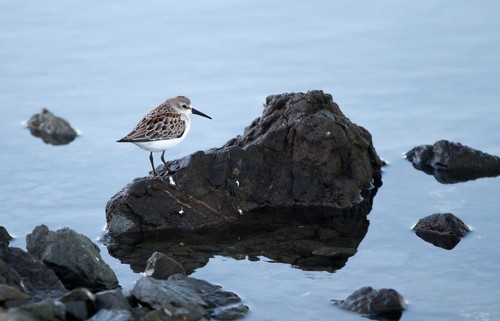
Western Sandpiper
14-17 cm (5.5-6.7 in) long, 28-37 cm wingspan
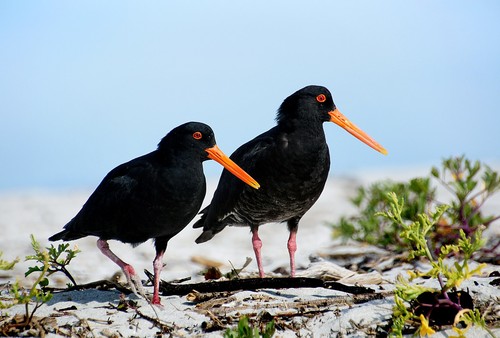
Variable Oystercatcher
46-49 cm (18-19 in) long
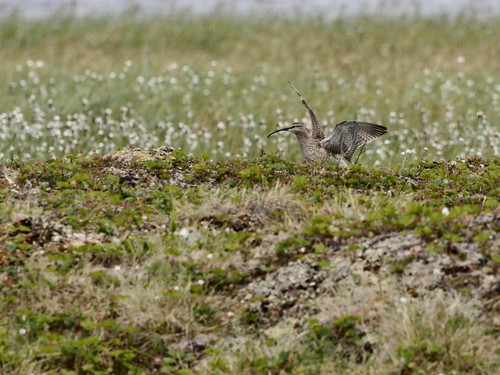
Whimbrel
40-46 cm (16-18 in) long, 76-89 cm wingspan
Wilson's Phalarope
22-24 cm (8.5-9.5 in) long, 37-43 cm wingspan
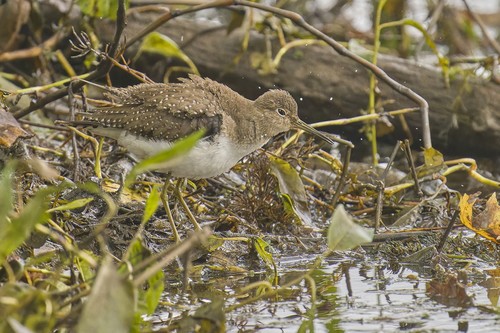
Solitary Sandpiper
19-23 cm (7.5-9 in) long, 50-56 cm wingspan
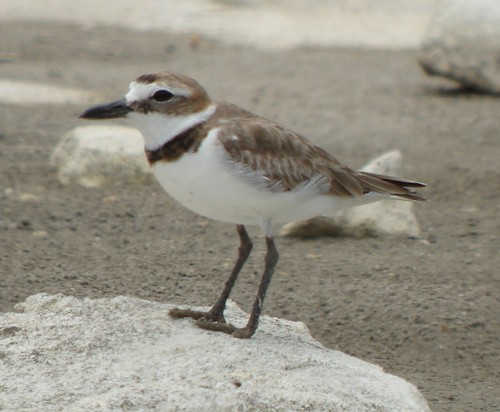
Wilson's Plover
17-19 cm (6.7-7.5 in) long, 45-50 cm wingspan
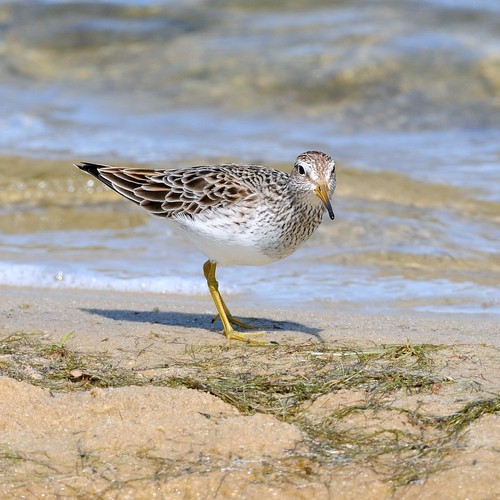
Pectoral Sandpiper
19-23 cm (7.5-9 in) long, 43-49 cm wingspan
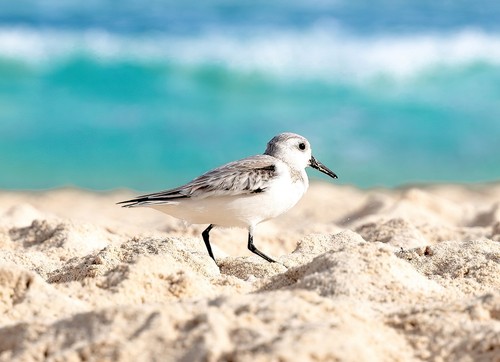
Sanderling
18-20 cm (7-8 in) long, 40-43 cm wingspan