
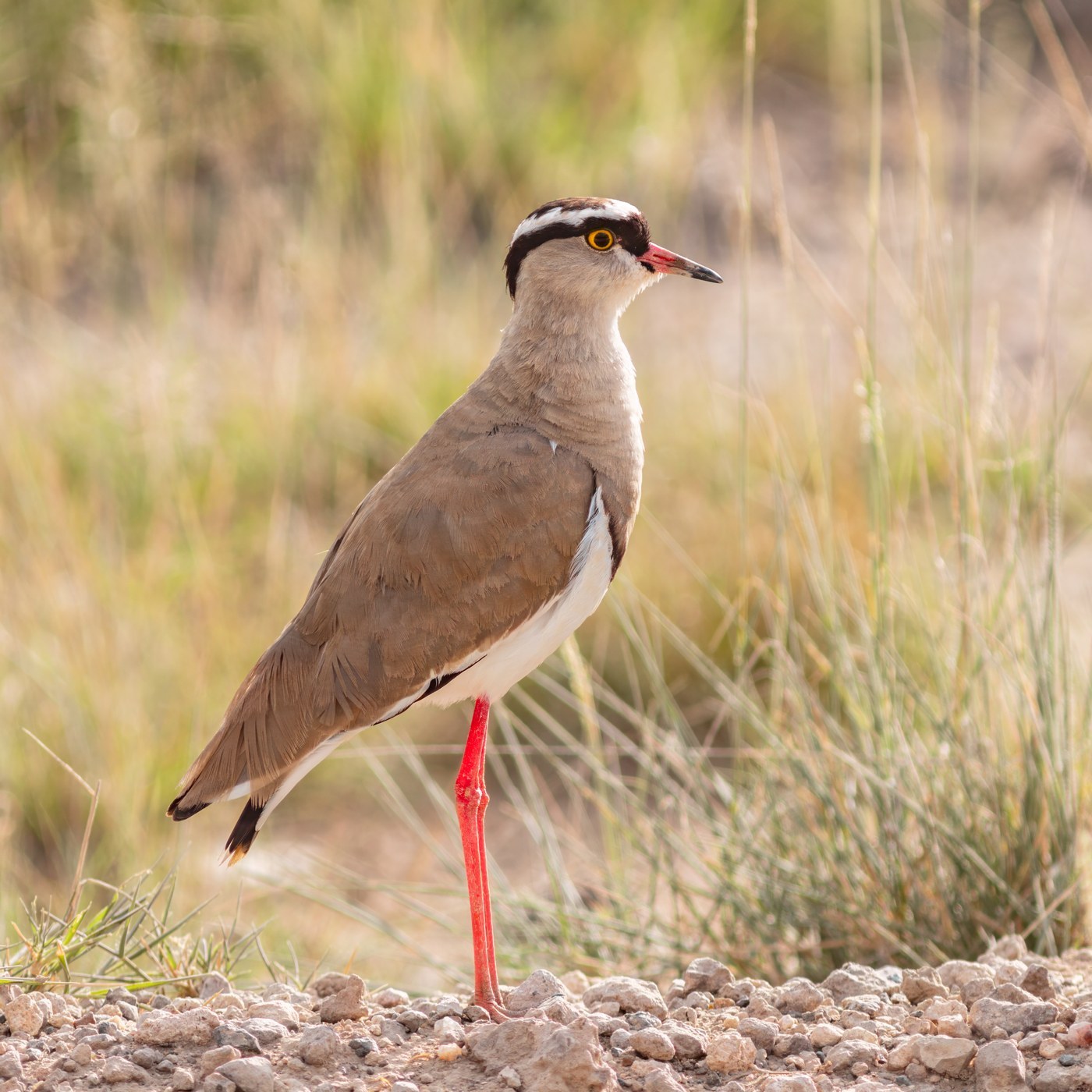
Crowned Lapwing
Vanellus coronatus
The Crowned Lapwing is a common African grassland plover easily recognized by the black-and-white ring encircling its head and its loud, repetitive calls.
- Size
- Body length about 30 cm; wingspan 60-65 cm
- Habitat
- Open short grassland, dry savanna, and farmland across eastern and southern Africa
- Type
- shorebird
Spotted a bird like this?
Identify any bird from a photo, free.
Overview
The Crowned Lapwing is one of the most widespread and familiar lapwings of open country in eastern and southern Africa, often seen standing conspicuously in short grassland.
Appearance
- Sandy-brown upperparts and breast
- White belly
- Black cap encircled by a neat white ring at its base, giving the "crowned" look
- Red eye-ring and a red-based, black-tipped bill
- Long, dull red-pink legs
How to identify it
Key field marks
- White ring around the black cap is diagnostic
- Plain brown back and breast, white belly
- Red eye-ring and red-based bill
- In flight shows a white wing-stripe, black flight feathers, and a black tail band
Similar species
Black-winged Lapwing and Senegal Lapwing lack the white ring around the crown. The Crowned Lapwing is the most widespread lapwing across much of southern and eastern Africa's dry, open habitats.
Habitat & range
Range
Found across eastern and southern Africa, from Kenya and Tanzania south to South Africa.
Habitat
Prefers short, open grassland, dry savanna, farmland, and even mown areas such as airfields and sports fields.
Movement
Mostly resident, with local movements linked to rainfall and grass growth.
Behavior & voice
Behavior
Often encountered in pairs or small groups standing alert in open ground, frequently active at dusk and into the night.
Voice
Gives a loud, sharp, penetrating "kreeep" or "kree-kree-kree" call, often heard after dark.
Feeding
Forages on the ground using a run-stop-peck method to catch insects and other invertebrates.
Nesting and breeding
Nests in a shallow scrape on bare open ground, relying on cryptic egg coloration and aggressive mobbing of predators to protect the nest.
Frequently asked questions
What gives the Crowned Lapwing its name?
A neat white ring encircles the base of its black cap, giving the appearance of a crown.
Where does the Crowned Lapwing live?
It inhabits open short grassland, dry savanna, and farmland across eastern and southern Africa.
Is the Crowned Lapwing active at night?
Yes, it is often heard calling loudly after dark and is active at dusk and night as well as during the day.
What does the Crowned Lapwing eat?
It feeds mainly on insects and other invertebrates picked from the ground.
Crowned Lapwing guides
In-depth guides for identifying, finding, and understanding Crowned Lapwing.
Other birds you may enjoy
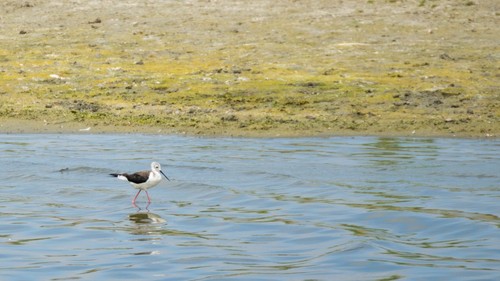
Black-winged Stilt
33-36 cm (13-14 in) long, wingspan 67-83 cm
Willet
33-41 cm (13-16 in) long, 65-70 cm wingspan
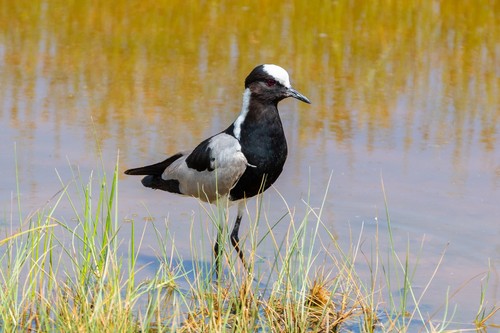
Blacksmith Lapwing
Body length about 30 cm; wingspan 55-65 cm
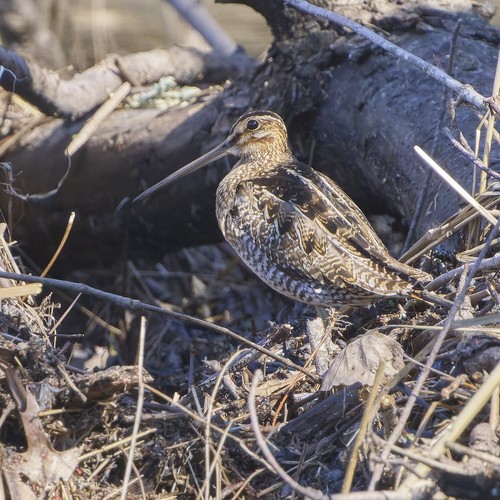
Wilson's Snipe
25-30 cm (10-12 in) long, 39-45 cm wingspan
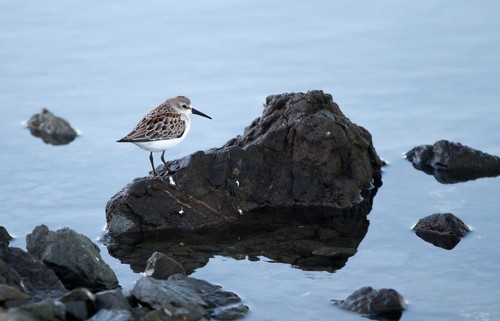
Western Sandpiper
14-17 cm (5.5-6.7 in) long, 28-37 cm wingspan
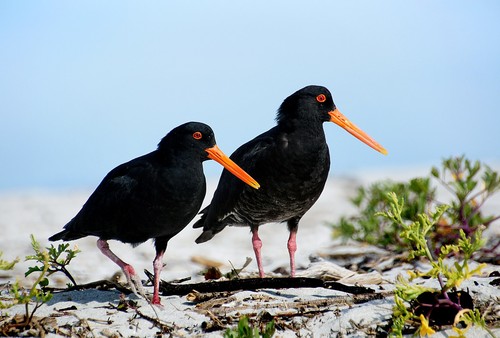
Variable Oystercatcher
46-49 cm (18-19 in) long
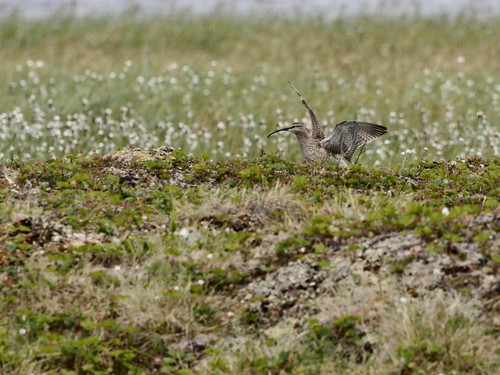
Whimbrel
40-46 cm (16-18 in) long, 76-89 cm wingspan
Wilson's Phalarope
22-24 cm (8.5-9.5 in) long, 37-43 cm wingspan
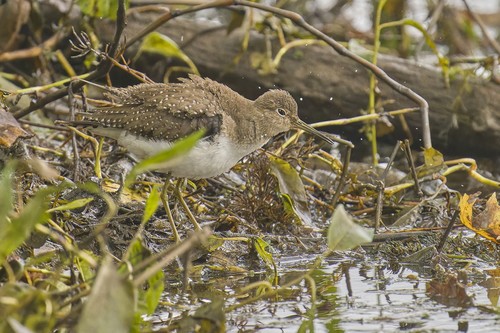
Solitary Sandpiper
19-23 cm (7.5-9 in) long, 50-56 cm wingspan
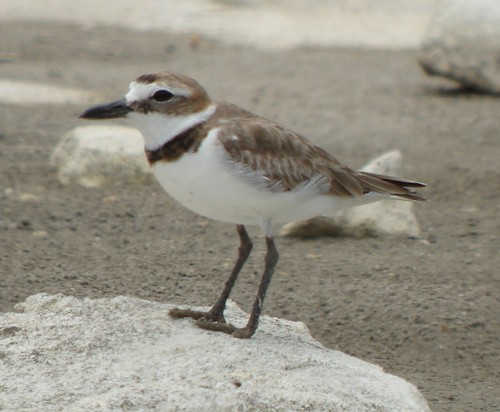
Wilson's Plover
17-19 cm (6.7-7.5 in) long, 45-50 cm wingspan
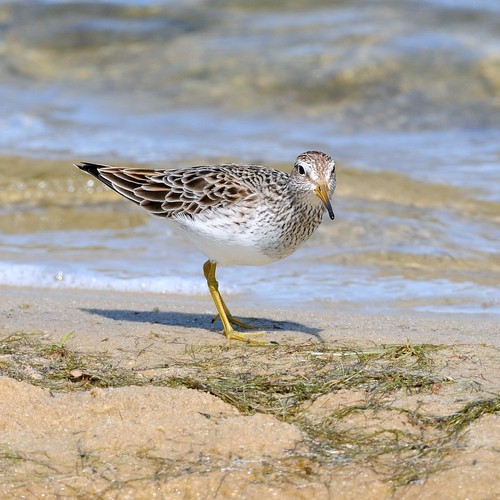
Pectoral Sandpiper
19-23 cm (7.5-9 in) long, 43-49 cm wingspan
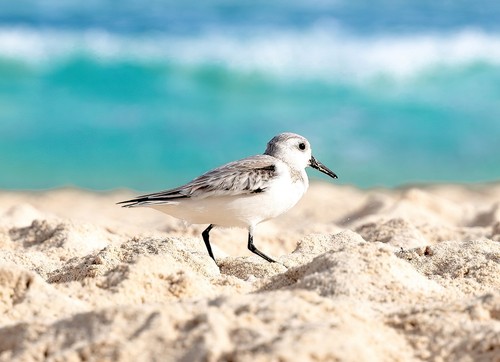
Sanderling
18-20 cm (7-8 in) long, 40-43 cm wingspan