
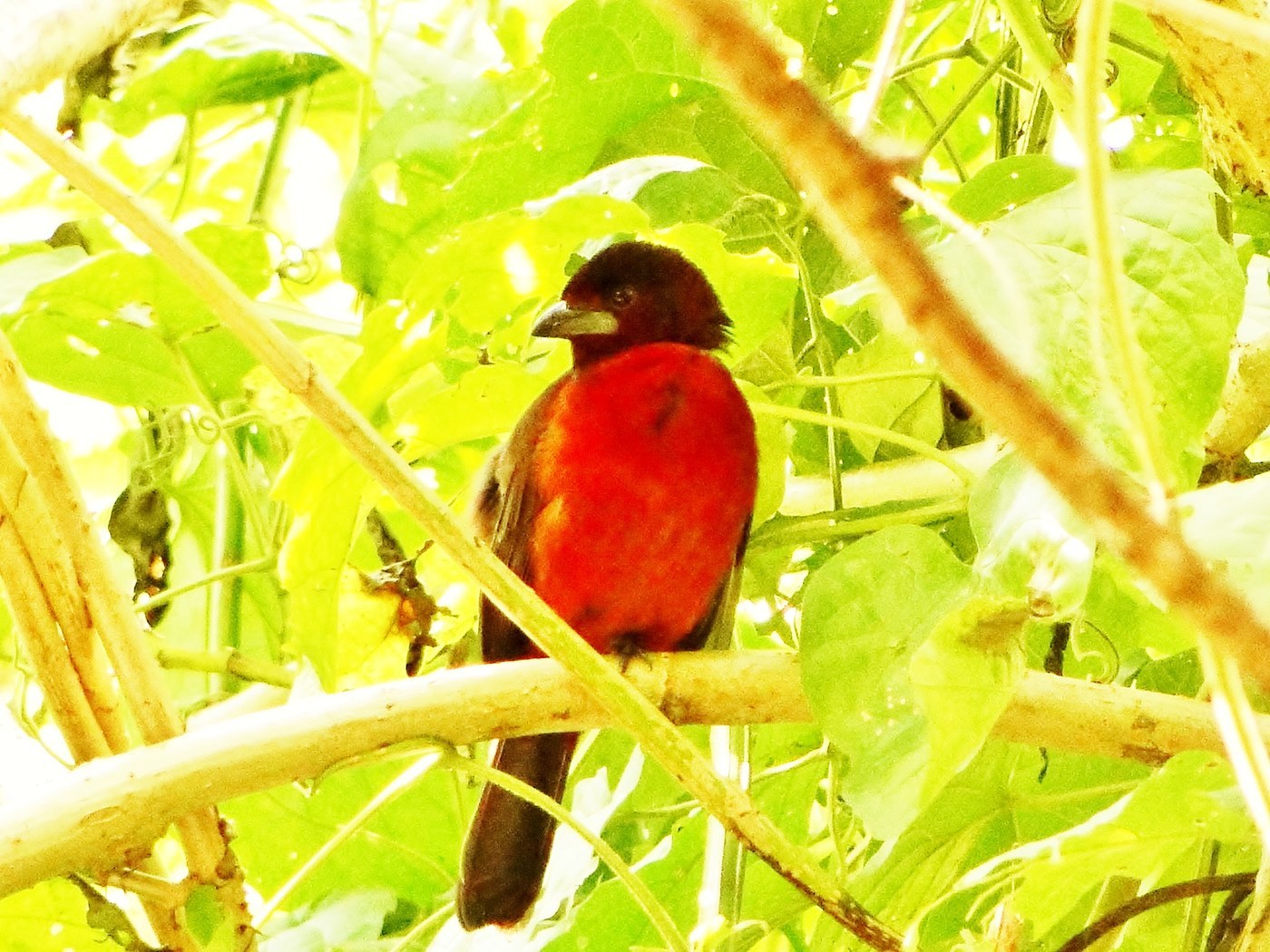
Crimson-backed Tanager
Ramphocelus dimidiatus
A striking black tanager with a fiery crimson back and lower underparts, common in gardens and edge habitats of northern South America.
- Size
- 18-19 cm (7-7.5 in) long, 25-27 cm wingspan
- Habitat
- forest edges, gardens, shrubby clearings, and second growth
- Type
- songbird
Spotted a bird like this?
Identify any bird from a photo, free.
Overview
The Crimson-backed Tanager is a bold, richly colored songbird found from Panama through Colombia and Venezuela. Males show a deep black hood, wings, and tail contrasted sharply against a glowing crimson-red back, breast, and belly, creating a striking two-tone pattern. Females and immatures are duller and more uniformly brownish-red, lacking the crisp black-and-crimson contrast of the adult male.
A familiar and adaptable bird, it thrives around human habitation, commonly seen in gardens, parks, and roadside shrubbery, where its bright colors and confiding behavior make it a favorite among local and visiting bird watchers alike.
How to identify it
Key field marks
- Males: black head, wings, and tail contrasting with a crimson-red back, breast, and belly
- Females/immatures: duller brownish-red overall, less contrast
- Thick, dark, conical tanager bill
- Often shows a slightly two-toned bill similar to related Ramphocelus tanagers
Similar species
- Silver-beaked Tanager is red throughout the body rather than sharply two-toned black-and-crimson, and has a distinctive pale lower mandible.
- Scarlet-rumped Tanager shows red confined mainly to the rump, not extending across the belly and breast as in the Crimson-backed Tanager.
Habitat & range
Habitat
Inhabits forest edges, second growth, shrubby clearings, plantations, and gardens; well adapted to human-altered landscapes.
Range
Found from Panama through Colombia and Venezuela, generally in lowland and foothill areas.
Migration
Resident and non-migratory throughout its range.
Behavior & voice
Behavior
Confiding and often conspicuous, typically seen in pairs or small groups perched in the open at forest edges, gardens, and fruiting trees.
Voice
Gives a sharp, husky "chip" call and a simple, scratchy warbled song, similar to other Ramphocelus tanagers.
Feeding
Feeds mainly on soft fruit and berries, supplemented with insects gleaned from foliage and branches.
Nesting
Builds an open cup nest low in dense shrub or vine tangle; typically lays 2 eggs.
Frequently asked questions
How do you identify a Crimson-backed Tanager?
Look for a black head, wings, and tail contrasting sharply with a crimson-red back, breast, and belly on adult males; females are duller and more uniformly brownish-red.
Where does the Crimson-backed Tanager live?
In forest edges and gardens from Panama through Colombia and Venezuela.
What does a Crimson-backed Tanager eat?
Mostly soft fruit and berries, along with insects gleaned from foliage.
How is the Crimson-backed Tanager different from the Silver-beaked Tanager?
The Crimson-backed Tanager has a sharply two-toned black-and-crimson pattern, while the Silver-beaked Tanager is red throughout the body and has a distinctive pale silvery lower mandible.
Crimson-backed Tanager guides
In-depth guides for identifying, finding, and understanding Crimson-backed Tanager.
Other birds you may enjoy
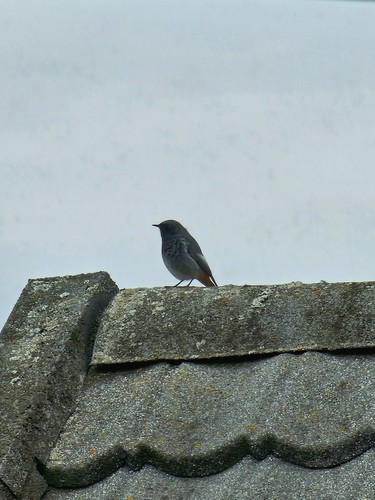
Black Redstart
13-14.5 cm (5.1-5.7 in) long, 23-26 cm wingspan
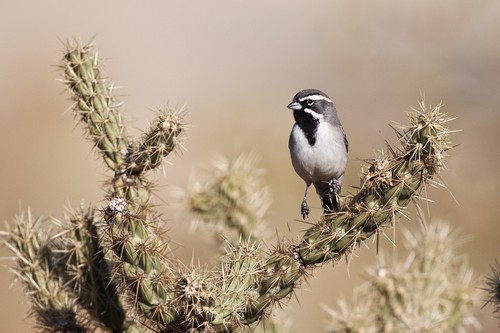
Black-throated Sparrow
12-14 cm (4.7-5.5 in) long, about 19-20 cm (7.5-8 in) wingspan
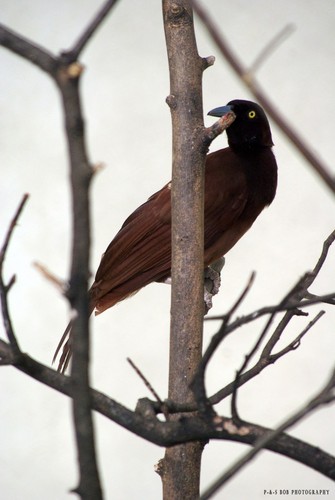
Greater Bird-of-paradise
Body about 43 cm; males with additional flank plumes up to 50 cm and long tail wires
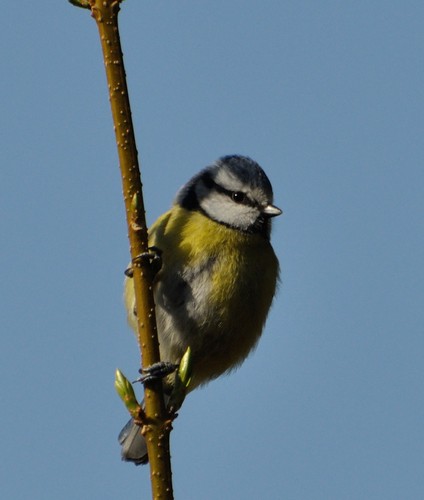
Blue Tit
11-12 cm (4.3-4.7 in) long, 17-20 cm wingspan

Red-billed Quelea
11.5–13 cm long, wingspan about 20–22 cm
White-plumed Antbird
13-14 cm (5-5.5 in) long
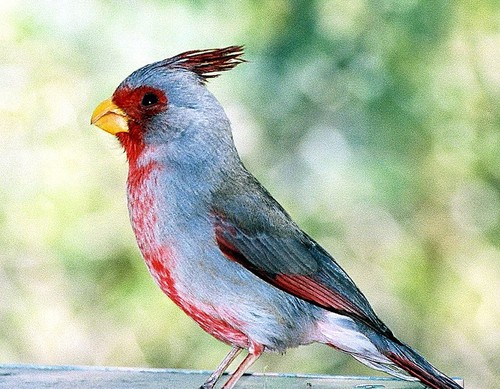
Pyrrhuloxia
19-22 cm (7.5-8.7 in) long, 30 cm wingspan
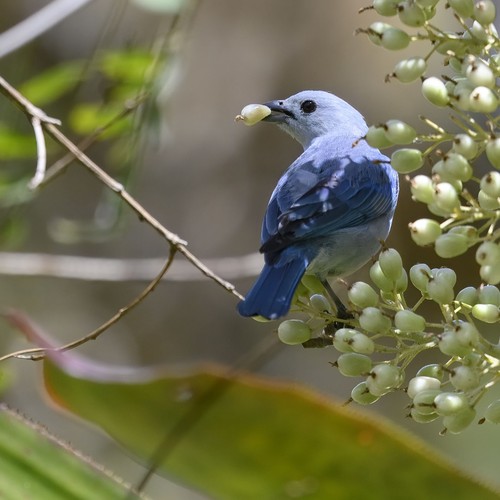
Blue-gray Tanager
16-18 cm (6-7 in) long
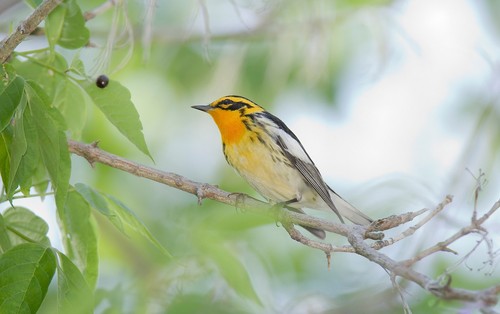
Blackburnian Warbler
11-13 cm (4.3-5.1 in) long, 20-22 cm wingspan
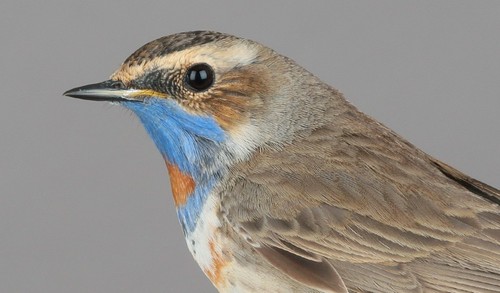
Bluethroat
13-14 cm (5.1-5.5 in) long, 20-22 cm wingspan
Eurasian Nuthatch
12-14.5 cm (4.7-5.7 in) long, 22.5-27 cm wingspan
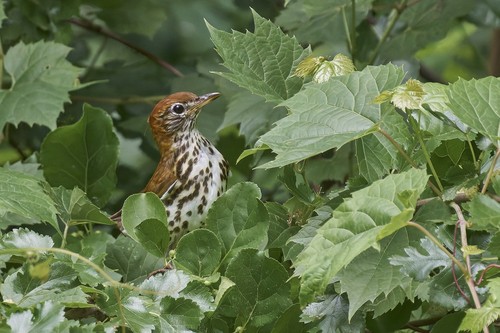
Wood Thrush
19-21 cm (7.5-8.3 in) long, about 33 cm (13 in) wingspan