
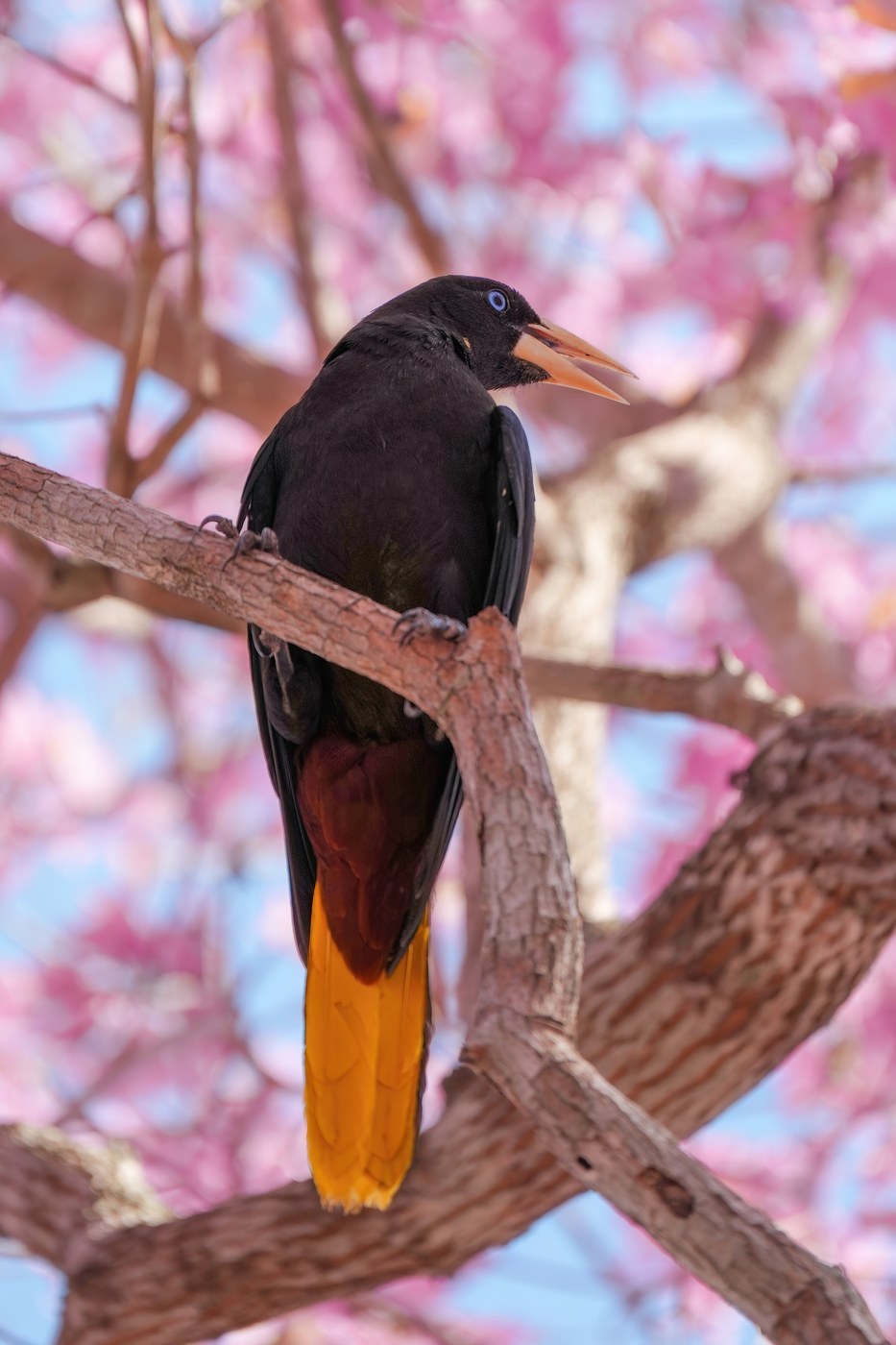
Crested Oropendola
Psarocolius decumanus
A large, glossy black icterid with a chestnut rump, yellow outer tail feathers, and pale blue eyes, famous for its colonial hanging nests and gurgling display song.
- Size
- males 42-46 cm (17-18 in), females 34-36 cm (13.5-14 in) long
- Habitat
- forest edge, clearings, plantations, and gardens
- Type
- songbird
Spotted a bird like this?
Identify any bird from a photo, free.
Overview
The Crested Oropendola is a large, striking icterid found across much of South America, glossy black overall with a contrasting chestnut patch on the lower back and rump and bright yellow outer tail feathers that flash conspicuously in flight. Pale, ice-blue eyes stand out against the dark plumage, and a thin, wispy black crest is often visible on the crown, though it can be difficult to see unless raised. The bill is long, pointed, and pale, tapering to a sharp point.
Highly social, the species nests colonially, with dozens of long, woven, sock-like nests hanging together from a single tree, and males perform an elaborate bowing display accompanied by a bubbling, gurgling song to attract mates, often tipping forward on the perch with wings spread as they call.
How to identify it
Key field marks
- Glossy black body with a chestnut patch on the lower back/rump
- Bright yellow outer tail feathers, conspicuous in flight
- Pale, ice-blue eyes
- Long, pointed, pale bill
- Thin wispy crest on the crown (often inconspicuous)
- Males much larger than females
Similar species
- Montezuma Oropendola is larger with a mostly chestnut body (not black), an orange-red bill tip, and bare blue-and-pink facial skin.
- Russet-backed Oropendola has a more uniformly olive-brown to russet body rather than glossy black with a defined chestnut rump patch.
Habitat & range
Habitat
Inhabits forest edge, clearings, plantations, and gardens, generally avoiding deep unbroken forest interior.
Range
Widespread across South America east of the Andes, from Colombia and Venezuela south through the Amazon basin to Bolivia, Paraguay, and northern Argentina; also on Trinidad.
Migration
Mostly resident, though some populations may move locally in response to food availability.
Behavior & voice
Behavior
Highly colonial and social, nesting in groups of dozens of pairs in a single tree; males display with an exaggerated bowing motion, tipping forward with wings raised while singing to attract females.
Voice
A distinctive liquid, gurgling, bubbling song accompanying the male's bowing display, along with various harsh chattering calls.
Feeding
Feeds on fruit, large insects, and nectar, foraging both in the canopy and at forest edges.
Nesting
Builds long, woven, sock-like hanging nests, often over a meter long, suspended in clusters from the outer branches of a single tall tree; polygynous, with males mating with multiple females who nest together in a colony.
Frequently asked questions
How do you identify a Crested Oropendola?
Look for a large glossy black bird with a chestnut rump, bright yellow outer tail feathers, pale blue eyes, and a long pointed pale bill.
Why do Crested Oropendolas build hanging nests in colonies?
Colonial nesting in long woven hanging nests may help reduce predation risk through shared vigilance and by making individual nests harder for predators to reach, a common strategy among oropendolas and caciques.
What does the Crested Oropendola's display look like?
Males perform an exaggerated bowing display, tipping forward on the perch with wings spread while giving a liquid, gurgling song to attract females.
What does a Crested Oropendola eat?
A mix of fruit, large insects, and nectar, foraged in the canopy and at forest edges.
Crested Oropendola guides
In-depth guides for identifying, finding, and understanding Crested Oropendola.
Other birds you may enjoy
Black Redstart
13-14.5 cm (5.1-5.7 in) long, 23-26 cm wingspan
Black-throated Sparrow
12-14 cm (4.7-5.5 in) long, about 19-20 cm (7.5-8 in) wingspan
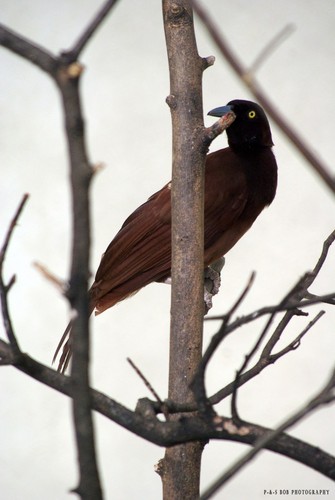
Greater Bird-of-paradise
Body about 43 cm; males with additional flank plumes up to 50 cm and long tail wires
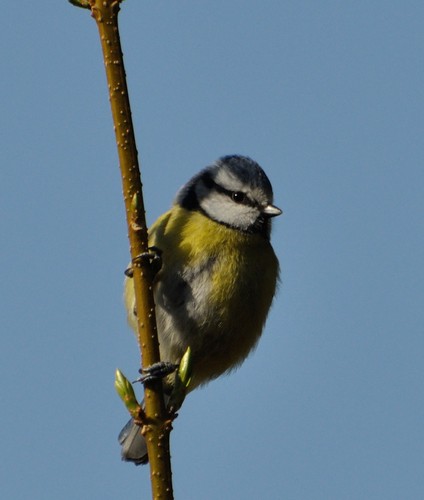
Blue Tit
11-12 cm (4.3-4.7 in) long, 17-20 cm wingspan
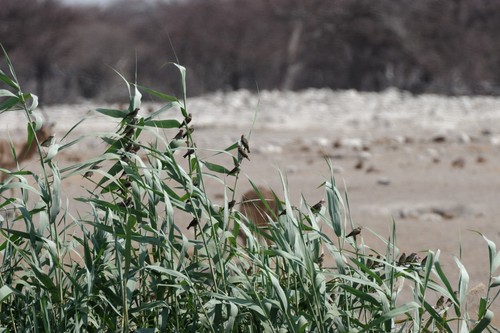
Red-billed Quelea
11.5–13 cm long, wingspan about 20–22 cm
White-plumed Antbird
13-14 cm (5-5.5 in) long
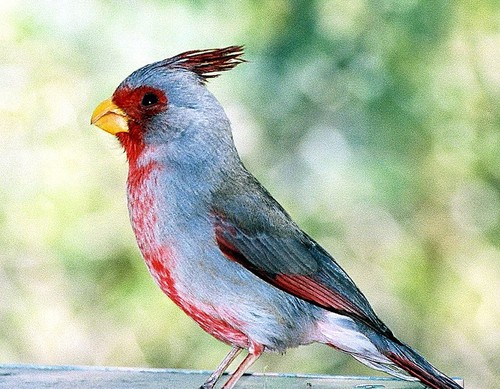
Pyrrhuloxia
19-22 cm (7.5-8.7 in) long, 30 cm wingspan
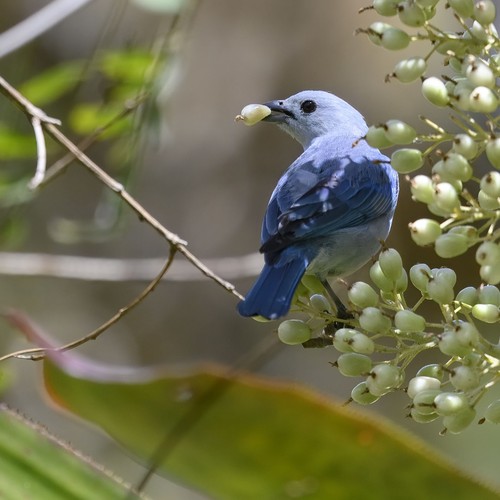
Blue-gray Tanager
16-18 cm (6-7 in) long
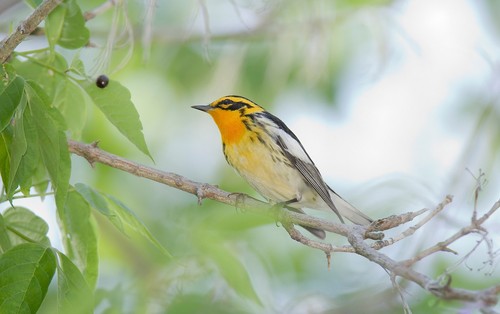
Blackburnian Warbler
11-13 cm (4.3-5.1 in) long, 20-22 cm wingspan
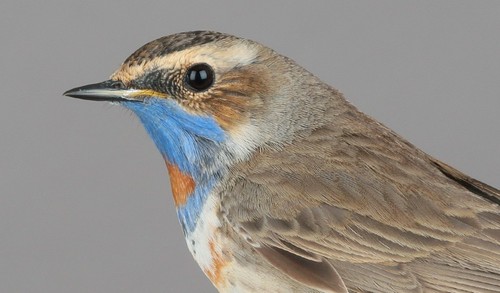
Bluethroat
13-14 cm (5.1-5.5 in) long, 20-22 cm wingspan
Eurasian Nuthatch
12-14.5 cm (4.7-5.7 in) long, 22.5-27 cm wingspan
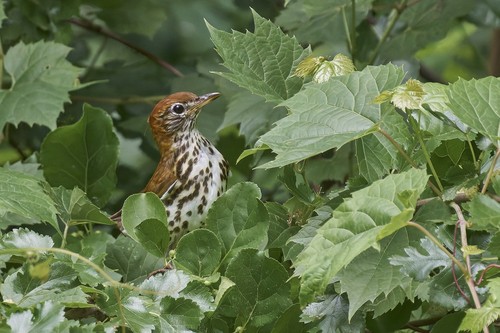
Wood Thrush
19-21 cm (7.5-8.3 in) long, about 33 cm (13 in) wingspan