
Cory's Shearwater
Calonectris borealis
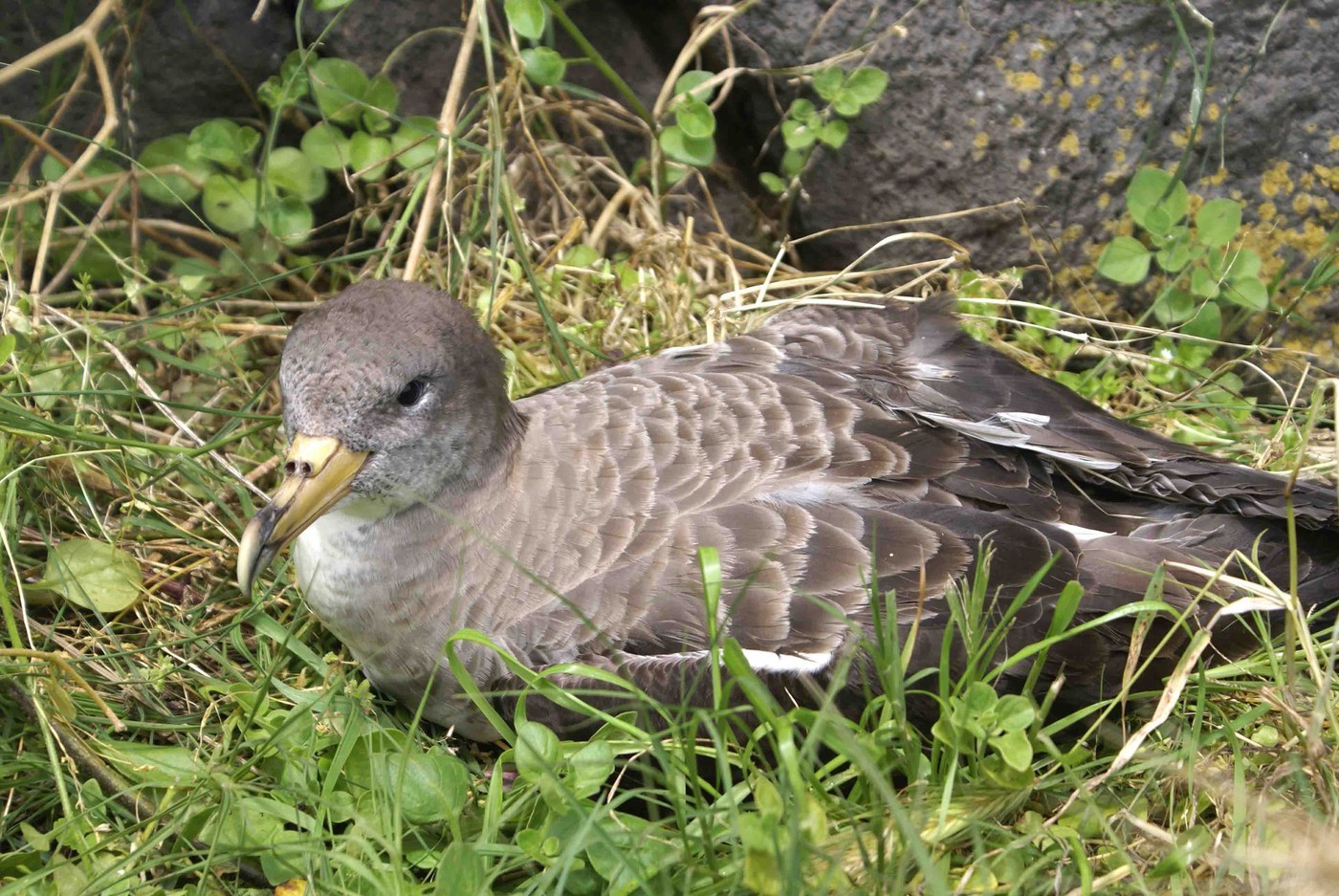
A large, gull-like shearwater of the Atlantic Ocean, with brownish-grey upperparts, a yellowish bill, and a slow, languid flight low over the waves.
- Size
- 45-56 cm (18-22 in) long, wingspan 112-126 cm (44-50 in)
- Habitat
- open Atlantic Ocean, breeding on islands in the eastern North Atlantic
- Type
- seabird
Spotted a bird like this?
Identify any bird from a photo, free.
Overview
Cory's Shearwater is one of the largest shearwater species, with a bulky, gull-like build that can make it look surprisingly heavy in flight compared to smaller relatives. It has brownish-grey upperparts that blend gradually into white underparts, without the sharply contrasting black-and-white pattern seen in many other shearwaters, along with a stout, pale yellowish bill.
The species breeds in large colonies on islands scattered across the eastern North Atlantic, including the Azores, Canary Islands, Madeira, and Mediterranean, nesting in burrows and rock crevices that it visits only at night to avoid predators.
At sea, Cory's Shearwater has a distinctive, relatively slow and languid flight style, with long glides on bowed wings low over the water, differing from the stiffer, faster wingbeats of many smaller shearwater species.
How to identify it
Key field marks
- Large size with brownish-grey upperparts blending softly into white underparts
- Stout, pale yellowish bill
- Slow, languid flight with long glides on gently bowed wings
Similar species
- Great Shearwater has a more sharply demarcated dark cap, a white collar, and a dark bill, unlike Cory's more uniform grey-brown head and pale bill.
- Scopoli's Shearwater, a very close relative sometimes considered the same species, shows more white in the underwing and is best separated with careful observation.
Habitat & range
Cory's Shearwater breeds on islands across the eastern North Atlantic and Mediterranean, with major colonies in the Azores, Canary Islands, and Madeira. Nests are built in burrows, rock crevices, or under boulders on rocky or vegetated slopes, visited only under cover of darkness.
Outside the breeding season, the species migrates across the Atlantic, with substantial numbers wintering in productive waters off South America and southern Africa before returning to their Atlantic island colonies to breed.
Behavior & voice
Voice
At night around breeding colonies, Cory's Shearwaters give loud, wailing, and cackling calls exchanged between pairs and rivals, audible from within nesting burrows.
Feeding
They feed on fish, squid, and crustaceans, caught by surface-seizing, shallow plunge-diving, and occasionally following fishing vessels or feeding alongside marine mammals and tuna schools.
Nesting and breeding
Pairs nest in burrows or natural rock cavities, returning to the same site each year, and lay a single egg. Both parents share incubation duties, with adults commuting to and from the colony only at night to avoid predation.
Frequently asked questions
Where does Cory's Shearwater breed?
It nests in large colonies on islands across the eastern North Atlantic and Mediterranean, including the Azores, Canary Islands, and Madeira.
How can you identify Cory's Shearwater?
Look for its large size, brownish-grey upperparts blending into white underparts, and a stout, pale yellowish bill.
How is Cory's Shearwater different from the Great Shearwater?
Cory's Shearwater has a more uniformly grey-brown head and a pale bill, while the Great Shearwater has a sharply defined dark cap, white collar, and a dark bill.
Why does Cory's Shearwater visit its colony only at night?
Nocturnal visits reduce the risk of predation by aerial predators that could easily spot the birds during daylight.
What does Cory's Shearwater eat?
It eats fish, squid, and crustaceans, caught by surface-seizing and shallow plunge-diving.
Cory's Shearwater guides
In-depth guides for identifying, finding, and understanding Cory's Shearwater.
Other birds you may enjoy
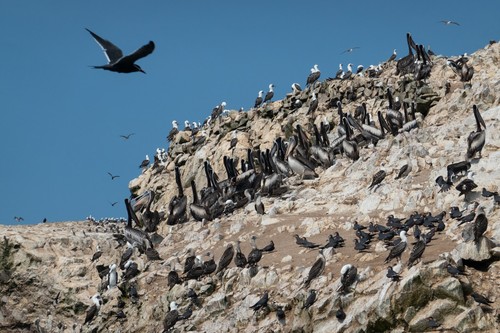
Peruvian Pelican
137-152 cm (54-60 in) long, up to 228 cm wingspan
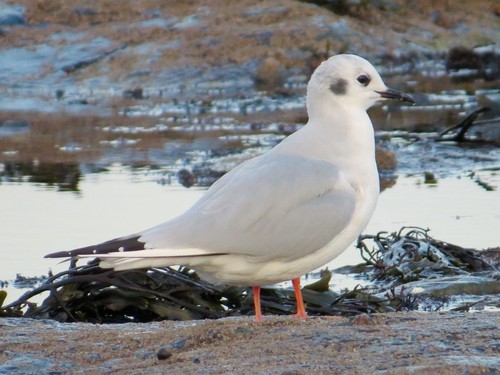
Bonaparte's Gull
28-33 cm (11-13 in) long, 76-84 cm wingspan
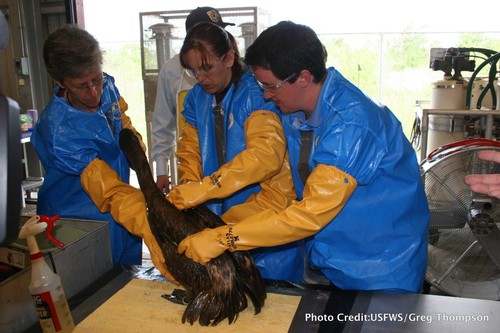
Brown Pelican
106-137 cm (42-54 in) long, 200-230 cm wingspan
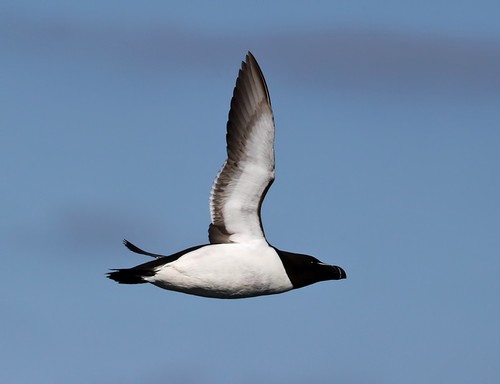
Razorbill
37-39 cm (15-15.5 in) long, 63-68 cm wingspan
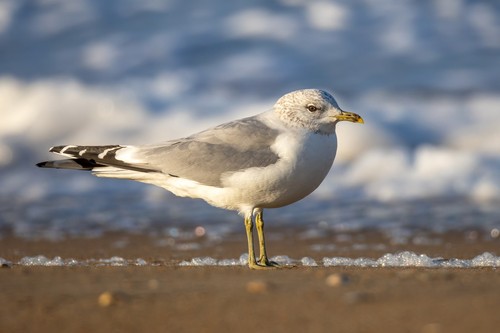
Common Gull
40-46 cm (16-18 in) long, 110-130 cm wingspan
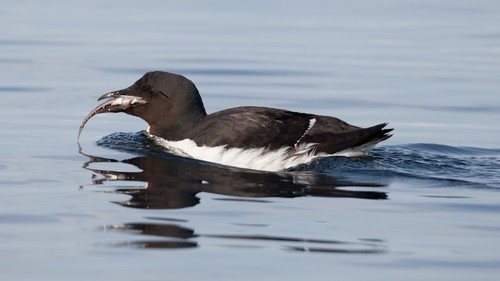
Thick-billed Murre
40-48 cm (16-19 in) long, 65-75 cm wingspan
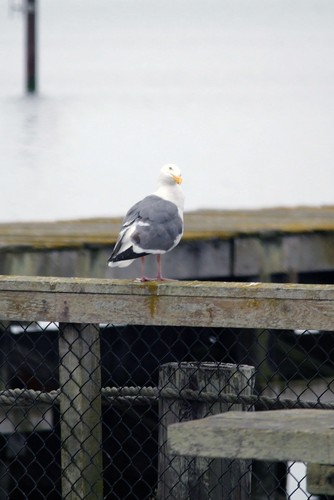
Western Gull
55-68 cm (22-27 in) long, 130-144 cm wingspan
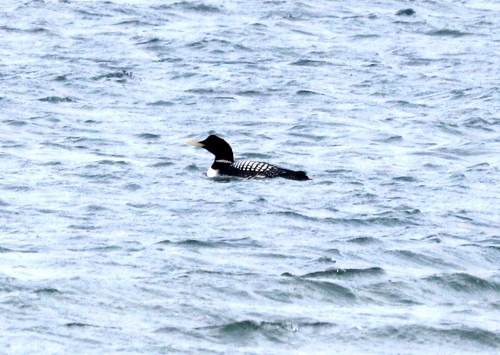
Yellow-billed Loon
76-97 cm (30-38 in) long, 135-152 cm wingspan
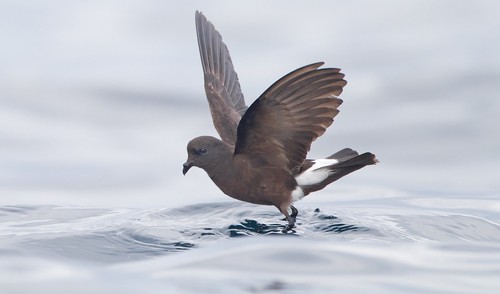
Wilson's Storm-Petrel
15-19 cm (6-7.5 in) long, wingspan 38-42 cm (15-16.5 in)
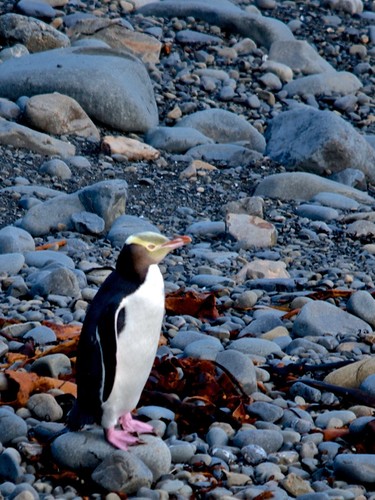
Yellow-eyed Penguin
62-79 cm (24-31 in) tall, 3-8.5 kg (6.6-18.7 lb)
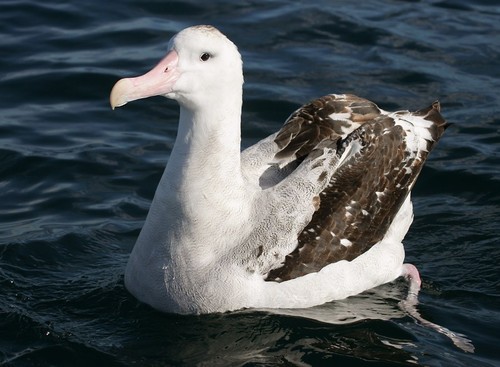
Wandering Albatross
107-135 cm (42-53 in) long, wingspan up to 3.5 m (11.5 ft)
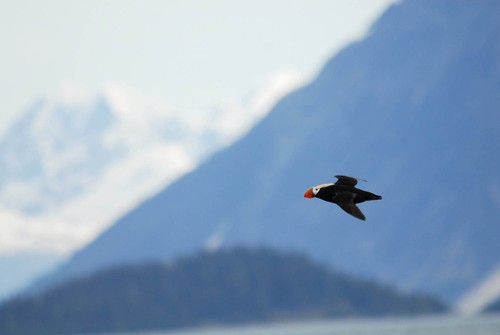
Tufted Puffin
35-41 cm (14-16 in) long, about 63-70 cm wingspan