
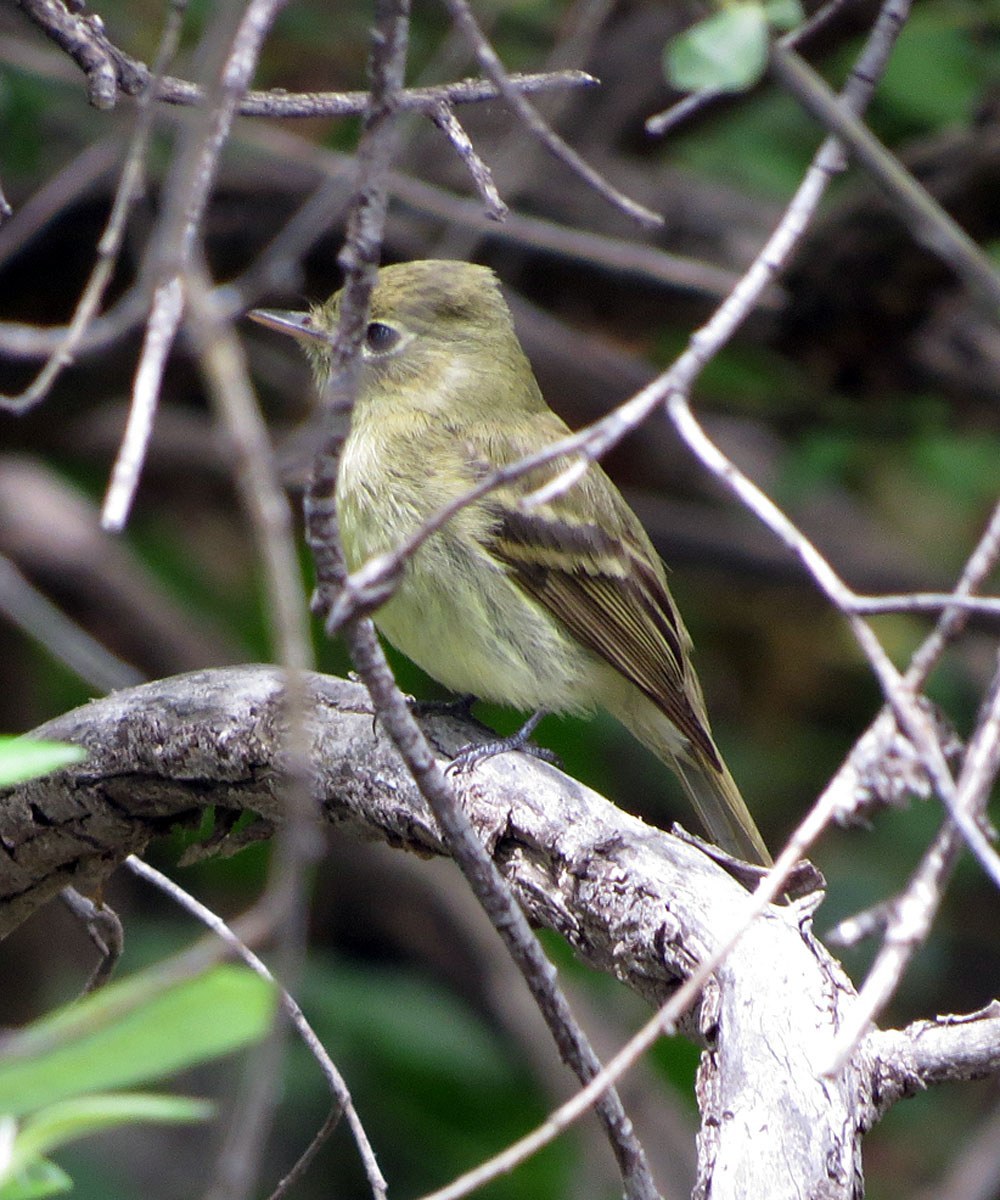
Cordilleran Flycatcher
Empidonax occidentalis
A yellowish interior-mountain flycatcher virtually identical to the Pacific-slope Flycatcher, found in shaded coniferous canyons of the Rockies and Great Basin.
- Size
- 13-15 cm (5-6 in) long, 21-22 cm wingspan
- Habitat
- montane coniferous forests and canyons of the interior western United States and Rocky Mountains
- Type
- songbird
Spotted a bird like this?
Identify any bird from a photo, free.
Overview
The Cordilleran Flycatcher is a small, yellow-washed Empidonax flycatcher of interior western mountain forests, essentially indistinguishable in plumage from the closely related Pacific-slope Flycatcher, with which it was once considered a single species called the "Western Flycatcher." It shows olive-green upperparts, a distinctive teardrop-shaped whitish eye-ring, pale wing bars, and a yellow wash on the underparts.
Found in shaded, often steep-walled canyons and coniferous forests through the Rocky Mountains and interior ranges, this species is most reliably distinguished from its coastal counterpart by range and by subtle differences in its call notes, since the two look nearly identical in the field.
How to identify it
Key Field Marks
- Olive-green upperparts with an overall yellowish wash on the throat and belly
- Bold, teardrop-shaped whitish eye-ring
- Two pale wing bars
- Small size typical of the Empidonax genus
Similar Species
- Pacific-slope Flycatcher is visually identical; separation relies primarily on range (Cordilleran in the interior Rockies and Great Basin versus Pacific-slope along the coast) and subtle vocal differences.
- Hammond's Flycatcher and Dusky Flycatcher are grayer with less yellow tone and different call notes.
- Voice, particularly the sharp call note, is the most dependable field mark within the region of range overlap.
Habitat & range
Cordilleran Flycatchers breed in montane coniferous and mixed forests of the interior western United States, including the Rocky Mountains, Great Basin ranges, and parts of the Southwest, typically in shaded canyons, ravines, and forested slopes near water.
The species migrates to winter primarily in Mexico, similarly to the Pacific-slope Flycatcher.
Behavior & voice
Voice
Gives a sharp pseet or seet call, subtly different in tone and cadence from the Pacific-slope Flycatcher's call, along with a soft, three-parted song used by males.
Feeding
Sallies from a shaded perch to catch flying insects and also hover-gleans prey from foliage in the forest understory.
Nesting
Builds a cup nest of moss, grass, and plant fibers, often tucked into a rock crevice, tree cavity, or under an overhang, frequently near a stream in a shaded canyon.
Frequently asked questions
How is the Cordilleran Flycatcher different from the Pacific-slope Flycatcher?
The two are nearly identical in plumage and were formerly treated as one species; they are separated mainly by range, with Cordilleran breeding in the interior Rocky Mountains and Great Basin while Pacific-slope breeds along the Pacific coast, along with subtle call differences.
How do I identify a Cordilleran Flycatcher?
Look for a small, yellow-washed flycatcher with a bold teardrop-shaped eye-ring and pale wing bars in shaded montane canyons of the interior West.
Where does the Cordilleran Flycatcher breed?
It breeds in coniferous forests and shaded canyons through the Rocky Mountains, Great Basin, and interior ranges of the western United States.
Where do Cordilleran Flycatchers winter?
They migrate to winter primarily in Mexico.
Cordilleran Flycatcher guides
In-depth guides for identifying, finding, and understanding Cordilleran Flycatcher.
Other birds you may enjoy
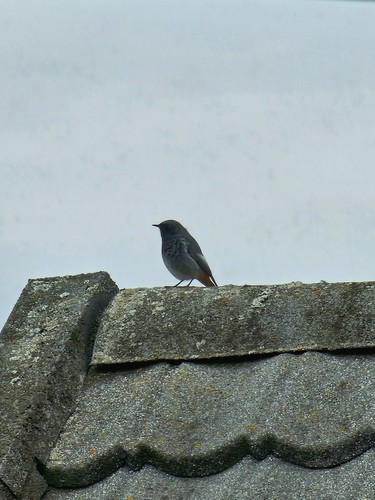
Black Redstart
13-14.5 cm (5.1-5.7 in) long, 23-26 cm wingspan
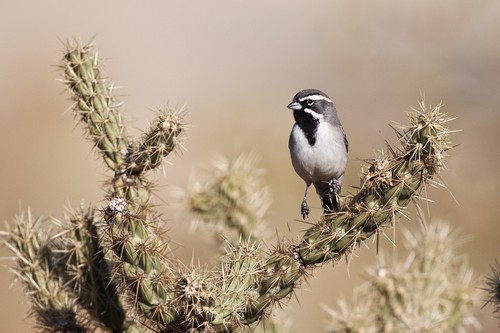
Black-throated Sparrow
12-14 cm (4.7-5.5 in) long, about 19-20 cm (7.5-8 in) wingspan
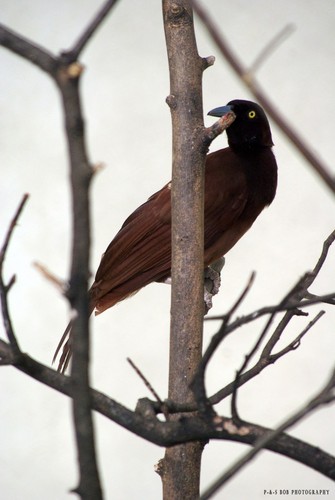
Greater Bird-of-paradise
Body about 43 cm; males with additional flank plumes up to 50 cm and long tail wires
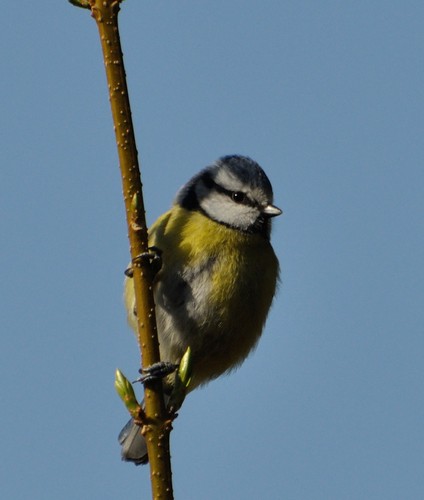
Blue Tit
11-12 cm (4.3-4.7 in) long, 17-20 cm wingspan
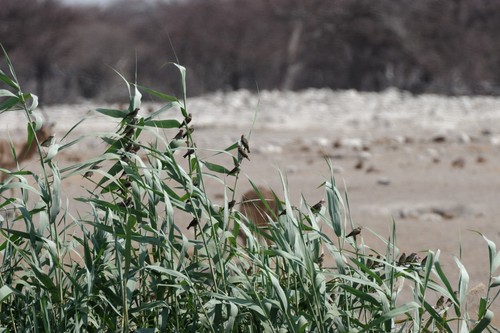
Red-billed Quelea
11.5–13 cm long, wingspan about 20–22 cm
White-plumed Antbird
13-14 cm (5-5.5 in) long
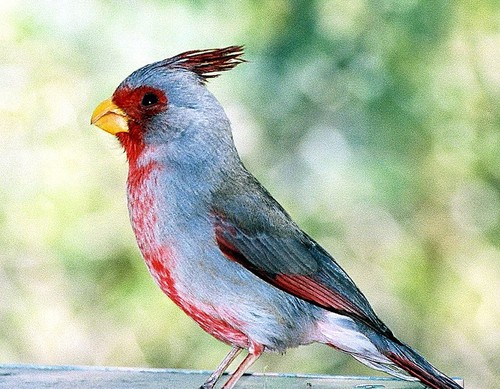
Pyrrhuloxia
19-22 cm (7.5-8.7 in) long, 30 cm wingspan
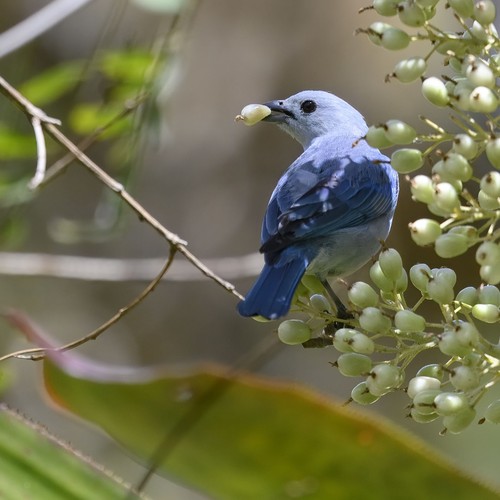
Blue-gray Tanager
16-18 cm (6-7 in) long
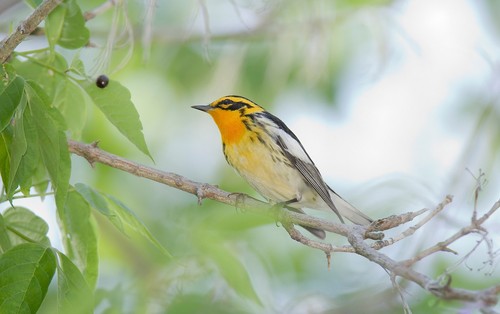
Blackburnian Warbler
11-13 cm (4.3-5.1 in) long, 20-22 cm wingspan
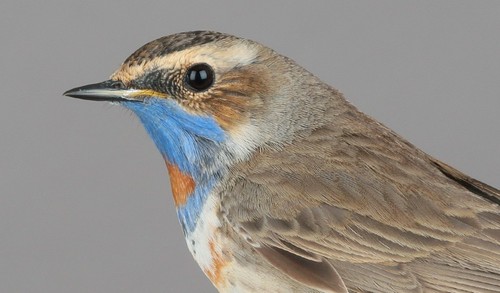
Bluethroat
13-14 cm (5.1-5.5 in) long, 20-22 cm wingspan
Eurasian Nuthatch
12-14.5 cm (4.7-5.7 in) long, 22.5-27 cm wingspan
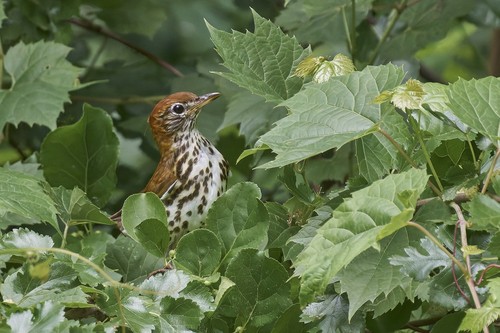
Wood Thrush
19-21 cm (7.5-8.3 in) long, about 33 cm (13 in) wingspan