
Connecticut Warbler
Oporornis agilis
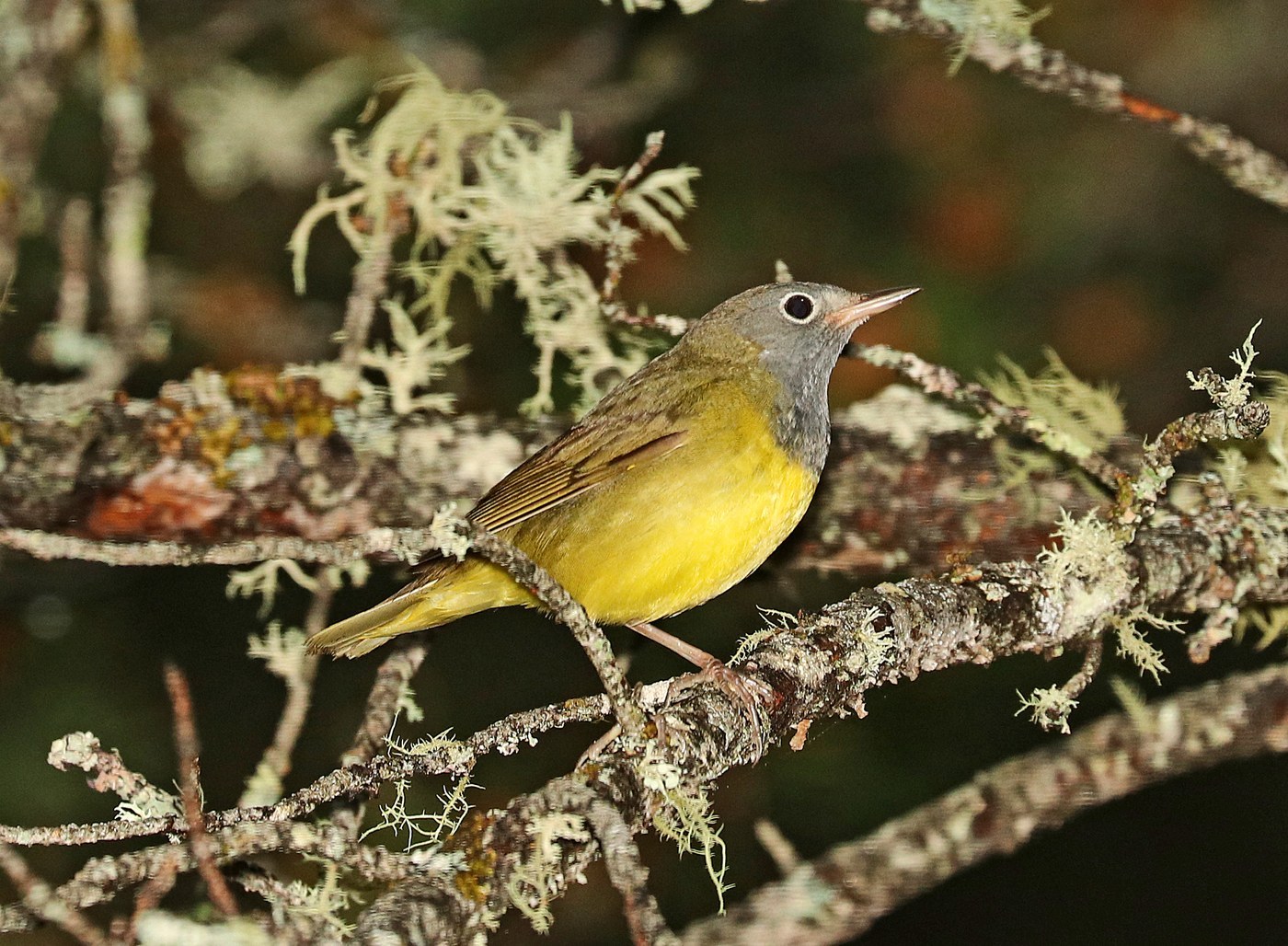
A large, chunky, notoriously secretive warbler with a bold white eyering, long legs, and a walking gait, breeding in remote boreal bogs and rarely seen well.
- Size
- 13-15 cm (5.1-5.9 in) long, 22-23 cm wingspan
- Habitat
- boreal bogs, muskeg, and open poplar woodland
- Type
- songbird
Spotted a bird like this?
Identify any bird from a photo, free.
Overview
The Connecticut Warbler is one of the most sought-after and elusive of the New World warblers, a large, big-headed, chunky bird with a complete, bold white eyering that gives it a distinctive owlish stare. Adult males have a gray hood, while females and immatures show a more subdued brownish-gray hood, but both share the striking white spectacles and olive-green upperparts with yellow underparts.
Unlike most warblers, it has notably long legs and long undertail coverts, and it moves by walking rather than hopping, a trait shared with the two waterthrushes and lending it a subtly different, more deliberate gait.
How to identify it
Key field marks
- Complete, bold white eyering on an otherwise plain face
- Gray hood (male) or brownish-gray hood (female/immature)
- Olive-green upperparts, yellow underparts
- Long legs, long undertail coverts, and a walking gait rather than hopping
- Larger and chunkier overall than most other warblers
Similar species
Mourning Warbler and MacGillivray's Warbler both lack a complete bold eyering (Mourning has none or a faint broken one; MacGillivray's has broken crescents, not a full ring) and both hop rather than walk. Nashville Warbler also has a complete white eyering but is much smaller, with a contrasting gray head and olive back, and lacks the Connecticut's bulky build and long legs.
Habitat & range
Connecticut Warblers breed in a narrow band of boreal habitat across central Canada and the north-central United States, favoring sphagnum bogs, muskeg, and open poplar or aspen woodland with a dense shrub or sedge understory.
They undertake a notable migratory route, moving mostly through the Great Lakes and Appalachian regions in spring, but tending to migrate farther east and offshore along the Atlantic seaboard in fall before crossing to their wintering grounds in South America, primarily in the Amazon basin.
Behavior & voice
Behavior and voice
Connecticut Warblers are famously secretive, walking slowly and deliberately through dense ground cover while foraging for insects and spiders, and they are reluctant to fly into the open, making them a challenging species to observe well despite being fairly large.
The song is a loud, rolling, repetitive series often rendered as "beecher-beecher-beecher-beecher" or "whip-ity whip-ity whip-ity whip."
Nesting
The nest is built on the ground, typically hidden in a mossy hummock or at the base of dense shrubs in a bog, made of grass, moss, and leaves. Clutches usually contain 3-5 eggs.
Frequently asked questions
Why is the Connecticut Warbler considered hard to see?
It is famously secretive, walking slowly through dense ground cover in remote bogs and rarely flying into the open, which makes it one of the most challenging warblers to observe well despite its fairly large size.
Does the Connecticut Warbler breed in Connecticut?
No, it does not breed there; the name comes from a specimen first collected in Connecticut during migration. It actually breeds in boreal bogs and poplar woodland of central Canada and the north-central United States.
How do you tell a Connecticut Warbler from a Mourning Warbler?
Connecticut Warbler has a complete, bold white eyering and walks rather than hops, while Mourning Warbler lacks a complete eyering (showing none or only a faint broken one) and hops like most warblers.
What is unusual about how a Connecticut Warbler moves?
It walks rather than hops, a trait shared with the two waterthrush species, giving it a more deliberate, thrush-like gait on the ground.
Where does the Connecticut Warbler winter?
Primarily in the Amazon basin of South America, reached via a migration route that runs mostly overland in spring but shifts toward the Atlantic coast and offshore routes in fall.
Connecticut Warbler guides
In-depth guides for identifying, finding, and understanding Connecticut Warbler.
Other birds you may enjoy
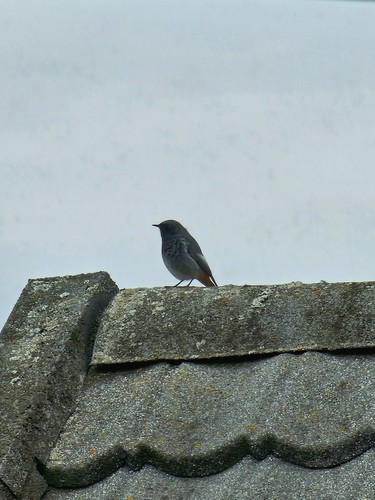
Black Redstart
13-14.5 cm (5.1-5.7 in) long, 23-26 cm wingspan
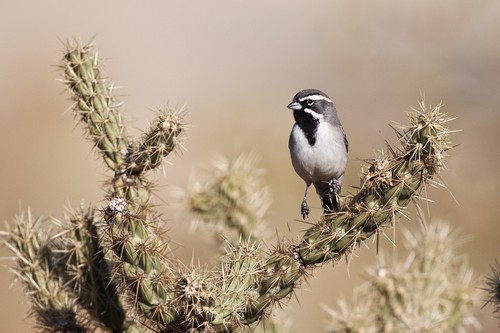
Black-throated Sparrow
12-14 cm (4.7-5.5 in) long, about 19-20 cm (7.5-8 in) wingspan
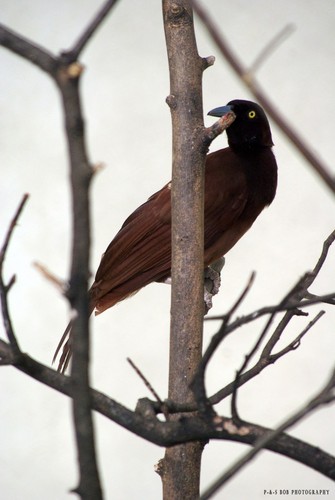
Greater Bird-of-paradise
Body about 43 cm; males with additional flank plumes up to 50 cm and long tail wires
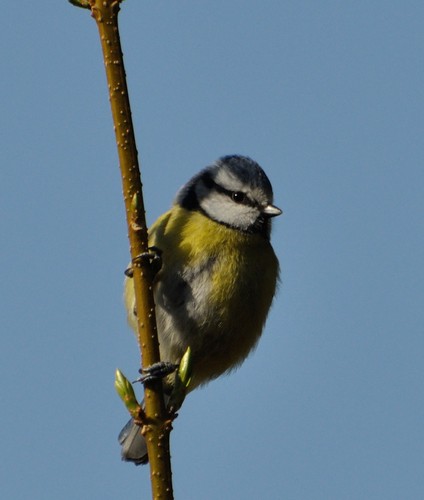
Blue Tit
11-12 cm (4.3-4.7 in) long, 17-20 cm wingspan

Red-billed Quelea
11.5–13 cm long, wingspan about 20–22 cm
White-plumed Antbird
13-14 cm (5-5.5 in) long
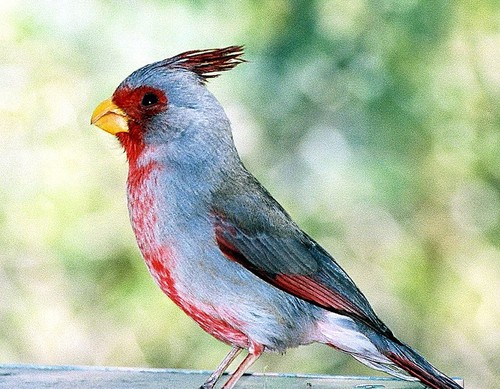
Pyrrhuloxia
19-22 cm (7.5-8.7 in) long, 30 cm wingspan
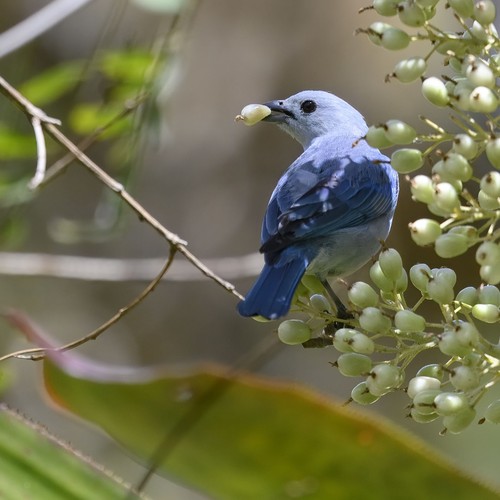
Blue-gray Tanager
16-18 cm (6-7 in) long
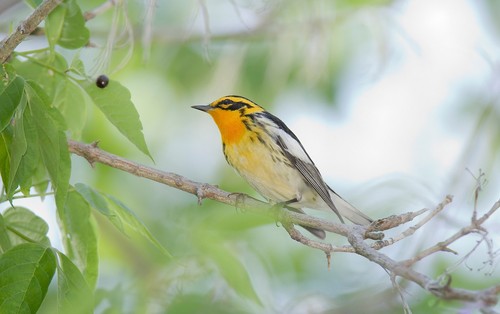
Blackburnian Warbler
11-13 cm (4.3-5.1 in) long, 20-22 cm wingspan
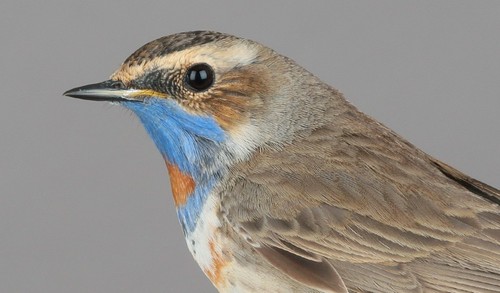
Bluethroat
13-14 cm (5.1-5.5 in) long, 20-22 cm wingspan
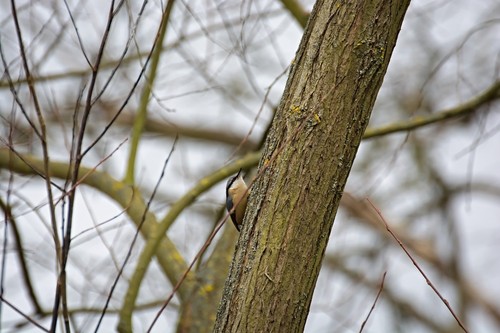
Eurasian Nuthatch
12-14.5 cm (4.7-5.7 in) long, 22.5-27 cm wingspan
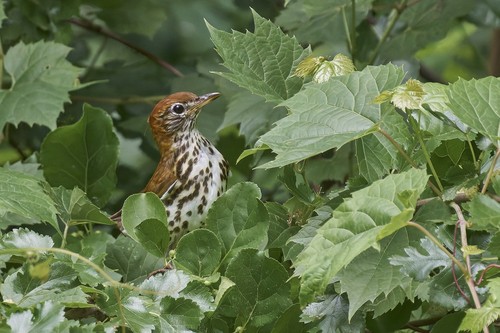
Wood Thrush
19-21 cm (7.5-8.3 in) long, about 33 cm (13 in) wingspan