
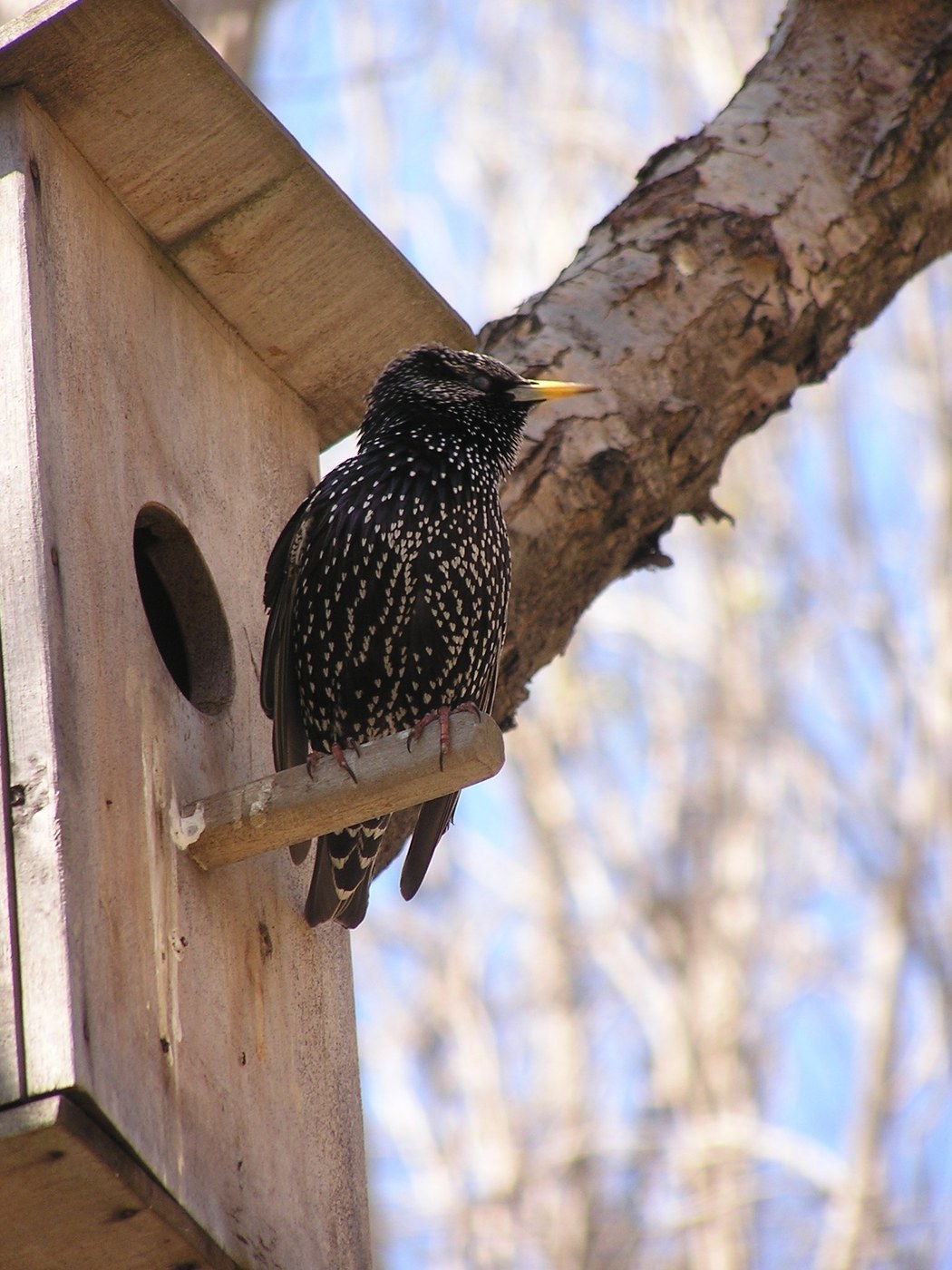
Common Starling
Sturnus vulgaris
A glossy, iridescent black bird famous for its speckled winter plumage, noisy chattering song, and spectacular murmuration flocks.
- Size
- 19-23 cm (7.5-9 in) long, 31-40 cm wingspan
- Habitat
- urban areas, farmland, parks, and woodland edges
- Type
- songbird
Spotted a bird like this?
Identify any bird from a photo, free.
Overview
The Common Starling is a familiar, medium-sized songbird with a short tail, triangular wings, and a confident, waddling walk. In breeding plumage adults appear glossy black with an iridescent green and purple sheen and a bright yellow bill. In fresh winter plumage the black feathers are tipped with white and buff, giving the bird a heavily speckled, spangled appearance that fades through wear over the winter.
Juveniles are plain greyish-brown with a pale throat before molting into adult-type plumage. Highly gregarious, starlings are best known for their vast, swirling flocks -- called murmurations -- that wheel and pulse across the evening sky before settling into a communal roost.
How to identify it
Key field marks
- Short tail, pointed triangular wings, and a fast, direct flight distinct from the fluttering flight of similarly sized thrushes
- Glossy black plumage with green-purple iridescence in breeding season; heavily speckled with white/buff spots in winter
- Yellow bill in breeding season (base blue in males, pinkish in females), duller dark bill in winter
- Walks and runs on the ground rather than hopping
Similar species
Blackbirds are similar in size and color but have a longer tail, slower more deliberate flight, and lack starling speckling. Juvenile starlings' plain brown plumage can suggest a thrush, but the short tail and pointed wing shape are diagnostic.
Habitat & range
Range
Native to Europe, western Asia, and North Africa; widely introduced and now abundant across North America, southern Africa, and Australia and New Zealand.
Habitat
Extremely adaptable, thriving in cities, suburbs, farmland, parks, and open woodland edges. Often forages on short grass such as lawns and pastures.
Migration
Northern and eastern populations are migratory, moving south and west in winter, while populations in milder climates are largely resident. Introduced populations, such as those in North America, are generally resident or short-distance migrants.
Behavior & voice
Behavior
Highly social, starlings feed, roost, and migrate in large flocks and are famous for murmurations, coordinated aerial displays involving thousands of birds that shift shape as a defense against predators like falcons.
Voice
An accomplished mimic, the Common Starling's song is a long, rambling mixture of whistles, clicks, rattles, and imitations of other birds and even mechanical sounds.
Feeding
Forages mainly on the ground, probing the soil with its bill for invertebrates; also eats fruit, seeds, and readily visits garden feeders and scavenges scraps.
Nesting and breeding
Nests in cavities -- tree holes, building crevices, and nest boxes -- lining them with grass and feathers. Lays 4-6 pale blue eggs, and pairs may raise two broods in a season.
Frequently asked questions
What is a starling murmuration?
A murmuration is a large, swirling flock of thousands of starlings flying together in coordinated, shape-shifting patterns, often seen at dusk before the birds settle to roost.
Are Common Starlings native to North America?
No, they are native to Eurasia and were introduced to North America in the 19th century; they are now widespread and abundant across the continent.
Can starlings mimic sounds?
Yes, starlings are skilled mimics and can incorporate the calls of other bird species, and even mechanical noises, into their song.
How do starlings change color through the year?
Fresh winter feathers are tipped with white and buff spots; these tips wear away over winter and spring, leaving the glossy, iridescent black breeding plumage.
Common Starling guides
In-depth guides for identifying, finding, and understanding Common Starling.
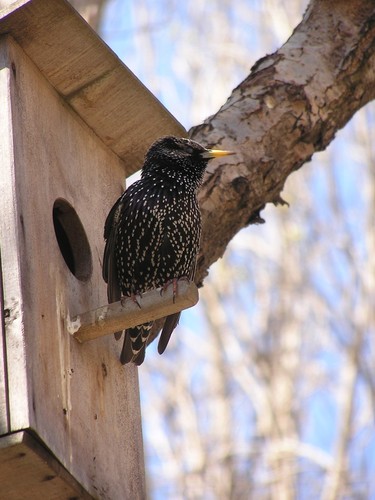
Common Starling identified by the community
Real birds identified with Bird Identifier.
Other birds you may enjoy
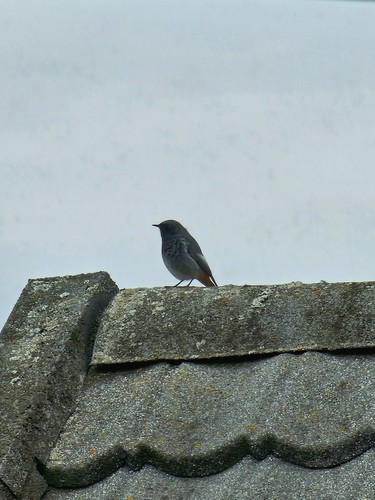
Black Redstart
13-14.5 cm (5.1-5.7 in) long, 23-26 cm wingspan
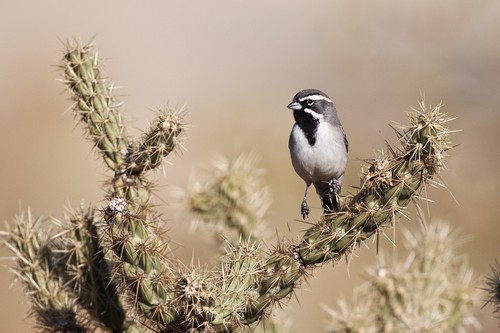
Black-throated Sparrow
12-14 cm (4.7-5.5 in) long, about 19-20 cm (7.5-8 in) wingspan
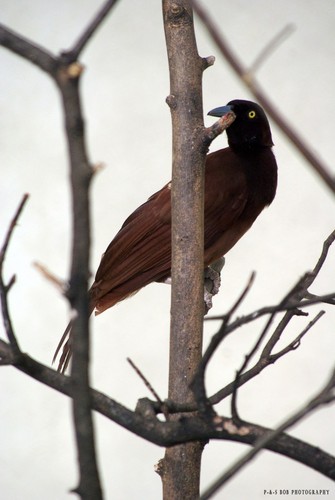
Greater Bird-of-paradise
Body about 43 cm; males with additional flank plumes up to 50 cm and long tail wires
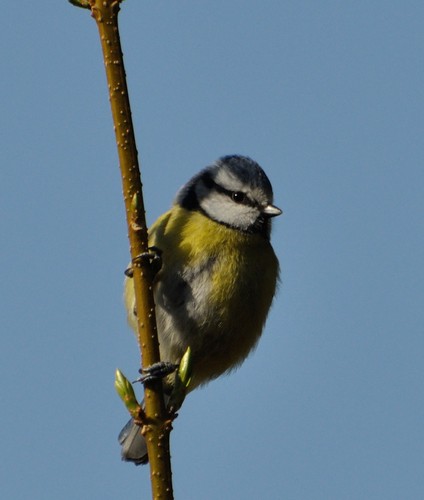
Blue Tit
11-12 cm (4.3-4.7 in) long, 17-20 cm wingspan
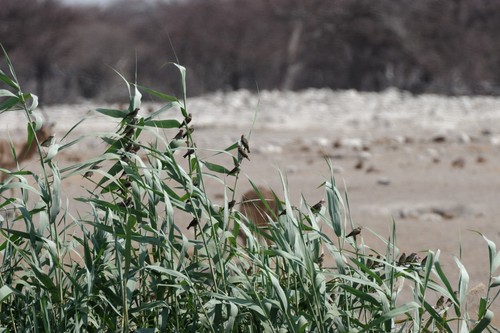
Red-billed Quelea
11.5–13 cm long, wingspan about 20–22 cm
White-plumed Antbird
13-14 cm (5-5.5 in) long
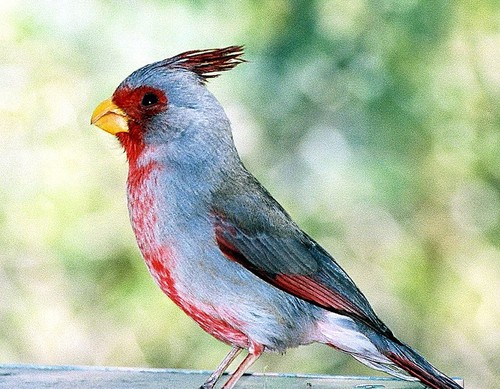
Pyrrhuloxia
19-22 cm (7.5-8.7 in) long, 30 cm wingspan
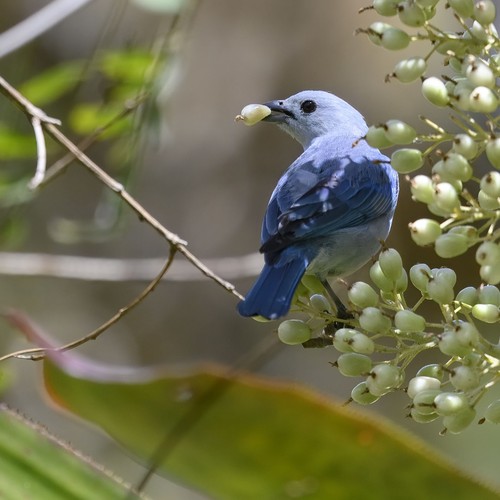
Blue-gray Tanager
16-18 cm (6-7 in) long
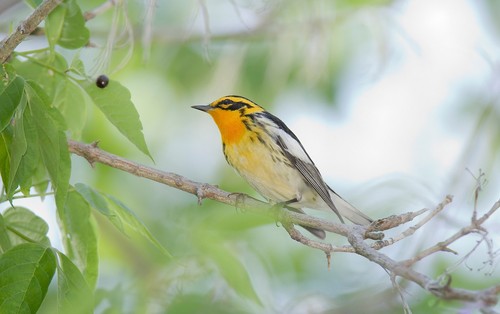
Blackburnian Warbler
11-13 cm (4.3-5.1 in) long, 20-22 cm wingspan
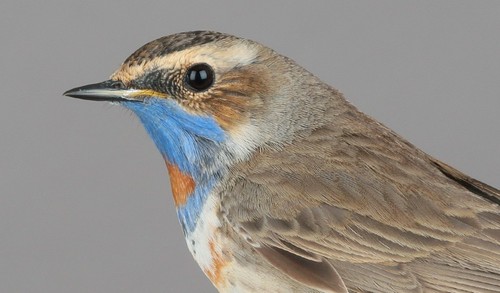
Bluethroat
13-14 cm (5.1-5.5 in) long, 20-22 cm wingspan
Eurasian Nuthatch
12-14.5 cm (4.7-5.7 in) long, 22.5-27 cm wingspan
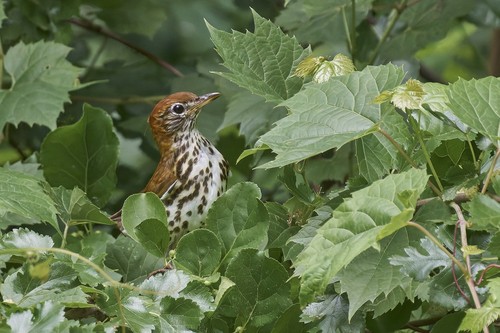
Wood Thrush
19-21 cm (7.5-8.3 in) long, about 33 cm (13 in) wingspan