
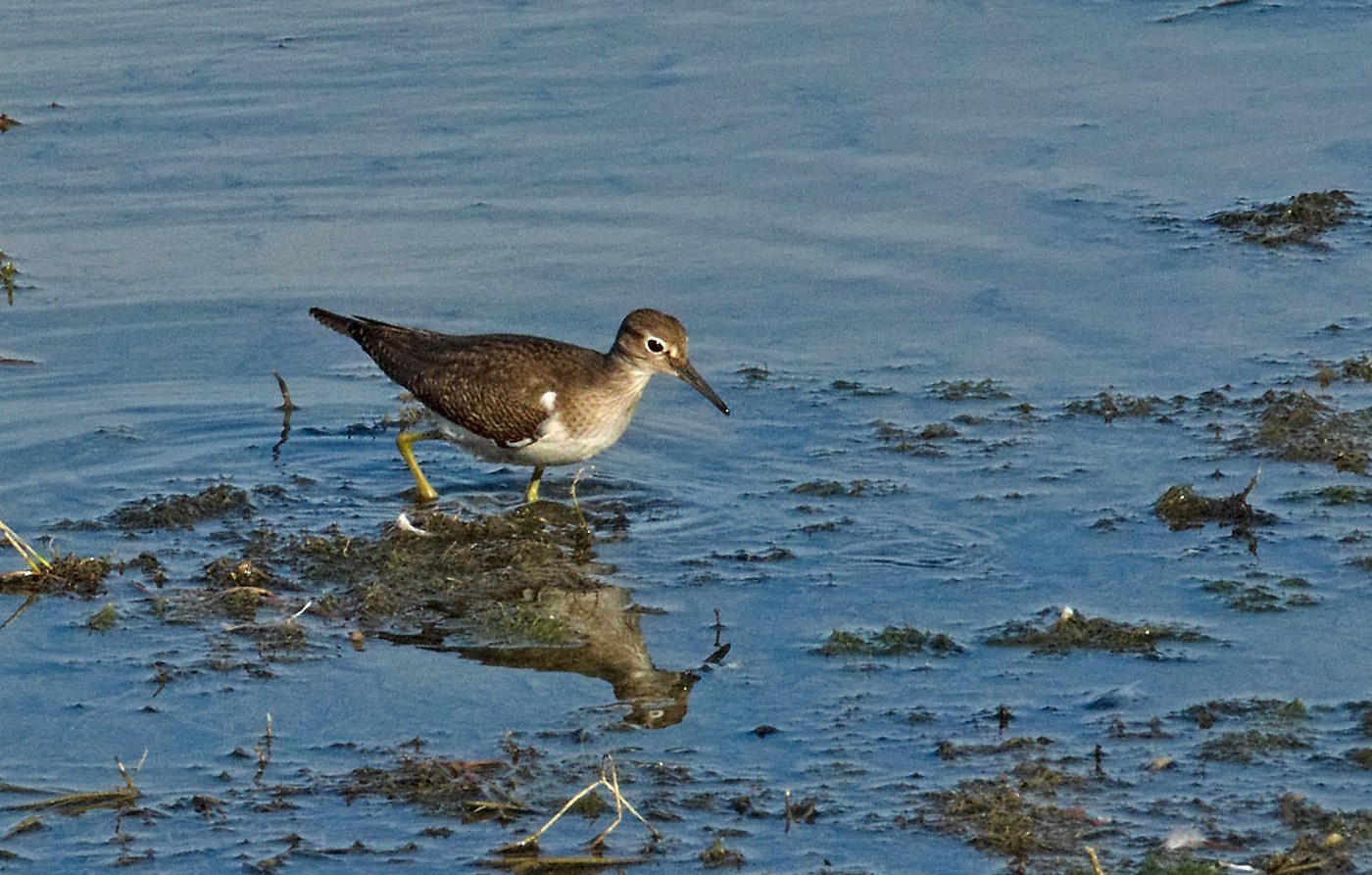
Common Sandpiper
Actitis hypoleucos
The Old World counterpart of the Spotted Sandpiper, a small, constantly bobbing shorebird found along rivers, streams, and lakes across Europe, Asia, and Africa.
- Size
- 18-20 cm (7-8 in) long, 38-41 cm wingspan
- Habitat
- rivers, streams, and lakeshores
- Type
- shorebird
Spotted a bird like this?
Identify any bird from a photo, free.
Overview
The Common Sandpiper is a small, active sandpiper closely related to the Spotted Sandpiper of the New World, sharing its constant tail-bobbing habit and low, fluttering flight over water. Its upperparts are plain grayish-brown, and the underparts are white, without spotting even in breeding plumage—a key difference from its American relative.
A distinctive white patch or wedge is often visible at the shoulder, where the white underparts extend up in front of the folded wing, a useful field mark at rest.
Widespread across Europe, Asia, and parts of Africa, it is a familiar bird of rivers, streams, and lake margins, often seen singly, bobbing along stony or muddy shorelines.
How to identify it
Key field marks
- Plain grayish-brown upperparts, unspotted white underparts at all seasons
- White wedge at the shoulder, in front of the folded wing
- Constant bobbing/teetering of the tail and rear body
- Low, stiff-winged, fluttering flight close to the water, often followed by a glide
Similar species
- Spotted Sandpiper (New World) shows bold dark spots on the underparts in breeding plumage, absent in the Common Sandpiper.
- Green Sandpiper and Wood Sandpiper are darker above with bolder white rumps and different flight patterns, and lack the teetering gait.
Habitat & range
Common Sandpipers breed along the gravelly and stony margins of rivers, streams, and lakes across most of Europe and temperate Asia. Outside the breeding season they migrate south to winter along freshwater and coastal wetlands across Africa, southern Asia, and Australia.
Behavior & voice
Voice
A clear, high, piping call, often a rapid twee-wee-wee, given in flight, especially when flushed from a riverbank.
Feeding
Forages by walking along shorelines, picking insects and other small invertebrates from mud, stones, and vegetation at the water's edge, with the characteristic bobbing motion continuing throughout.
Nesting
Nests on the ground close to water, in a shallow scrape concealed among vegetation, stones, or debris on a riverbank or lake shore. Both parents may share incubation, though the species shows less pronounced polyandry than its close American relative, the Spotted Sandpiper.
Frequently asked questions
How is the Common Sandpiper different from the Spotted Sandpiper?
The Common Sandpiper lacks the bold dark spots on the underparts that the Spotted Sandpiper shows in breeding plumage; otherwise the two closely related species look and behave very similarly.
Why does the Common Sandpiper bob its tail?
Like its American relative, it performs an almost constant teetering motion of the tail and rear body while foraging or standing, a signature behavior of the genus.
Where is the Common Sandpiper found?
It breeds along rivers, streams, and lakes across Europe and temperate Asia, and winters in Africa, southern Asia, and Australia.
What does a Common Sandpiper eat?
Insects and other small invertebrates picked from mud, stones, and vegetation along shorelines.
Common Sandpiper guides
In-depth guides for identifying, finding, and understanding Common Sandpiper.
Other birds you may enjoy
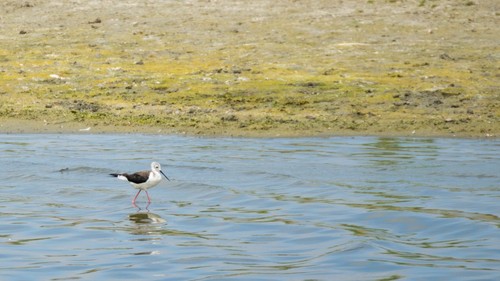
Black-winged Stilt
33-36 cm (13-14 in) long, wingspan 67-83 cm
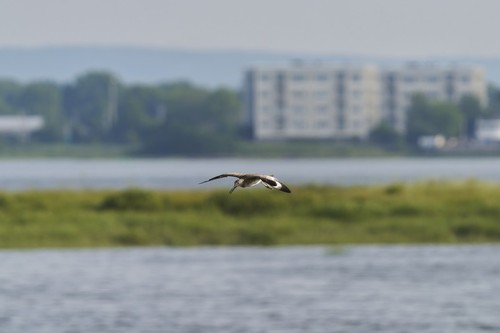
Willet
33-41 cm (13-16 in) long, 65-70 cm wingspan
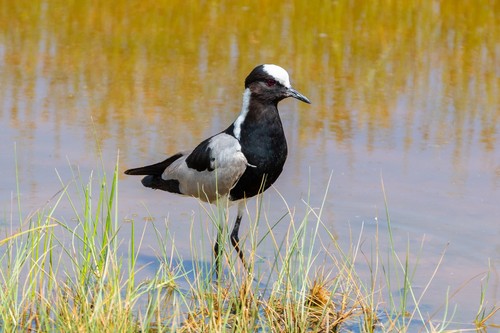
Blacksmith Lapwing
Body length about 30 cm; wingspan 55-65 cm
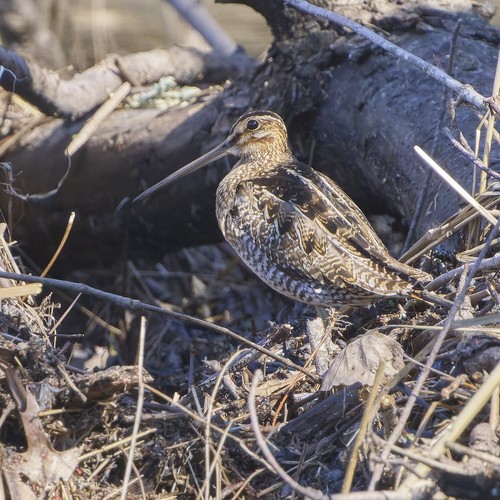
Wilson's Snipe
25-30 cm (10-12 in) long, 39-45 cm wingspan
Western Sandpiper
14-17 cm (5.5-6.7 in) long, 28-37 cm wingspan
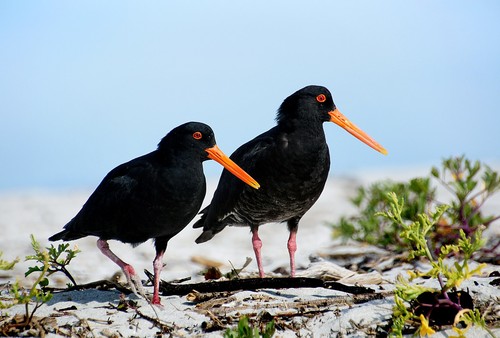
Variable Oystercatcher
46-49 cm (18-19 in) long
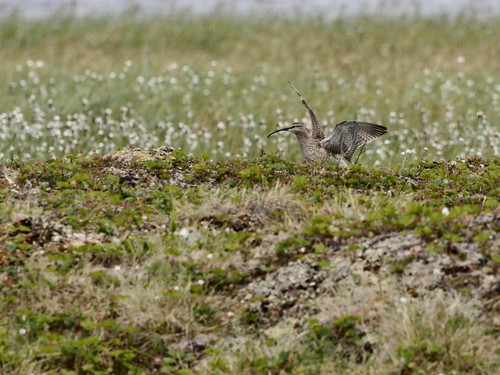
Whimbrel
40-46 cm (16-18 in) long, 76-89 cm wingspan
Wilson's Phalarope
22-24 cm (8.5-9.5 in) long, 37-43 cm wingspan
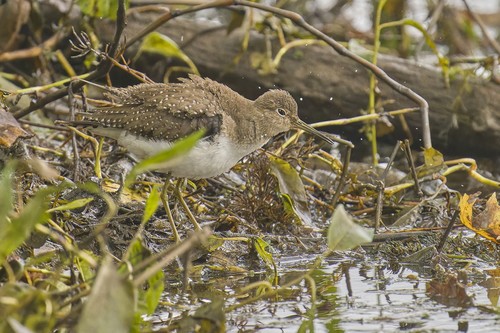
Solitary Sandpiper
19-23 cm (7.5-9 in) long, 50-56 cm wingspan
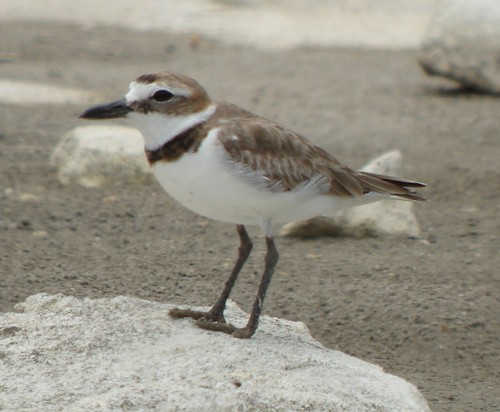
Wilson's Plover
17-19 cm (6.7-7.5 in) long, 45-50 cm wingspan
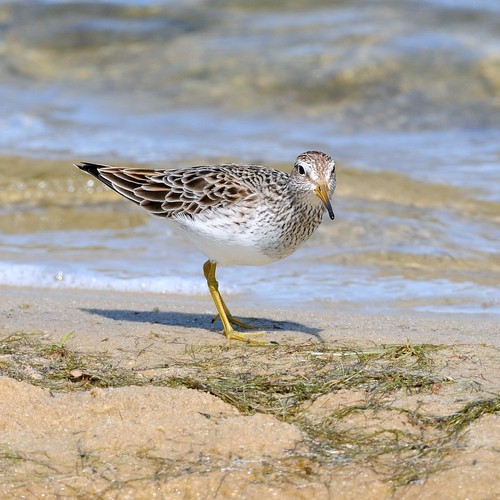
Pectoral Sandpiper
19-23 cm (7.5-9 in) long, 43-49 cm wingspan
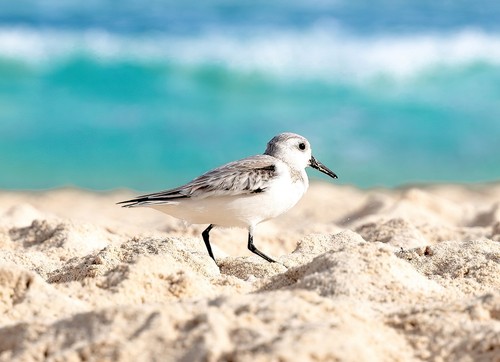
Sanderling
18-20 cm (7-8 in) long, 40-43 cm wingspan