
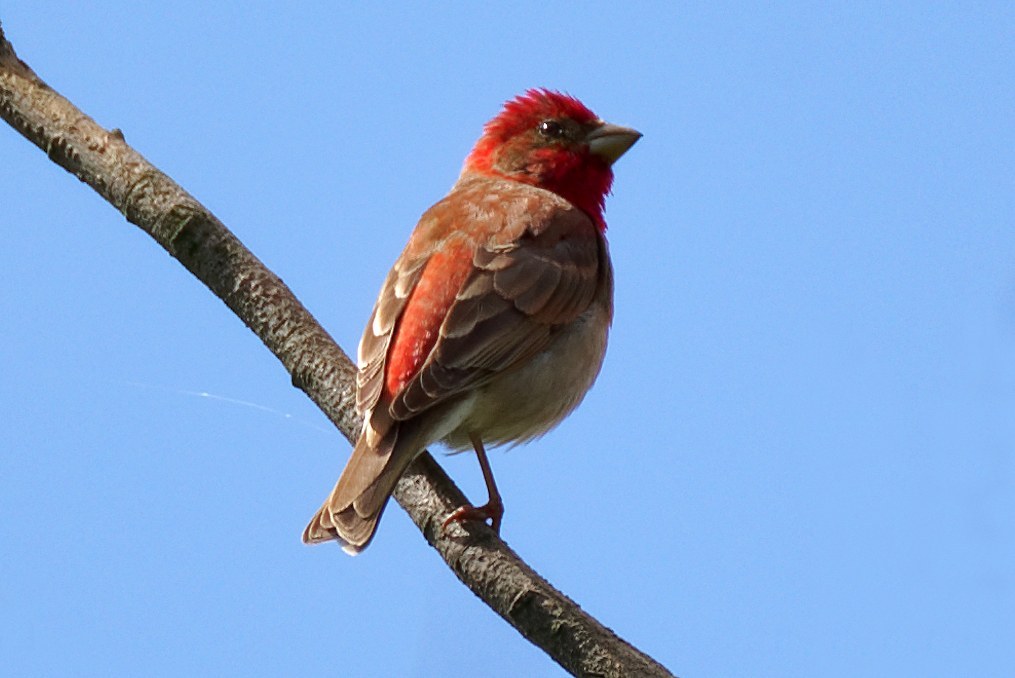
Common Rosefinch
Carpodacus erythrinus
A sparrow-shaped finch whose adult males glow raspberry-red on the head and breast, best known for its cheerful, whistled song.
- Size
- 13.5-15 cm (5.3-6 in) long, 22-26 cm wingspan
- Habitat
- scrub, riverside thickets, forest edges, and overgrown gardens; breeds across northern and eastern Europe into Asia
- Type
- songbird
Spotted a bird like this?
Identify any bird from a photo, free.
Overview
The Common Rosefinch is a plump, sparrow-like finch that has expanded its breeding range westward across Europe in recent decades. Adult males are strikingly colored, while females and young birds are so plain that the species is easily overlooked outside the breeding season.
Appearance
Adult males show a rich raspberry-rose wash over the head, throat, and breast, with a darker rosy crown and rump, contrasting with plain brownish wings and back. Females and first-year birds (which make up most individuals seen on migration) are dull olive-brown above and pale below, with a plain face and no strong markings — often described as "a nondescript brown finch."
How to identify it
Key Field Marks
- Adult male: rosy-red head, throat, breast, and rump against brown wings
- Female/immature: plain olive-brown above, pale unstreaked or lightly streaked below, stubby bill, plain face with faint pale eye-ring
- Stout, rounded, finch-like bill
- Song: a distinctive, cheerful whistled phrase
Similar Species
Dull female and immature birds resemble female House Sparrow or a female/immature Common Redpoll, but the Rosefinch has a plainer face, a stubbier and more strongly curved bill, and a distinctly plain, unstreaked underside compared to a redpoll's streakier plumage. Adult males, with their rose-red coloring, are essentially unmistakable among European finches.
Habitat & range
Habitat and Range
Common Rosefinches favor damp scrub, willow and alder thickets along rivers, overgrown hedgerows, and forest edges. The species breeds from central and northeastern Europe across a huge swath of Russia and Asia, and has been steadily colonizing new areas of Europe westward and southward over recent decades.
Migration
It is a long-distance migrant, wintering mainly in South and Southeast Asia. Birds arrive on European breeding grounds relatively late in spring and depart again by late summer, meaning most European sightings are concentrated in a fairly narrow window.
Behavior & voice
Behavior
Rosefinches are often somewhat skulking, keeping to dense cover, though singing males will perch conspicuously in the open on wires, bush tops, or low trees.
Voice
The song, often rendered as "pleased, pleased, pleased to meet you," is a short, clear, whistled phrase of three or four notes, distinctive and far-carrying, often the easiest way to detect the species.
Nesting and Breeding
The nest is a loosely built cup of twigs, grass, and rootlets placed low in a dense bush or shrub, usually built by the female. She lays 4-6 pale blue-green eggs with sparse dark spotting, incubating them for about 12-14 days while the male sometimes feeds her at the nest.
Frequently asked questions
Why do most Common Rosefinches look brown rather than red?
Adult males in full color are actually a minority of individuals encountered; most birds seen, including all females and young birds up to about two years old, show plain brown-olive plumage with no red at all.
What does the Common Rosefinch's song sound like?
A short, clear, whistled phrase often transcribed as "pleased, pleased, pleased to meet you," delivered from an exposed perch.
Where does the Common Rosefinch spend the winter?
It migrates long distances to winter in South and Southeast Asia, arriving back on its Eurasian breeding grounds only in late spring.
Has the Common Rosefinch's range been changing?
Yes, the species has been gradually expanding westward and southward across Europe over recent decades, colonizing new areas beyond its traditional core range.
Common Rosefinch guides
In-depth guides for identifying, finding, and understanding Common Rosefinch.
Other birds you may enjoy
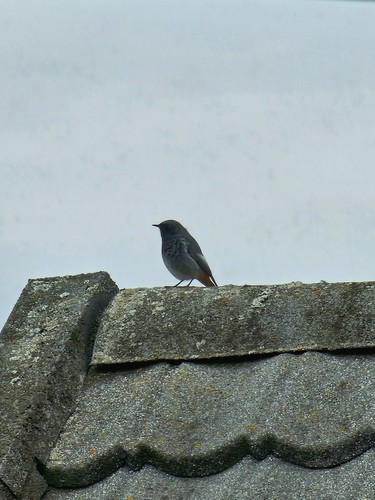
Black Redstart
13-14.5 cm (5.1-5.7 in) long, 23-26 cm wingspan
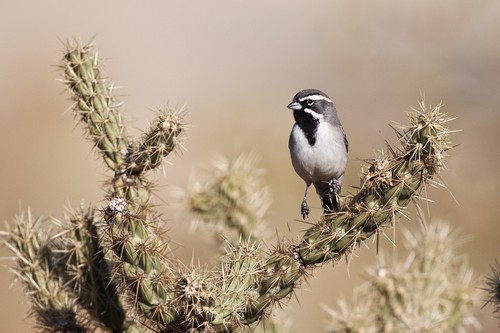
Black-throated Sparrow
12-14 cm (4.7-5.5 in) long, about 19-20 cm (7.5-8 in) wingspan
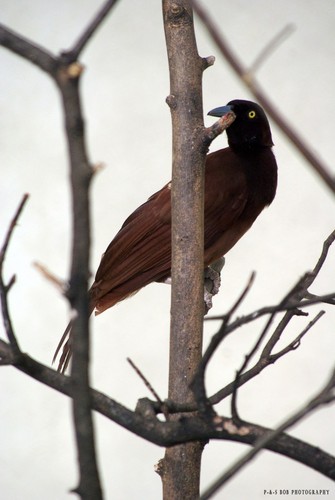
Greater Bird-of-paradise
Body about 43 cm; males with additional flank plumes up to 50 cm and long tail wires
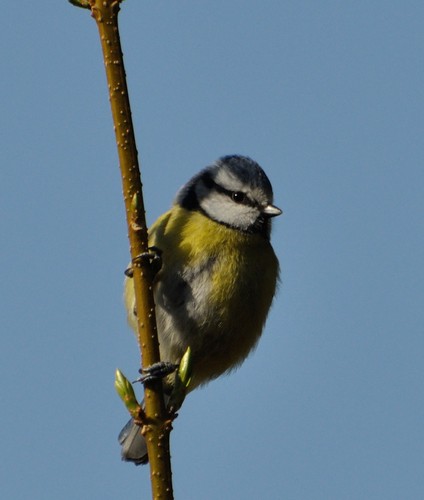
Blue Tit
11-12 cm (4.3-4.7 in) long, 17-20 cm wingspan
Red-billed Quelea
11.5–13 cm long, wingspan about 20–22 cm
White-plumed Antbird
13-14 cm (5-5.5 in) long
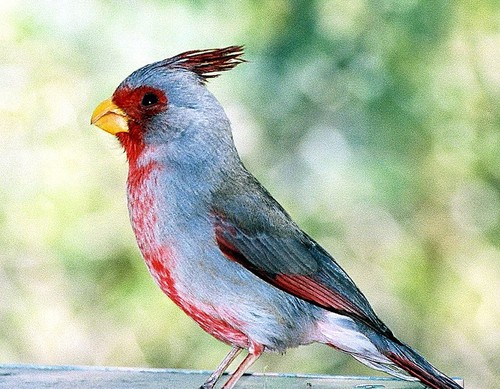
Pyrrhuloxia
19-22 cm (7.5-8.7 in) long, 30 cm wingspan
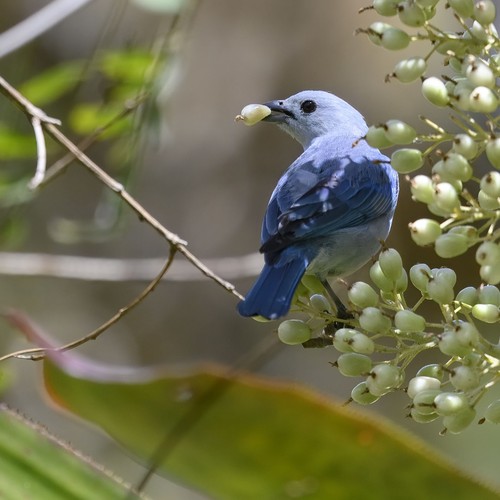
Blue-gray Tanager
16-18 cm (6-7 in) long
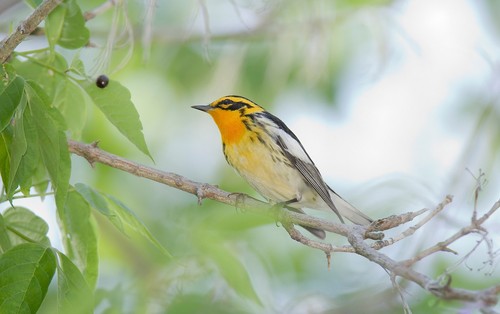
Blackburnian Warbler
11-13 cm (4.3-5.1 in) long, 20-22 cm wingspan
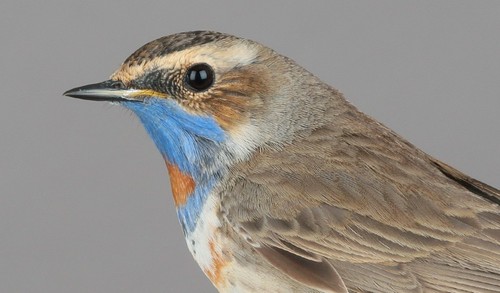
Bluethroat
13-14 cm (5.1-5.5 in) long, 20-22 cm wingspan
Eurasian Nuthatch
12-14.5 cm (4.7-5.7 in) long, 22.5-27 cm wingspan
Wood Thrush
19-21 cm (7.5-8.3 in) long, about 33 cm (13 in) wingspan