
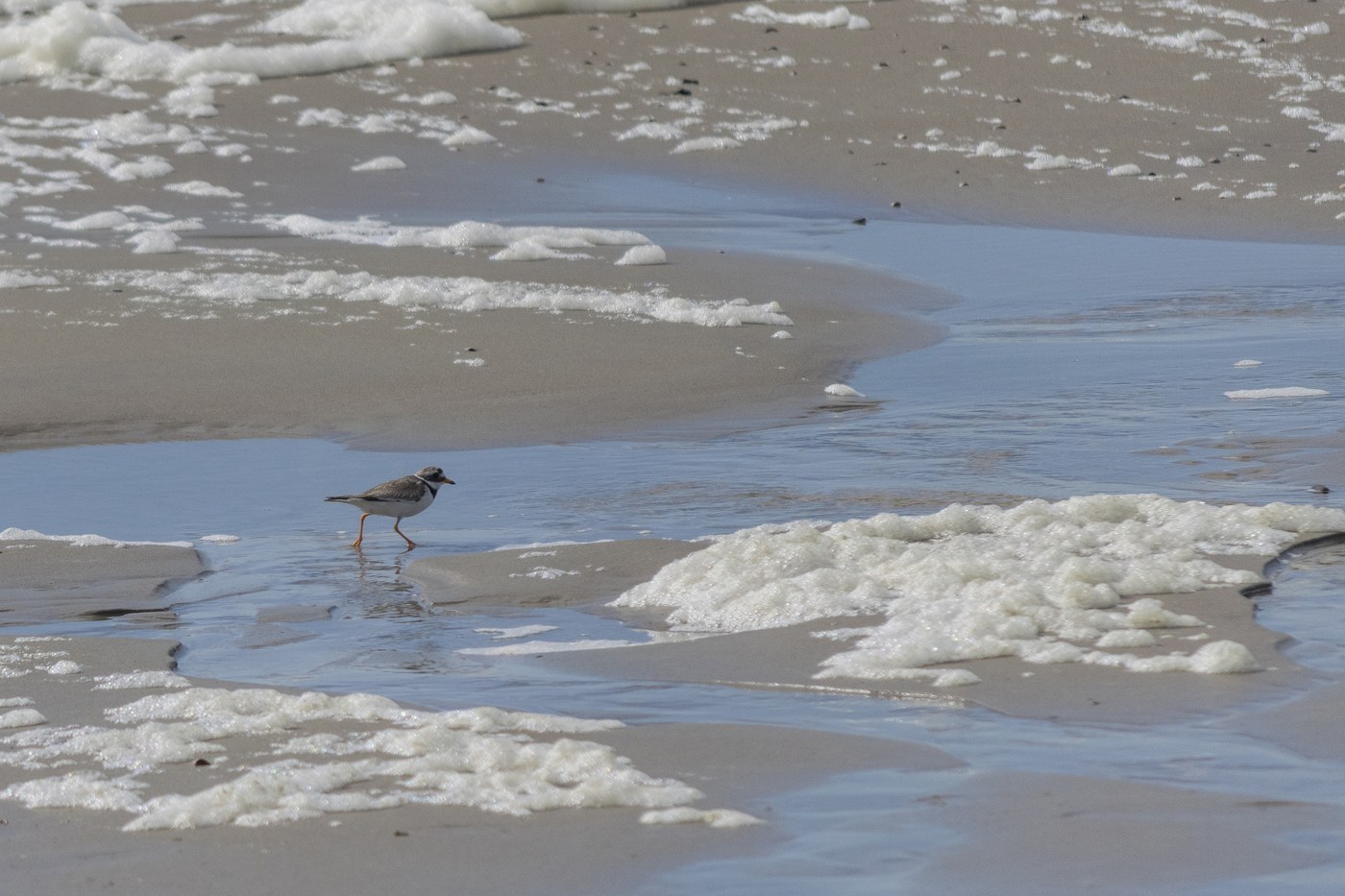
Common Ringed Plover
Charadrius hiaticula
A small Eurasian plover with a single black breast band and orange legs, closely resembling its American counterpart, the Semipalmated Plover.
- Size
- 18-20 cm (7-8 in) long, wingspan 48-57 cm
- Habitat
- sandy and shingle beaches, tundra, and estuaries across Europe, Arctic Asia, and northeastern North America
- Type
- shorebird
Spotted a bird like this?
Identify any bird from a photo, free.
Overview
The Common Ringed Plover is a small, compact plover with sandy-brown upperparts, white underparts, and a single bold black breast band. Its face shows a crisp black-and-white pattern, and its short bill is orange with a black tip, matched by orange-yellow legs.
Widespread across northern Eurasia, it closely resembles the Semipalmated Plover of North America and is best told apart from that species by range and subtle plumage details.
How to identify it
Key field marks
- Single black breast band
- Black mask through the eye, white collar
- Short orange-and-black bill
- Orange legs
Similar species
Extremely similar to the Semipalmated Plover of North America, best separated by range, voice, and subtle differences in bill pattern and eye-ring. The Little Ringed Plover is smaller, lacks a wing-stripe in flight, and has a yellow (not orange) eye-ring.
Habitat & range
Habitat
Breeds on sandy and shingle beaches, tundra, and gravel riverbanks; winters on coastal beaches, estuaries, and mudflats.
Range and migration
Breeds across northern Europe, Arctic Russia, Greenland, and parts of northeastern Canada. Winters on coastal beaches and estuaries across western Europe and Africa.
Behavior & voice
Behavior
Forages with a quick run-stop-peck technique on wet sand or mud.
Voice
A soft, fluting 'too-li' call, often given in flight.
Feeding
Small invertebrates including insects, marine worms, and tiny crustaceans.
Nesting and breeding
Nests in a simple scrape on open sand, shingle, or tundra, with cryptically patterned eggs; performs a distraction 'broken-wing' display to protect the nest from predators.
Frequently asked questions
How is the Common Ringed Plover different from the Little Ringed Plover?
The Common Ringed Plover is slightly larger, has an orange (not yellow) eye-ring, and shows a white wing-stripe in flight, which the Little Ringed Plover lacks.
Is the Common Ringed Plover the same as the Semipalmated Plover?
No, though they look nearly identical and are closely related; the Common Ringed Plover breeds in Eurasia, Greenland, and parts of northeastern Canada, while the Semipalmated Plover breeds across most of Arctic Canada and Alaska.
Where does the Common Ringed Plover breed?
On sandy beaches, shingle, and tundra across northern Europe, Arctic Russia, Greenland, and parts of northeastern Canada.
What does a Common Ringed Plover eat?
Small invertebrates such as insects, marine worms, and tiny crustaceans picked from sand and mud.
How does a Common Ringed Plover protect its nest?
By performing a distraction display, feigning a broken wing to lure predators away from the eggs or chicks, which rely on camouflage on open ground.
Common Ringed Plover guides
In-depth guides for identifying, finding, and understanding Common Ringed Plover.
Other birds you may enjoy
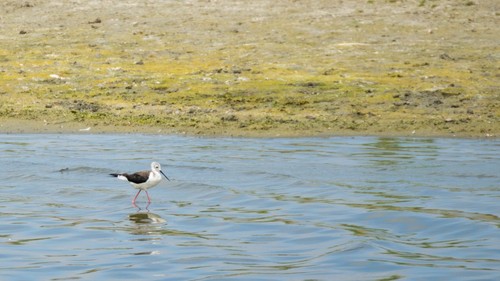
Black-winged Stilt
33-36 cm (13-14 in) long, wingspan 67-83 cm
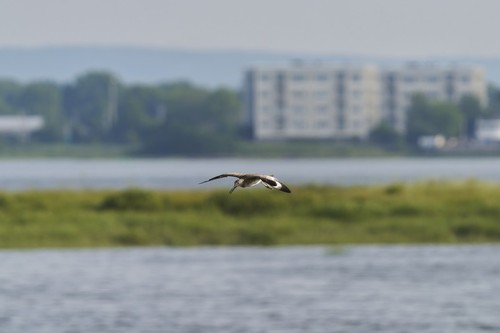
Willet
33-41 cm (13-16 in) long, 65-70 cm wingspan
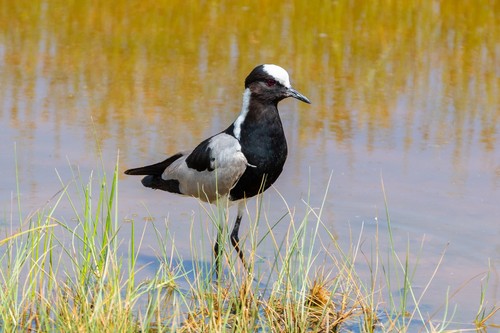
Blacksmith Lapwing
Body length about 30 cm; wingspan 55-65 cm
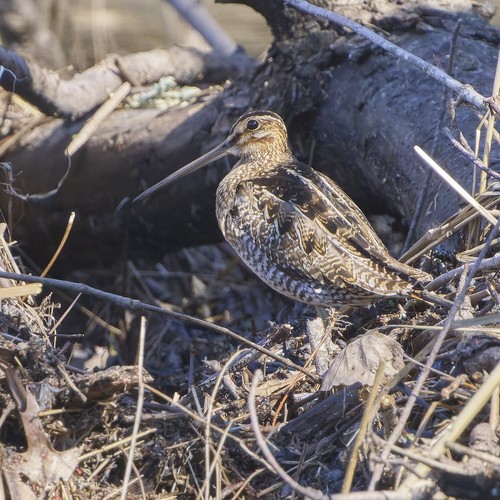
Wilson's Snipe
25-30 cm (10-12 in) long, 39-45 cm wingspan
Western Sandpiper
14-17 cm (5.5-6.7 in) long, 28-37 cm wingspan
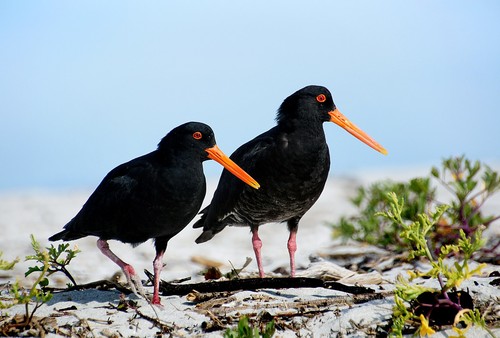
Variable Oystercatcher
46-49 cm (18-19 in) long
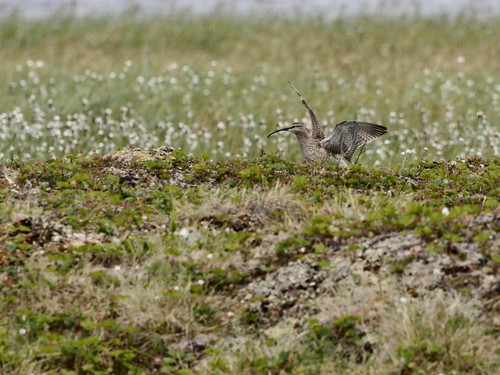
Whimbrel
40-46 cm (16-18 in) long, 76-89 cm wingspan
Wilson's Phalarope
22-24 cm (8.5-9.5 in) long, 37-43 cm wingspan
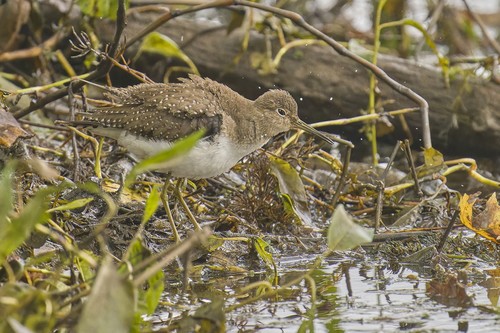
Solitary Sandpiper
19-23 cm (7.5-9 in) long, 50-56 cm wingspan
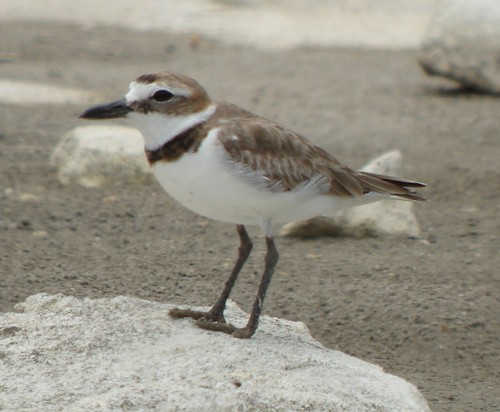
Wilson's Plover
17-19 cm (6.7-7.5 in) long, 45-50 cm wingspan
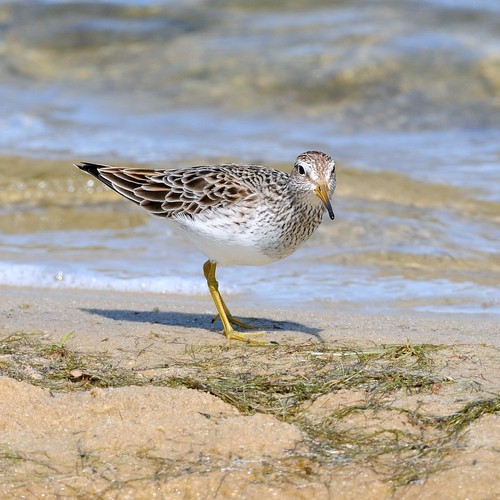
Pectoral Sandpiper
19-23 cm (7.5-9 in) long, 43-49 cm wingspan
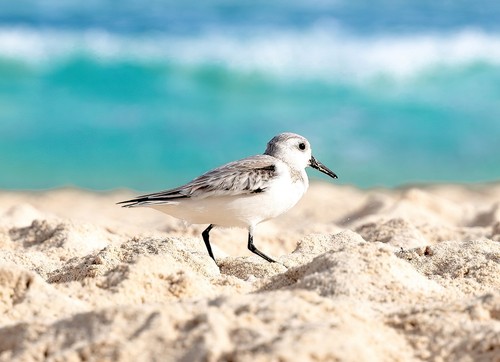
Sanderling
18-20 cm (7-8 in) long, 40-43 cm wingspan