
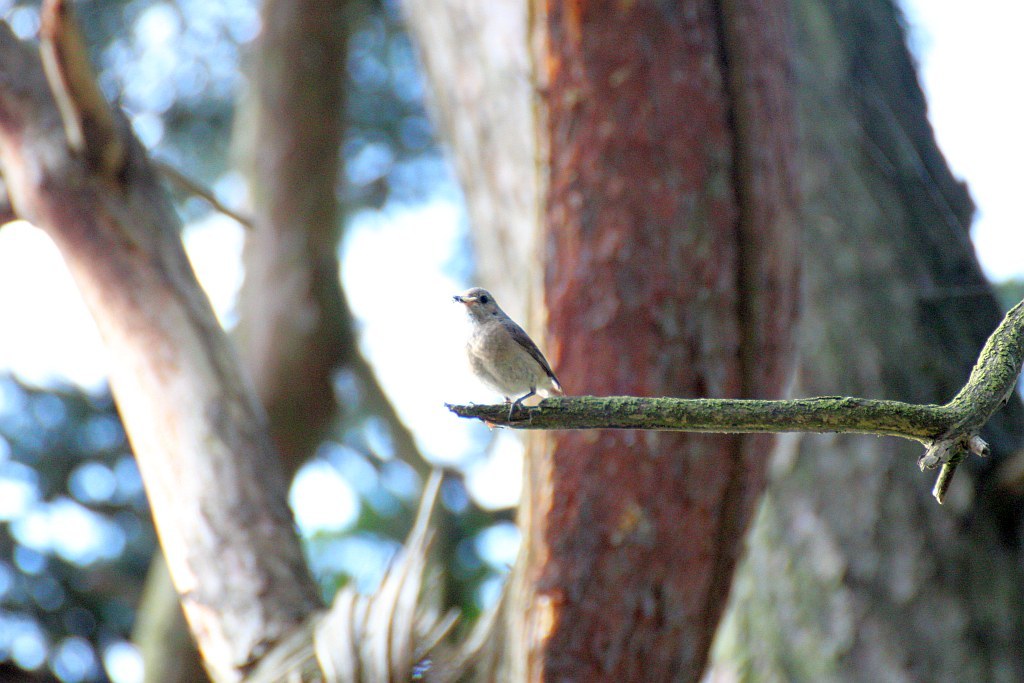
Common Redstart
Phoenicurus phoenicurus
A brightly colored migratory chat of open woodland, the male showing a grey back, black face, and fiery orange breast and tail, constantly quivering its rufous tail.
- Size
- 13-14.5 cm (5.1-5.7 in) long, 20-24 cm wingspan
- Habitat
- open deciduous woodland, parkland, orchards, and old gardens with mature trees
- Type
- songbird
Spotted a bird like this?
Identify any bird from a photo, free.
Overview
The Common Redstart is a strikingly colorful summer visitor to open woodlands across much of Europe, named for its bright, constantly quivering orange-red tail — "start" being an old word for tail.
Appearance
Breeding males are vividly patterned: a blue-grey crown and back, a black face and throat, a white forehead patch, and a bright orange-red breast, flanks, and tail, with the belly fading paler. Females and immatures are much duller — plain grey-brown above and buffy below — but share the diagnostic orange-red tail, which both sexes quiver almost constantly.
How to identify it
Key Field Marks
- Orange-red tail, constantly quivered — present and diagnostic in both sexes
- Male: grey back, black face and throat, white forehead patch, orange breast
- Female: plain grey-brown above, buff below, same rufous tail
- Slim build, frequent perching on exposed branches
Similar Species
Black Redstart is darker overall (sooty grey to black rather than blue-grey), favors rockier and more urban/industrial habitats rather than woodland, and males lack the bright orange breast of the Common Redstart, showing instead a dark chest. Female Common Redstarts can resemble female Black Redstarts closely, but tend to be slightly warmer-toned with paler underparts; habitat is often the best initial clue.
Habitat & range
Habitat
Common Redstarts favor open, mature deciduous woodland — especially oak woods with a relatively open understorey — as well as parkland, orchards, and large gardens with old trees offering nest holes.
Range and Migration
The species breeds across most of Europe and into western Asia, favoring temperate woodland habitats. It is a long-distance migrant, wintering in the Sahel zone of sub-Saharan Africa, arriving back on European breeding grounds in mid-spring.
Behavior & voice
Behavior
Redstarts are active, restless birds, frequently perching on an exposed branch and sallying out to catch flying insects, or dropping to the ground briefly before returning to a perch, all the while quivering the bright tail — a habit thought to help flush insect prey or signal to rivals and mates.
Voice
The song is a short, simple, rather melancholic warbling phrase, often ending abruptly, delivered from a high perch in the canopy. The call is a soft "hweet" or a sharper "tucc-tucc," sometimes combined into an alarm rattle.
Nesting and Breeding
Redstarts nest in cavities — natural tree holes, old woodpecker holes, or nest boxes — lining the chamber with grass, moss, and feathers. The female lays 5-7 pale blue eggs and incubates them for about 12-14 days.
Frequently asked questions
Why is it called a Redstart?
"Start" is an old English word for tail, so the name simply means "red-tail," referencing the bird's bright orange-red tail feathers.
How can you tell a male Common Redstart from a Black Redstart?
The Common Redstart male has a blue-grey back and a bright orange breast, while the Black Redstart male is much darker overall, sooty grey to black, without the orange breast, and typically favors rockier or urban habitats rather than woodland.
Where do Common Redstarts nest?
In cavities such as natural tree holes, old woodpecker holes, or nest boxes in mature woodland, parkland, or orchards.
Where does the Common Redstart spend the winter?
It migrates to the Sahel zone of sub-Saharan Africa, returning to European and western Asian breeding grounds each spring.
Common Redstart guides
In-depth guides for identifying, finding, and understanding Common Redstart.
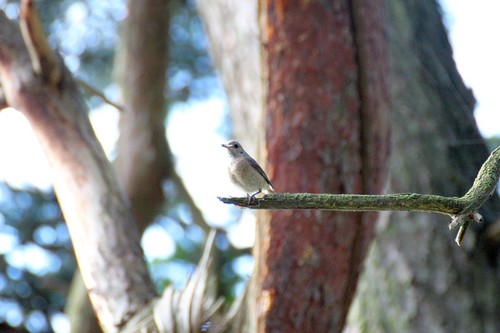
Common Redstart identified by the community
Real birds identified with Bird Identifier.
Other birds you may enjoy
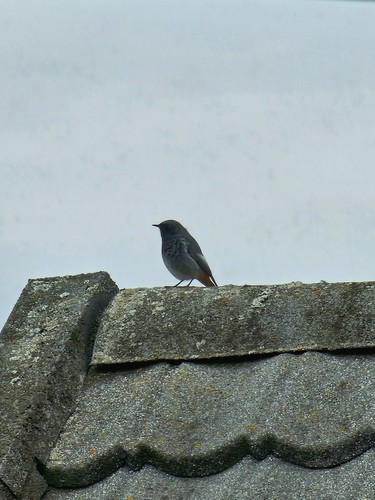
Black Redstart
13-14.5 cm (5.1-5.7 in) long, 23-26 cm wingspan
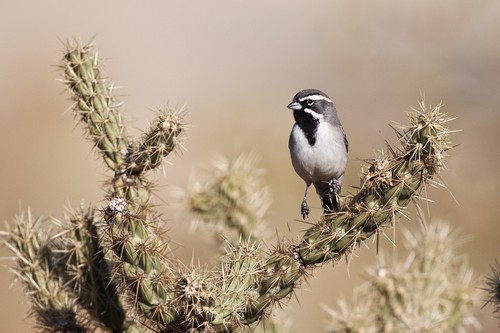
Black-throated Sparrow
12-14 cm (4.7-5.5 in) long, about 19-20 cm (7.5-8 in) wingspan
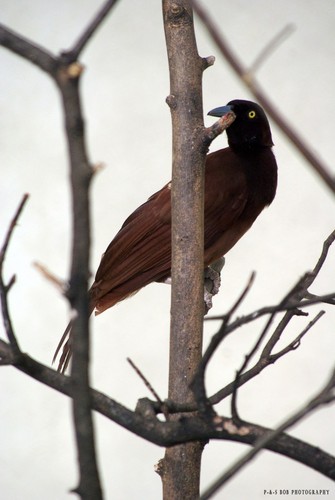
Greater Bird-of-paradise
Body about 43 cm; males with additional flank plumes up to 50 cm and long tail wires
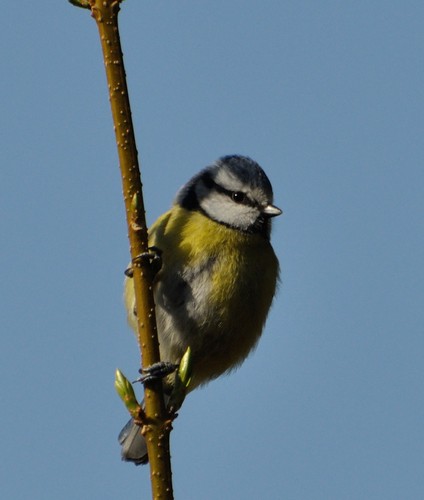
Blue Tit
11-12 cm (4.3-4.7 in) long, 17-20 cm wingspan
Red-billed Quelea
11.5–13 cm long, wingspan about 20–22 cm
White-plumed Antbird
13-14 cm (5-5.5 in) long
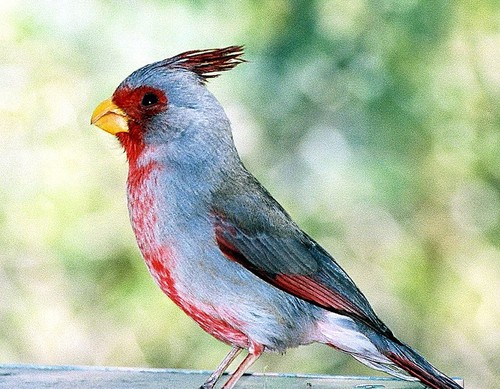
Pyrrhuloxia
19-22 cm (7.5-8.7 in) long, 30 cm wingspan
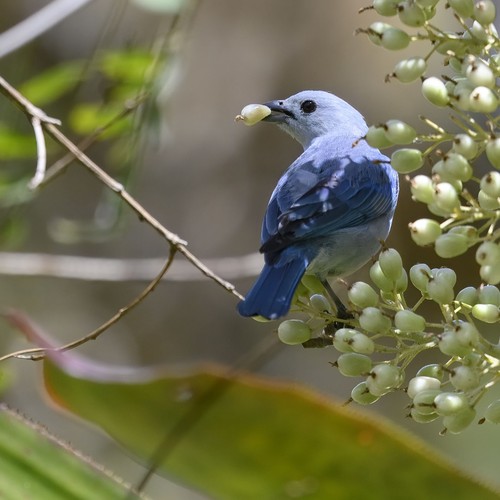
Blue-gray Tanager
16-18 cm (6-7 in) long
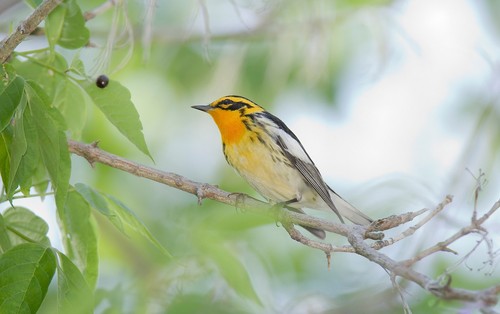
Blackburnian Warbler
11-13 cm (4.3-5.1 in) long, 20-22 cm wingspan
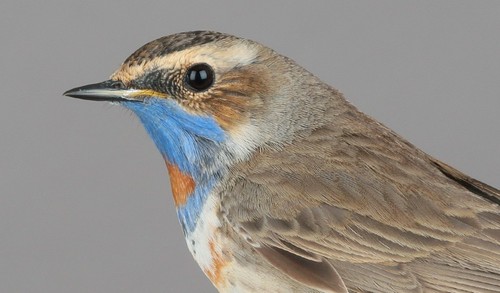
Bluethroat
13-14 cm (5.1-5.5 in) long, 20-22 cm wingspan
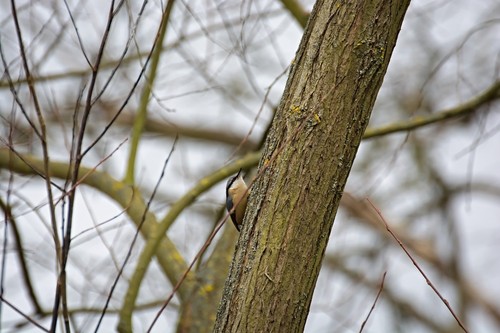
Eurasian Nuthatch
12-14.5 cm (4.7-5.7 in) long, 22.5-27 cm wingspan
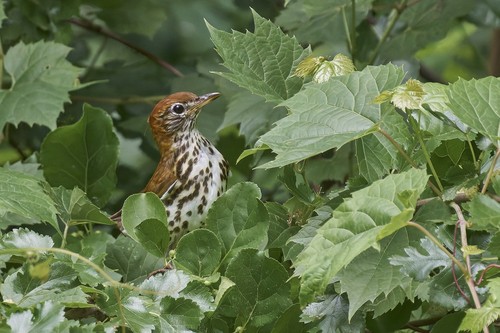
Wood Thrush
19-21 cm (7.5-8.3 in) long, about 33 cm (13 in) wingspan