
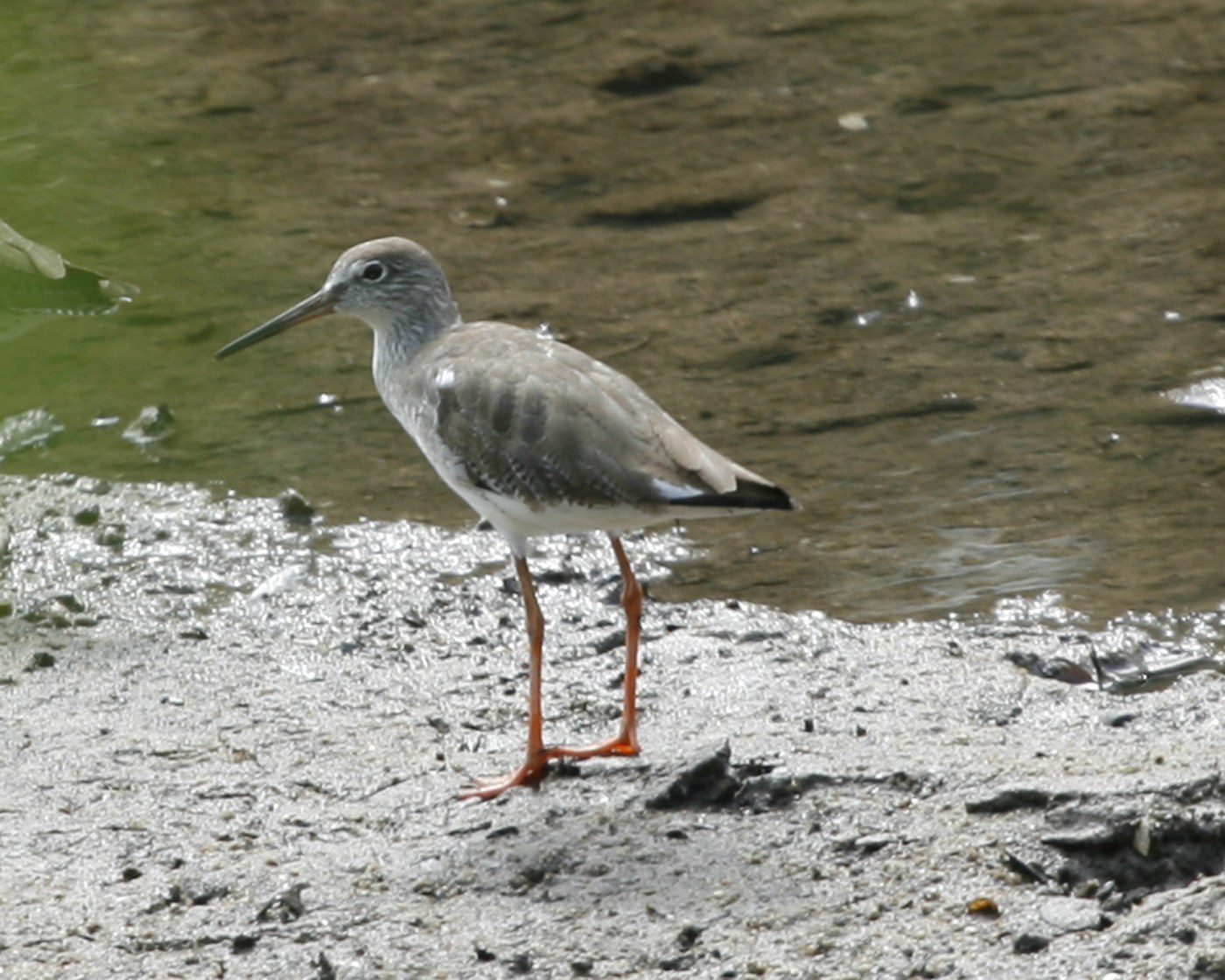
Common Redshank
Tringa totanus
A medium-sized, noisy sandpiper of European wetlands, nicknamed "the warden of the marshes" for its loud alarm calls, and easily told by its bright orange-red legs.
- Size
- 27-29 cm (10.5-11.5 in) long, 59-66 cm wingspan
- Habitat
- wet grasslands and salt marshes (breeding); coastal estuaries and mudflats (non-breeding)
- Type
- shorebird
Spotted a bird like this?
Identify any bird from a photo, free.
Overview
The Common Redshank is a medium-sized sandpiper with brown-gray, streaked upperparts and paler, lightly marked underparts, but its most distinctive features are its bright orange-red legs and the orange-red base to its otherwise dark bill.
In flight it shows a bold white trailing edge to the wings and a white rump, features that make it easily identifiable even at a distance, especially in flocks.
It is notoriously wary and vocal, often the first bird in a wetland to spot danger and take flight while calling loudly, a habit that has earned it the nickname "warden of the marshes" among European birdwatchers, since its alarm calls alert other wetland birds to approaching threats.
How to identify it
Key field marks
- Bright orange-red legs
- Orange-red base to an otherwise dark-tipped bill
- Bold white trailing edge to the wings, conspicuous in flight
- White rump, visible in flight
Similar species
- Spotted Redshank has longer, darker legs and a longer, thinner bill, and lacks the white wing trailing edge.
- Common Greenshank is larger with greenish (not red) legs and an upturned bill.
Habitat & range
Common Redshanks breed in wet grasslands, salt marshes, and moorland across much of Europe and Asia. Outside the breeding season they concentrate on coastal estuaries, mudflats, and salt marshes across western Europe, Africa, and southern Asia, often in large, wary flocks.
Behavior & voice
Voice
A loud, ringing, repeated teu-hu-hu or tyu alarm call, given persistently at the slightest disturbance, earning the species a reputation as an effective sentinel for other wetland birds.
Feeding
Probes and picks in mud, wet grassland, and shallow water for worms, mollusks, insects, and crustaceans.
Nesting
Nests on the ground in a shallow, grass-lined scrape concealed among tussocks in wet meadows or salt marsh. Both parents share incubation and are highly vigilant, calling loudly and flying up at the first hint of danger near the nest.
Frequently asked questions
Why is the Common Redshank called "warden of the marshes"?
It is extremely wary and quick to give loud alarm calls at any disturbance, effectively warning other wetland birds of approaching danger.
How do you identify a Common Redshank?
Look for its bright orange-red legs, orange-red bill base, and, in flight, a bold white trailing edge to the wings and white rump.
How is it different from the Spotted Redshank?
The Common Redshank has a white wing trailing edge and a shorter bill, while the Spotted Redshank has longer, darker legs, a longer thin bill, and lacks the white wing trailing edge.
What does a Common Redshank eat?
Worms, mollusks, insects, and crustaceans probed and picked from mud and wet grassland.
Common Redshank guides
In-depth guides for identifying, finding, and understanding Common Redshank.
Other birds you may enjoy
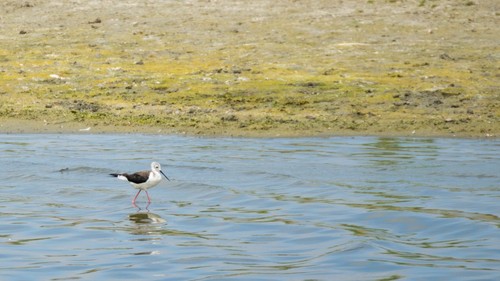
Black-winged Stilt
33-36 cm (13-14 in) long, wingspan 67-83 cm
Willet
33-41 cm (13-16 in) long, 65-70 cm wingspan
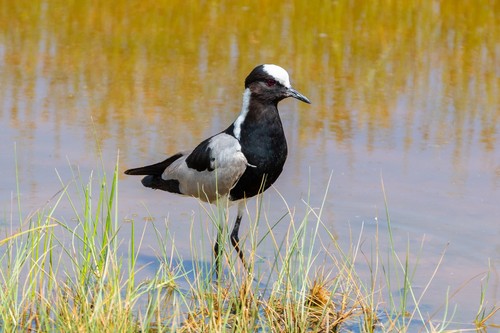
Blacksmith Lapwing
Body length about 30 cm; wingspan 55-65 cm
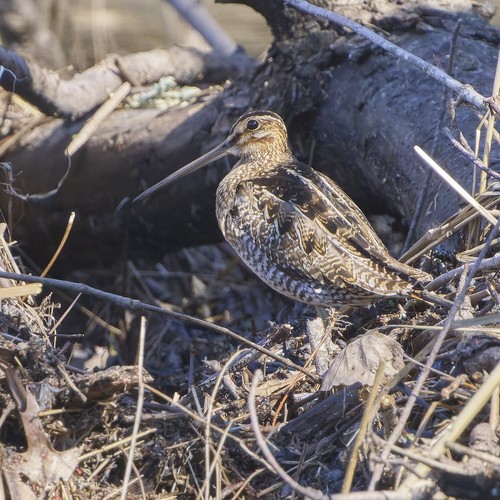
Wilson's Snipe
25-30 cm (10-12 in) long, 39-45 cm wingspan
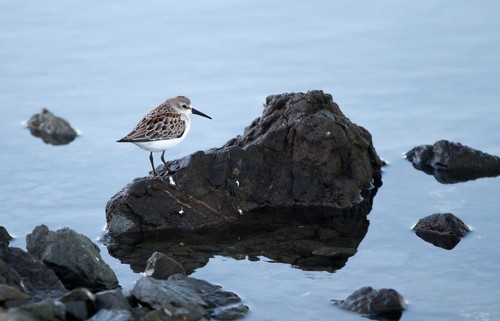
Western Sandpiper
14-17 cm (5.5-6.7 in) long, 28-37 cm wingspan
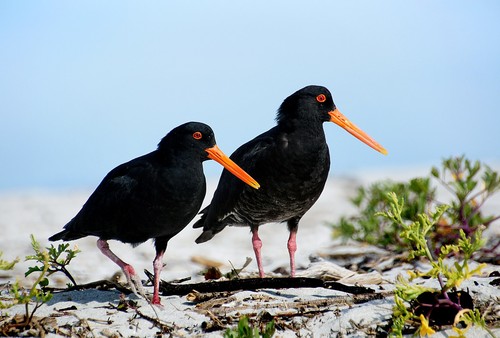
Variable Oystercatcher
46-49 cm (18-19 in) long
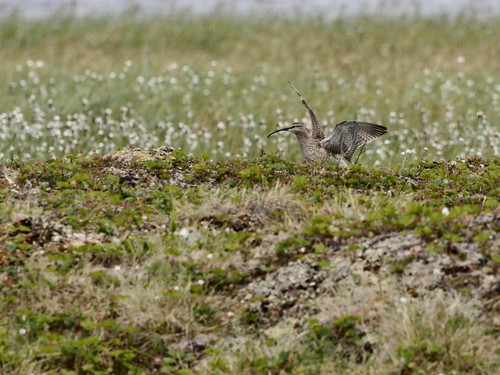
Whimbrel
40-46 cm (16-18 in) long, 76-89 cm wingspan
Wilson's Phalarope
22-24 cm (8.5-9.5 in) long, 37-43 cm wingspan
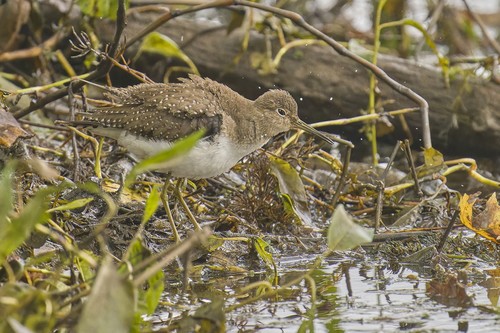
Solitary Sandpiper
19-23 cm (7.5-9 in) long, 50-56 cm wingspan
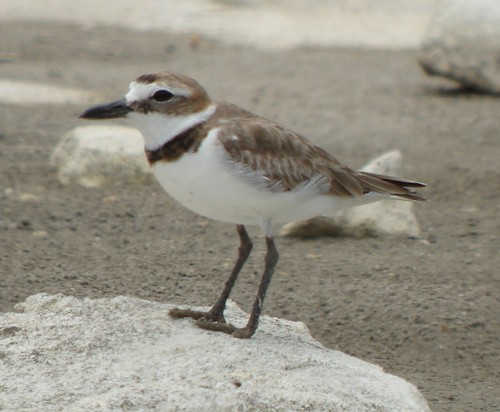
Wilson's Plover
17-19 cm (6.7-7.5 in) long, 45-50 cm wingspan
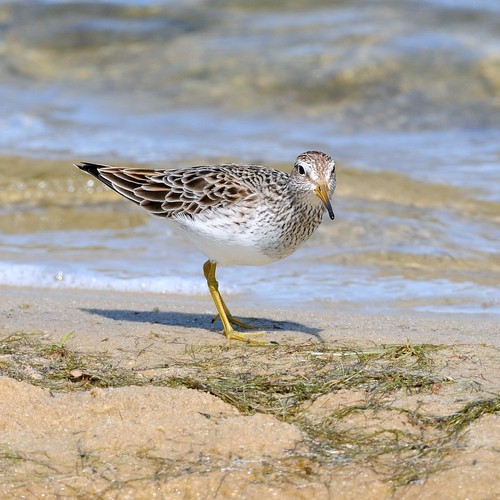
Pectoral Sandpiper
19-23 cm (7.5-9 in) long, 43-49 cm wingspan
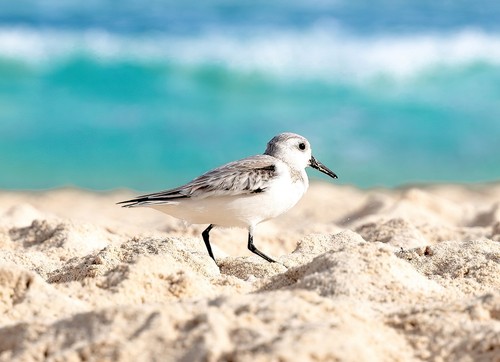
Sanderling
18-20 cm (7-8 in) long, 40-43 cm wingspan