
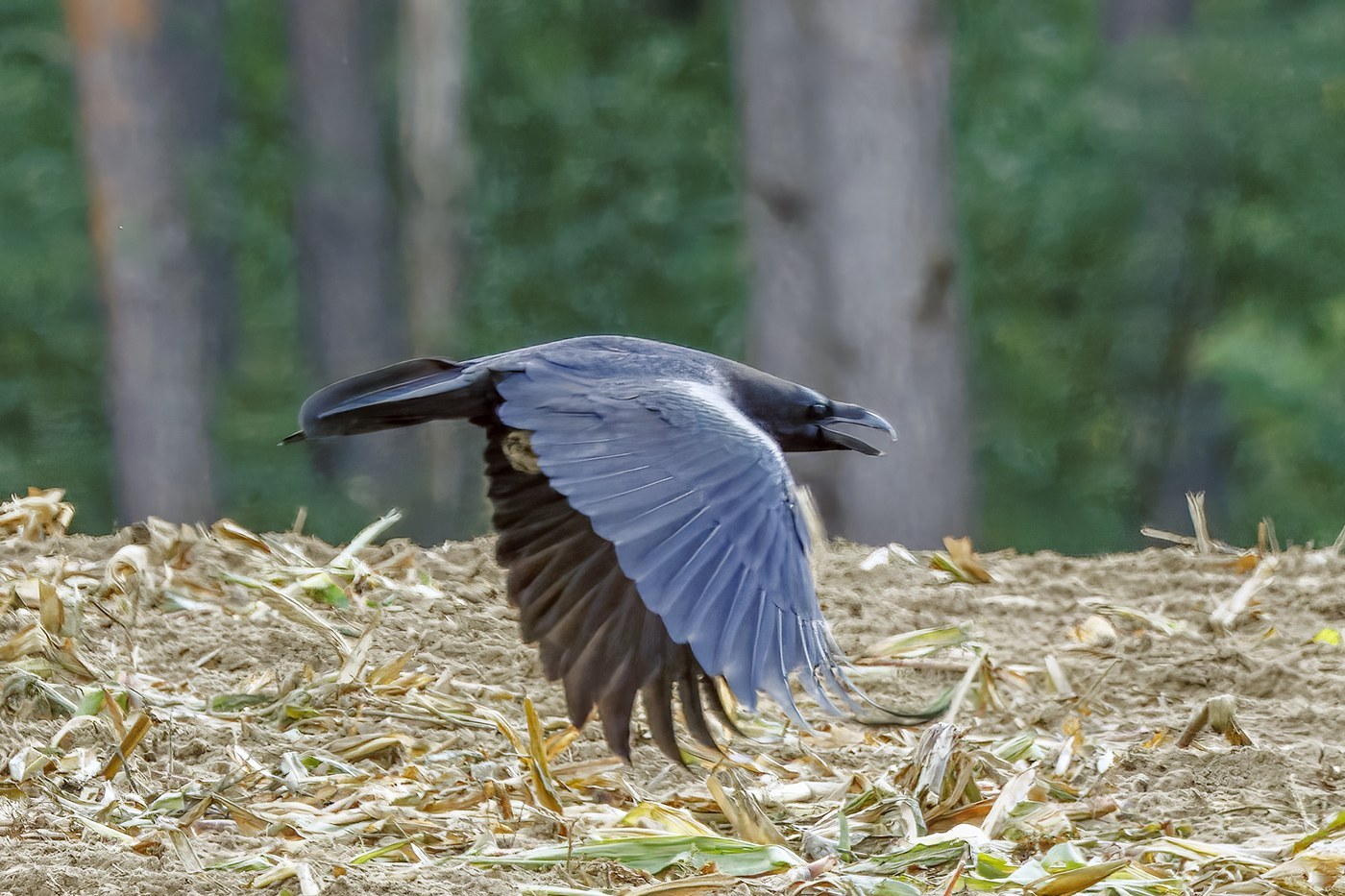
Common Raven
Corvus corax
A massive, highly intelligent black corvid with a wedge-shaped tail and deep croaking voice, found across a vast range of wild habitats.
- Size
- 56-69 cm (22-27 in) long, 115-150 cm wingspan
- Habitat
- mountains, deserts, forests, tundra, coastlines, and increasingly urban areas
- Type
- songbird
Spotted a bird like this?
Identify any bird from a photo, free.
Overview
The Common Raven is one of the largest and most intelligent passerine birds in the world, entirely glossy black with a heavy, powerful bill and shaggy throat feathers called hackles. In flight it shows a distinctive wedge- or diamond-shaped tail, differing from the fan-shaped tail of crows, and often soars on flat or slightly raised wings, a behavior rare among crow relatives.
Ravens have an extraordinarily wide global range, occurring across much of the Northern Hemisphere, and hold deep cultural significance in the mythology of many human societies, from Norse legend to numerous Indigenous North American traditions, in part due to their perceived cleverness and boldness.
How to identify it
Key Field Marks
- Large size, notably bigger than American Crow, roughly the size of a Red-tailed Hawk
- Heavy, deep-based bill, often with a slight curve
- Wedge- or diamond-shaped tail visible in flight
- Shaggy throat feathers (hackles), especially noticeable when calling
- Soars frequently on flat wings, unlike crows
Similar Species
- American Crow is smaller with a slimmer bill, a fan-shaped tail, and a higher-pitched caw rather than a deep croak, and rarely soars.
- Chihuahuan Raven is smaller than the Common Raven with a shorter bill and restricted to arid Southwest grasslands and deserts.
Habitat & range
Habitat
Common Ravens occupy an exceptionally broad range of habitats, including mountains, deserts, coastal cliffs, boreal and temperate forests, tundra, and increasingly cities and suburbs.
Range
This species has one of the largest natural ranges of any bird, found across most of North America, Europe, Asia, and North Africa; in North America it is most common in the West, boreal Canada, and Alaska.
Migration
Most populations are non-migratory residents, though some northern and high-elevation birds move to lower elevations or latitudes in severe winters.
Behavior & voice
Behavior
Ravens are exceptionally intelligent, displaying tool use, planning, and complex problem-solving comparable to great apes in some studies. They form long-term pair bonds and defend territories, while non-breeding young often gather in large, mobile flocks.
Voice
The classic call is a deep, resonant croak, but ravens have an enormous vocal repertoire including knocks, gurgles, and even mimicry of other sounds.
Feeding
Ravens are opportunistic omnivores and skilled scavengers, feeding on carrion, small mammals, insects, eggs and nestlings of other birds, seeds, and fruit, and are known to work cooperatively to access food.
Nesting
Pairs build a large stick nest lined with softer material, typically on a cliff ledge, tall tree, or human structure; the female incubates 3-7 pale blue-green, brown-blotched eggs while the male provides food.
Frequently asked questions
How big is a Common Raven compared to a crow?
Ravens are significantly larger, roughly the size of a Red-tailed Hawk, with a heavier bill and a wedge-shaped tail compared to the smaller crow's fan-shaped tail.
Are ravens smarter than crows?
Both are highly intelligent corvids; ravens are often noted for exceptional problem-solving and tool use comparable to some primates.
What is the difference between raven and crow calls?
Ravens give a deep, resonant croak, while crows give a higher-pitched, nasal caw.
Where do Common Ravens live?
They occupy an enormous range of habitats worldwide, from Arctic tundra to deserts, mountains, and forests across North America, Europe, Asia, and North Africa.
Do ravens mate for life?
Yes, ravens typically form long-term pair bonds and defend a shared territory together.
Common Raven guides
In-depth guides for identifying, finding, and understanding Common Raven.
Other birds you may enjoy
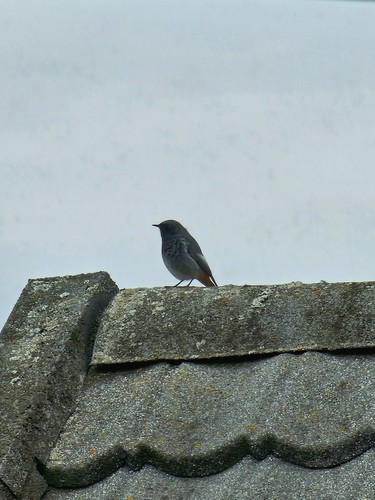
Black Redstart
13-14.5 cm (5.1-5.7 in) long, 23-26 cm wingspan
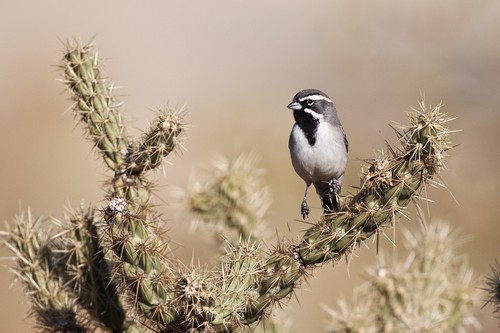
Black-throated Sparrow
12-14 cm (4.7-5.5 in) long, about 19-20 cm (7.5-8 in) wingspan
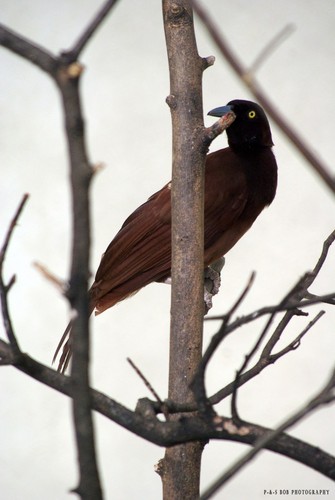
Greater Bird-of-paradise
Body about 43 cm; males with additional flank plumes up to 50 cm and long tail wires
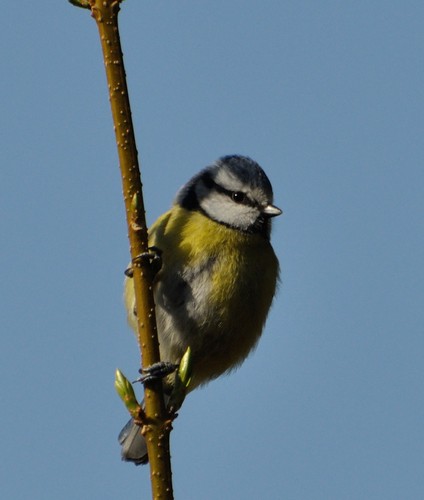
Blue Tit
11-12 cm (4.3-4.7 in) long, 17-20 cm wingspan

Red-billed Quelea
11.5–13 cm long, wingspan about 20–22 cm
White-plumed Antbird
13-14 cm (5-5.5 in) long
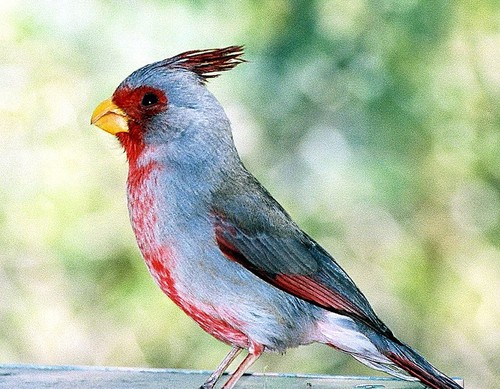
Pyrrhuloxia
19-22 cm (7.5-8.7 in) long, 30 cm wingspan
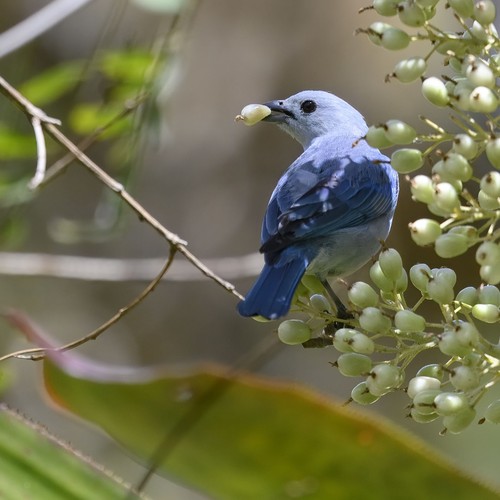
Blue-gray Tanager
16-18 cm (6-7 in) long
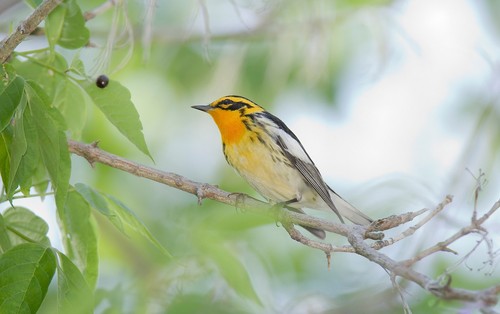
Blackburnian Warbler
11-13 cm (4.3-5.1 in) long, 20-22 cm wingspan
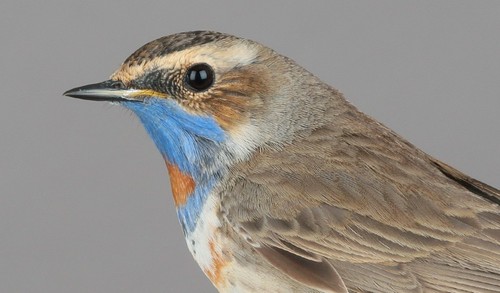
Bluethroat
13-14 cm (5.1-5.5 in) long, 20-22 cm wingspan
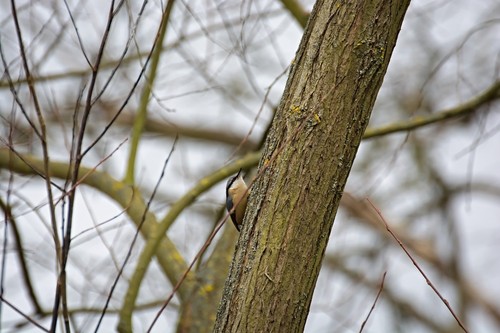
Eurasian Nuthatch
12-14.5 cm (4.7-5.7 in) long, 22.5-27 cm wingspan
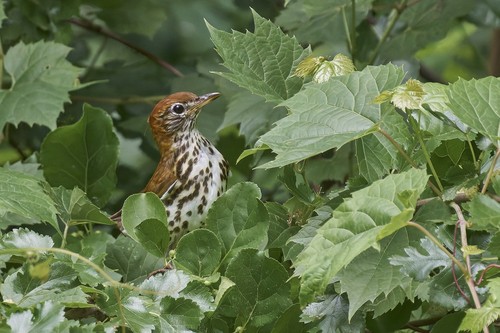
Wood Thrush
19-21 cm (7.5-8.3 in) long, about 33 cm (13 in) wingspan