
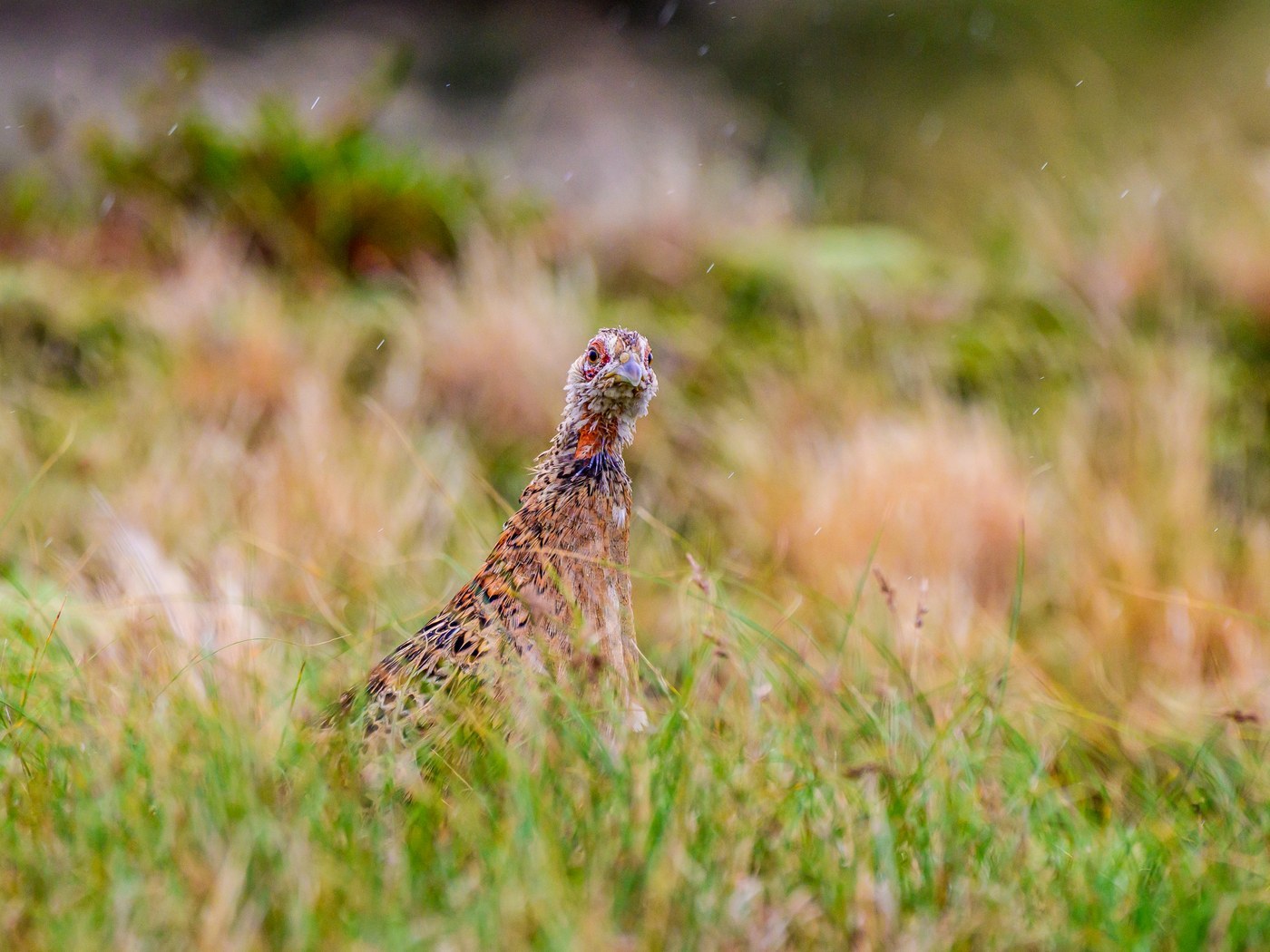
Common Pheasant
Phasianus colchicus
A large, long-tailed gamebird; males are strikingly iridescent with a bare red face, while females are cryptically mottled brown.
- Size
- male 66-89 cm (26-35 in) long including tail, female 53-63 cm; wingspan 70-90 cm
- Habitat
- farmland, woodland edge, hedgerows, and open country with cover
- Type
- gamebird
Spotted a bird like this?
Identify any bird from a photo, free.
Overview
The Common Pheasant is a large, unmistakable gamebird. Males are spectacular, with a long, pointed tail, glossy copper-and-gold body plumage shot through with iridescent green, purple, and bronze, a dark green head, and bare scarlet skin around the eye; many populations also show a white neck ring. Females are far less conspicuous, mottled pale brown and buff overall for camouflage, with a shorter tail than the male.
Originally native to Asia, it has been widely introduced across Europe, North America, and elsewhere, and is now a familiar and widespread bird of farmland and woodland edge in many regions.
How to identify it
Key field marks
- Male: long pointed tail, iridescent copper-gold body, dark green head, bare red facial skin, often a white neck ring
- Female: mottled pale brown, shorter tail, cryptic and sparrow-like in pattern but much larger
- Explosive, whirring takeoff when flushed
- Loud, harsh crowing call from males
Similar species
- Female Pheasants can be confused with female Grey Partridge or Red-legged Partridge, but are considerably larger with a much longer tail.
The male's combination of size, long tail, and iridescent plumage makes it unmistakable; females are best identified by size, shape, and the long pointed tail relative to partridges.
Habitat & range
Habitat
Thrives in mixed farmland with hedgerows, woodland edge, shelterbelts, and areas of rough cover for roosting and nesting.
Range
Native to Asia from the Caucasus to China and Japan; widely introduced and now established across most of Europe, North America, and parts of Australasia.
Migration
Non-migratory and largely sedentary, though birds may move locally in search of food and cover.
Behavior & voice
Behavior
Spends most of its time on or near the ground, walking and running through cover, and flying only reluctantly with a fast, whirring burst of wingbeats followed by a glide when flushed. Roosts in trees or dense vegetation at night.
Voice
Males give a loud, harsh double crow, often followed by a burst of wing-whirring, especially at dawn and dusk in the breeding season.
Feeding
Omnivorous, taking seeds, grain, leaves, berries, and invertebrates, foraged by scratching and pecking on the ground.
Nesting and breeding
Nests in a shallow ground scrape concealed in vegetation. Females lay 8-15 olive-brown eggs and incubate alone for about 23-28 days; males are often polygynous, mating with several females.
Frequently asked questions
Is the Common Pheasant native to Europe?
No, it originates from Asia but has been widely introduced across Europe over centuries and is now naturalized in many countries.
Why do male and female Pheasants look so different?
Males are brightly iridescent to attract mates and compete with rivals, while females are cryptically colored to stay camouflaged while nesting on the ground.
What does the Pheasant's call sound like?
A loud, harsh double crow, often followed by a short burst of whirring wingbeats.
Where do Pheasants nest?
In a simple scrape on the ground, well hidden within grass, crops, or hedgerow cover.
Can Pheasants fly well?
They fly in fast, explosive bursts over short distances but prefer walking or running and are reluctant to fly unless flushed.
Common Pheasant guides
In-depth guides for identifying, finding, and understanding Common Pheasant.
Other birds you may enjoy
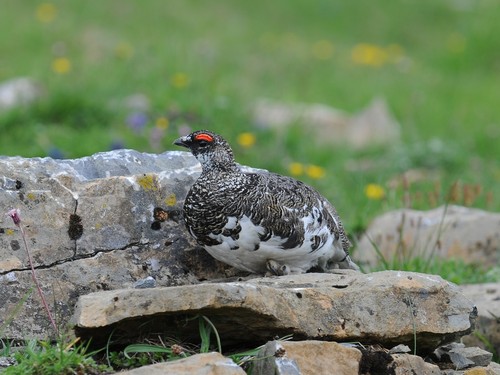
Rock Ptarmigan
34-36 cm (13-14 in) long
Congo Peafowl
Males about 64-70 cm long; females slightly smaller; no elaborate train
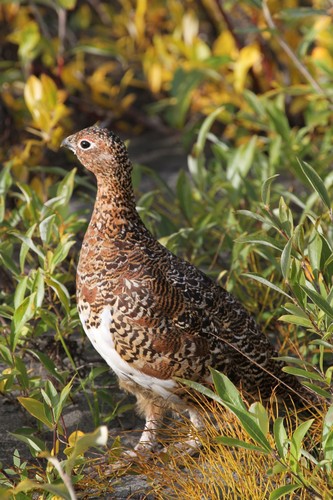
Willow Ptarmigan
37-42 cm (15-16.5 in) long
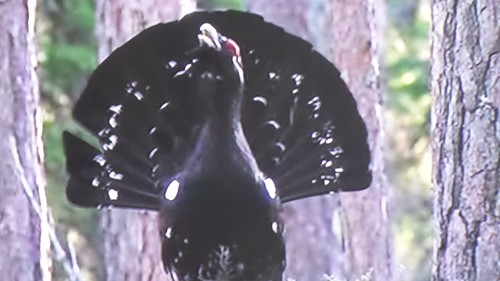
Western Capercaillie
male 74-90 cm (29-35 in), female 54-64 cm; male wingspan up to 125-130 cm
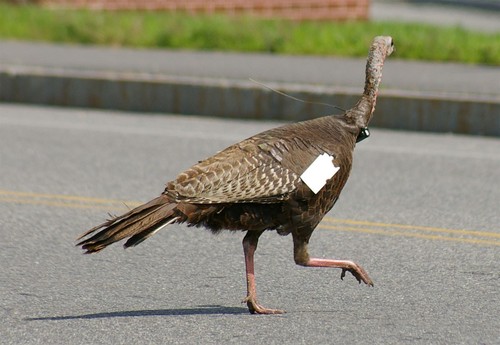
Wild Turkey
males 100-125 cm (39-49 in) long; females smaller, around 76-95 cm (30-37 in)
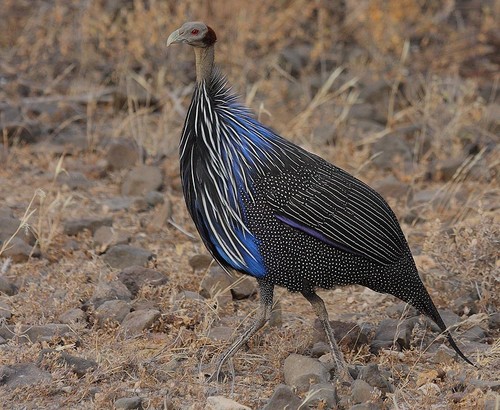
Vulturine Guineafowl
Length 61-71 cm, the largest guineafowl species, with a notably long neck and tail
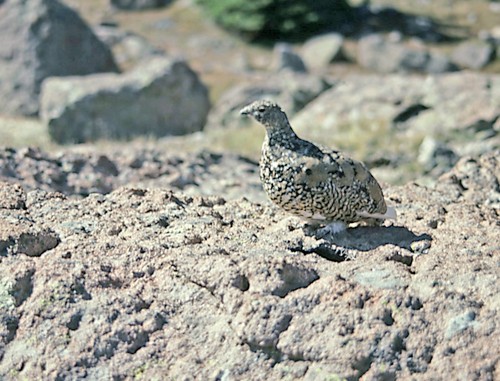
White-tailed Ptarmigan
30-33 cm (12-13 in) long; the smallest ptarmigan species
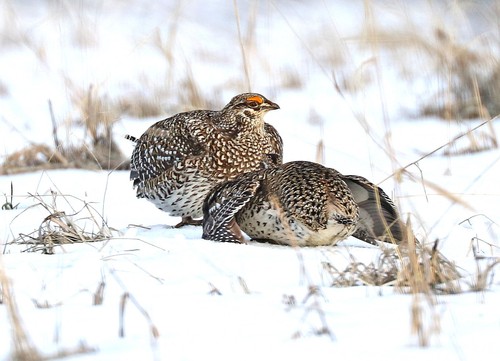
Sharp-tailed Grouse
38-48 cm (15-19 in) long
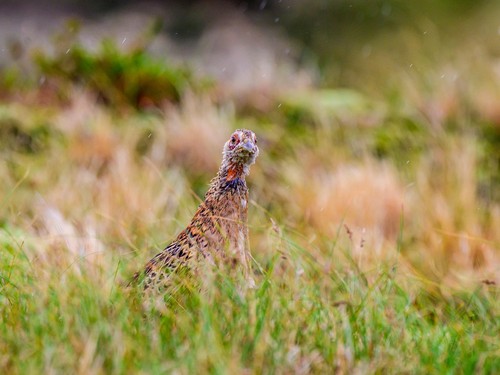
Ring-necked Pheasant
males 76-90 cm (30-35 in) long including a long tail; females smaller, 55-65 cm (22-26 in)
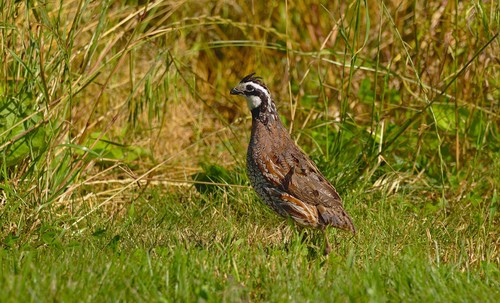
Northern Bobwhite
24-28 cm (9.5-11 in) long, 33-38 cm wingspan
Red-legged Partridge
32-34 cm (13 in) long, 47-50 cm wingspan
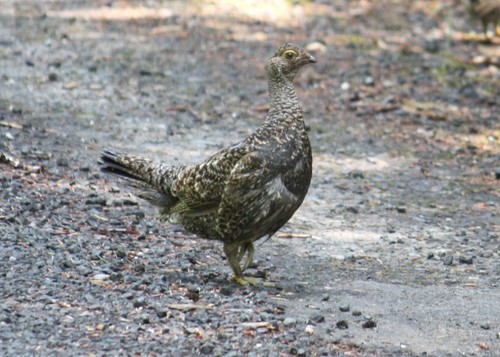
Sooty Grouse
43-48 cm (17-19 in) long; males larger than females