
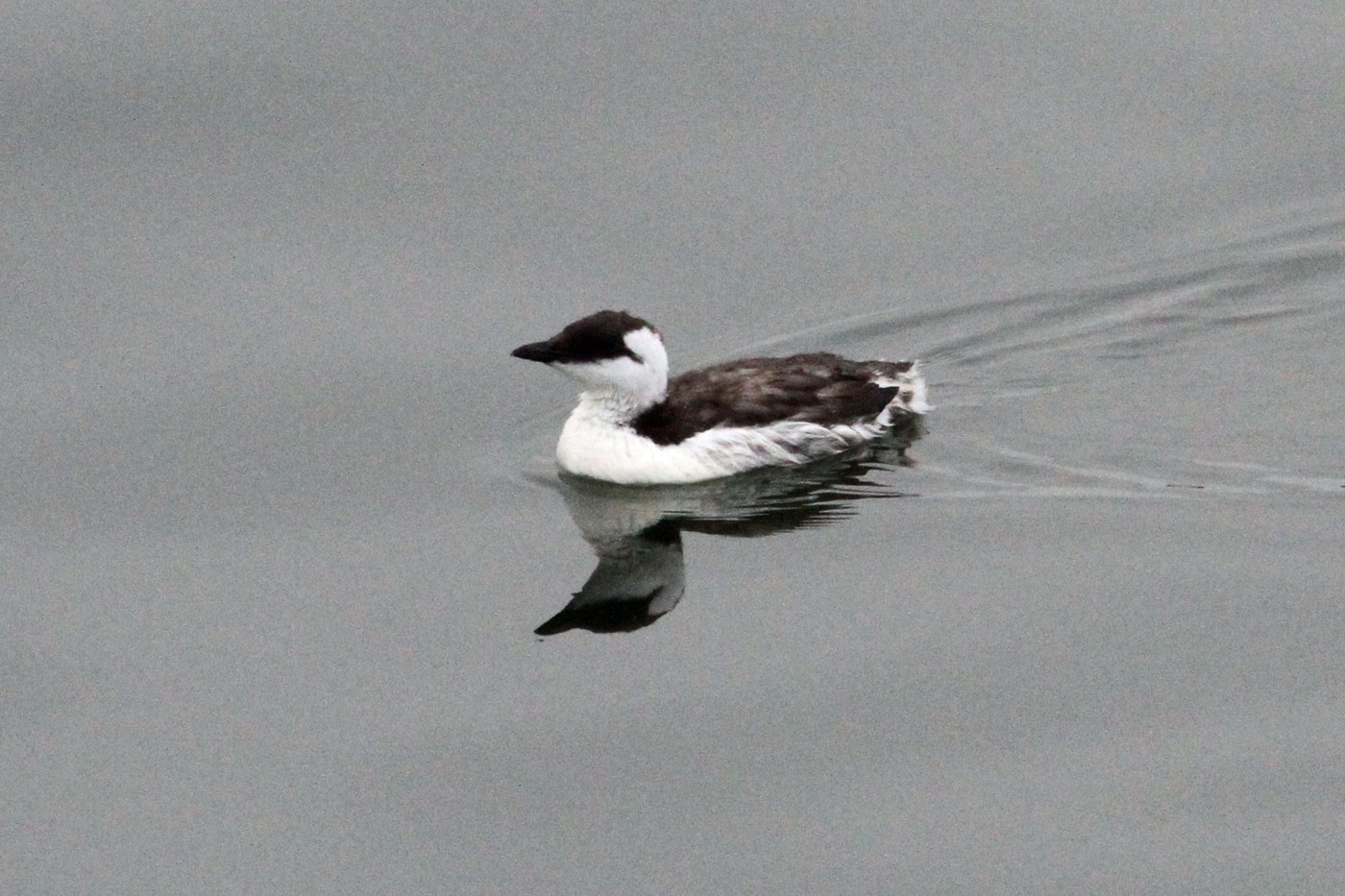
Common Murre
Uria aalge
A slender, penguin-like auk with a dark brown-black back and white underparts, breeding in dense, noisy cliff colonies.
- Size
- 38-46 cm (15-18 in) long, 64-73 cm wingspan
- Habitat
- cold-temperate and subarctic coastal cliffs, open ocean
- Type
- seabird
Spotted a bird like this?
Identify any bird from a photo, free.
Overview
The Common Murre is a streamlined, penguin-like seabird that spends most of its life on open water, coming ashore only to breed in some of the densest and noisiest seabird colonies in the world. Adults have a chocolate-brown to blackish head, back, and wings contrasting with a clean white breast and belly, and a long, slender, pointed bill that distinguishes it from the shorter-billed Thick-billed Murre. In winter, the throat and face turn white with a dark line extending back from the eye.
Despite an ungainly, upright waddle on land, Common Murres are powerful swimmers, using their wings to "fly" underwater in pursuit of fish at considerable depths.
How to identify it
Key field marks
- Long, slender, pointed black bill
- Dark brown-black upperparts, white underparts
- Upright, penguin-like posture on land
- White throat and face in non-breeding plumage, with a dark eye-line
Similar species
- Thick-billed Murre has a noticeably shorter, thicker bill with a pale stripe (gape line) and a sharper border between dark throat and white belly in breeding plumage.
- Razorbill has a deep, blunt bill marked with a white line, quite different from the murre's slender bill.
- Non-breeding murres of both species can be tricky to separate at a distance; bill shape and the extent of white on the face are the best clues.
Habitat & range
Common Murres breed in enormous, densely packed colonies on narrow ledges of sea cliffs and offshore rock stacks across the North Atlantic and North Pacific, from Arctic Canada, Greenland, and Iceland to Britain, and from California and Alaska across the Pacific to Japan and Russia. Outside the breeding season, they disperse widely over open ocean, often well offshore, following productive cold-water currents.
Many populations move south in winter in response to sea temperature and prey availability, though the species generally remains within temperate to subarctic latitudes year-round.
Behavior & voice
Behavior
Common Murres are exceptional divers, capable of reaching depths over 100 meters in pursuit of fish, using their wings for underwater propulsion much like a penguin, though they retain the ability to fly in air as well.
Voice
Colonies are extremely noisy, with birds giving a distinctive rolling, growling "arrr" or "murre" call that gives the species part of its name.
Feeding
Small schooling fish such as capelin, sand eels, and sprat form the bulk of the diet, supplemented by crustaceans and other invertebrates.
Nesting and breeding
A single egg is laid directly on bare rock ledges without a nest structure; the egg's pointed, pear-like shape helps prevent it from rolling off the narrow ledge, and chicks leave the colony for the sea before they can fly, accompanied by the male parent, in a dramatic "jumping" fledging event.
Frequently asked questions
How do Common Murres differ from Thick-billed Murres?
Common Murres have a longer, thinner, more pointed bill, while Thick-billed Murres have a shorter, stouter bill with a pale stripe along the gape.
Why do murre eggs have a pointed shape?
Their pyriform (pear-like) shape causes them to roll in a tight circle rather than off the narrow cliff ledges where they are laid, reducing the risk of the egg falling.
How deep can Common Murres dive?
They can dive to depths exceeding 100 meters, using their wings to swim underwater in pursuit of fish.
Do murre chicks fly before leaving the nest?
No, chicks leap from the cliff ledge to the sea well before they can fly, accompanied by a parent, and complete their flight feather growth at sea.
Where do Common Murres breed?
On sea cliffs and rock stacks across the North Atlantic and North Pacific, forming some of the largest and densest seabird colonies in the world.
Common Murre guides
In-depth guides for identifying, finding, and understanding Common Murre.
Other birds you may enjoy
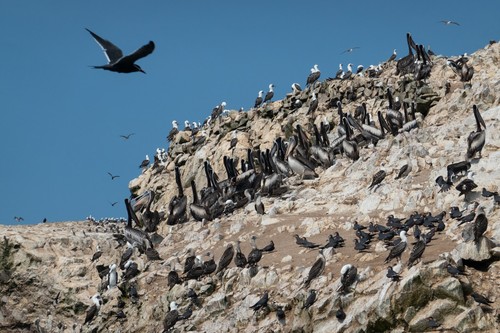
Peruvian Pelican
137-152 cm (54-60 in) long, up to 228 cm wingspan
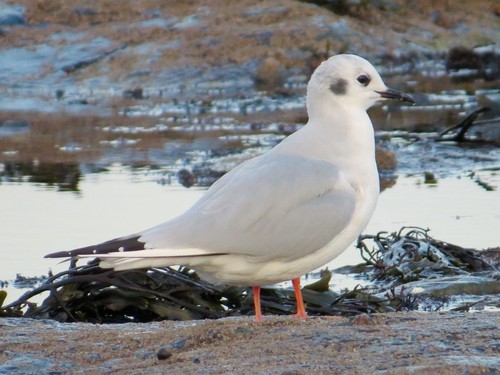
Bonaparte's Gull
28-33 cm (11-13 in) long, 76-84 cm wingspan
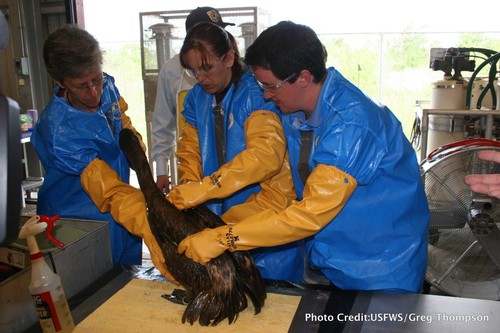
Brown Pelican
106-137 cm (42-54 in) long, 200-230 cm wingspan
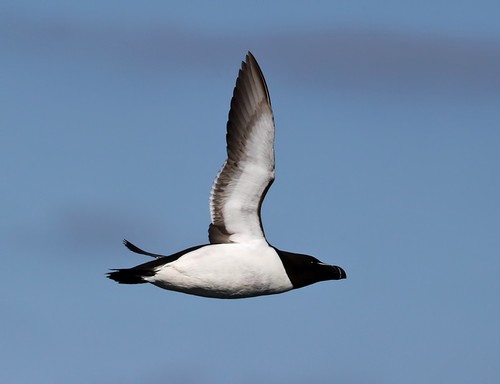
Razorbill
37-39 cm (15-15.5 in) long, 63-68 cm wingspan
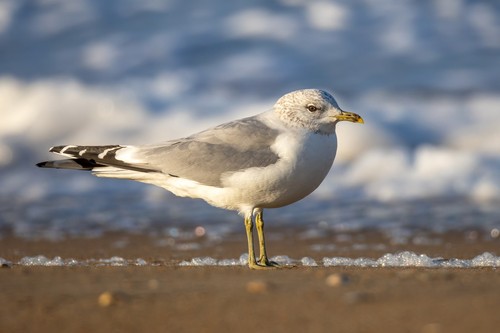
Common Gull
40-46 cm (16-18 in) long, 110-130 cm wingspan
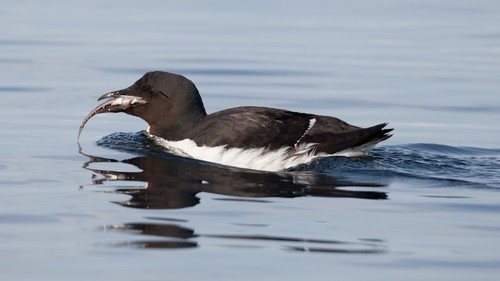
Thick-billed Murre
40-48 cm (16-19 in) long, 65-75 cm wingspan
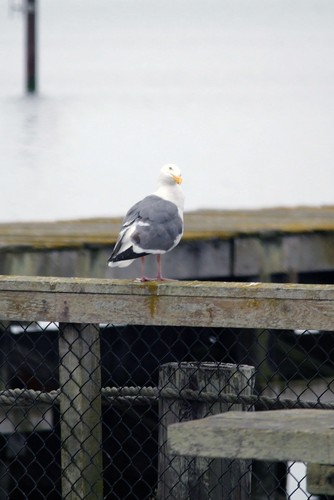
Western Gull
55-68 cm (22-27 in) long, 130-144 cm wingspan
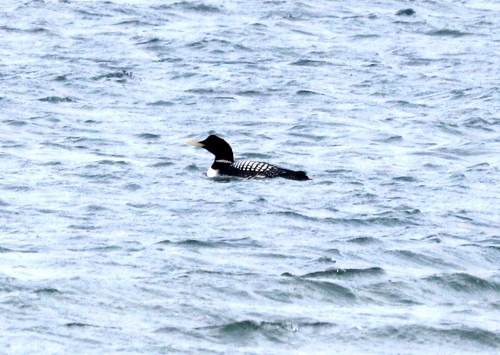
Yellow-billed Loon
76-97 cm (30-38 in) long, 135-152 cm wingspan
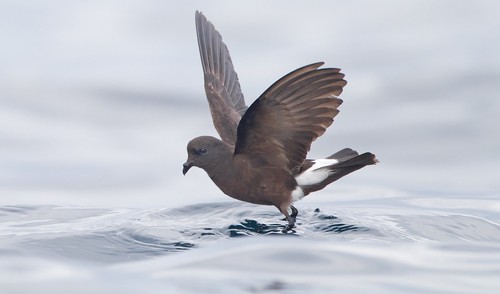
Wilson's Storm-Petrel
15-19 cm (6-7.5 in) long, wingspan 38-42 cm (15-16.5 in)
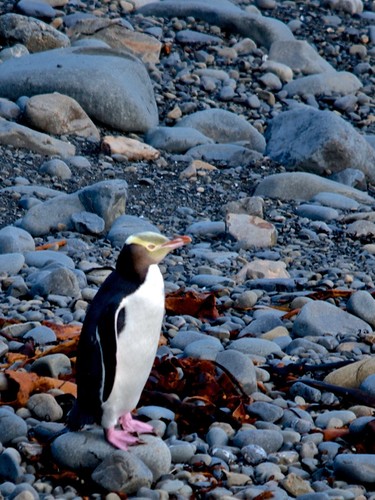
Yellow-eyed Penguin
62-79 cm (24-31 in) tall, 3-8.5 kg (6.6-18.7 lb)
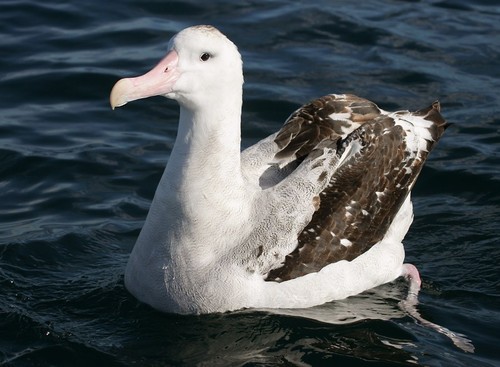
Wandering Albatross
107-135 cm (42-53 in) long, wingspan up to 3.5 m (11.5 ft)
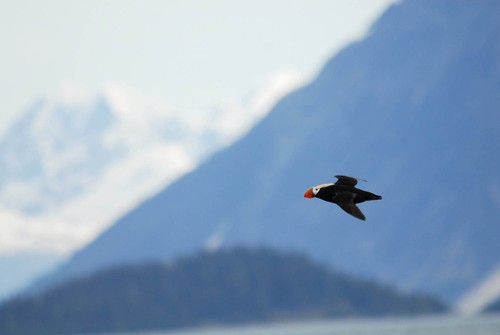
Tufted Puffin
35-41 cm (14-16 in) long, about 63-70 cm wingspan