
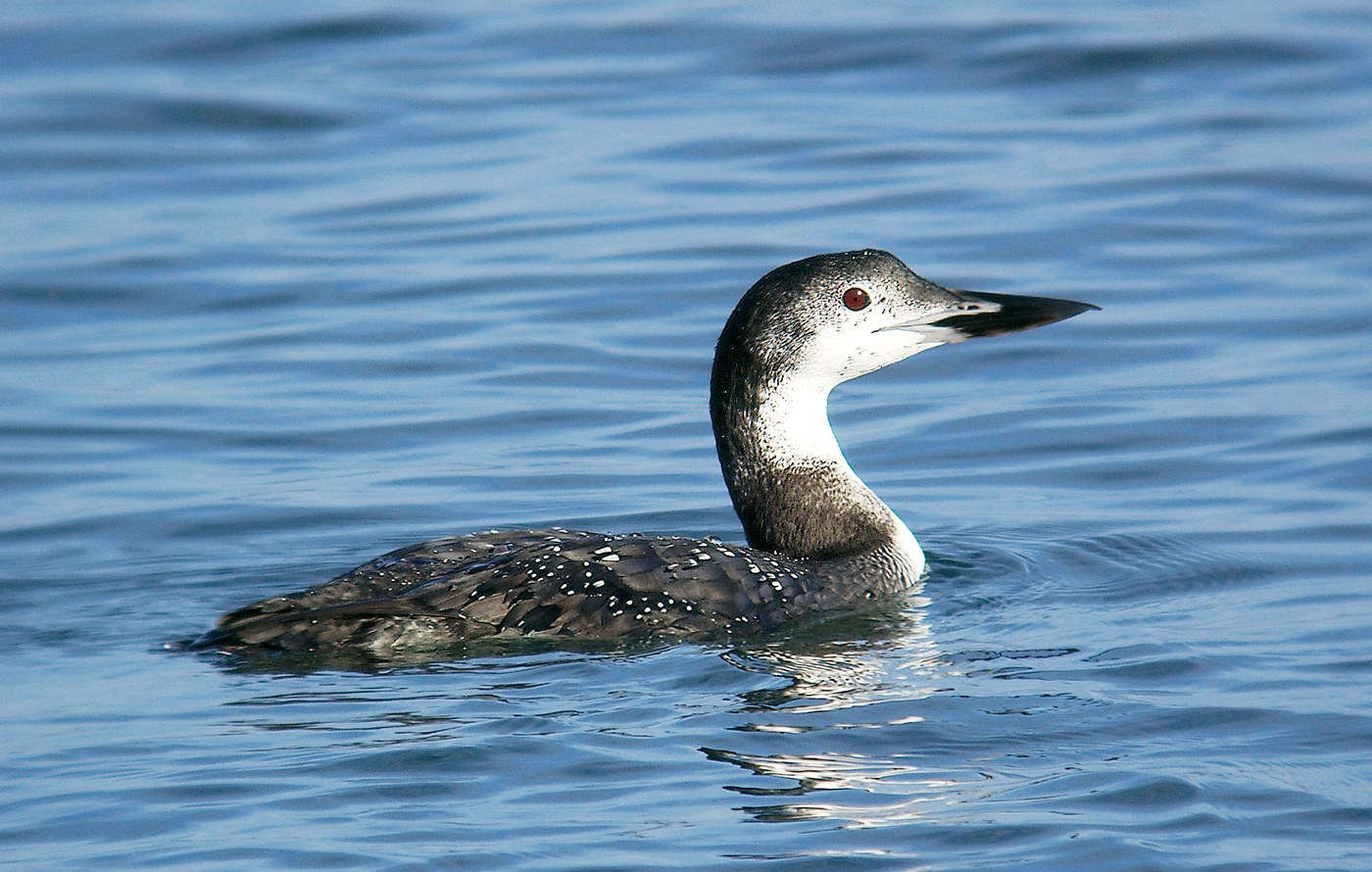
Common Loon
Gavia immer
An iconic North American lake bird famed for its striking black-and-white checkered plumage and haunting, wavering calls.
- Size
- 66-91 cm (26-36 in) long, 127-147 cm wingspan
- Habitat
- northern lakes for breeding, coastal seas in winter
- Type
- seabird
Spotted a bird like this?
Identify any bird from a photo, free.
Overview
The Common Loon is a large, heavy-bodied diving bird celebrated for its striking breeding plumage: a glossy black head and dagger-like bill, a bold necklace of white stripes, and a checkerboard pattern of black-and-white squares across the back. In winter, both adults and the closely related loon species molt into a much plainer grey-brown and white plumage, making winter identification more challenging.
Riding low in the water with legs set far back on the body, loons are supremely adapted for diving but are clumsy on land, coming ashore only to nest at the water's edge.
How to identify it
Key field marks
- Breeding: glossy black head, red eye, black bill, white-striped neck collar, and checkered black-and-white back
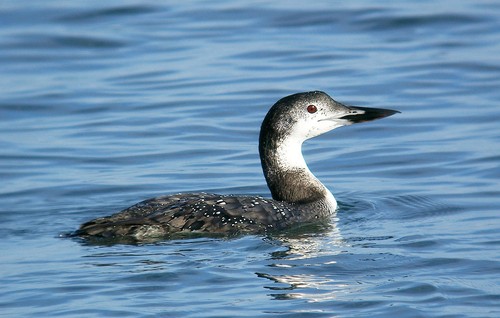
- Non-breeding: grey-brown upperparts, white underparts, and a straight, dark, dagger-shaped bill
- Rides low in the water with a heavy, thick neck
Similar species
- Yellow-billed Loon is larger with a pale, upturned yellowish bill.
- Pacific Loon and Arctic Loon are smaller and slimmer-billed, with grey (not black) heads in breeding plumage.
- Red-throated Loon is smaller, slimmer-billed, and holds its bill tilted upward.
Habitat & range
Habitat
Breeds on clear, fish-rich freshwater lakes across the boreal forest; winters primarily on coastal marine waters and occasionally large ice-free lakes.
Range
Breeds across Canada, Alaska, the northern United States, Greenland, and Iceland; winters along both coasts of North America and parts of Europe.
Migration
A true migrant, moving from inland breeding lakes to coastal wintering areas each autumn and returning in spring once ice melts.
Behavior & voice
Behavior
An expert diver, capable of pursuing fish to depths of over 60 meters (200 feet) using powerful feet set far back on the body; requires a long running takeoff across open water to become airborne.
Voice
Produces an evocative repertoire including the wavering tremolo, the mournful wail, and the yodel given by territorial males, sounds strongly associated with wilderness lakes.
Feeding
Catches fish, crayfish, and aquatic invertebrates by underwater pursuit diving.
Nesting
Builds a simple mound nest of vegetation at the water's edge, typically on an island or sheltered shoreline; lays 1-2 olive-brown eggs.
Frequently asked questions
Why do loons have red eyes?
The red eye of the Common Loon is thought to help improve underwater vision by filtering light while diving for fish.
What is the difference between the Common Loon and Yellow-billed Loon?
The Yellow-billed Loon is larger with a pale, slightly upturned yellowish bill, while the Common Loon has a straight, all-black or dark grey bill.
Why is the Common Loon's call so famous?
Its wavering tremolo and mournful wail are iconic sounds of northern wilderness lakes and are frequently used in film and television to evoke remote nature.
Can loons walk on land?
Loons walk very poorly because their legs are positioned far back on their bodies for efficient swimming, so they rarely leave the water except to nest at the shoreline.
Common Loon guides
In-depth guides for identifying, finding, and understanding Common Loon.
Other birds you may enjoy
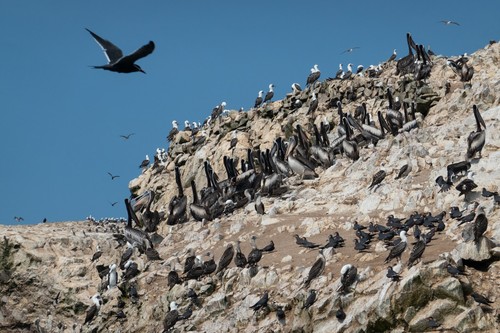
Peruvian Pelican
137-152 cm (54-60 in) long, up to 228 cm wingspan
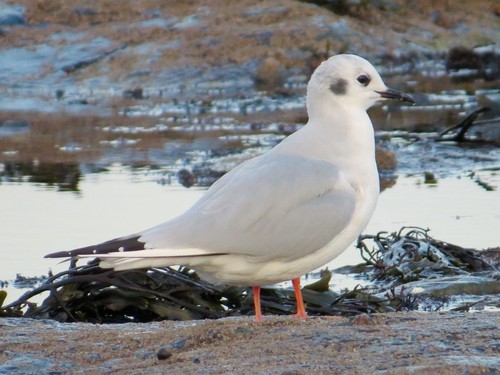
Bonaparte's Gull
28-33 cm (11-13 in) long, 76-84 cm wingspan
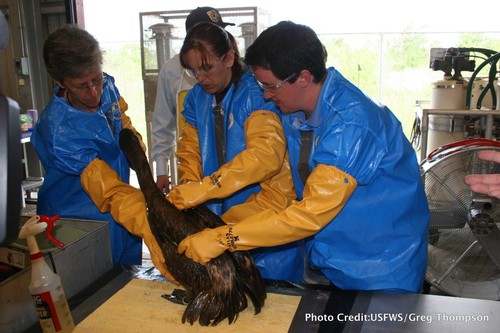
Brown Pelican
106-137 cm (42-54 in) long, 200-230 cm wingspan
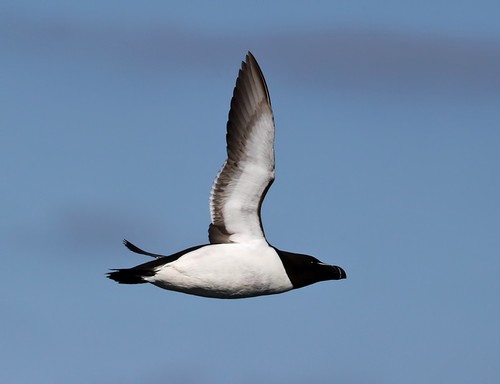
Razorbill
37-39 cm (15-15.5 in) long, 63-68 cm wingspan
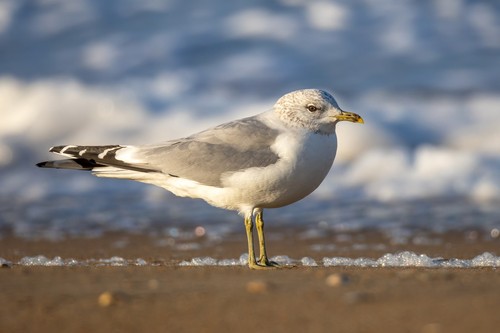
Common Gull
40-46 cm (16-18 in) long, 110-130 cm wingspan
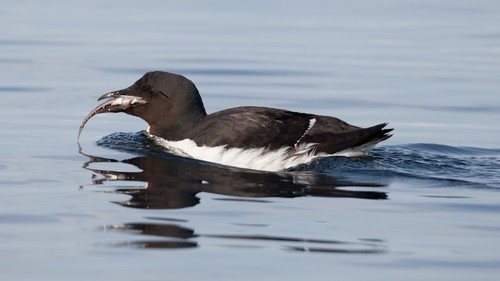
Thick-billed Murre
40-48 cm (16-19 in) long, 65-75 cm wingspan
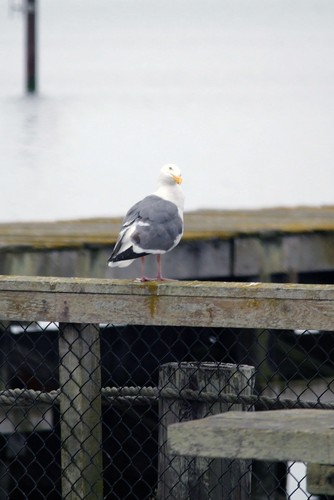
Western Gull
55-68 cm (22-27 in) long, 130-144 cm wingspan
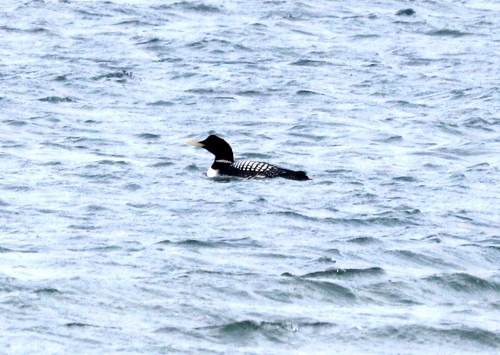
Yellow-billed Loon
76-97 cm (30-38 in) long, 135-152 cm wingspan
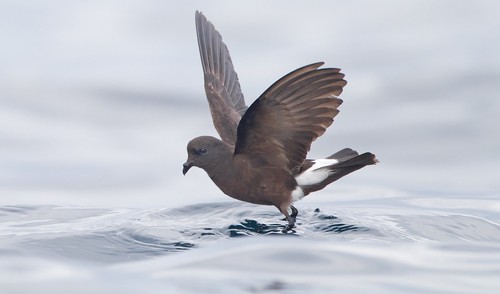
Wilson's Storm-Petrel
15-19 cm (6-7.5 in) long, wingspan 38-42 cm (15-16.5 in)
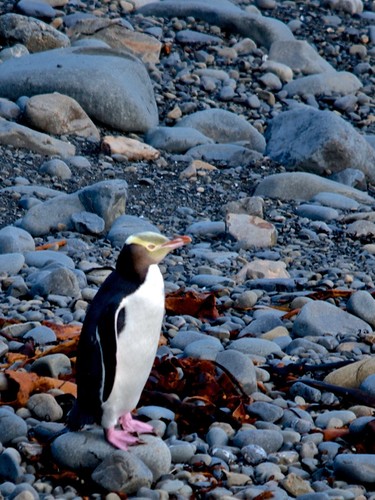
Yellow-eyed Penguin
62-79 cm (24-31 in) tall, 3-8.5 kg (6.6-18.7 lb)
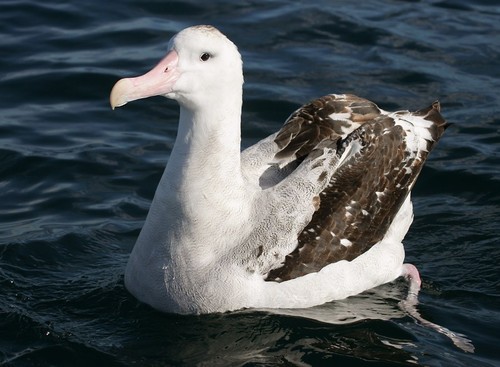
Wandering Albatross
107-135 cm (42-53 in) long, wingspan up to 3.5 m (11.5 ft)
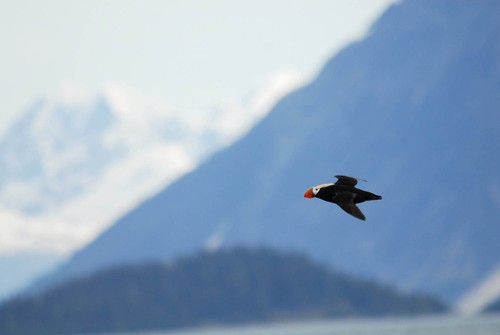
Tufted Puffin
35-41 cm (14-16 in) long, about 63-70 cm wingspan