
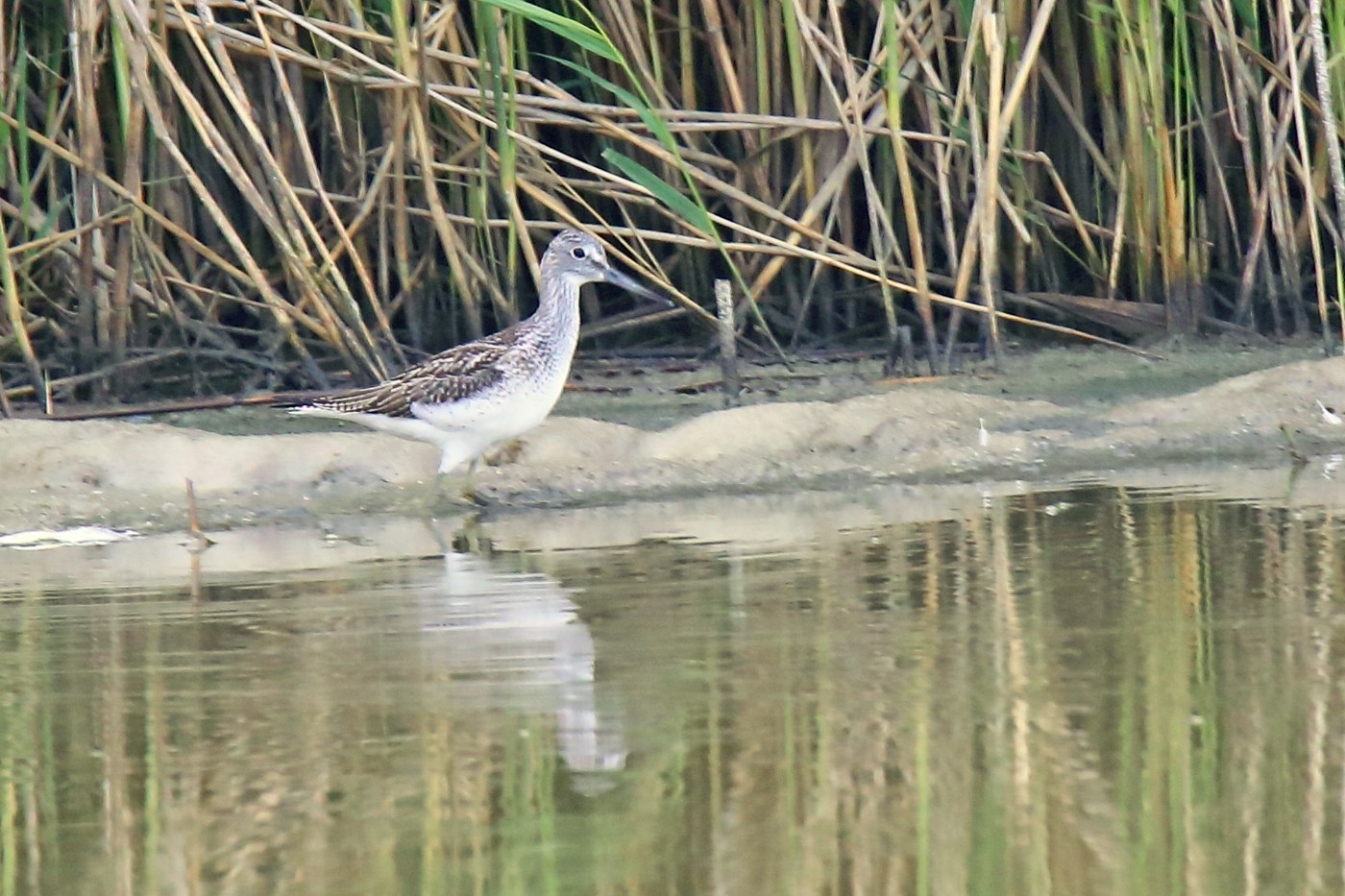
Common Greenshank
Tringa nebularia
The Old World counterpart of the Greater Yellowlegs, a tall gray sandpiper with long greenish legs and a distinctive upturned bill.
- Size
- 30-35 cm (12-14 in) long, 68-70 cm wingspan
- Habitat
- subarctic taiga and moorland (breeding); wetlands, estuaries, and mudflats (non-breeding)
- Type
- shorebird
Spotted a bird like this?
Identify any bird from a photo, free.
Overview
The Common Greenshank is a tall, elegant sandpiper, gray-brown above and white below, with a slightly upturned, blue-gray bill and long, greenish-gray legs that give the species its name. Breeding plumage adds darker streaking and mottling to the upperparts and breast.
It closely resembles its New World counterpart, the Greater Yellowlegs, in shape, size, and general behavior, occupying a similar ecological niche across the Old World.
A wide-ranging species, it breeds across the subarctic taiga and moorland of northern Europe and Asia and winters across an enormous range spanning Africa, southern Asia, and Australia.
How to identify it
Key field marks
- Long, slightly upturned, blue-gray bill
- Long, greenish-gray legs (not bright yellow)
- Gray-brown, lightly mottled upperparts, white below
- White rump and lower back, visible in flight
Similar species
- Greater Yellowlegs (New World) is nearly identical in shape but has bright yellow legs rather than greenish-gray.
- Marsh Sandpiper is smaller and more delicate with a thinner, straighter bill and finer legs.
- Spotted Redshank has red legs and a longer, thinner bill.
Habitat & range
Common Greenshanks breed in subarctic taiga forest clearings, bogs, and moorland across northern Europe and Asia, from Scotland eastward through Scandinavia and Siberia. Outside the breeding season they winter across a vast range of wetlands, estuaries, and coastal mudflats in Africa, the Middle East, South and Southeast Asia, and Australia.
Behavior & voice
Voice
A loud, ringing, three-note call, often rendered as tew-tew-tew, similar in quality to the call of the Greater Yellowlegs and given readily in alarm.
Feeding
Forages in shallow water, often running actively and sweeping its bill side to side to catch small fish, in addition to picking aquatic insects and other invertebrates from mud and water.
Nesting
Nests on the ground near forest bogs or moorland pools, often at the base of a tree stump or amid low vegetation. Both parents share incubation and vigorously defend the nest with alarm calling and distraction displays.
Frequently asked questions
How is the Common Greenshank related to the Greater Yellowlegs?
They are close ecological counterparts occupying similar niches on different continents; the Common Greenshank has greenish-gray legs while the Greater Yellowlegs has bright yellow legs.
Where does the Common Greenshank breed?
In subarctic taiga and moorland across northern Europe and Asia, from Scotland through Scandinavia and Siberia.
What does a Common Greenshank eat?
Small fish and aquatic invertebrates, often caught by actively chasing prey in shallow water.
How can you identify a Common Greenshank?
Look for its slightly upturned blue-gray bill, greenish-gray legs, and gray-brown upperparts with a white rump visible in flight.
Common Greenshank guides
In-depth guides for identifying, finding, and understanding Common Greenshank.
Other birds you may enjoy
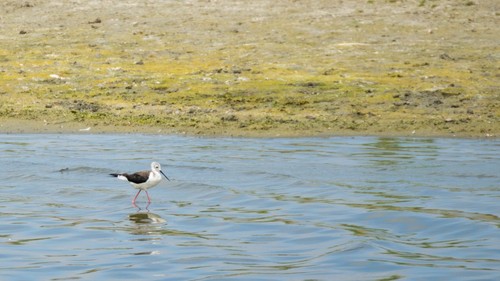
Black-winged Stilt
33-36 cm (13-14 in) long, wingspan 67-83 cm
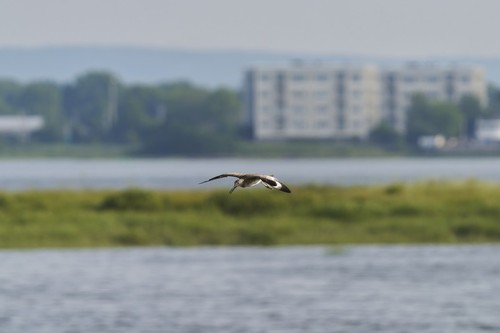
Willet
33-41 cm (13-16 in) long, 65-70 cm wingspan
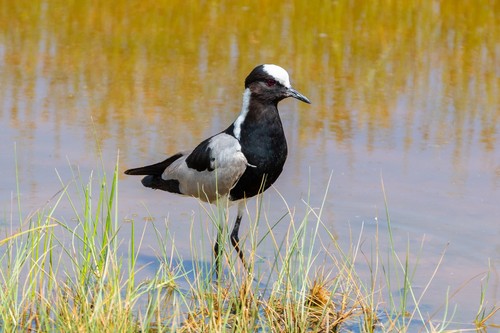
Blacksmith Lapwing
Body length about 30 cm; wingspan 55-65 cm
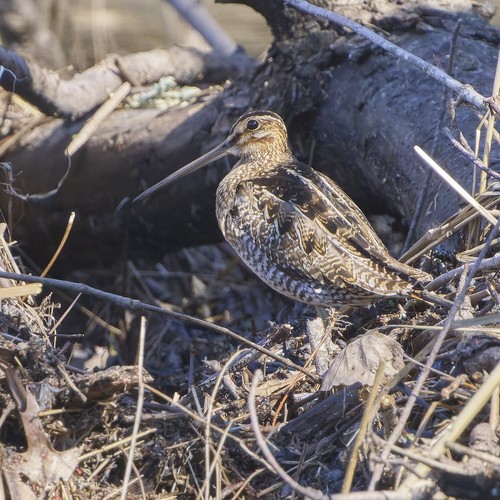
Wilson's Snipe
25-30 cm (10-12 in) long, 39-45 cm wingspan
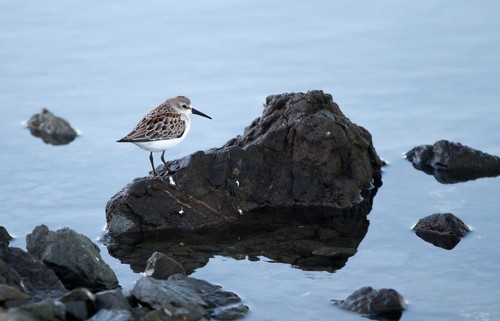
Western Sandpiper
14-17 cm (5.5-6.7 in) long, 28-37 cm wingspan
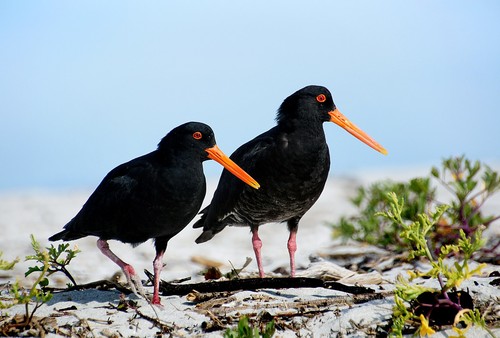
Variable Oystercatcher
46-49 cm (18-19 in) long
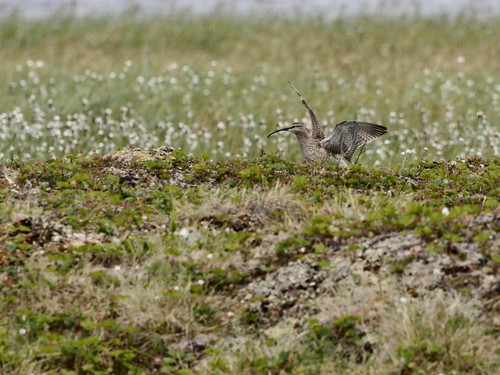
Whimbrel
40-46 cm (16-18 in) long, 76-89 cm wingspan
Wilson's Phalarope
22-24 cm (8.5-9.5 in) long, 37-43 cm wingspan
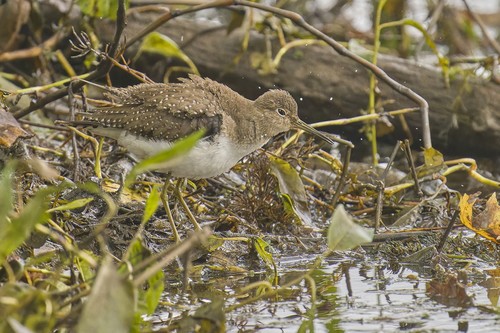
Solitary Sandpiper
19-23 cm (7.5-9 in) long, 50-56 cm wingspan
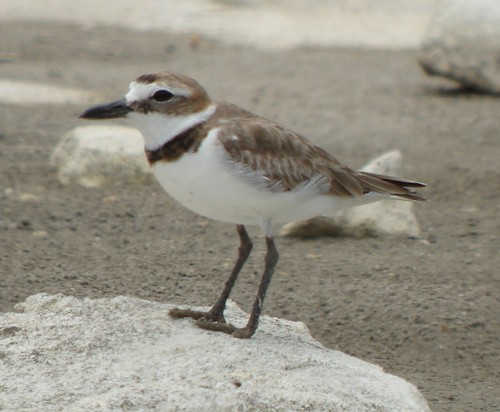
Wilson's Plover
17-19 cm (6.7-7.5 in) long, 45-50 cm wingspan
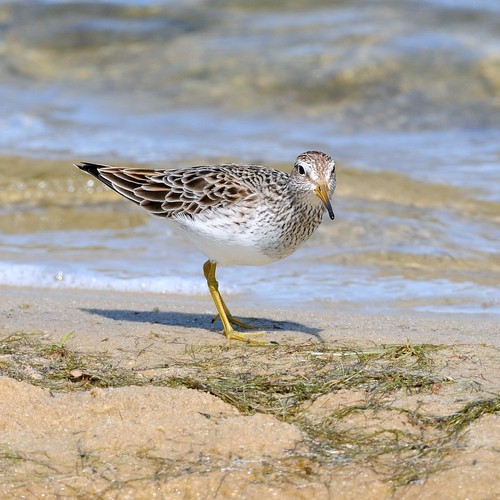
Pectoral Sandpiper
19-23 cm (7.5-9 in) long, 43-49 cm wingspan
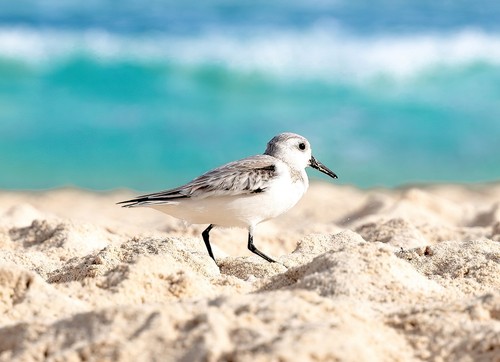
Sanderling
18-20 cm (7-8 in) long, 40-43 cm wingspan