
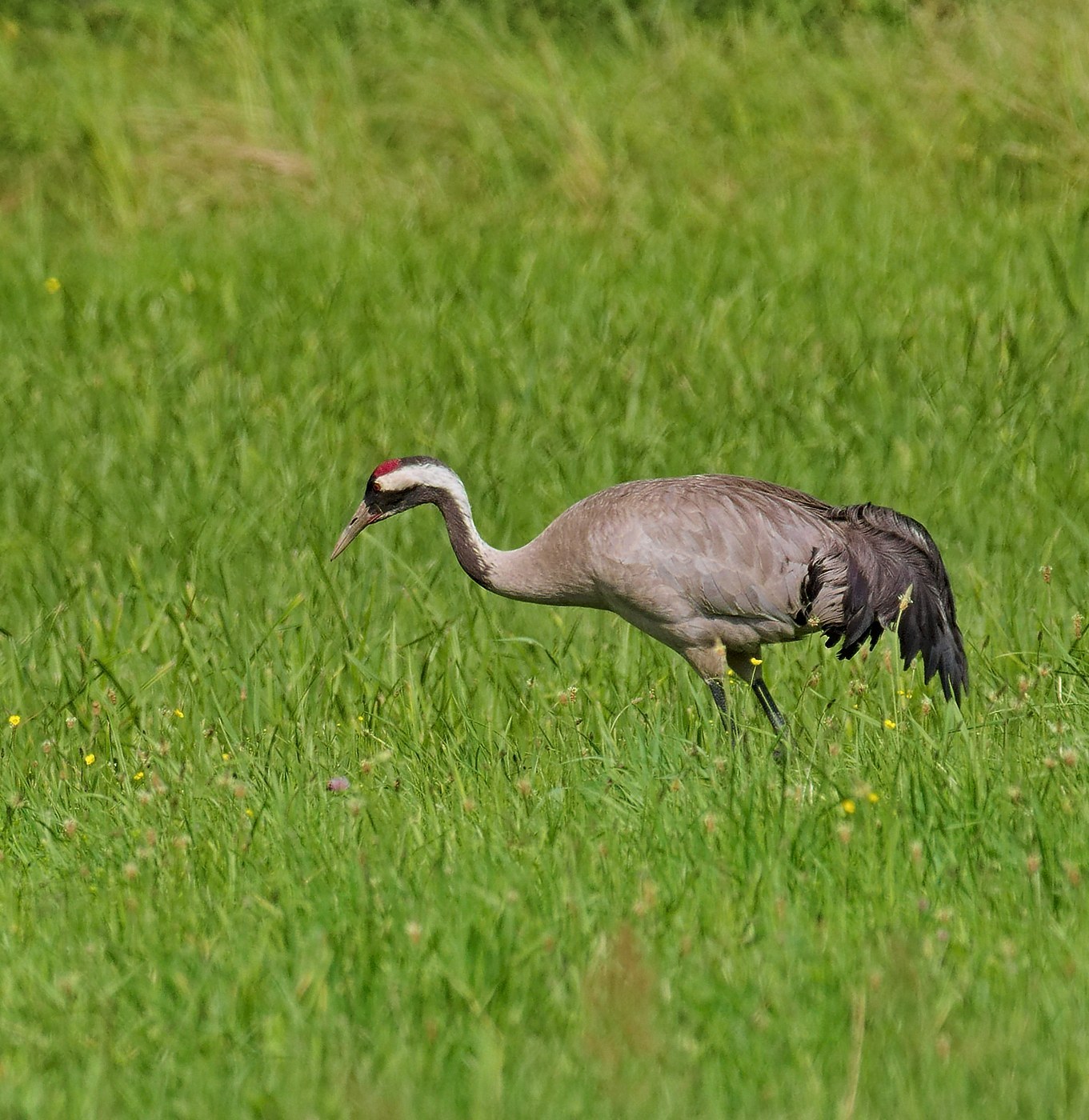
Common Crane
Grus grus
A tall grey crane widespread across Europe and Asia, known for its bold black-and-white head pattern, red crown patch, and loud bugling calls given during migration.
- Size
- 100-130 cm (39-51 in) long, 180-240 cm wingspan
- Habitat
- wetlands, bogs, farmland, and open plains across Eurasia
- Type
- wading-bird
Spotted a bird like this?
Identify any bird from a photo, free.
Overview
The Common Crane (also called the Eurasian Crane) is a large, elegant bird with mostly slate-grey plumage, a black-and-white striped head and neck pattern, and a small patch of bare red skin on the crown. Drooping, curved tertial feathers form a bushy 'bustle' over the tail, adding to the bird's graceful silhouette.
It is one of the most widespread crane species, breeding across a huge swath of northern Eurasia and undertaking long migrations to wintering grounds in southern Europe, North Africa, the Middle East, and East Asia.
How to identify it
Key field marks
- Slate-grey body with black primaries visible in flight
- Black-and-white striped pattern on the head and neck
- Small red crown patch
- Drooping, bushy tertial plumes over the tail (the 'bustle')
Similar species
The Demoiselle Crane is smaller, with a fully black neck and breast and prominent white ear tufts, lacking the Common Crane's red crown. The Grey Heron is superficially similar in grey coloration but flies with its neck retracted in an S-shape rather than extended, and lacks the red crown and black-and-white head pattern.
Habitat & range
Common Cranes breed in wetlands, bogs, and marshes bordered by open forest or tundra across a broad range from Scandinavia and Central Europe eastward through Russia and into parts of northern China and Mongolia.
The species migrates in large, often V-shaped or line flocks to wintering grounds in Spain and France, North Africa, the Middle East, the Indian subcontinent, and East Asia, with traditional staging sites such as Hornborgasjön in Sweden and Lac du Der in France attracting large numbers of birdwatchers during migration.
Behavior & voice
Common Cranes are omnivorous, foraging in wetlands and agricultural fields for seeds, roots, tubers, insects, and small vertebrates, often gathering in large flocks at traditional staging and wintering sites, especially where waste grain is available.
Their loud, far-carrying, trumpeting call is produced by an elongated coiled trachea, similar to other true cranes, and is frequently given in flight during migration. Pairs perform elaborate dancing displays involving bowing, leaping, and wing-flapping as part of courtship and pair-bond maintenance. Nests are built on the ground in marshes or bogs, typically with two eggs, and both parents share incubation and care of the precocial chicks.
Frequently asked questions
Where can you see large flocks of Common Cranes?
Traditional staging sites such as Hornborgasjön in Sweden, Lac du Der in France, and the Hula Valley in Israel attract thousands of migrating and wintering cranes.
How is the Common Crane different from the Demoiselle Crane?
The Common Crane has a red crown patch and a black-and-white striped head/neck pattern, while the Demoiselle Crane has an entirely black neck and breast with white ear-tuft plumes and no red crown.
What is the bushy feature over a Common Crane's tail?
It is a 'bustle' formed by long, drooping, curved tertial feathers that overhang the actual short tail, giving the bird an elegant plumed appearance.
Do Common Cranes migrate long distances?
Yes, many populations travel thousands of kilometers between northern Eurasian breeding grounds and wintering areas in southern Europe, North Africa, the Middle East, and East Asia.
Common Crane guides
In-depth guides for identifying, finding, and understanding Common Crane.
Other birds you may enjoy
Demoiselle Crane
85-100 cm (33-39 in) long, 155-180 cm wingspan
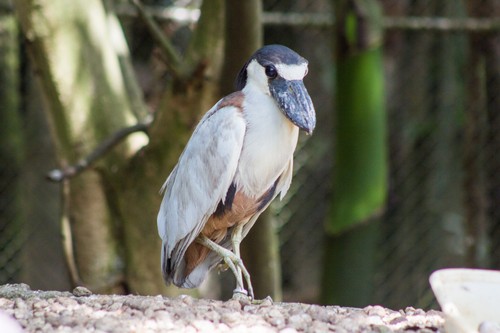
Boat-billed Heron
41-56 cm (16-22 in) long
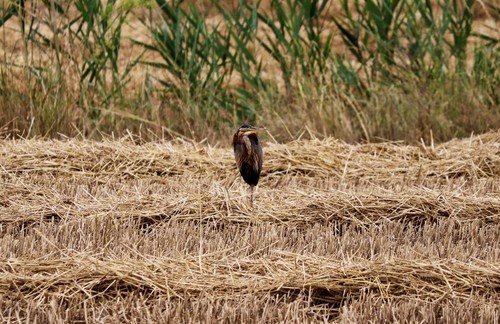
Purple Heron
78-90 cm (31-35 in) long, 120-152 cm wingspan
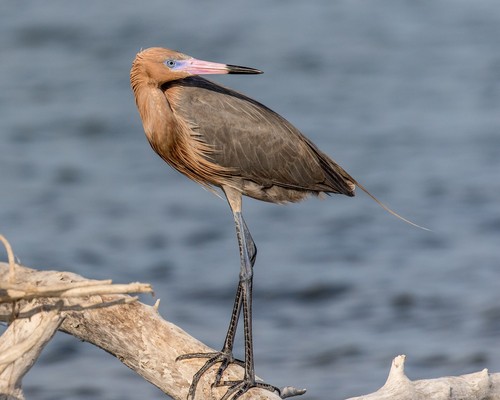
Reddish Egret
68-82 cm (27-32 in) long, 116-125 cm wingspan
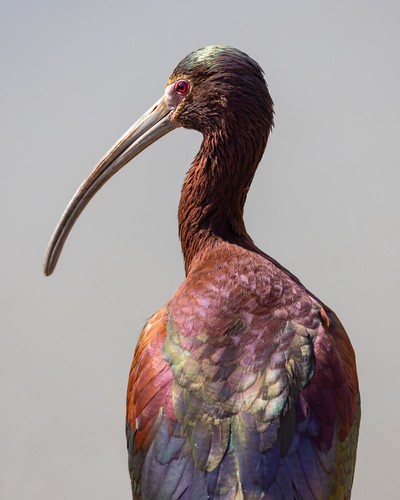
White-faced Ibis
46-56 cm (18-22 in) long, 88-93 cm wingspan
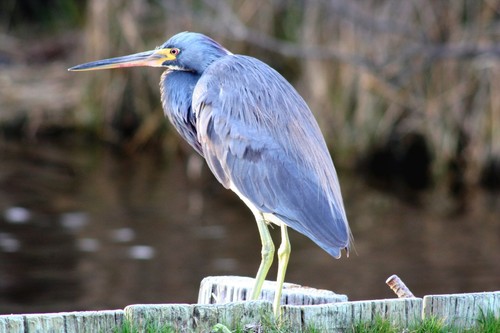
Tricolored Heron
61-76 cm (24-30 in) long, about 96 cm wingspan
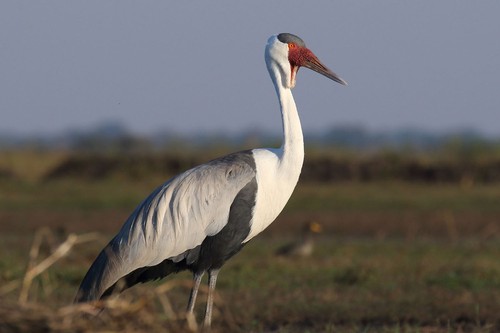
Wattled Crane
120-175 cm (47-69 in) tall, one of the tallest cranes, wingspan up to about 230 cm (7.5 ft)
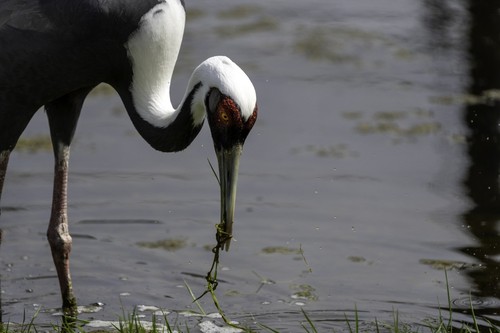
White-naped Crane
112-125 cm (44-49 in) long, 195-210 cm wingspan
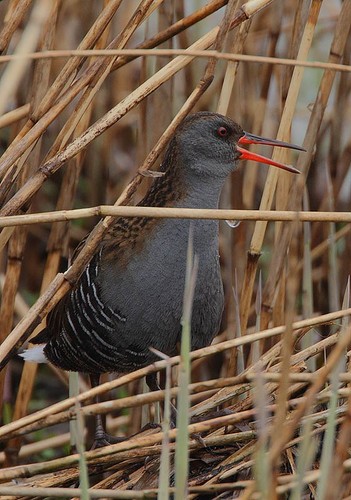
Water Rail
23-28 cm (9-11 in) long, wingspan 38-45 cm
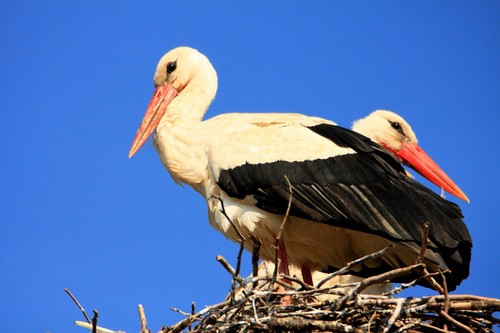
White Stork
100-125 cm (39-49 in) long, 155-215 cm wingspan
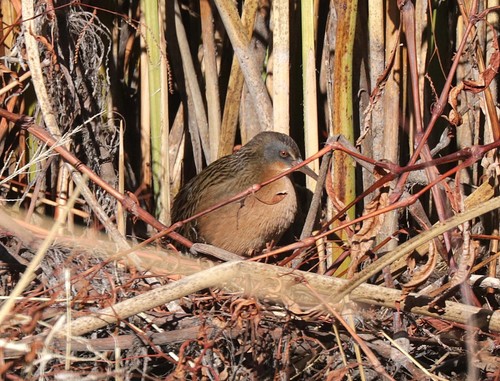
Virginia Rail
20-27 cm (8-11 in) long, wingspan 32-38 cm

Wattled Jacana
17-23 cm (7-9 in) long