
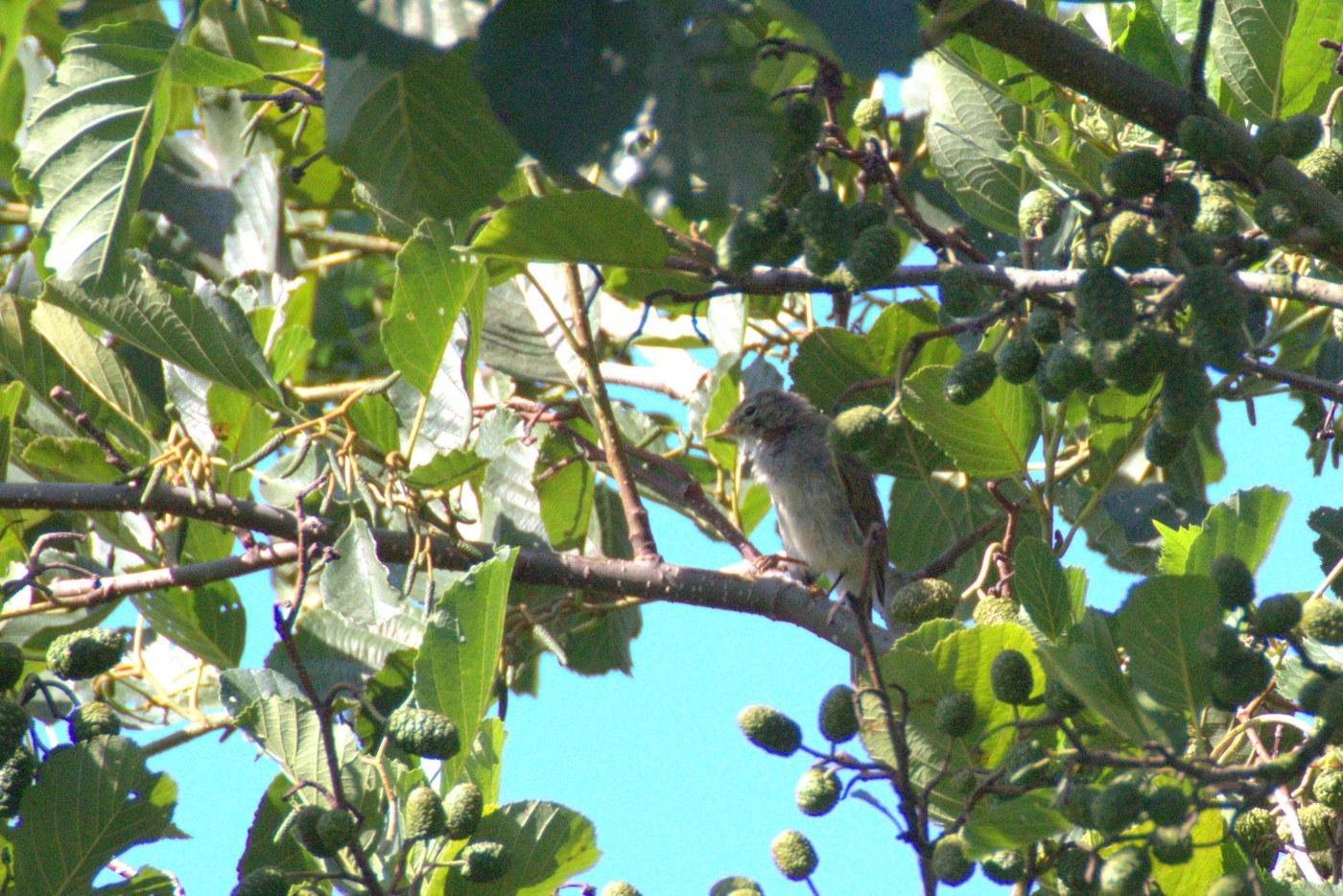
Common Chiffchaff
Phylloscopus collybita
A small, drab leaf warbler that announces itself with its own name: a simple, repetitive 'chiff-chaff' song that is one of the earliest signs of spring.
- Size
- 10-12 cm (4-4.7 in) long, 15-21 cm wingspan
- Habitat
- woodland with understory, scrub, and hedgerows, some overwintering in milder areas
- Type
- songbird
Spotted a bird like this?
Identify any bird from a photo, free.
Overview
The Common Chiffchaff is a small, rather nondescript leaf warbler, closely resembling the Willow Warbler but with duller, more olive-brown upperparts and less contrastingly pale underparts. It has a habit of constantly flicking or dipping its tail while foraging, a useful behavioural clue distinct from the Willow Warbler.
Despite its plain plumage, it is one of the easiest European warblers to identify by ear, thanks to its distinctive, monotonous song from which it takes its name: a repeated, unhurried "chiff-chaff, chiff-chaff, chiff-chaff."
Some Chiffchaffs, especially in milder coastal and urban areas of western Europe, now overwinter rather than migrating to Africa, making it one of the few warblers that can be encountered in the depths of a northern European winter.
How to identify it
Key field marks
- Dull olive-brown upperparts, duller than Willow Warbler
- Pale underparts, often less clean and yellowish than Willow Warbler
- Dark, blackish legs (key difference from Willow Warbler's pale legs)
- Frequent tail-dipping or flicking motion while foraging
- Short, thin bill and a rounded head
Similar species
- Willow Warbler: brighter greenish-olive tones, pale pinkish-brown legs, and a completely different descending, sweet song rather than the repetitive "chiff-chaff."
- Wood Warbler: brighter yellow throat/breast and white belly, larger and more contrastingly patterned.
- Goldcrest/Firecrest: much smaller with a bold crown stripe, lacking the plain warbler shape.
Habitat & range
Common Chiffchaffs breed across most of Europe and much of temperate Asia, occupying woodland with a well-developed understory, scrub, hedgerows, and parkland with trees and bushes.
While most populations migrate to the Mediterranean basin and sub-Saharan Africa for winter, increasing numbers now overwinter in milder parts of western Europe, particularly around coasts, reedbeds, and sewage works where insect activity persists through colder months.
It is typically one of the first migrant warblers to return in spring, with its distinctive song often heard from March onward.
Behavior & voice
Voice
The song is a simple, unhurried, repetitive series of two alternating notes, rendered as "chiff-chaff, chiff-chaff, chiff-chaff," occasionally interspersed with a soft rattling note. The call is a sharp, single "hweet."
Feeding
Chiffchaffs glean small insects and spiders from foliage, frequently flicking their tails and wings while foraging, and will also make brief flycatching sallies to snatch insects in the air.
Nesting and breeding
The nest is a domed structure with a side entrance, built low in vegetation such as brambles or nettles. Clutches usually contain five to six eggs.
Frequently asked questions
How do you identify a Common Chiffchaff?
Look for a small, dull olive-brown warbler with dark legs that constantly flicks or dips its tail, and listen for its distinctive repetitive 'chiff-chaff' song.
How is a Chiffchaff different from a Willow Warbler?
Chiffchaff has darker, blackish legs and duller plumage compared to the Willow Warbler's pale legs and brighter greenish tones, and their songs are completely different.
Do Chiffchaffs stay in the UK over winter?
Increasing numbers now overwinter in milder parts of western Europe, including the UK, rather than migrating to Africa, especially around coasts and wetlands.
What does a Chiffchaff's song sound like?
It repeats its own name in a simple, unhurried two-note pattern: 'chiff-chaff, chiff-chaff, chiff-chaff.'
When do Chiffchaffs arrive in spring?
They are typically among the earliest returning migrant warblers, often arriving and singing from March onward in much of Europe.
Common Chiffchaff guides
In-depth guides for identifying, finding, and understanding Common Chiffchaff.
Other birds you may enjoy
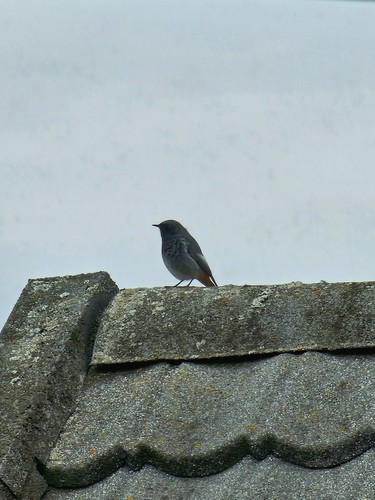
Black Redstart
13-14.5 cm (5.1-5.7 in) long, 23-26 cm wingspan
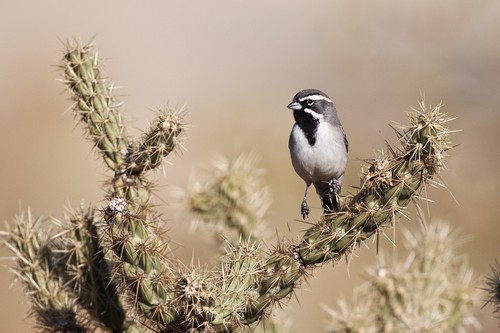
Black-throated Sparrow
12-14 cm (4.7-5.5 in) long, about 19-20 cm (7.5-8 in) wingspan
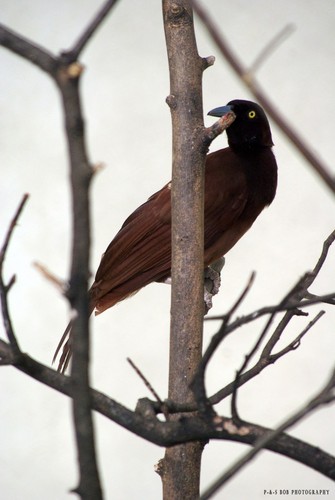
Greater Bird-of-paradise
Body about 43 cm; males with additional flank plumes up to 50 cm and long tail wires
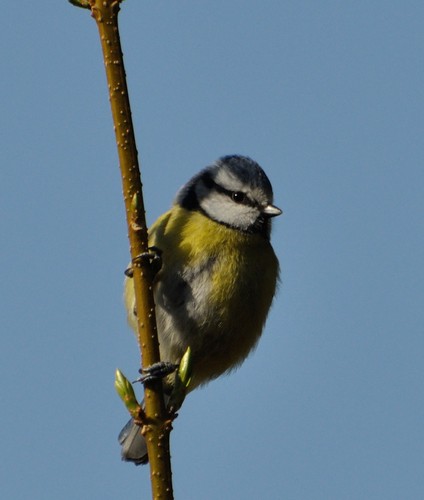
Blue Tit
11-12 cm (4.3-4.7 in) long, 17-20 cm wingspan
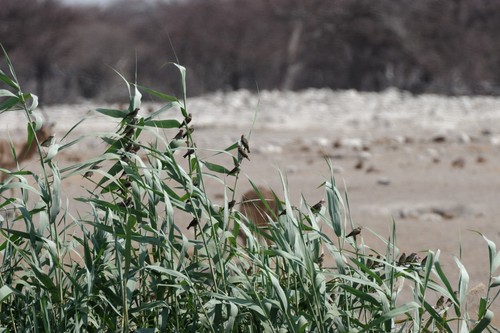
Red-billed Quelea
11.5–13 cm long, wingspan about 20–22 cm
White-plumed Antbird
13-14 cm (5-5.5 in) long
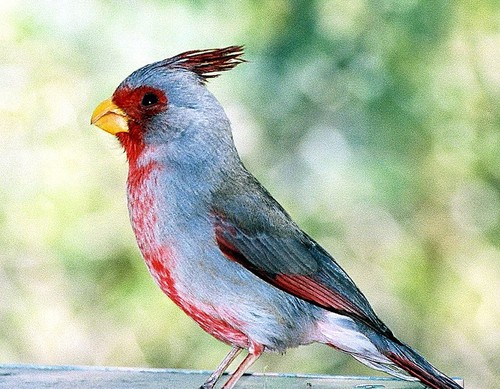
Pyrrhuloxia
19-22 cm (7.5-8.7 in) long, 30 cm wingspan
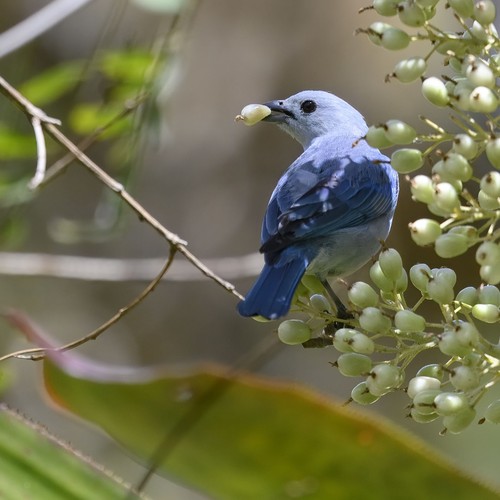
Blue-gray Tanager
16-18 cm (6-7 in) long
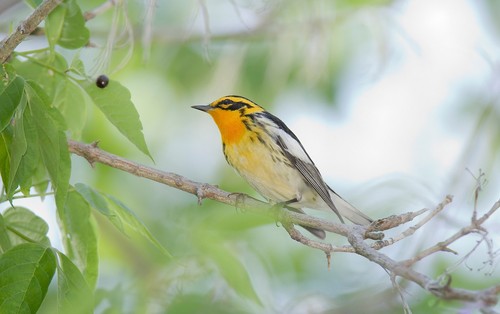
Blackburnian Warbler
11-13 cm (4.3-5.1 in) long, 20-22 cm wingspan
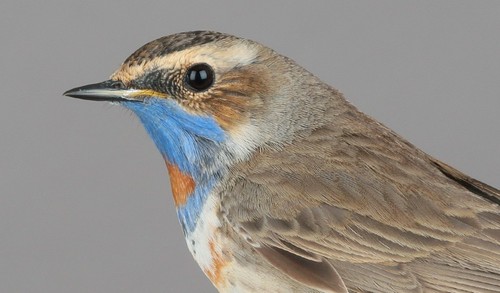
Bluethroat
13-14 cm (5.1-5.5 in) long, 20-22 cm wingspan
Eurasian Nuthatch
12-14.5 cm (4.7-5.7 in) long, 22.5-27 cm wingspan
Wood Thrush
19-21 cm (7.5-8.3 in) long, about 33 cm (13 in) wingspan