
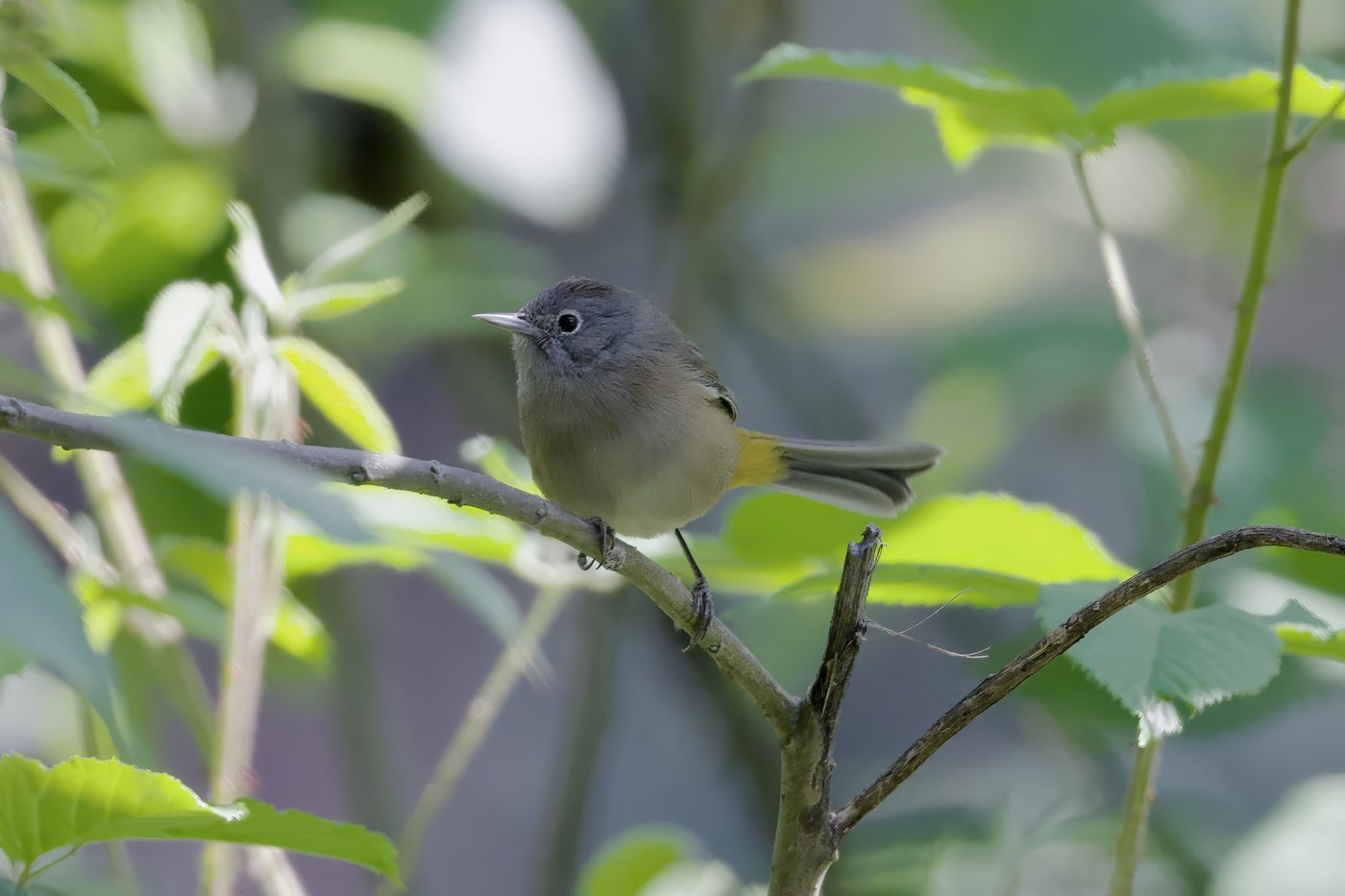
Colima Warbler
Leiothlypis crissalis
A plain gray-brown warbler famous for breeding in the US only in the Chisos Mountains of Big Bend National Park.
- Size
- 13-14 cm (5-5.5 in) long
- Habitat
- oak-pine canyons in high mountains, restricted to the Chisos Mountains in the US
- Type
- songbird
Spotted a bird like this?
Identify any bird from a photo, free.
Overview
The Colima Warbler is a subtly plumaged wood-warbler best known not for bright colors but for its extremely limited US range. It breeds almost exclusively in wooded canyons of the Chisos Mountains of Big Bend National Park, Texas, drawing birders from across the country for that single reason, though it is fairly common in the mountains of Mexico further south.
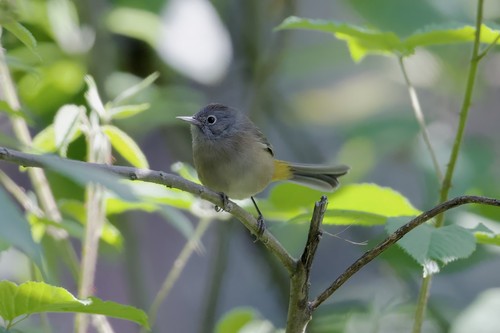
Overall the bird is a soft grayish-olive above and pale buffy-yellow below, with a chestnut crown patch that is usually concealed and only flashes into view when the bird is excited or preening. A crisp white eyering and bright yellow-orange undertail coverts add the only real accents to an otherwise understated plumage.
How to identify it
Key field marks
- Gray head and back with a faint olive wash
- Chestnut crown patch, often hidden
- Bold white eyering on a plain gray face
- Bright yellow undertail coverts contrasting with a paler grayish-buff breast
- Long tail for a warbler, often pumped or flicked
Similar species
- Virginia's Warbler: smaller, grayer overall, with a distinct yellow patch on the breast that Colima lacks (Colima's underparts are more uniformly pale buff).
- Lucy's Warbler: much smaller, paler, with a chestnut rump rather than crown, and lacks the yellow undertail coverts' brightness of Colima.
- Nashville Warbler (in migration elsewhere): brighter yellow underparts overall and a smaller range overlap.
Habitat & range
Habitat
Colima Warblers favor open oak and oak-pine woodland on steep, shaded mountain slopes and canyons, typically between about 1,650 and 2,300 m (5,400-7,500 ft) elevation, where madrone, pinyon, and juniper often grow alongside oaks.
Range
In the United States the species breeds only in the Chisos Mountains of Big Bend National Park, Texas, making it one of the most range-restricted breeding birds in the country. Its core range lies in the Sierra Madre Occidental of Mexico, extending south through Chihuahua, Durango, and neighboring states.
Migration
Colima Warblers are short-distance migrants, withdrawing from the Chisos Mountains in fall to winter in west-central Mexico, then returning to breed by April.
Behavior & voice
Behavior
Colima Warblers forage actively but deliberately through the mid-story and canopy of oak woodlands, gleaning insects and spiders from leaves and bark, often working along horizontal branches with a slow, methodical pace compared to some more hyperactive warblers.
Voice
The song is a simple, sweet trill that accelerates and often drops slightly in pitch at the end, reminiscent of a Chipping Sparrow's trill but richer and more musical. The call is a sharp, dry chip.
Nesting
Nests are built on the ground or in low vegetation on steep, brushy slopes, tucked among grasses, leaf litter, or the base of shrubs where they are extremely well concealed. Females typically lay 3-4 eggs, and both discovery of nests and detailed breeding biology data remain relatively limited due to the bird's remote habitat.
Frequently asked questions
Where can I see a Colima Warbler in the US?
The only reliable place in the United States is the Chisos Mountains in Big Bend National Park, Texas, typically along trails like Boot Canyon during the breeding season (roughly April through September).
How do you tell a Colima Warbler from a Virginia's Warbler?
Colima Warbler is larger and longer-tailed with plain buffy underparts, while Virginia's Warbler is smaller and shows a distinct yellow patch on the breast.
What does a Colima Warbler eat?
It feeds mainly on insects and spiders gleaned from oak and pine foliage and bark.
Is the Colima Warbler rare?
It is common within its limited range in Mexico and fairly common in the Chisos Mountains, but its tiny US breeding range makes it a sought-after specialty for birders.
Colima Warbler guides
In-depth guides for identifying, finding, and understanding Colima Warbler.
Other birds you may enjoy
Black Redstart
13-14.5 cm (5.1-5.7 in) long, 23-26 cm wingspan
Black-throated Sparrow
12-14 cm (4.7-5.5 in) long, about 19-20 cm (7.5-8 in) wingspan
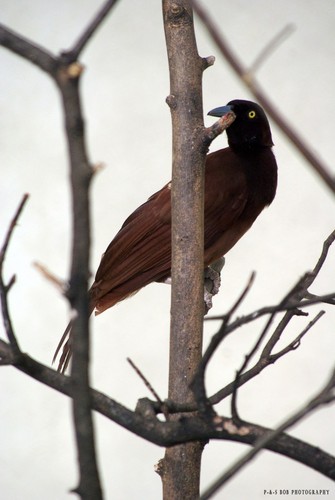
Greater Bird-of-paradise
Body about 43 cm; males with additional flank plumes up to 50 cm and long tail wires
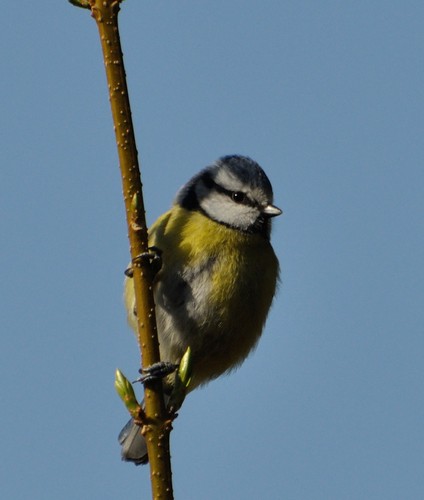
Blue Tit
11-12 cm (4.3-4.7 in) long, 17-20 cm wingspan
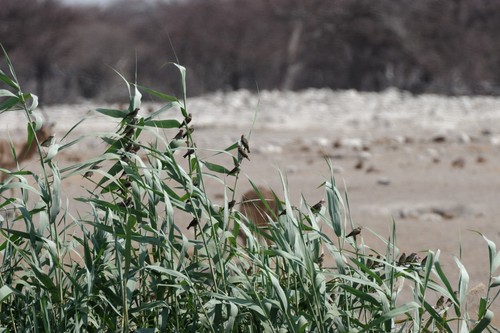
Red-billed Quelea
11.5–13 cm long, wingspan about 20–22 cm
White-plumed Antbird
13-14 cm (5-5.5 in) long
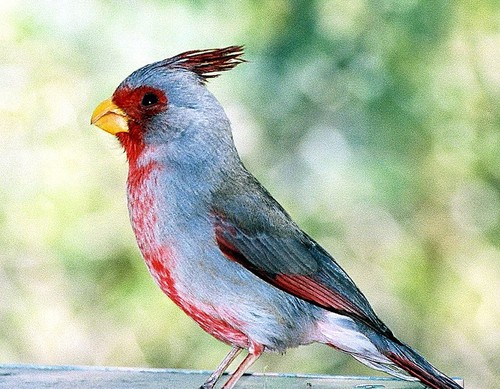
Pyrrhuloxia
19-22 cm (7.5-8.7 in) long, 30 cm wingspan
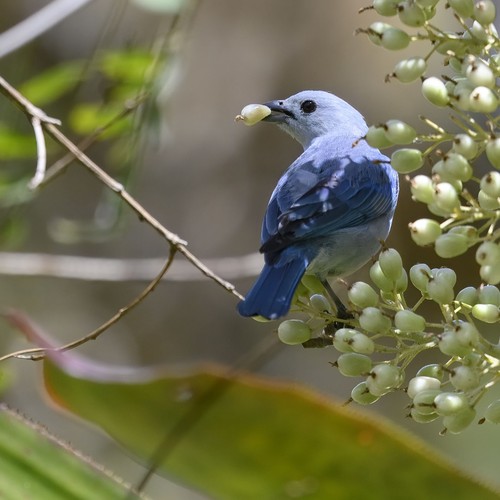
Blue-gray Tanager
16-18 cm (6-7 in) long
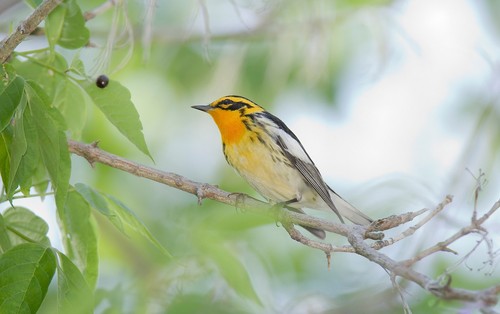
Blackburnian Warbler
11-13 cm (4.3-5.1 in) long, 20-22 cm wingspan
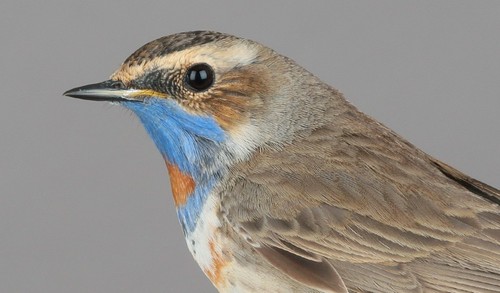
Bluethroat
13-14 cm (5.1-5.5 in) long, 20-22 cm wingspan
Eurasian Nuthatch
12-14.5 cm (4.7-5.7 in) long, 22.5-27 cm wingspan
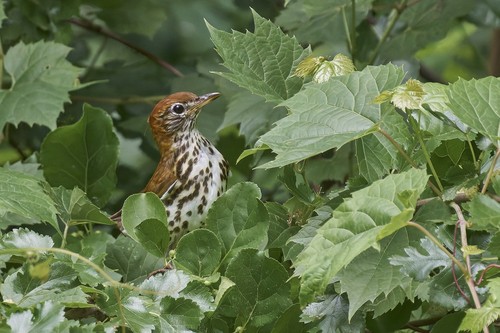
Wood Thrush
19-21 cm (7.5-8.3 in) long, about 33 cm (13 in) wingspan