
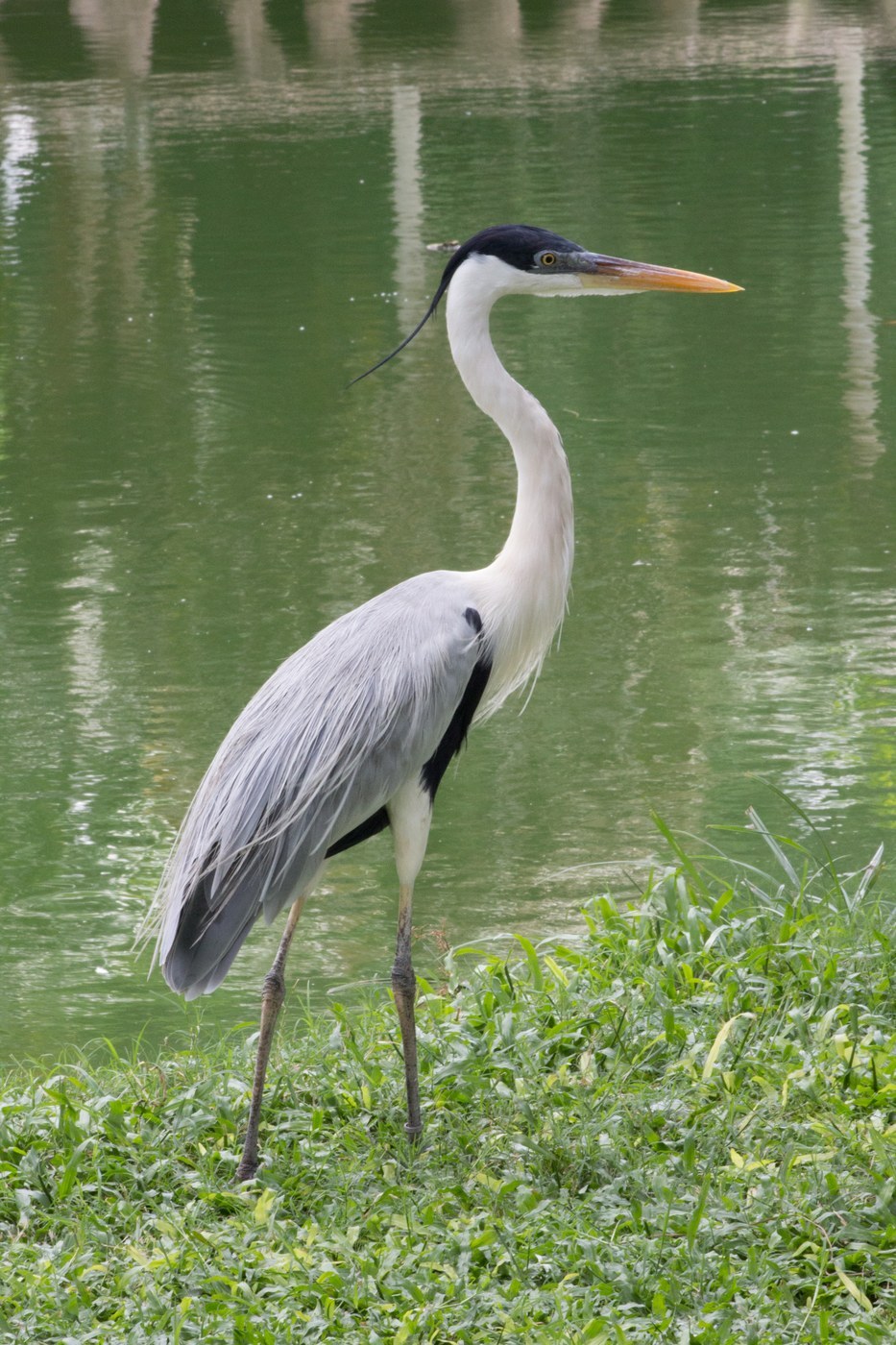
Cocoi Heron
Ardea cocoi
South America's largest heron, a tall grey-and-white bird with a black cap that fills the same niche as the Grey Heron.
- Size
- 95-127 cm (37-50 in) long, 150-166 cm wingspan
- Habitat
- rivers, lakes, marshes, and coastal wetlands throughout South America
- Type
- wading-bird
Spotted a bird like this?
Identify any bird from a photo, free.
Overview
The Cocoi Heron is the largest heron in South America and the continent's ecological equivalent of the Old World Grey Heron. It has a pale grey back and wings, a white neck and underparts, and a bold black cap that extends into a black stripe running down the side of the neck. The legs are long and dark, and the bill is heavy, yellowish, and dagger-shaped.
Standing up to 1.3 metres tall, it is an unmistakable, statuesque presence along South American waterways, often seen standing alone at the water's edge or flying with slow, deliberate wingbeats and its neck tucked into an S-shape.
How to identify it
Key field marks
- Large size with pale grey back and white head, neck, and underparts
- Black cap extending down the side of the neck as a dark stripe
- Long, heavy yellowish bill
- Long dark legs
Similar species
The Great Blue Heron, which occurs in parts of northern South America during migration, is similar but shows more chestnut and slaty tones with rufous thighs, whereas the Cocoi Heron is cleaner grey and white. Immature Cocoi Herons are duller and browner but retain the overall pattern and large size.
Habitat & range
Habitat
Cocoi Herons use a wide range of wetland habitats, including rivers, lakes, marshes, flooded grasslands, and coastal estuaries, from lowlands up to high Andean lakes.
Range and migration
The species is distributed throughout South America, from Colombia and Venezuela south to Tierra del Fuego, and is mostly resident, though some southern populations shift northward outside the breeding season.
Behavior & voice
Behavior
Typically solitary while foraging, Cocoi Herons stand and wait or wade slowly through shallow water, striking prey with a rapid jab of the bill. They are wary and will fly off with a loud call when disturbed.
Voice
A harsh, croaking squawk similar to other large Ardea herons, given especially in flight or when alarmed.
Feeding
Fish form the bulk of the diet, supplemented by frogs, small mammals, and large insects caught in shallow water or open grassland.
Nesting and breeding
Cocoi Herons nest in colonies, often alongside other waterbirds, building stick nests high in trees; clutches usually contain 2-4 eggs.
Frequently asked questions
What is a Cocoi Heron?
It is the largest heron in South America, closely resembling the Old World Grey Heron with grey upperparts and a black-capped white head and neck.
Where is the Cocoi Heron found?
Throughout South America, from Colombia to southern Chile and Argentina, in a wide variety of wetlands.
What does a Cocoi Heron eat?
Mainly fish, along with amphibians, small mammals, and large insects.
Is the Cocoi Heron the same as the Grey Heron?
No, they are separate but closely related species that fill the same ecological role on different continents.
Cocoi Heron guides
In-depth guides for identifying, finding, and understanding Cocoi Heron.
Other birds you may enjoy
Demoiselle Crane
85-100 cm (33-39 in) long, 155-180 cm wingspan
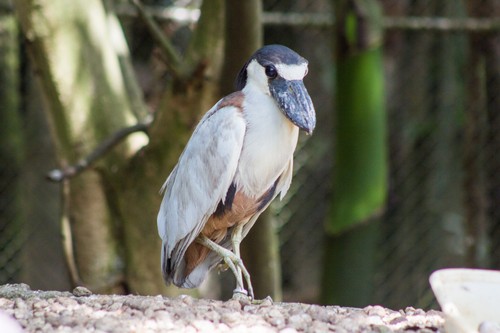
Boat-billed Heron
41-56 cm (16-22 in) long
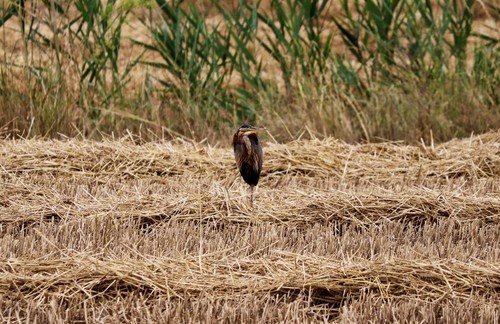
Purple Heron
78-90 cm (31-35 in) long, 120-152 cm wingspan
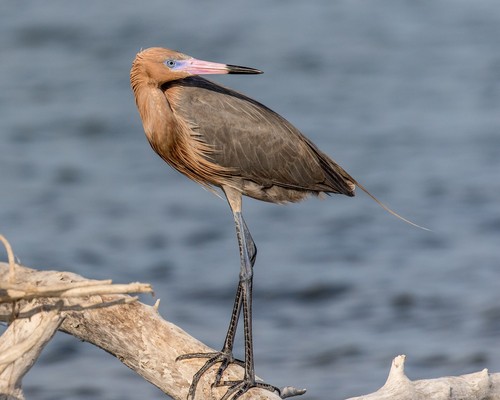
Reddish Egret
68-82 cm (27-32 in) long, 116-125 cm wingspan
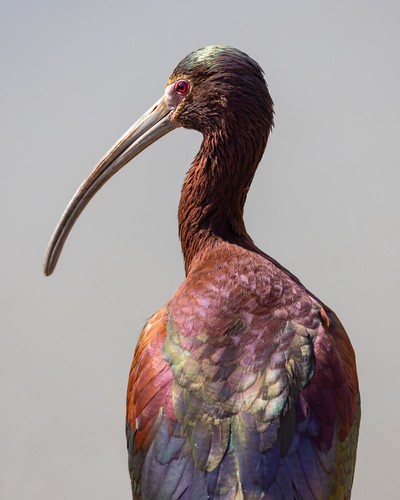
White-faced Ibis
46-56 cm (18-22 in) long, 88-93 cm wingspan
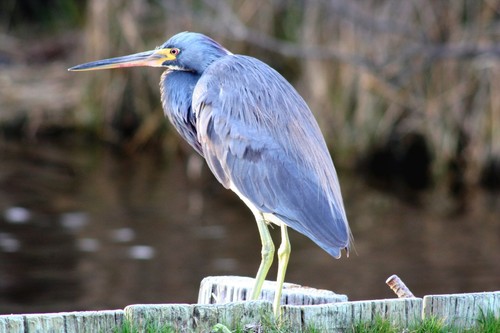
Tricolored Heron
61-76 cm (24-30 in) long, about 96 cm wingspan
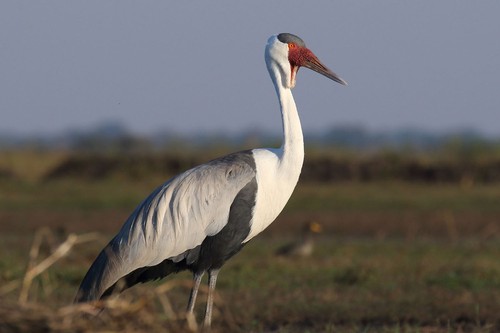
Wattled Crane
120-175 cm (47-69 in) tall, one of the tallest cranes, wingspan up to about 230 cm (7.5 ft)
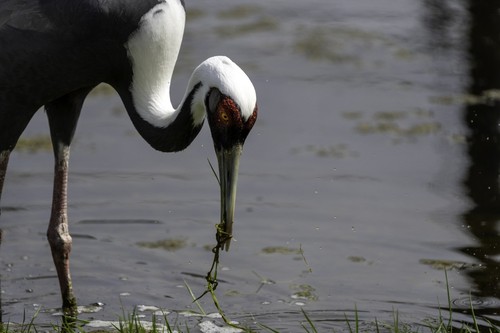
White-naped Crane
112-125 cm (44-49 in) long, 195-210 cm wingspan
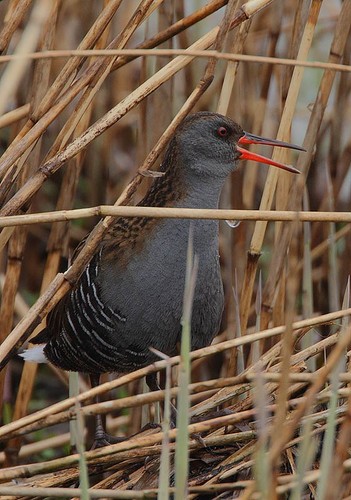
Water Rail
23-28 cm (9-11 in) long, wingspan 38-45 cm
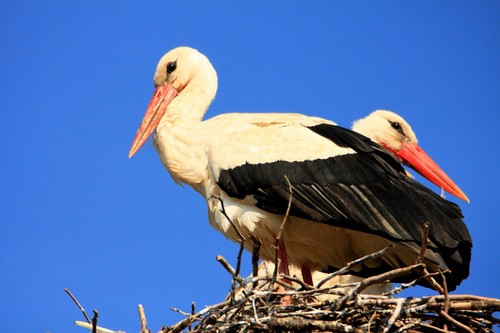
White Stork
100-125 cm (39-49 in) long, 155-215 cm wingspan
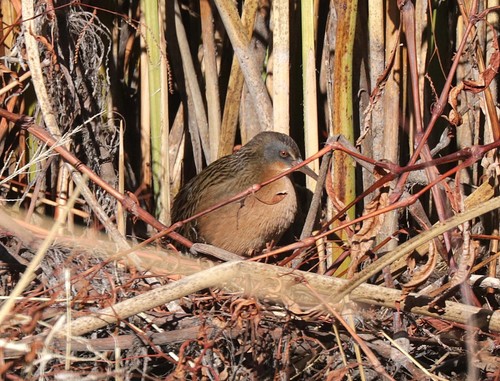
Virginia Rail
20-27 cm (8-11 in) long, wingspan 32-38 cm
Wattled Jacana
17-23 cm (7-9 in) long