
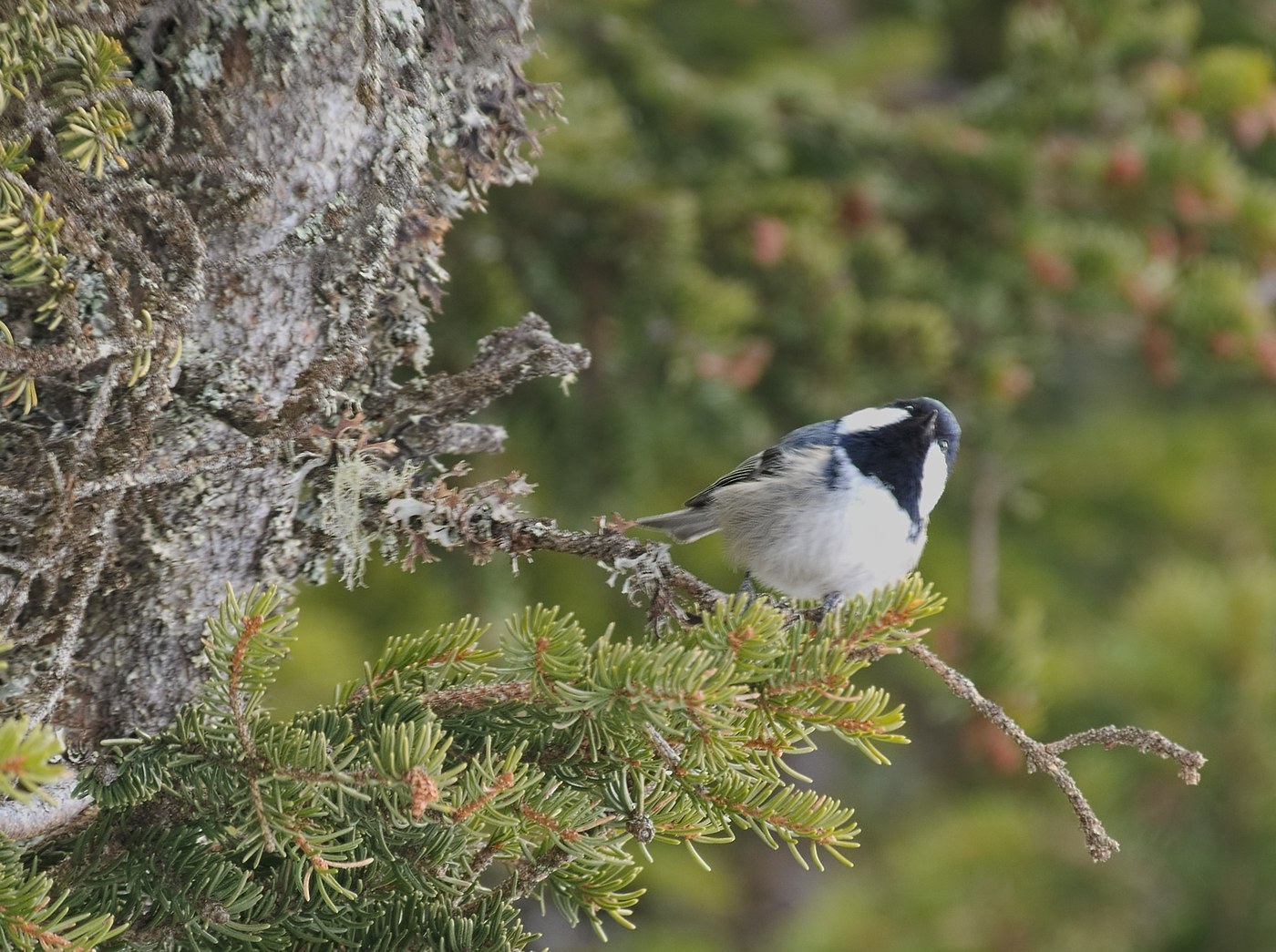
Coal Tit
Periparus ater
A small, active tit with a glossy black head, white cheeks, and a distinctive white patch on the nape, favoring conifer woodlands.
- Size
- 10-11.5 cm (4-4.5 in) long, 17-21 cm wingspan
- Habitat
- coniferous and mixed woodlands, parks, and gardens
- Type
- songbird
Spotted a bird like this?
Identify any bird from a photo, free.
Overview
The Coal Tit is a small, neatly patterned tit with a glossy black head and throat, white cheek patches, and a diagnostic white patch on the back of the head (nape) that no other common European tit shares. Its body is grayish-olive above and buff below, lacking any yellow. It is closely tied to conifer woodlands, where its slender bill is well suited to extracting seeds from between conifer needles and cone scales.
Despite its small size, the Coal Tit is a busy, energetic forager, often seen darting between branches and caching food for later use.
How to identify it
Key field marks
- Glossy black head and throat with white cheek patches
- Distinctive white patch on the nape (back of head)
- Grayish-olive upperparts, buff underparts, no yellow
- Small size, smaller than Blue Tit
Similar species
- Great Tit is larger with yellow underparts and a black belly stripe, lacking the white nape patch.
- Marsh Tit and Willow Tit lack the white nape patch and show a duller, matte or glossy black cap without white cheeks framed the same way.
- Crested Tit has an obvious spiky crest, absent in the Coal Tit.
Habitat & range
Habitat
Strongly associated with coniferous and mixed woodlands, though also found in parks and gardens with conifers.
Range
Widespread across Europe, North Africa, and much of temperate Asia.
Migration
Mostly resident, though northern populations may irrupt southward in years of poor cone crops.
Behavior & voice
Behavior
Active and restless, often foraging high in conifer canopies; regularly caches seeds for retrieval later, an important behavior for surviving winter food shortages.
Voice
A high, thin, repetitive "tsee-tsee" song, similar in structure to the Great Tit's but higher-pitched and thinner; call is a soft, high "tsi."
Feeding
Eats insects and spiders in summer, switching to conifer seeds and other seeds in winter, frequently visiting feeders for sunflower hearts.
Nesting
Nests in a low cavity, often in a tree stump, bank, or rodent burrow near the ground; lays 7-11 white eggs with fine red-brown speckling.
Frequently asked questions
How do you identify a Coal Tit?
Look for a small tit with a glossy black head, white cheeks, and a distinctive white patch on the nape, combined with grayish-olive (not yellow) underparts.
What is the white patch on a Coal Tit's head called?
It's a nape patch, a white spot on the back of the head that is a key identification feature separating it from all other common European tits.
Why are Coal Tits associated with conifers?
Their slender bill is well adapted for extracting seeds from between conifer needles and cone scales, so they favor coniferous and mixed woodland.
Do Coal Tits store food?
Yes, they regularly cache seeds in bark crevices and other hiding spots to retrieve later, helping them survive food shortages in winter.
Coal Tit guides
In-depth guides for identifying, finding, and understanding Coal Tit.
Other birds you may enjoy
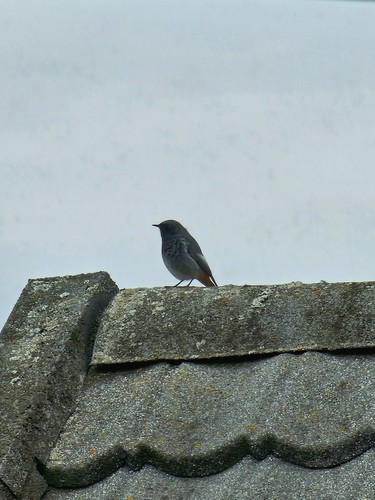
Black Redstart
13-14.5 cm (5.1-5.7 in) long, 23-26 cm wingspan
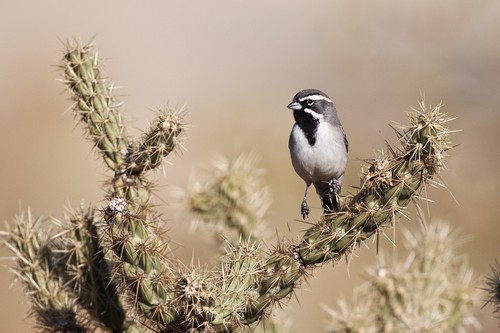
Black-throated Sparrow
12-14 cm (4.7-5.5 in) long, about 19-20 cm (7.5-8 in) wingspan
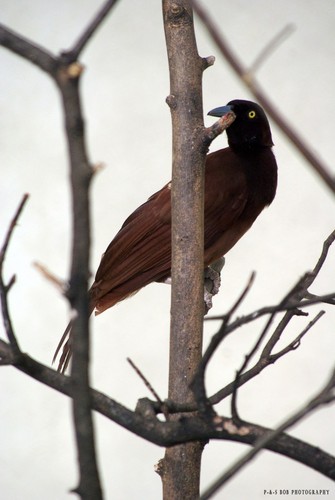
Greater Bird-of-paradise
Body about 43 cm; males with additional flank plumes up to 50 cm and long tail wires
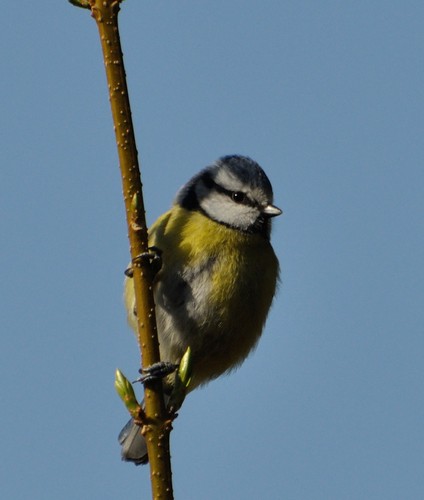
Blue Tit
11-12 cm (4.3-4.7 in) long, 17-20 cm wingspan

Red-billed Quelea
11.5–13 cm long, wingspan about 20–22 cm
White-plumed Antbird
13-14 cm (5-5.5 in) long
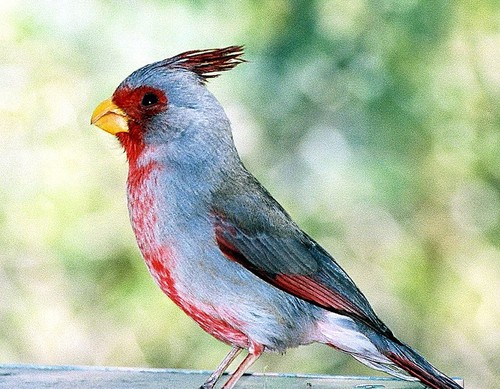
Pyrrhuloxia
19-22 cm (7.5-8.7 in) long, 30 cm wingspan
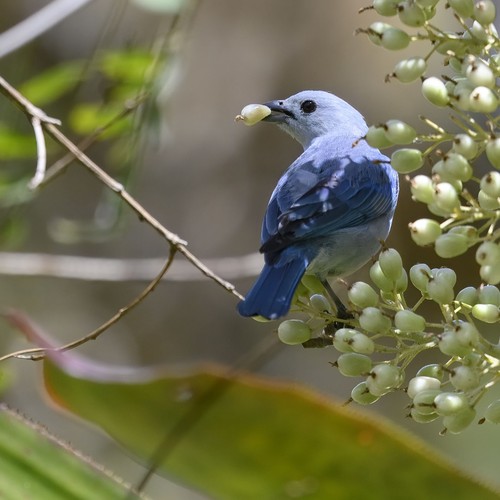
Blue-gray Tanager
16-18 cm (6-7 in) long
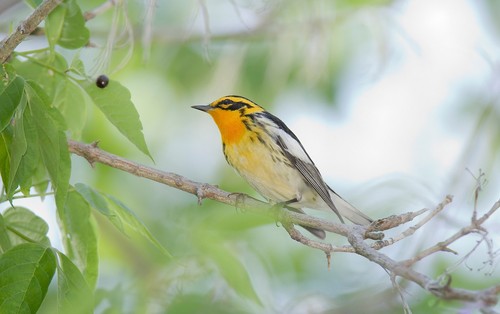
Blackburnian Warbler
11-13 cm (4.3-5.1 in) long, 20-22 cm wingspan
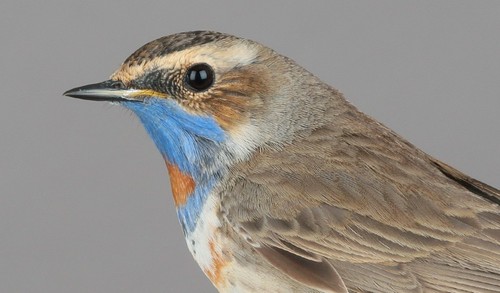
Bluethroat
13-14 cm (5.1-5.5 in) long, 20-22 cm wingspan
Eurasian Nuthatch
12-14.5 cm (4.7-5.7 in) long, 22.5-27 cm wingspan
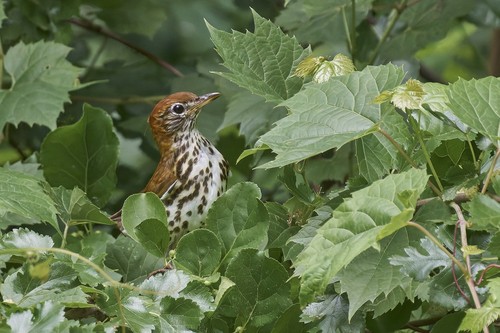
Wood Thrush
19-21 cm (7.5-8.3 in) long, about 33 cm (13 in) wingspan