
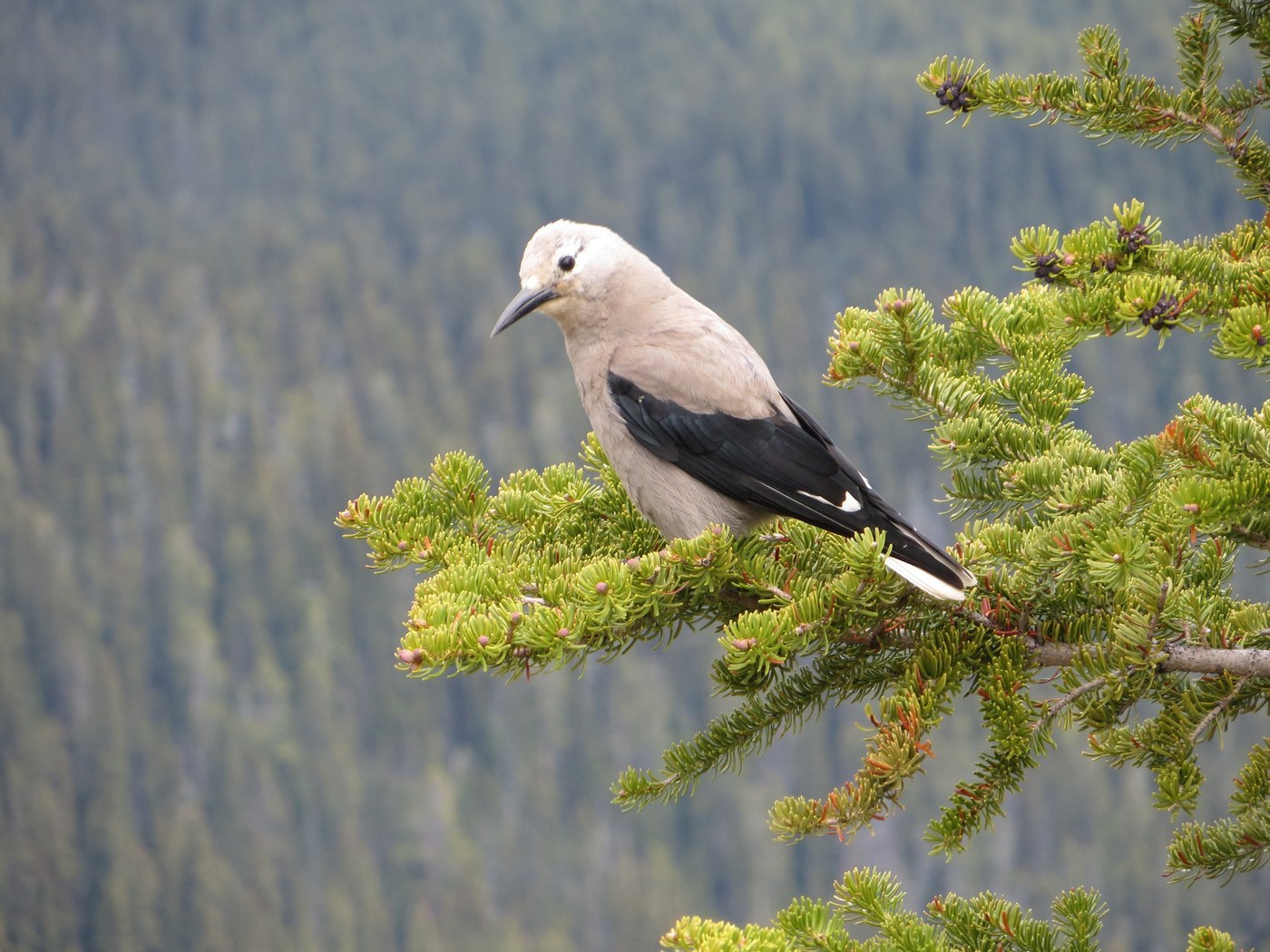
Clark's Nutcracker
Nucifraga columbiana
A pale gray high-mountain corvid famous for caching tens of thousands of pine seeds each year and for its remarkable spatial memory.
- Size
- 27-30 cm (11-12 in) long, 46-56 cm wingspan
- Habitat
- high-elevation coniferous forests, especially whitebark and pinyon pine stands in the western mountains
- Type
- songbird
Spotted a bird like this?
Identify any bird from a photo, free.
Overview
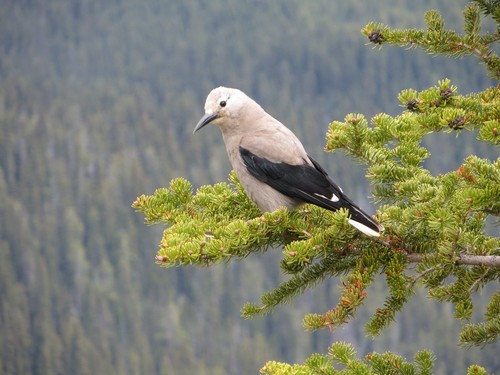
Clark's Nutcracker is a distinctive gray corvid of high-elevation western forests, with a pale gray body, black wings, and a black central tail flanked by white outer tail feathers, plus a bold white patch on the secondary wing feathers visible in flight. Its bill is long, straight, and sharply pointed, well suited for prying seeds from pine cones.
This species has an extraordinary ecological relationship with whitebark pine and other high-elevation pines, caching tens of thousands of seeds each autumn in scattered underground caches that it relies on memory alone to relocate throughout the winter and spring, a feat considered one of the most impressive examples of spatial memory in the animal kingdom.
How to identify it
Key Field Marks
- Pale gray body
- Black wings with a bold white patch on the secondaries
- Black central tail feathers with white outer tail feathers
- Long, straight, sharply pointed black bill
- Often seen in noisy flocks at high elevation, sometimes bold around campgrounds
Similar Species
- Gray Jay/Canada Jay is smaller and fluffier with a dark cap and pale face, lacking the strong black-and-white wing and tail pattern of the nutcracker.
- Pinyon Jay is uniformly blue-gray without the white wing patch or black-and-white tail.
Habitat & range
Habitat
Clark's Nutcracker inhabits high-elevation coniferous forests, particularly stands of whitebark pine, limber pine, and other high-elevation pines near and above treeline.
Range
Found in mountain ranges of the western United States and southwestern Canada, including the Rockies, Cascades, Sierra Nevada, and Great Basin ranges.
Migration
This species is largely resident but exhibits irruptive movements to lower elevations in years of poor pine seed crops, sometimes appearing well outside its typical range.
Behavior & voice
Behavior
Clark's Nutcracker is renowned for its seed-caching behavior, storing tens of thousands of pine seeds in thousands of individual underground caches each fall using a specialized pouch under the tongue, then relying on precise spatial memory to relocate a majority of these caches over the following months, including to feed nestlings the following spring.
Voice
The most common call is a harsh, grating khaaa or kra-a-a, along with various other rasping and chattering notes.
Feeding
Pine seeds, especially from whitebark and limber pine, form the dietary staple, supplemented by insects, small vertebrates, and carrion.
Nesting
Pairs nest unusually early in the year, sometimes while snow still covers the ground, building an insulated stick nest in a conifer; both parents incubate the 2-4 pale green, spotted eggs.
Frequently asked questions
Why is Clark's Nutcracker famous for its memory?
It caches tens of thousands of pine seeds in thousands of separate locations each fall and relies on spatial memory alone to relocate most of them months later, one of the most impressive memory feats known in birds.
Where does Clark's Nutcracker live?
It lives in high-elevation coniferous forests, especially whitebark and limber pine stands, in the mountains of the western United States and southwestern Canada.
What does Clark's Nutcracker eat?
It primarily eats pine seeds, especially from whitebark pine, along with insects, small vertebrates, and carrion.
Why does Clark's Nutcracker nest so early in the year?
Nesting in late winter allows the young to fledge in time to exploit the peak availability of pine seeds later in the year.
Clark's Nutcracker guides
In-depth guides for identifying, finding, and understanding Clark's Nutcracker.
Other birds you may enjoy
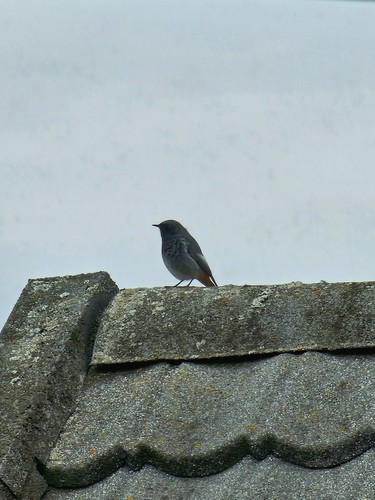
Black Redstart
13-14.5 cm (5.1-5.7 in) long, 23-26 cm wingspan
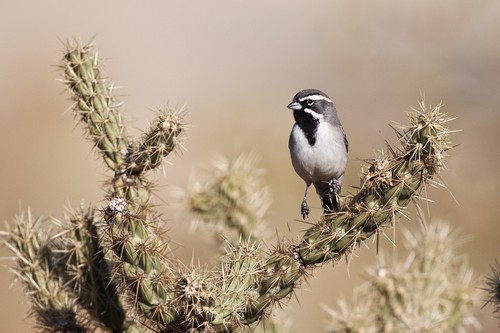
Black-throated Sparrow
12-14 cm (4.7-5.5 in) long, about 19-20 cm (7.5-8 in) wingspan
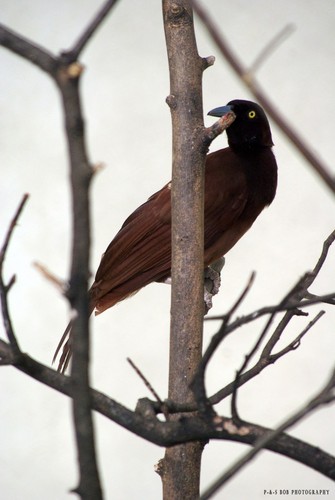
Greater Bird-of-paradise
Body about 43 cm; males with additional flank plumes up to 50 cm and long tail wires
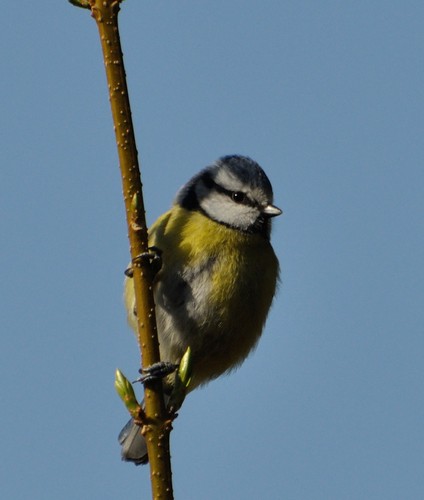
Blue Tit
11-12 cm (4.3-4.7 in) long, 17-20 cm wingspan
Red-billed Quelea
11.5–13 cm long, wingspan about 20–22 cm
White-plumed Antbird
13-14 cm (5-5.5 in) long
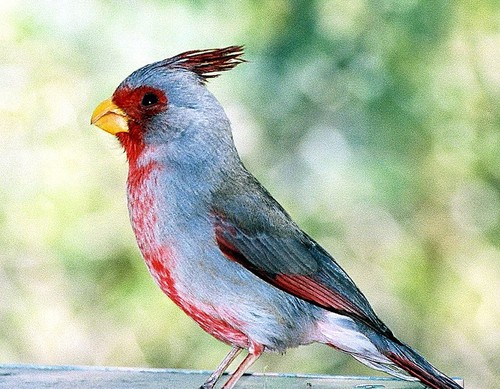
Pyrrhuloxia
19-22 cm (7.5-8.7 in) long, 30 cm wingspan
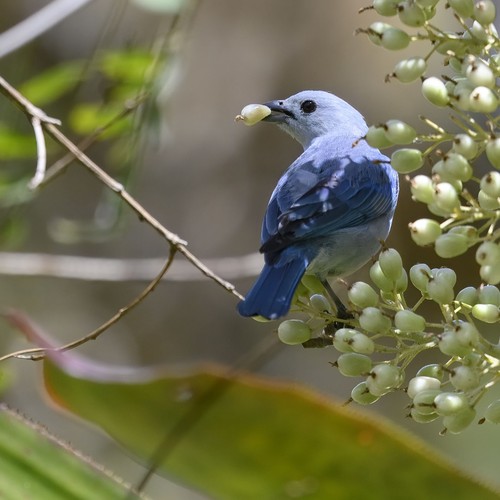
Blue-gray Tanager
16-18 cm (6-7 in) long
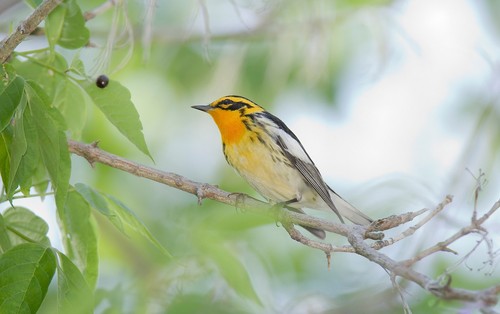
Blackburnian Warbler
11-13 cm (4.3-5.1 in) long, 20-22 cm wingspan
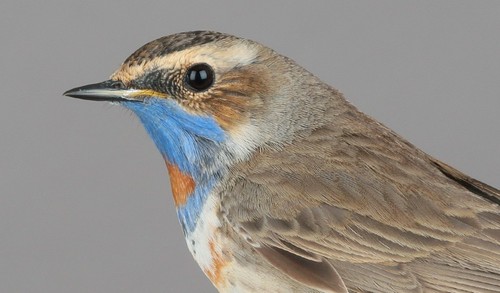
Bluethroat
13-14 cm (5.1-5.5 in) long, 20-22 cm wingspan
Eurasian Nuthatch
12-14.5 cm (4.7-5.7 in) long, 22.5-27 cm wingspan
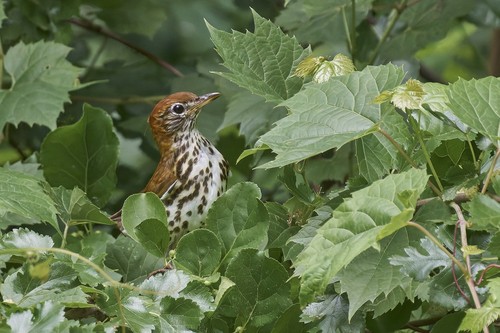
Wood Thrush
19-21 cm (7.5-8.3 in) long, about 33 cm (13 in) wingspan