
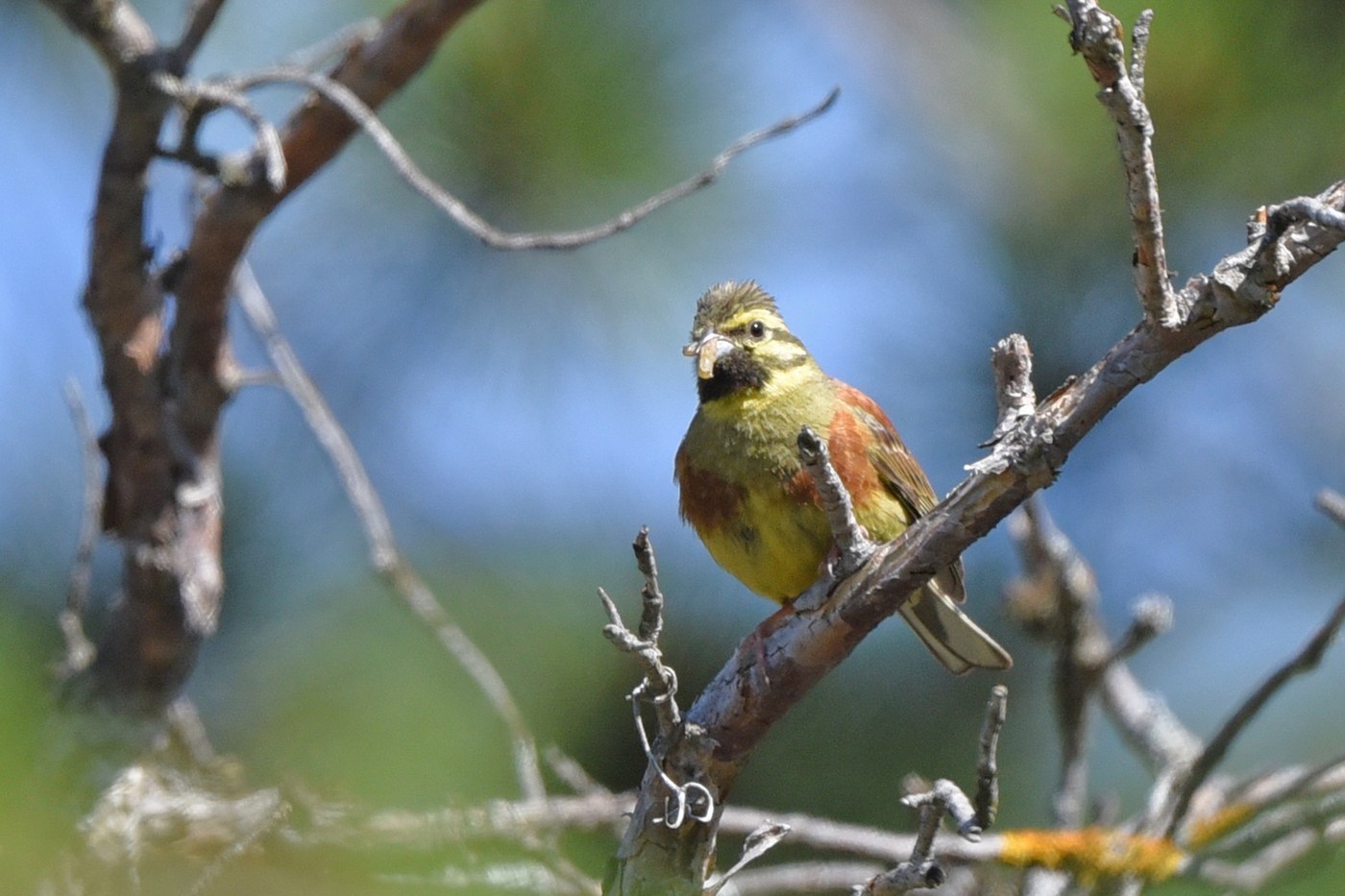
Cirl Bunting
Emberiza cirlus
A scarce, sedentary bunting of warm farmland, the male showing a black-and-yellow striped face and an olive breast band.
- Size
- 15-16.5 cm (5.9-6.5 in) long, 22-25.5 cm wingspan
- Habitat
- warm farmland with hedgerows, scrub, and south-facing slopes; largely sedentary
- Type
- songbird
Spotted a bird like this?
Identify any bird from a photo, free.
Overview
The Cirl Bunting is a close relative of the Yellowhammer, found in warmer, drier farmland habitats across southern and western Europe. In Britain it survives only in a small, closely monitored population in Devon, having declined severely elsewhere through the twentieth century.
Appearance
Breeding males have a distinctive black-and-yellow striped face pattern, with a black crown stripe, black eye stripe, and black throat set against a bright yellow face, and an olive-grey breast band above a chestnut-tinged flank. Females and immatures are much duller and streakier, closely resembling female Yellowhammers, though typically greyer-toned with a more subtly patterned face.
How to identify it
Key Field Marks
- Male: black crown stripe, black eye stripe, black throat, yellow face and underparts, olive-grey breast band, chestnut wash on flanks
- Female: streaky, greyish-olive overall, subtly striped face, greyer rump than Yellowhammer
- Grey-brown, unstreaked or lightly streaked rump (unlike Yellowhammer's chestnut rump)
Similar Species
The main confusion species is the Yellowhammer. Male Yellowhammers lack the black throat and have a cleaner yellow head with a chestnut (not grey-olive) rump; female Cirl Buntings are best separated from female Yellowhammers by their greyer, less rufous rump and subtly different face pattern, though care and good views are often needed.
Habitat & range
Habitat
Cirl Buntings favor warm, sheltered farmland with a mix of tall, thick hedgerows for nesting and song perches, weedy stubble fields or set-aside for winter seed food, and rough, insect-rich grassland for feeding chicks in summer — a specific combination that has made the species vulnerable to agricultural intensification.
Range and Migration
The species is largely resident, found across southern and western Europe from Iberia and France through Italy and the Balkans, with an outlying, historically much-reduced population in southern England. It does not undertake long migrations, and even in Britain the population remains within a small geographic area.
Behavior & voice
Behavior
Cirl Buntings are often unobtrusive, feeding on the ground or low in hedgerows and singing from prominent perches such as treetops or wires within their territory.
Voice
The song is a fast, dry, rattling trill on a single pitch — shorter, faster, and more mechanical-sounding than the Yellowhammer's song, and lacking the drawn-out final note.
Nesting and Breeding
Nests are built low in dense hedges or scrub, a cup of grass and moss lined with fine roots and hair. The female lays 3-4 eggs with dark scrawled markings and incubates them for about 11-13 days; pairs typically raise two broods, timing the second to coincide with peak grasshopper abundance for feeding chicks.
Frequently asked questions
Where can Cirl Buntings be found in Britain?
The UK population is restricted to a small area of south Devon, where targeted conservation and farming schemes have helped the species recover from near extinction.
How is a male Cirl Bunting different from a male Yellowhammer?
The Cirl Bunting has a black throat and an olive-grey breast band beneath its yellow face, along with a grey (not chestnut) rump, whereas the Yellowhammer has a cleaner yellow head and a warm chestnut rump.
Why did Cirl Buntings decline so severely in Britain?
Changes in farming practice, particularly the loss of weedy winter stubble fields and insect-rich rough grassland, removed key year-round food sources the species depends on.
What does the Cirl Bunting's song sound like?
A fast, dry, rattling trill delivered on a single pitch, shorter and more mechanical than the similar song of the Yellowhammer.
Cirl Bunting guides
In-depth guides for identifying, finding, and understanding Cirl Bunting.
Other birds you may enjoy
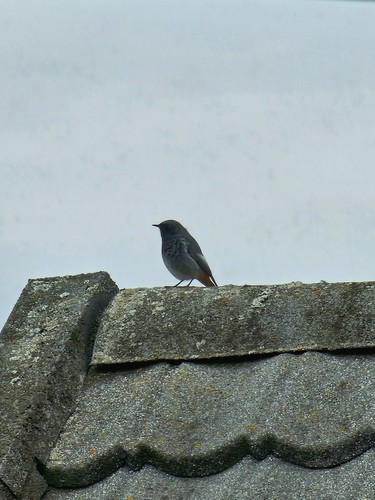
Black Redstart
13-14.5 cm (5.1-5.7 in) long, 23-26 cm wingspan
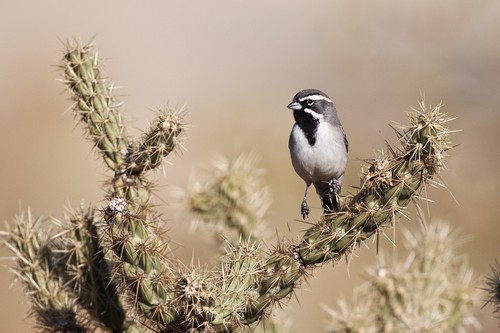
Black-throated Sparrow
12-14 cm (4.7-5.5 in) long, about 19-20 cm (7.5-8 in) wingspan
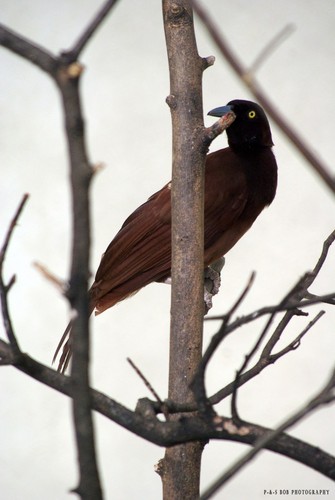
Greater Bird-of-paradise
Body about 43 cm; males with additional flank plumes up to 50 cm and long tail wires
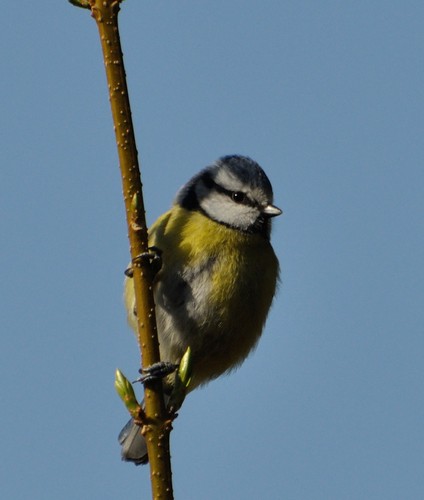
Blue Tit
11-12 cm (4.3-4.7 in) long, 17-20 cm wingspan
Red-billed Quelea
11.5–13 cm long, wingspan about 20–22 cm
White-plumed Antbird
13-14 cm (5-5.5 in) long
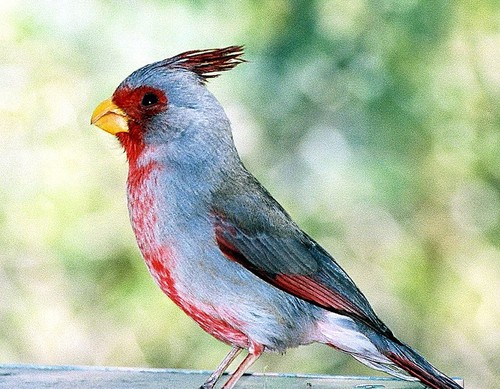
Pyrrhuloxia
19-22 cm (7.5-8.7 in) long, 30 cm wingspan
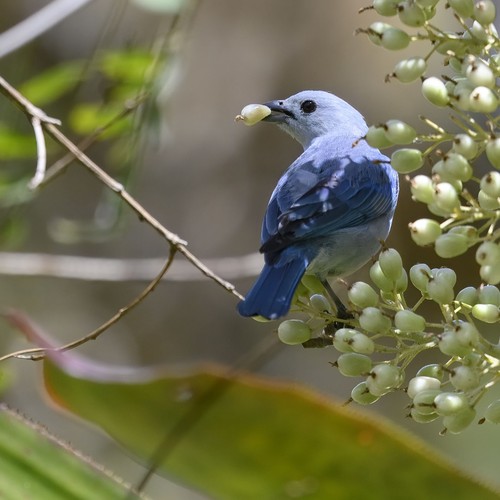
Blue-gray Tanager
16-18 cm (6-7 in) long
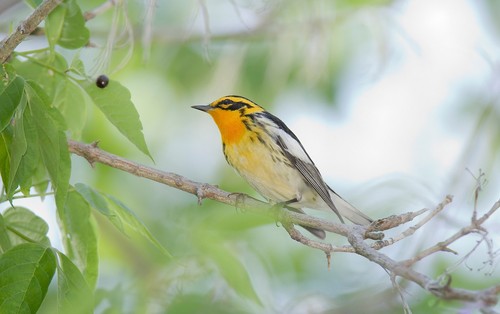
Blackburnian Warbler
11-13 cm (4.3-5.1 in) long, 20-22 cm wingspan
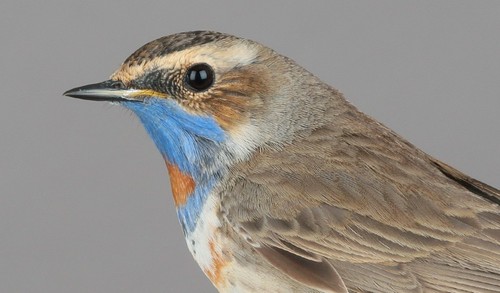
Bluethroat
13-14 cm (5.1-5.5 in) long, 20-22 cm wingspan
Eurasian Nuthatch
12-14.5 cm (4.7-5.7 in) long, 22.5-27 cm wingspan
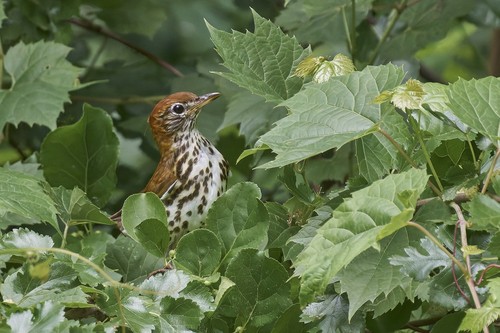
Wood Thrush
19-21 cm (7.5-8.3 in) long, about 33 cm (13 in) wingspan