
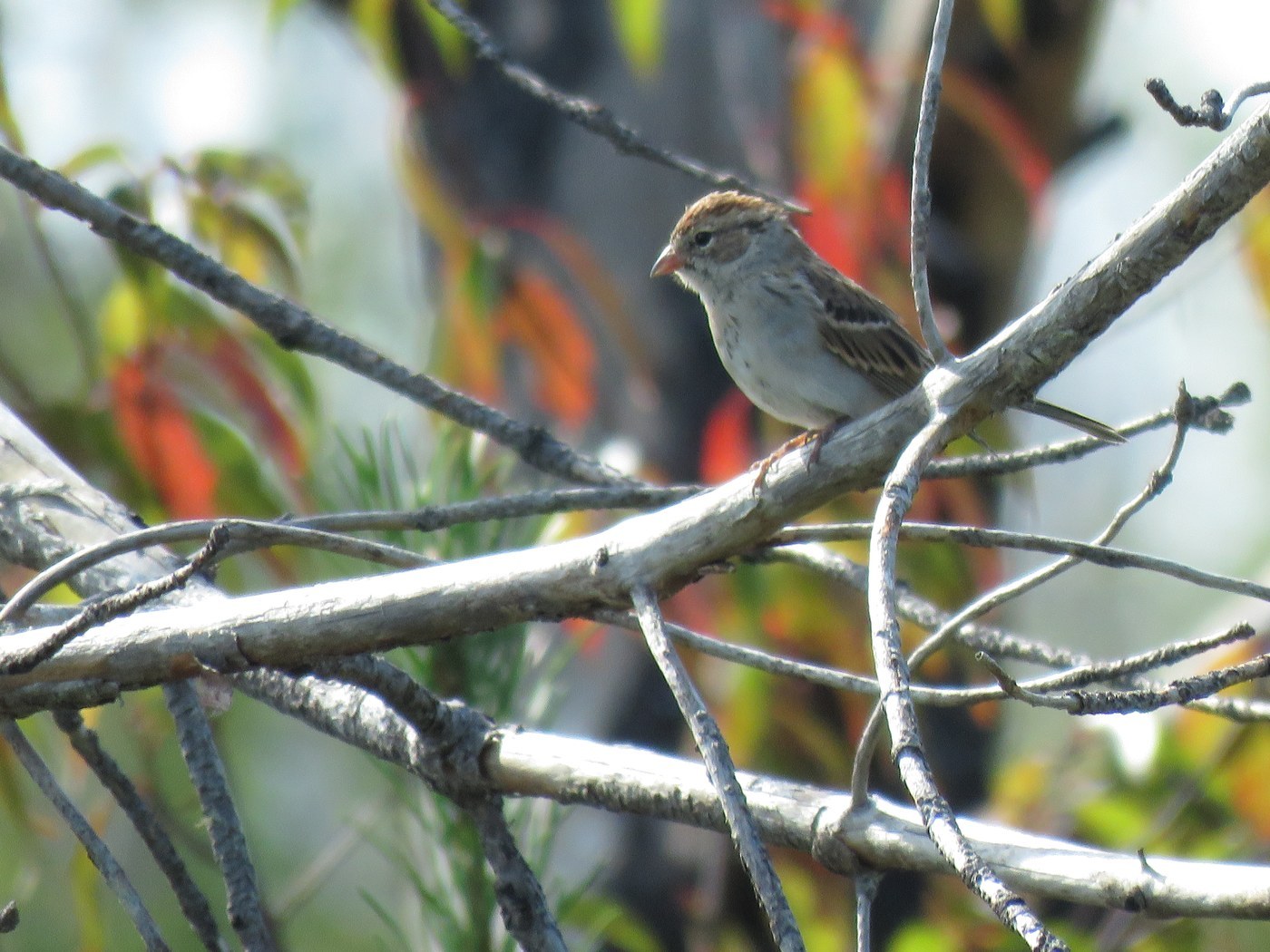
Chipping Sparrow
Spizella passerina
A small, slender sparrow with a bright rufous cap, black eye-line, and clean gray underparts, common in yards with conifers.
- Size
- 12-14.5 cm (4.75-5.75 in) long, 20-23 cm (8-9 in) wingspan
- Habitat
- open woodlands, parks, lawns with scattered trees, and gardens
- Type
- songbird
Spotted a bird like this?
Identify any bird from a photo, free.
Overview
The Chipping Sparrow is a small, trim sparrow common across much of North America, easily recognized in breeding plumage by its bright rufous (chestnut) cap and crisp black line through the eye set off by a white eyebrow stripe. The underparts are plain, unstreaked gray, and the back is brown with black streaking. Non-breeding and winter birds are duller, with a streaked, less vivid crown and a buffier face, which can make them trickier to identify.
This species is a familiar summer visitor to lawns, parks, and gardens with conifers or scattered trees, where it often nests close to human dwellings and forages tamely on the ground.
How to identify it
Key Field Marks
- Bright rufous cap (breeding adults) with a black eye-line and white eyebrow stripe
- Plain, unstreaked gray underparts
- Small, slim body with a notched tail
- Pinkish legs and a small conical bill
Similar Species
- American Tree Sparrow: has a rufous cap too, but shows a dark central breast spot and a bicolored bill, and occurs in winter across much of the Chipping Sparrow's breeding range (little range overlap in season).
- Field Sparrow: has a plain pinkish bill, plainer face without a strong black eye-line, and a pale eye-ring, along with a pinkish (not black) bill.
- Non-breeding/winter Chipping Sparrow: duller and streakier on the crown, can resemble Clay-colored Sparrow, which has a more contrasting pale central crown stripe and grayish nape.
Habitat & range
Habitat
Chipping Sparrows favor open woodlands, forest edges, parks, lawns with scattered trees, and gardens, especially areas with conifers used for nesting.
Range
They breed across most of Canada, the United States, and into the highlands of Mexico and Central America, and winter mainly in the southern United States and Mexico south to Central America.
Migration
Most populations are medium-distance migrants, though some resident populations exist in the southern part of the range and in Mexico; they typically arrive on breeding grounds in spring and depart by early fall.
Behavior & voice
Behavior
Chipping Sparrows are often tame and approachable, foraging on lawns and open ground in a fairly upright posture, sometimes in small flocks outside the breeding season, occasionally mixing with other sparrows.
Voice
The song is a fast, dry, mechanical-sounding trill all on one pitch, often confused with the trill of a Dark-eyed Junco or Pine Warbler but generally faster and more insect-like.
Feeding
They eat mostly seeds outside the breeding season and switch to insects, especially caterpillars, during summer to feed themselves and their young.
Nesting & Breeding
The female builds a small, neat cup nest, often lined with animal hair, usually in a conifer or dense shrub close to the ground. They typically lay 3-5 pale blue-green eggs with dark markings and may raise two broods per season.
Frequently asked questions
What does a Chipping Sparrow's song sound like?
It is a fast, dry, mechanical trill delivered on a single pitch, sometimes compared to an insect or sewing-machine sound.
How can I tell a Chipping Sparrow from an American Tree Sparrow?
Both have rufous caps, but American Tree Sparrows show a dark spot in the center of the breast and a bicolored bill, and the two species are rarely present in the same area at the same time of year since Tree Sparrows winter where Chipping Sparrows breed.
Where do Chipping Sparrows nest?
They typically build a small cup nest low in a conifer or dense shrub, often close to houses, and commonly line the nest with animal hair.
Do Chipping Sparrows migrate?
Most populations are migratory, breeding across much of North America in summer and wintering in the southern U.S., Mexico, and Central America.
What do Chipping Sparrows eat?
They eat mainly seeds outside the breeding season, switching to insects, particularly caterpillars, during the summer breeding period.
Chipping Sparrow guides
In-depth guides for identifying, finding, and understanding Chipping Sparrow.
Other birds you may enjoy
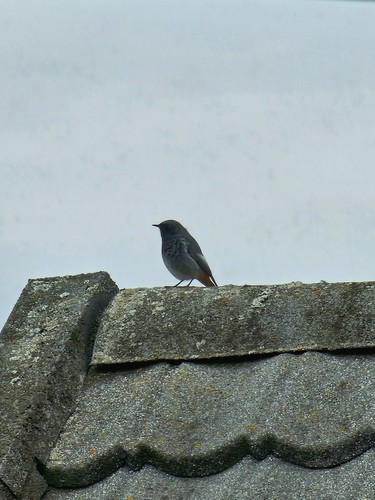
Black Redstart
13-14.5 cm (5.1-5.7 in) long, 23-26 cm wingspan
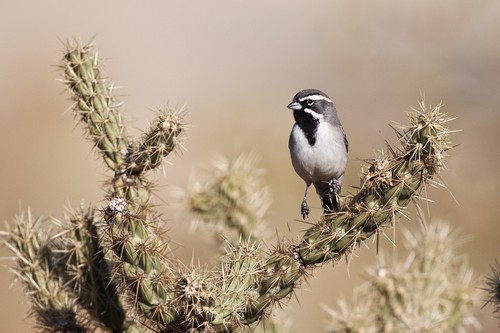
Black-throated Sparrow
12-14 cm (4.7-5.5 in) long, about 19-20 cm (7.5-8 in) wingspan
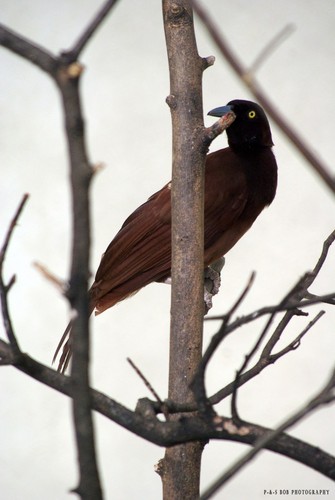
Greater Bird-of-paradise
Body about 43 cm; males with additional flank plumes up to 50 cm and long tail wires
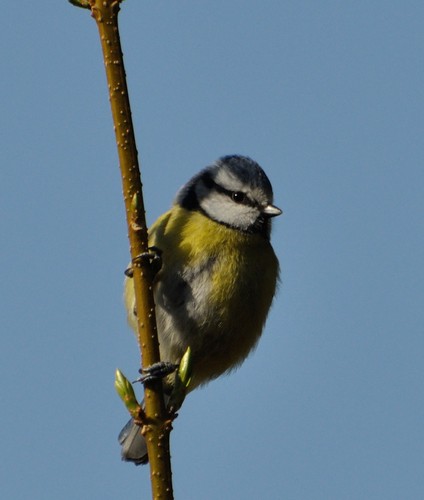
Blue Tit
11-12 cm (4.3-4.7 in) long, 17-20 cm wingspan
Red-billed Quelea
11.5–13 cm long, wingspan about 20–22 cm
White-plumed Antbird
13-14 cm (5-5.5 in) long
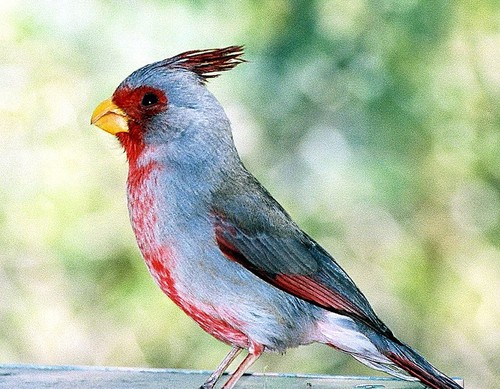
Pyrrhuloxia
19-22 cm (7.5-8.7 in) long, 30 cm wingspan
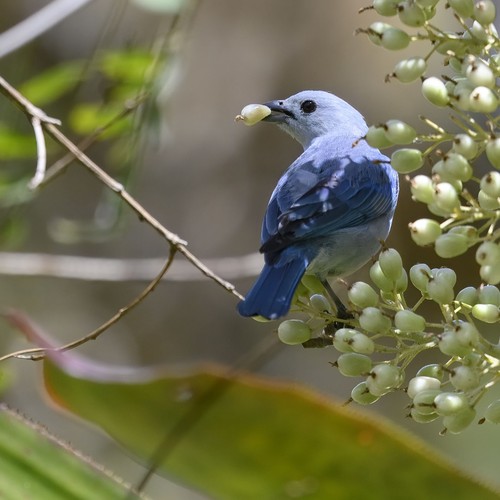
Blue-gray Tanager
16-18 cm (6-7 in) long
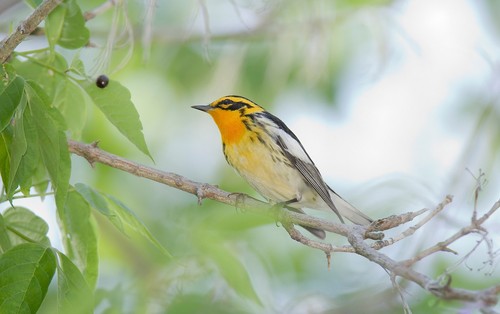
Blackburnian Warbler
11-13 cm (4.3-5.1 in) long, 20-22 cm wingspan
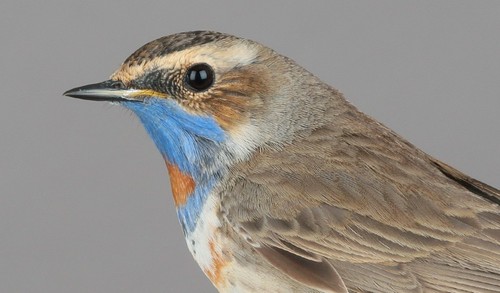
Bluethroat
13-14 cm (5.1-5.5 in) long, 20-22 cm wingspan
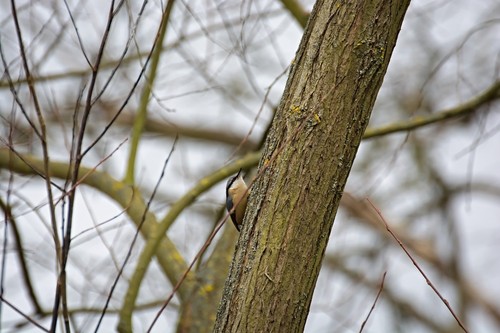
Eurasian Nuthatch
12-14.5 cm (4.7-5.7 in) long, 22.5-27 cm wingspan
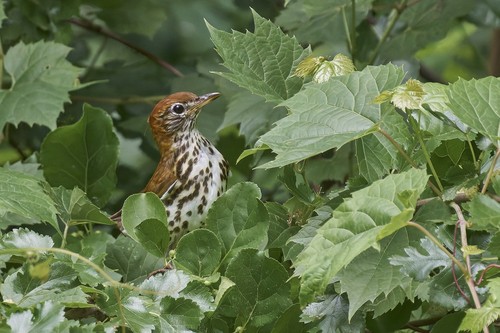
Wood Thrush
19-21 cm (7.5-8.3 in) long, about 33 cm (13 in) wingspan