
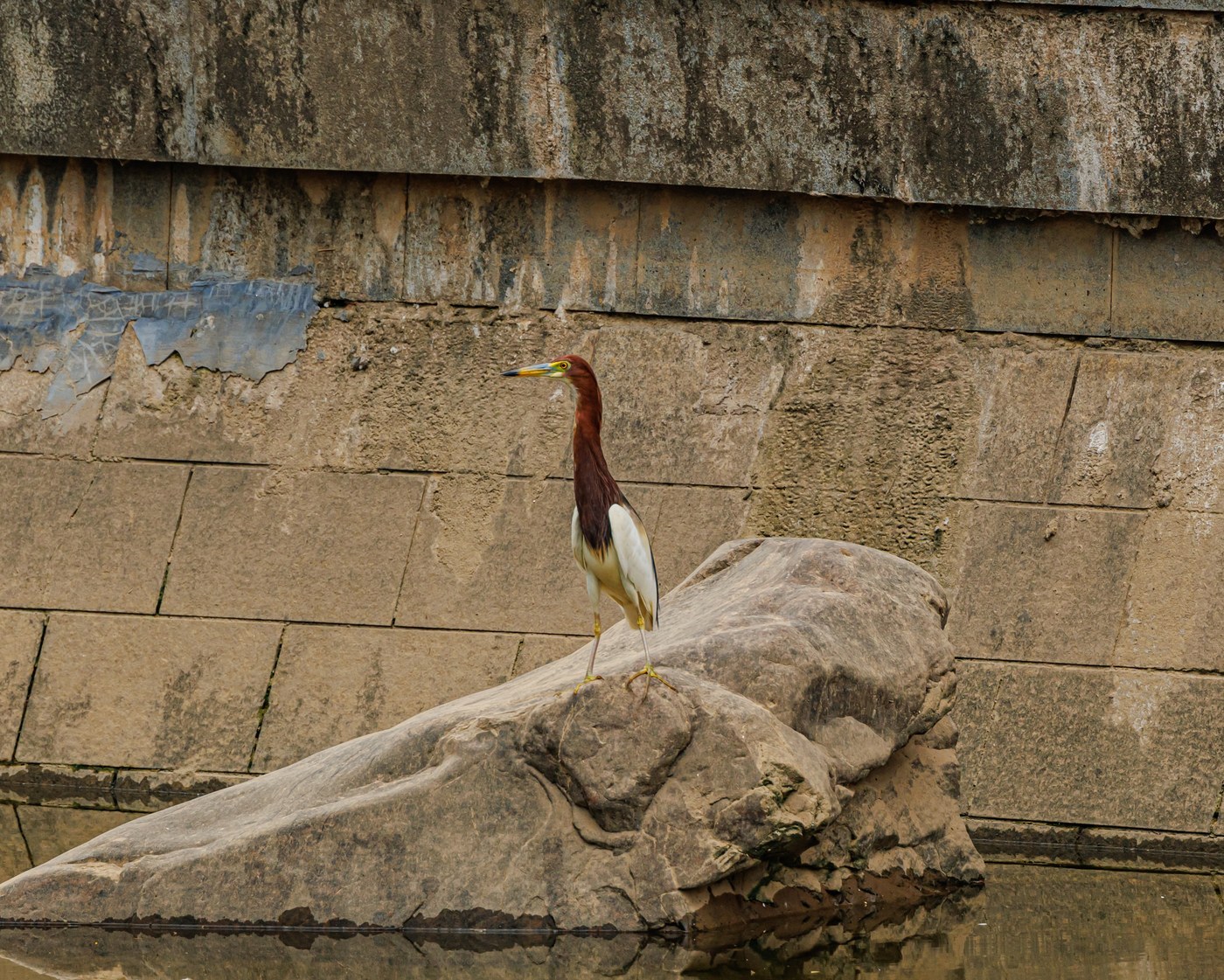
Chinese Pond-Heron
Ardeola bacchus
A small East Asian heron that transforms from a plain streaky brown bird into a maroon-and-slate breeding beauty each spring.
- Size
- 42-52 cm (17-20 in) long
- Habitat
- rice paddies, ponds, marshes, and rivers across East and Southeast Asia
- Type
- wading-bird
Spotted a bird like this?
Identify any bird from a photo, free.
Overview
The Chinese Pond-Heron is a small, stocky heron widespread across East Asia, closely related to the Squacco Heron of Africa and Europe. In breeding plumage it is striking: the head and neck turn a deep maroon-chestnut, the back becomes dark slate-blue, and the breast is rich maroon, all set off by pure white wings that are normally hidden at rest. Outside the breeding season, birds molt into a much plainer streaky brown plumage that blends in with muddy pond edges.
Like other pond-herons, its camouflaged non-breeding look conceals brilliant white wings that flash into view only when the bird takes flight, a useful field mark for separating it from similar-looking marsh birds.
How to identify it
Key field marks
- Breeding adults: maroon-chestnut head and breast, slate-blue back, white wings
- Non-breeding/juveniles: streaky brown overall, easily overlooked
- White wings always visible in flight regardless of plumage
- Yellowish bill with dark tip
Similar species
The Indian Pond-Heron and Javan Pond-Heron are nearly identical and best separated by range and subtle breeding-plumage color differences (buffier tones in Indian Pond-Heron). The Squacco Heron is the equivalent species in Africa and Europe and does not overlap in range with the Chinese Pond-Heron.
Habitat & range
Habitat
This species thrives in human-modified wetlands, especially rice paddies, as well as natural marshes, ponds, and slow rivers.
Range and migration
It breeds across China, Korea, and parts of Southeast Asia, and northern populations migrate south to winter in Southeast Asia and the Philippines; the species is also a rare vagrant further afield.
Behavior & voice
Behavior
Chinese Pond-Herons are solitary foragers, often standing motionless at the edge of rice paddies or crouching low before stabbing at prey. They can be remarkably tame around agricultural land.
Voice
A harsh croaking call given mainly when flushed or at breeding colonies.
Feeding
They hunt fish, insects, and small crustaceans in shallow water, frequently exploiting flooded rice fields as a rich feeding ground.
Nesting and breeding
They breed colonially, often alongside egrets and other herons, building stick nests in trees; typical clutches are 3-6 pale blue eggs.
Frequently asked questions
What does a Chinese Pond-Heron look like in breeding season?
It develops a maroon-chestnut head and breast with a slate-blue back, contrasting sharply with its white wings.
Where do Chinese Pond-Herons live?
They are common across East and Southeast Asia, especially in rice paddies, ponds, and marshes.
How do you identify a Chinese Pond-Heron out of breeding plumage?
Look for a plain streaky brown body that still shows bright white wings in flight.
What do Chinese Pond-Herons eat?
Fish, insects, crustaceans, and small amphibians found in shallow water.
Chinese Pond-Heron guides
In-depth guides for identifying, finding, and understanding Chinese Pond-Heron.
Other birds you may enjoy
Demoiselle Crane
85-100 cm (33-39 in) long, 155-180 cm wingspan
Boat-billed Heron
41-56 cm (16-22 in) long
Purple Heron
78-90 cm (31-35 in) long, 120-152 cm wingspan
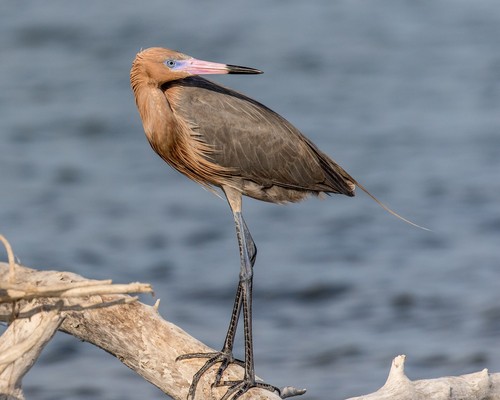
Reddish Egret
68-82 cm (27-32 in) long, 116-125 cm wingspan
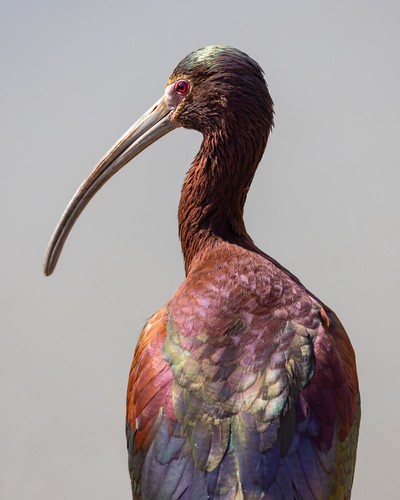
White-faced Ibis
46-56 cm (18-22 in) long, 88-93 cm wingspan
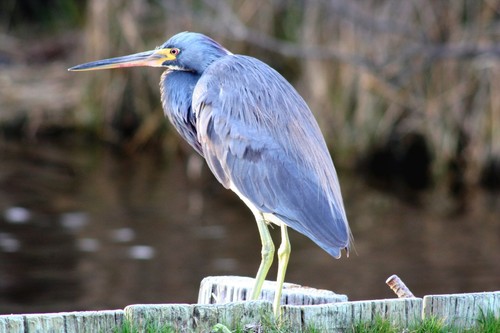
Tricolored Heron
61-76 cm (24-30 in) long, about 96 cm wingspan
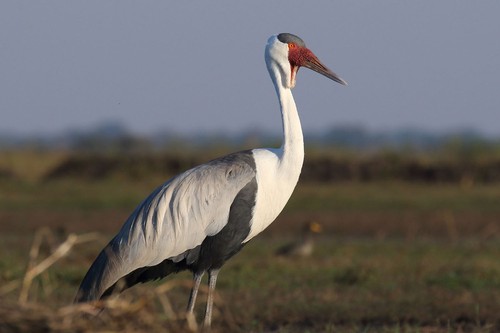
Wattled Crane
120-175 cm (47-69 in) tall, one of the tallest cranes, wingspan up to about 230 cm (7.5 ft)
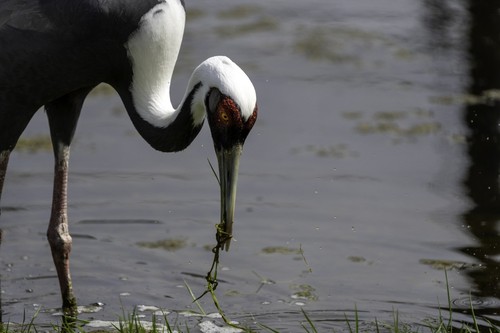
White-naped Crane
112-125 cm (44-49 in) long, 195-210 cm wingspan
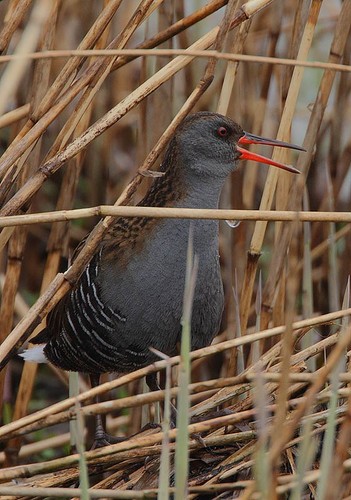
Water Rail
23-28 cm (9-11 in) long, wingspan 38-45 cm
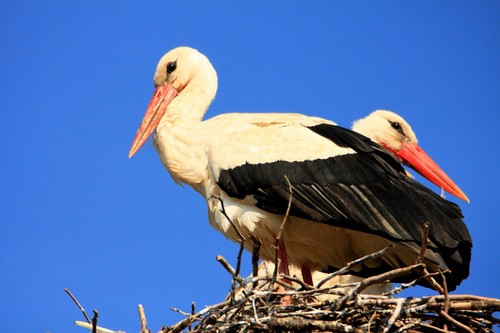
White Stork
100-125 cm (39-49 in) long, 155-215 cm wingspan
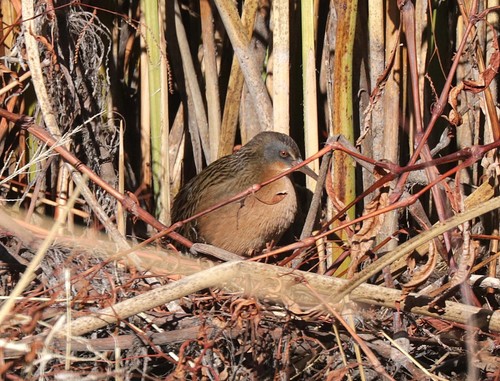
Virginia Rail
20-27 cm (8-11 in) long, wingspan 32-38 cm
Wattled Jacana
17-23 cm (7-9 in) long