
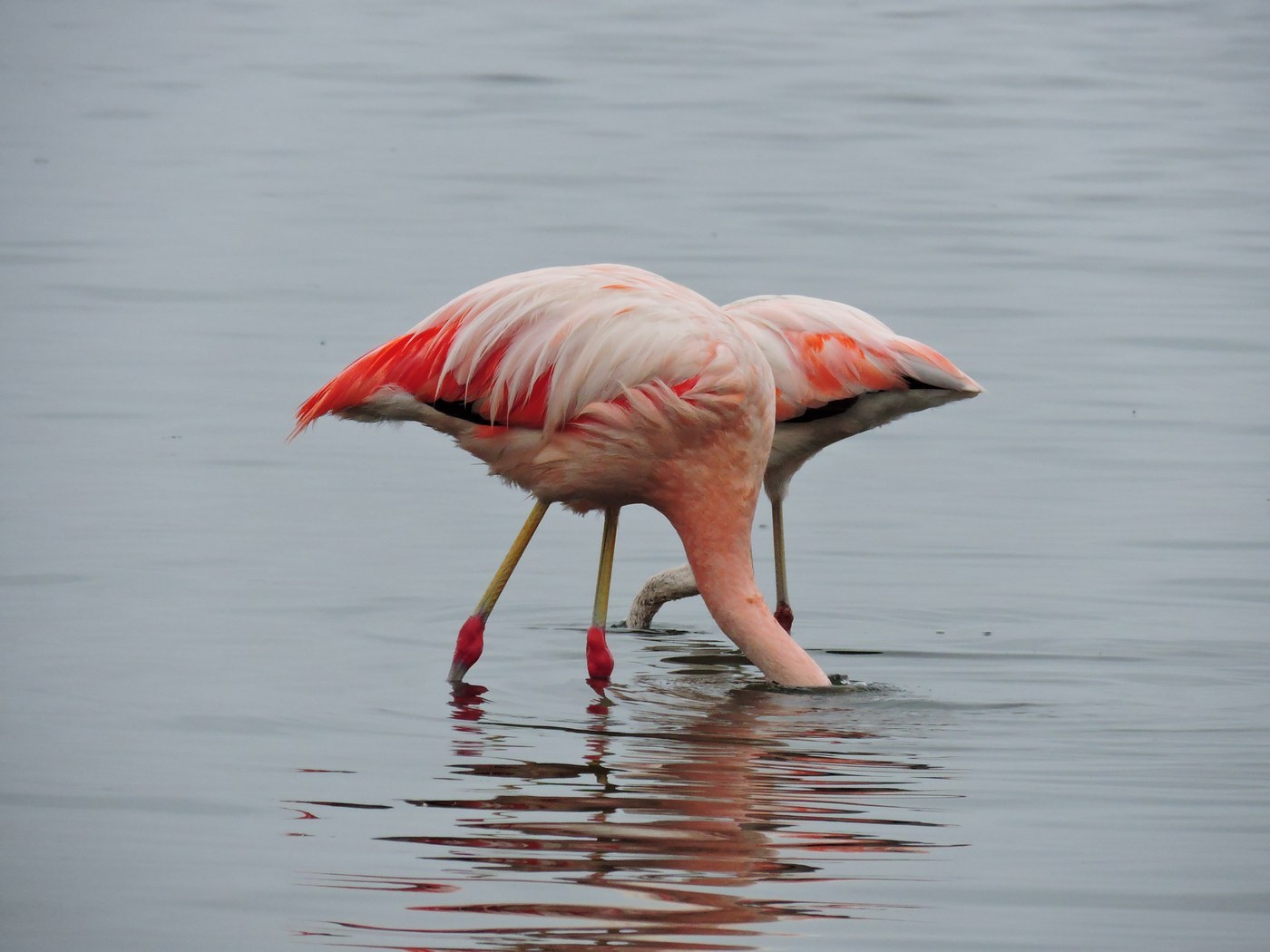
Chilean Flamingo
Phoenicopterus chilensis
A pale pink South American flamingo distinguished by its gray legs with bright pink joints.
- Size
- 100-130 cm (39-51 in) tall, 140-165 cm wingspan
- Habitat
- high-altitude lakes, coastal lagoons, salt flats, and estuaries
- Type
- wading-bird
Spotted a bird like this?
Identify any bird from a photo, free.
Overview
The Chilean Flamingo is a medium-large, pale pink flamingo native to South America. Its plumage is generally softer and paler than the American Flamingo's, though wing coverts still show a rich pink-red. The most distinctive feature is its two-toned legs, which are grayish overall with contrasting bright pink or red "knee" joints, unlike the uniformly pink legs of most other flamingo species.
It breeds and forages in large flocks across a wide range of South American wetlands, from lowland coastal lagoons to high Andean lakes.
How to identify it
Key field marks
- Pale pink body plumage with deeper pink wing coverts
- Gray legs with bright pink leg joints, a diagnostic feature
- Bill pale with a black tip, similar in shape to other flamingos
Similar species
- American Flamingo has uniformly pink legs and much deeper overall coloring.
- Andean Flamingo has yellow legs and more black in the wings.
- James's Flamingo is smaller with brick-red legs and a shorter, mostly yellow bill.
Habitat & range
Habitat
Uses a wide range of wetlands including coastal lagoons, estuaries, high Andean salt lakes, and inland marshes.
Range
Found across South America from Ecuador and Peru south through Chile and Argentina to Tierra del Fuego.
Migration
Some populations move seasonally between lowland wintering areas and high-altitude Andean breeding lakes.
Behavior & voice
Behavior
Feeds in large, gregarious flocks, wading through shallow water and sweeping its bill through mud and water to filter food.
Voice
Loud honking and gabbling calls, similar to other flamingo species, given especially at breeding colonies.
Feeding
Filters algae, aquatic invertebrates, and small crustaceans from mud and shallow water using its specially adapted bill.
Nesting
Breeds colonially on mud mounds in shallow lakes and salt flats; lays a single white egg.
Frequently asked questions
How do you identify a Chilean Flamingo?
Look for pale pink plumage combined with gray legs that have bright pink joints, a combination unique among flamingo species.
Where does the Chilean Flamingo live?
Across South America, from coastal lagoons in Peru and Ecuador to high Andean lakes and southern Argentina and Chile.
Why is the Chilean Flamingo considered Near Threatened?
Habitat disturbance, water diversion, and human activity around its breeding lakes have contributed to population declines in parts of its range.
What do Chilean Flamingos eat?
Algae, small crustaceans, and other aquatic invertebrates filtered from mud and water with their specialized bills.
Chilean Flamingo guides
In-depth guides for identifying, finding, and understanding Chilean Flamingo.
Other birds you may enjoy
Demoiselle Crane
85-100 cm (33-39 in) long, 155-180 cm wingspan
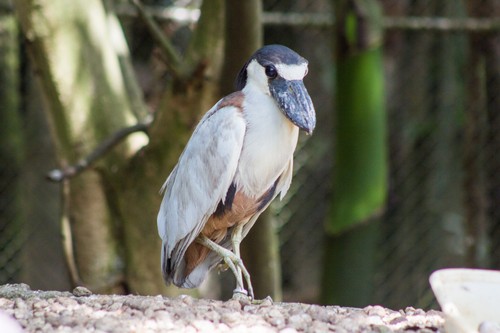
Boat-billed Heron
41-56 cm (16-22 in) long
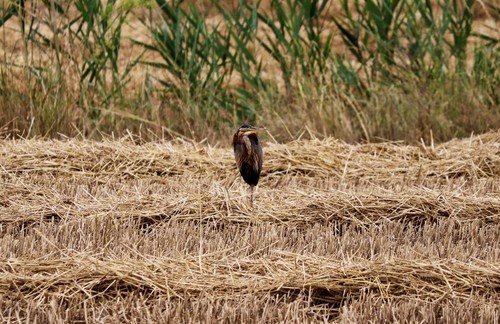
Purple Heron
78-90 cm (31-35 in) long, 120-152 cm wingspan
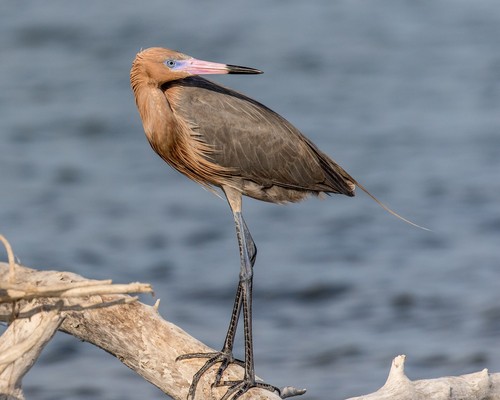
Reddish Egret
68-82 cm (27-32 in) long, 116-125 cm wingspan
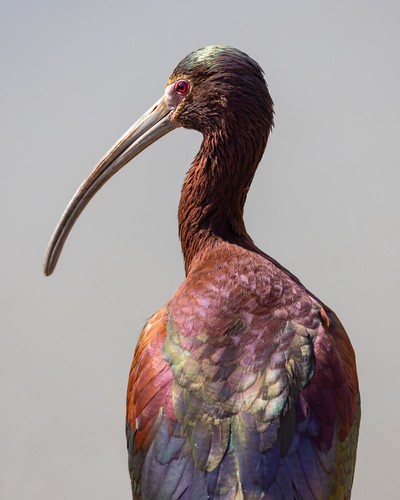
White-faced Ibis
46-56 cm (18-22 in) long, 88-93 cm wingspan
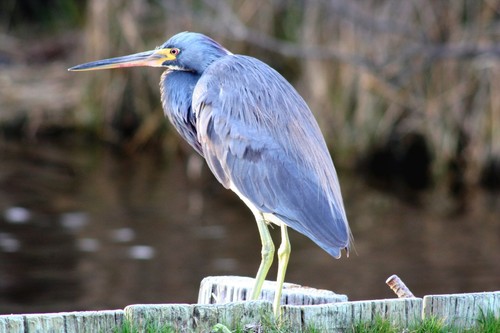
Tricolored Heron
61-76 cm (24-30 in) long, about 96 cm wingspan
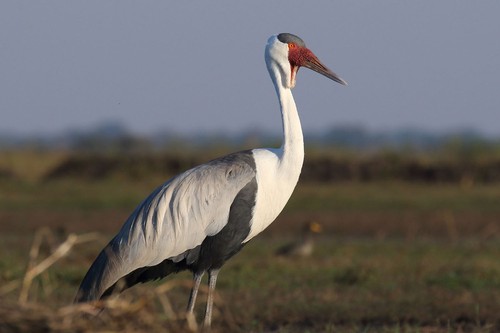
Wattled Crane
120-175 cm (47-69 in) tall, one of the tallest cranes, wingspan up to about 230 cm (7.5 ft)
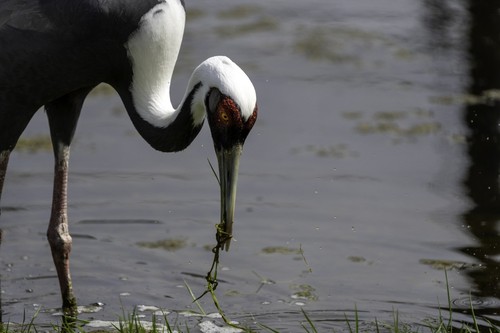
White-naped Crane
112-125 cm (44-49 in) long, 195-210 cm wingspan
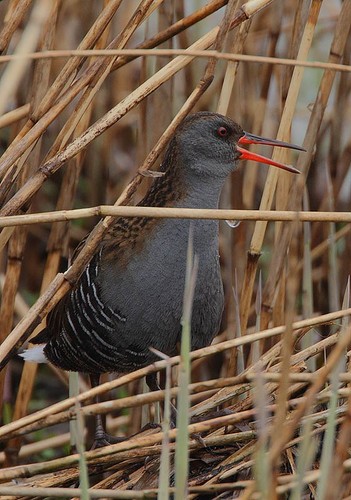
Water Rail
23-28 cm (9-11 in) long, wingspan 38-45 cm
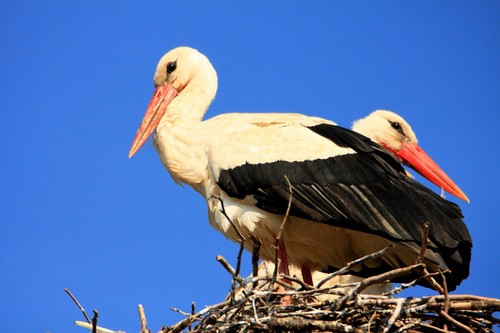
White Stork
100-125 cm (39-49 in) long, 155-215 cm wingspan
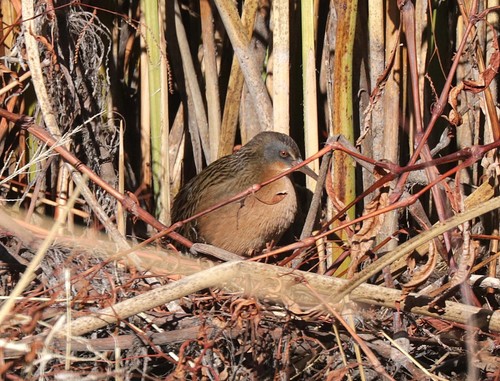
Virginia Rail
20-27 cm (8-11 in) long, wingspan 32-38 cm
Wattled Jacana
17-23 cm (7-9 in) long