
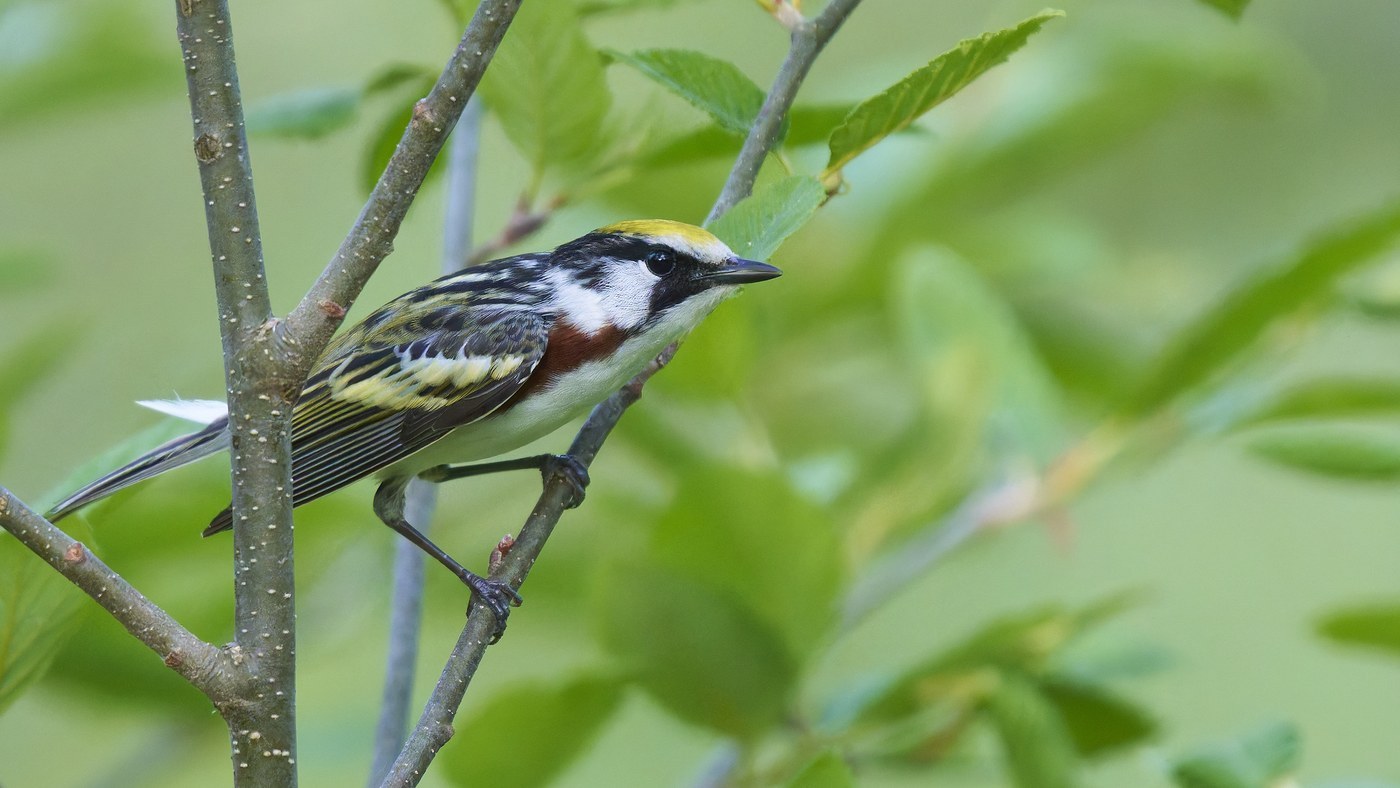
Chestnut-sided Warbler
Setophaga pensylvanica
A bright yellow-capped warbler with bold chestnut stripes down the flanks in breeding plumage, a bird that has benefited from second-growth habitat.
- Size
- 11-13 cm (4.3-5.1 in) long, 18-20 cm wingspan
- Habitat
- young second-growth deciduous woodland, shrubby fields, and forest edges
- Type
- songbird
Spotted a bird like this?
Identify any bird from a photo, free.
Overview
The Chestnut-sided Warbler is a handsome bird of shrubby, regenerating woodland, with breeding males showing a crisp combination of a bright yellow crown, black eye-line and mustache stripe, white face and underparts, and a bold chestnut stripe running down each flank. The back is streaked black on a yellow-green background, and the wings show two yellowish wingbars.
Non-breeding and immature birds look quite different, appearing plain lime-green above and clean white below with little or no chestnut on the flanks, sometimes causing confusion during fall migration. Historically rare, this species expanded dramatically as forests across the Northeast were cleared and then abandoned to grow back as brushy second-growth habitat, which it favors.
How to identify it
Key Field Marks
- Breeding male: bright yellow crown, black eye-line and malar (mustache) stripe, white face and underparts, bold chestnut stripe down the flanks
- Streaked black-and-yellow-green back
- Two yellowish wingbars
- Fall/immature: plain lime-green above, clean white below, little or no chestnut visible
Similar Species
Fall Chestnut-sided Warblers can resemble Bay-breasted or Blackpoll Warblers in nonbreeding plumage, but Chestnut-sided shows a distinctly bright lime-green back and crown, whiter underparts, and a plain white eye-ring, whereas those species show more streaking and duller tones overall. Breeding males are unmistakable due to the chestnut flank stripe.
Habitat & range
Habitat
This species favors young second-growth deciduous woodland, brushy fields, overgrown clear-cuts, and shrubby forest edges, generally avoiding mature closed-canopy forest.
Range
Chestnut-sided Warblers breed across the northeastern and north-central United States and southeastern Canada, south through the Appalachians. They winter primarily in Central America.
Migration
This species is a medium- to long-distance Neotropical migrant, and its breeding range and abundance expanded significantly following widespread historical deforestation and subsequent forest regrowth in eastern North America.
Behavior & voice
Behavior
Chestnut-sided Warblers forage actively in shrubs and low trees, often holding the tail cocked up and wings slightly drooped while gleaning through dense brushy vegetation.
Voice
The song is a bright, cheerful series often rendered as 'pleased-pleased-pleased-to-MEETCHA.' The call is a sharp 'chip.'
Feeding
It gleans caterpillars and other insects and spiders from leaves and twigs in shrubs and small trees, typically at low to middle heights.
Nesting & Breeding
The female builds a loosely woven cup nest low in a shrub or sapling, usually less than a meter or two above the ground. She lays 3-5 eggs, and this species is a frequent host of Brown-headed Cowbird parasitism in fragmented habitat.
Frequently asked questions
How do you identify a Chestnut-sided Warbler?
Breeding males show a bright yellow crown, black eye-line and mustache stripe, white underparts, and a bold chestnut stripe down each flank; nonbreeding and immature birds are plain lime-green above with little or no chestnut.
Why did Chestnut-sided Warblers become more common historically?
The species favors brushy second-growth woodland, and its population expanded significantly as historically cleared forests in the Northeast grew back through early successional stages in the 19th and 20th centuries.
What does a Chestnut-sided Warbler sound like?
Its cheerful song is often rendered phonetically as 'pleased-pleased-pleased-to-MEETCHA.'
Where do Chestnut-sided Warblers breed?
They breed in young second-growth deciduous woodland, shrubby fields, and forest edges across the northeastern and north-central United States and southeastern Canada.
What does a Chestnut-sided Warbler eat?
It eats caterpillars and other insects and spiders gleaned from shrubs and low trees.
Chestnut-sided Warbler guides
In-depth guides for identifying, finding, and understanding Chestnut-sided Warbler.
Other birds you may enjoy
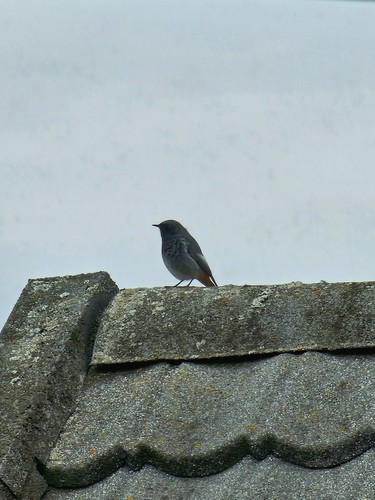
Black Redstart
13-14.5 cm (5.1-5.7 in) long, 23-26 cm wingspan
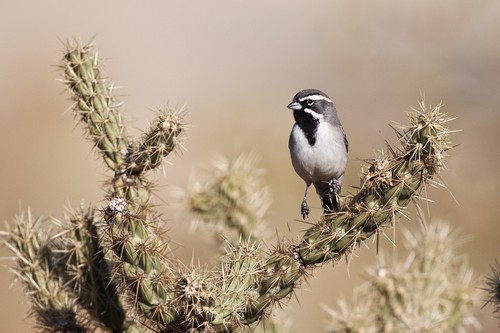
Black-throated Sparrow
12-14 cm (4.7-5.5 in) long, about 19-20 cm (7.5-8 in) wingspan
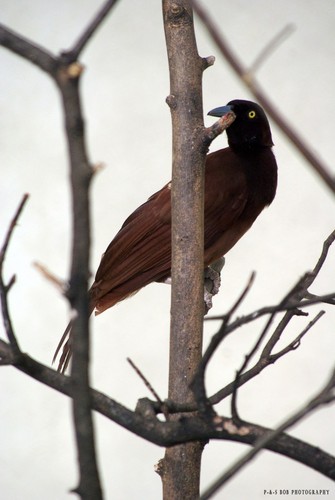
Greater Bird-of-paradise
Body about 43 cm; males with additional flank plumes up to 50 cm and long tail wires
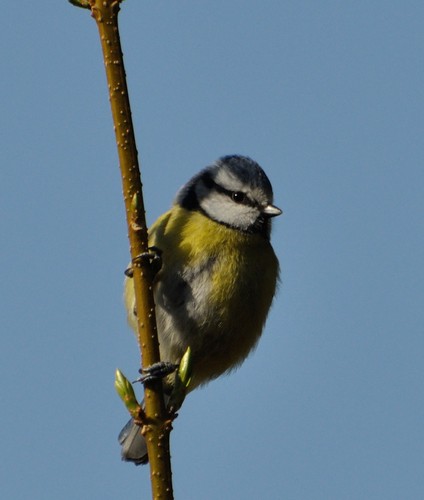
Blue Tit
11-12 cm (4.3-4.7 in) long, 17-20 cm wingspan
Red-billed Quelea
11.5–13 cm long, wingspan about 20–22 cm
White-plumed Antbird
13-14 cm (5-5.5 in) long
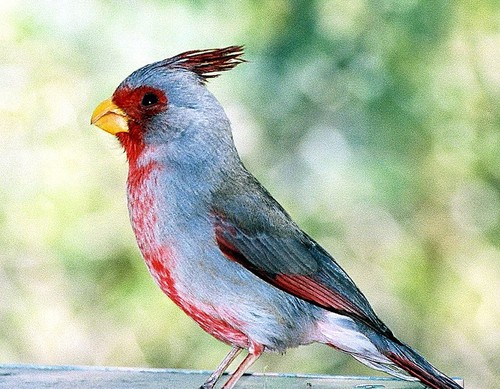
Pyrrhuloxia
19-22 cm (7.5-8.7 in) long, 30 cm wingspan
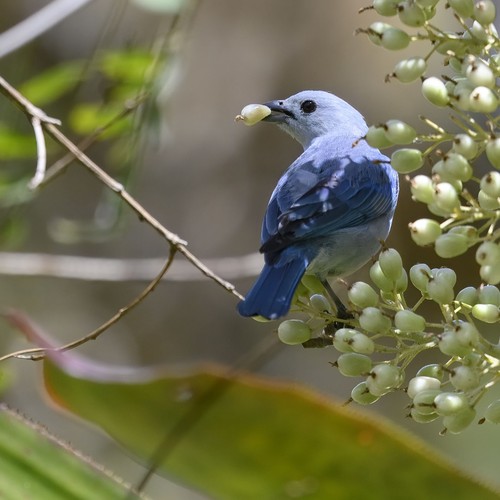
Blue-gray Tanager
16-18 cm (6-7 in) long
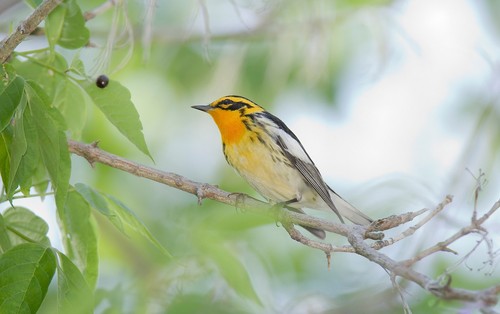
Blackburnian Warbler
11-13 cm (4.3-5.1 in) long, 20-22 cm wingspan
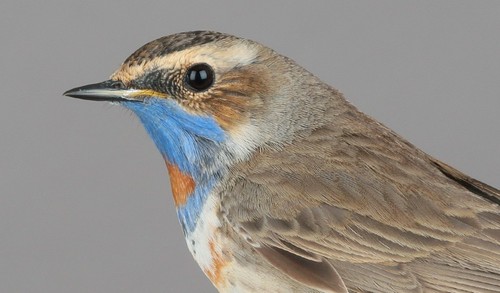
Bluethroat
13-14 cm (5.1-5.5 in) long, 20-22 cm wingspan
Eurasian Nuthatch
12-14.5 cm (4.7-5.7 in) long, 22.5-27 cm wingspan
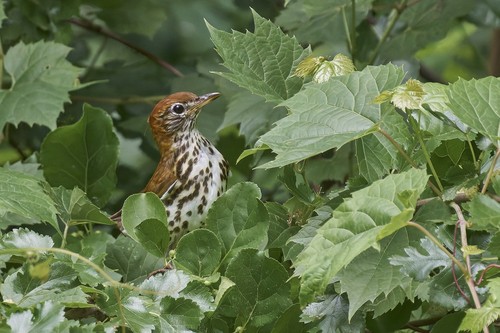
Wood Thrush
19-21 cm (7.5-8.3 in) long, about 33 cm (13 in) wingspan