
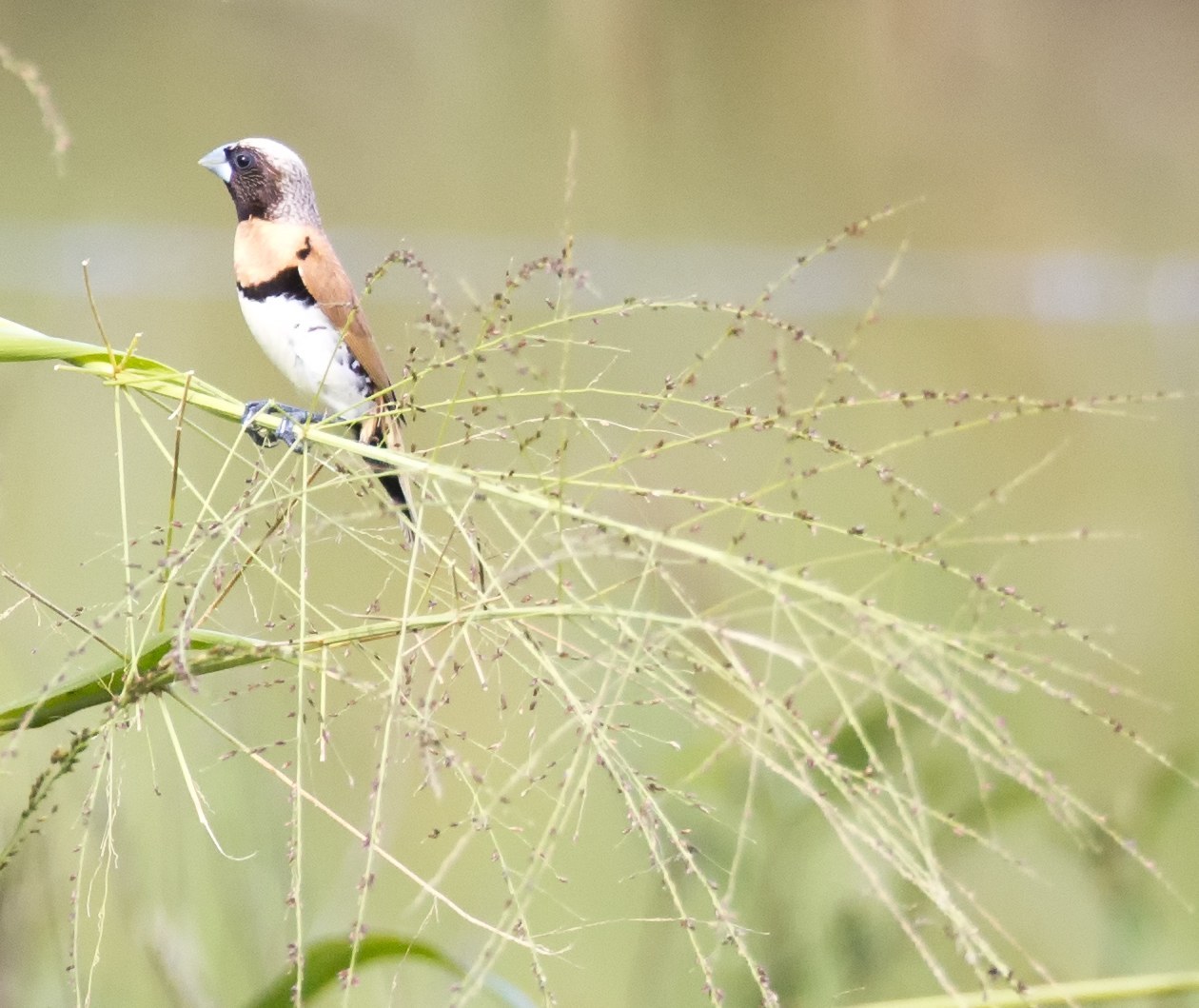
Chestnut-breasted Mannikin
Lonchura castaneothorax
A small, gregarious Australasian finch with a chestnut breast band and black face, often seen feeding in flocks on grass seed heads.
- Size
- 10-11.5 cm (4-4.5 in) long
- Habitat
- grasslands, reed beds, wetland margins, sugarcane and rice fields
- Type
- songbird
Spotted a bird like this?
Identify any bird from a photo, free.
Overview
The Chestnut-breasted Mannikin is a compact, sociable finch of the family Estrildidae, native to northern and eastern Australia and New Guinea. It is one of the more boldly patterned mannikins, with a grey crown, black face and throat, a broad chestnut band across the upper breast, and a creamy white belly finely barred with black along the flanks.
The back and wings are warm brown, and the stubby, conical bill is pale blue-grey, well suited to husking small grass seeds. Sexes look alike, though juveniles are duller overall, lacking the sharp chestnut breast band and showing a more uniform buffy-brown plumage.
Outside the breeding season these finches form large, tightly packed flocks that move through grassland and wetland edges with a bouncing, undulating flight, giving soft nasal contact calls as they go.
How to identify it
Key field marks
- Grey crown and nape contrasting with a black face and throat
- Broad chestnut-orange band across the upper breast, giving the species its name
- Black-scalloped white flanks and belly
- Brown back and wings, dark rump
- Short, stubby, pale blue-grey bill typical of seed-eating finches
Similar species
- Nutmeg Mannikin / Scaly-breasted Munia has a scaly (not solid chestnut) breast pattern and lacks the grey crown.
- Yellow-rumped Mannikin shows a yellow rump and lacks the chestnut breast band.
- Juveniles of most mannikin species look similar (plain buffy-brown) and are best told apart when accompanied by adults.
Habitat & range
Range
Found across northern and eastern Australia from the Kimberley region through the Top End and down the east coast to New South Wales, as well as lowland New Guinea and some Pacific islands where it has been introduced.
Habitat
Favors open grassy country, including natural grasslands, swamp and reed edges, roadsides, and agricultural land such as sugarcane and rice paddies where seeding grasses are abundant.
Migration
Largely sedentary, though flocks make local nomadic movements tracking seeding grasses and water availability, especially in the drier parts of its range.
Behavior & voice
Behavior
Highly social, almost always encountered in flocks that can number from a handful to several hundred birds, often mixing with other mannikins and finches. Flocks feed low in grass, clinging sideways to seed heads to strip them.
Voice
Calls are soft, nasal, and buzzy notes used to keep flocks in contact; there is no loud territorial song, but paired birds give quiet warbling during courtship.
Feeding
Diet is almost entirely grass and sedge seeds gathered directly from standing seed heads or from the ground.
Nesting
Builds a large, untidy domed nest of grass with a side entrance, placed low in dense grass, reeds, or shrubs. Clutches typically number four to six white eggs, and both parents share incubation and chick-rearing duties.
Frequently asked questions
Where do Chestnut-breasted Mannikins live?
They are native to grassy wetlands and coastal lowlands of northern and eastern Australia and New Guinea, and have been introduced to some Pacific islands.
How can I tell a Chestnut-breasted Mannikin from other mannikins?
Look for the combination of a grey crown, black face, and a solid chestnut band across the upper breast, distinguishing it from the scaly-breasted pattern of the Nutmeg Mannikin.
Do Chestnut-breasted Mannikins migrate?
They are mostly sedentary but wander locally in flocks in search of seeding grasses and water.
What do Chestnut-breasted Mannikins eat?
They feed almost exclusively on grass and sedge seeds, stripped directly from seed heads.
Chestnut-breasted Mannikin guides
In-depth guides for identifying, finding, and understanding Chestnut-breasted Mannikin.
Other birds you may enjoy
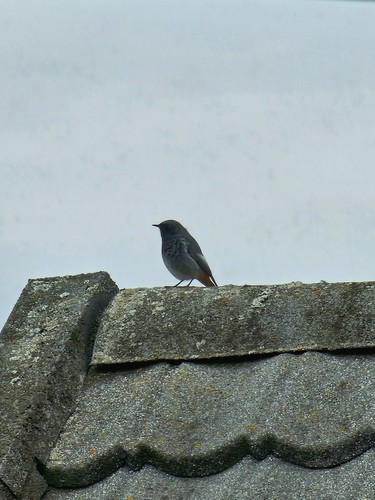
Black Redstart
13-14.5 cm (5.1-5.7 in) long, 23-26 cm wingspan
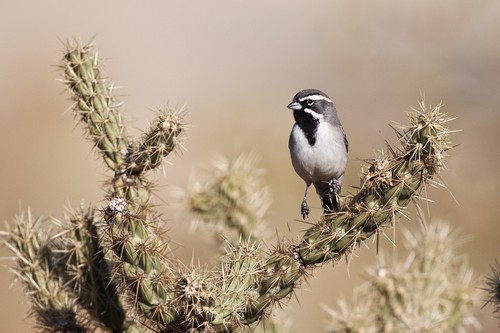
Black-throated Sparrow
12-14 cm (4.7-5.5 in) long, about 19-20 cm (7.5-8 in) wingspan
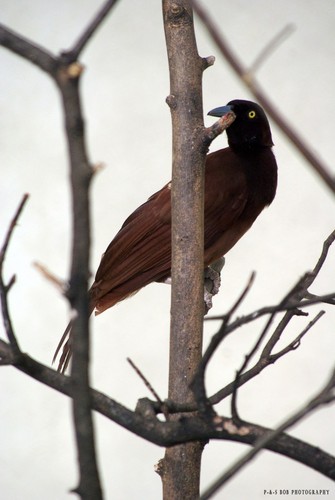
Greater Bird-of-paradise
Body about 43 cm; males with additional flank plumes up to 50 cm and long tail wires
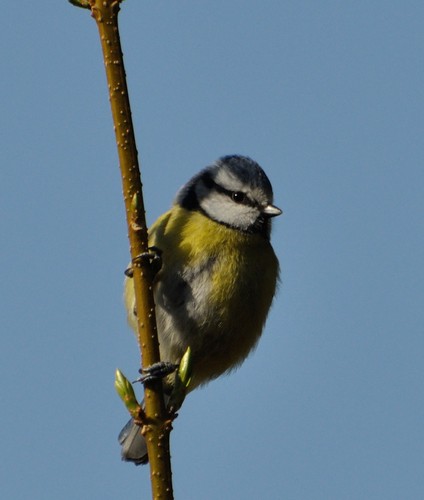
Blue Tit
11-12 cm (4.3-4.7 in) long, 17-20 cm wingspan
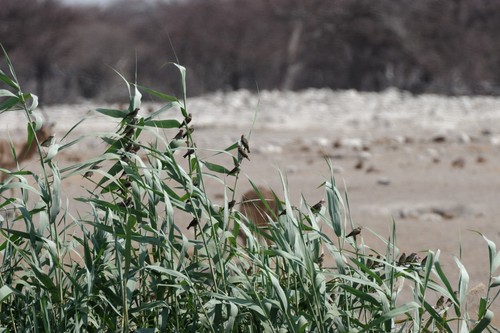
Red-billed Quelea
11.5–13 cm long, wingspan about 20–22 cm
White-plumed Antbird
13-14 cm (5-5.5 in) long
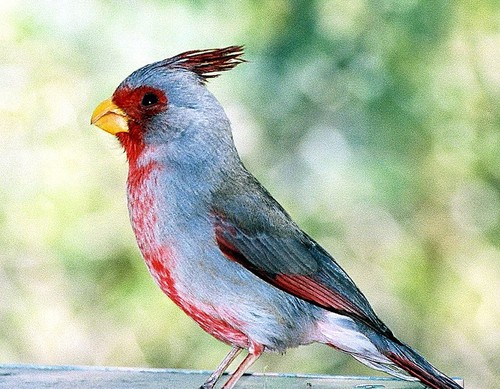
Pyrrhuloxia
19-22 cm (7.5-8.7 in) long, 30 cm wingspan
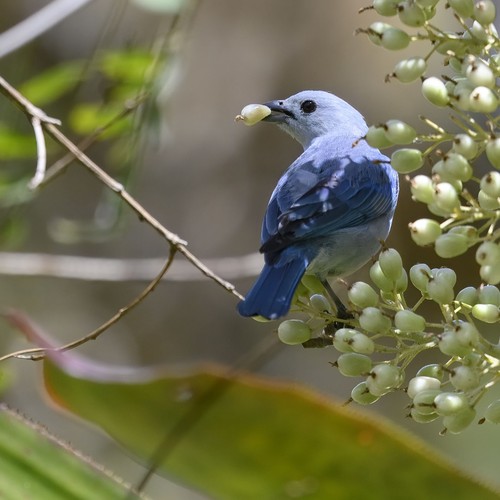
Blue-gray Tanager
16-18 cm (6-7 in) long
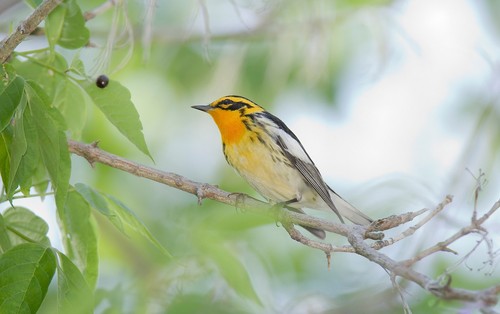
Blackburnian Warbler
11-13 cm (4.3-5.1 in) long, 20-22 cm wingspan
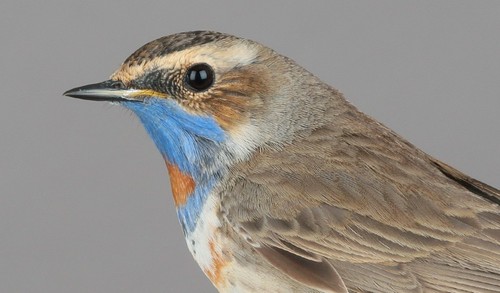
Bluethroat
13-14 cm (5.1-5.5 in) long, 20-22 cm wingspan
Eurasian Nuthatch
12-14.5 cm (4.7-5.7 in) long, 22.5-27 cm wingspan
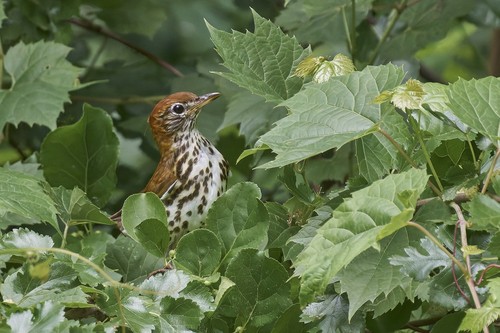
Wood Thrush
19-21 cm (7.5-8.3 in) long, about 33 cm (13 in) wingspan