
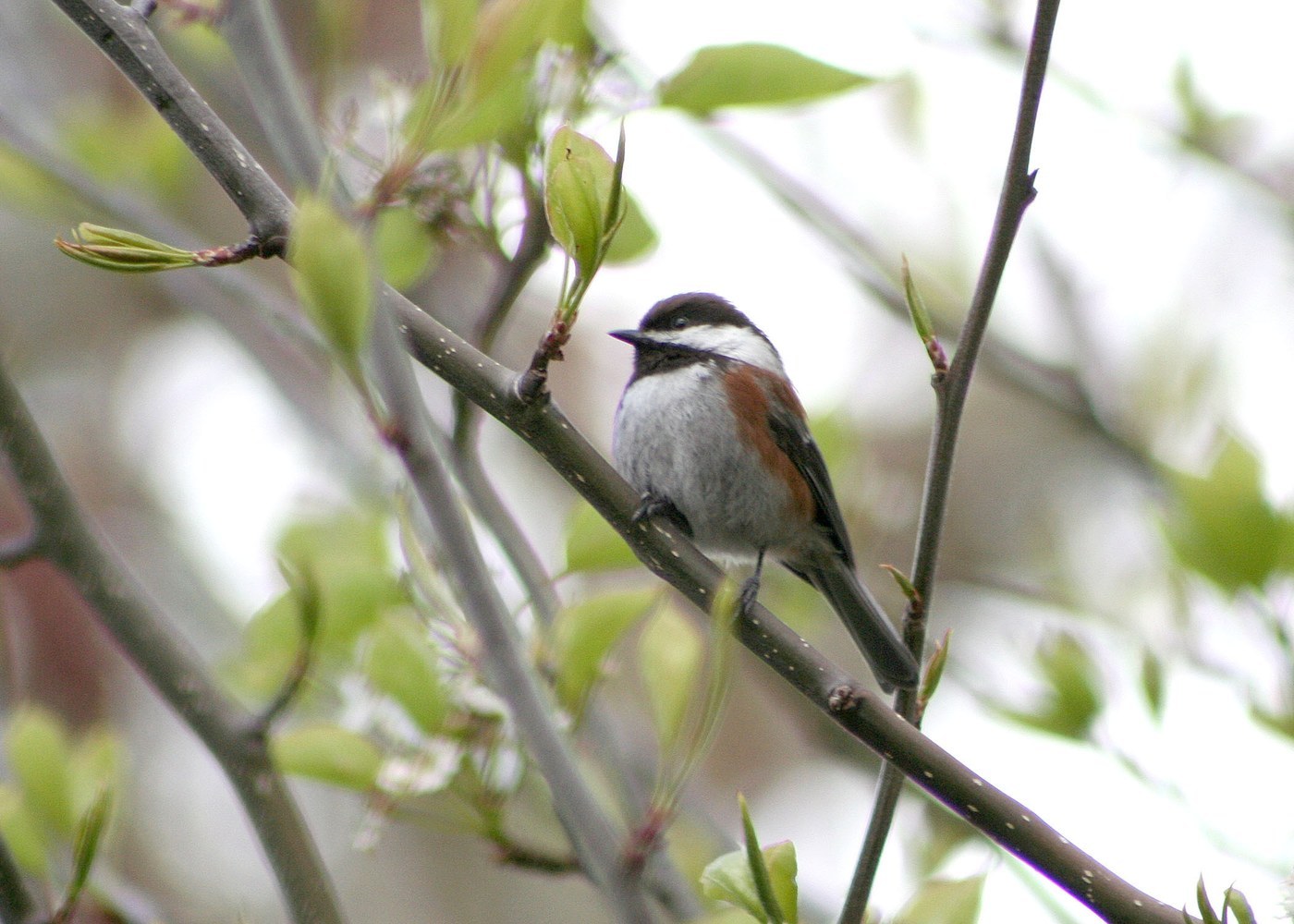
Chestnut-backed Chickadee
Poecile rufescens
A small, richly colored chickadee of Pacific coastal forests, with a warm chestnut back and flanks.
- Size
- 11-12 cm (4.3-4.7 in) long, 16.5-19.5 cm wingspan
- Habitat
- humid coniferous forests of the Pacific coast from Alaska to central California
- Type
- songbird
Spotted a bird like this?
Identify any bird from a photo, free.
Overview
The Chestnut-backed Chickadee is the most brightly colored of North America's chickadees, sporting a rich, warm chestnut-brown back and flanks that contrast with a blackish-brown cap, black bib, and white cheek patch. This coastal specialist inhabits the humid, moss-draped conifer forests of the Pacific Northwest and northern California, where its bright coloring and rapid, energetic movements make it a distinctive and cheerful presence.
Like other chickadees, it is highly active and acrobatic, often the most numerous small songbird in mixed foraging flocks moving through coastal forest canopy.
How to identify it
Key Field Marks
- Chestnut-brown back and flanks
- Dark brown to blackish cap (duller than a true black cap)
- Black throat bib
- White cheek patch
- Small size, short tail
Similar Species
- Black-capped Chickadee: has a solid black cap and gray (not chestnut) back and flanks.
- Boreal Chickadee: has a brown cap and chestnut flanks but a grayish-brown (not chestnut) back, and occurs farther inland/north.
- Mountain Chickadee: has a white eyebrow stripe and gray body, quite different from the chestnut tones of this species.
Habitat & range
Habitat
This species favors humid coniferous and mixed forests, especially those with dense understory, including redwood, Douglas-fir, and spruce-hemlock forests near the coast.
Range
The Chestnut-backed Chickadee is found along the Pacific coast and coastal mountain ranges from southern Alaska through British Columbia, Washington, Oregon, and into central California, with an isolated population in the central Sierra Nevada.
Migration
The species is largely non-migratory, remaining resident within its coastal forest range year-round, though some local elevational movement can occur in harsh winters.
Behavior & voice
Behavior
Chestnut-backed Chickadees forage energetically and acrobatically through dense conifer foliage, often in the company of other small songbirds such as kinglets, nuthatches, and warblers in mixed flocks.
Voice
The call is a high, rapid, buzzy "tsick-a-dee-dee" that is faster and higher-pitched than a Black-capped Chickadee's; it lacks a clear whistled song, relying mainly on calls for communication.
Feeding
Diet consists mainly of insects and spiders gleaned from bark and foliage, supplemented by conifer seeds, especially in winter, and readily visits feeders for sunflower seeds and suet.
Nesting
Nests are placed in tree cavities, either natural, old woodpecker holes, or excavated by the birds in soft rotten wood, often lined thickly with moss, fur, and feathers. Clutches typically number 6-7 eggs.
Frequently asked questions
What makes the Chestnut-backed Chickadee distinctive?
Its warm chestnut-brown back and flanks set it apart from all other North American chickadees, which are gray-backed or only brown-capped.
Where does the Chestnut-backed Chickadee live?
In humid coniferous forests along the Pacific coast from southern Alaska to central California, with an isolated population in the Sierra Nevada.
Does the Chestnut-backed Chickadee migrate?
No, it is a non-migratory resident, staying within its coastal forest habitat year-round.
What does the Chestnut-backed Chickadee eat?
Mostly insects and spiders, with conifer seeds becoming more important in winter, and it readily visits feeders for sunflower seeds and suet.
Does the Chestnut-backed Chickadee have a whistled song like other chickadees?
No, unlike the Black-capped Chickadee's clear whistled song, this species relies mainly on a rapid, buzzy call rather than a distinct musical song.
Chestnut-backed Chickadee guides
In-depth guides for identifying, finding, and understanding Chestnut-backed Chickadee.
Other birds you may enjoy
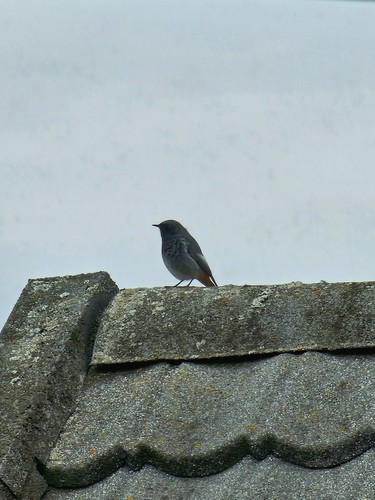
Black Redstart
13-14.5 cm (5.1-5.7 in) long, 23-26 cm wingspan
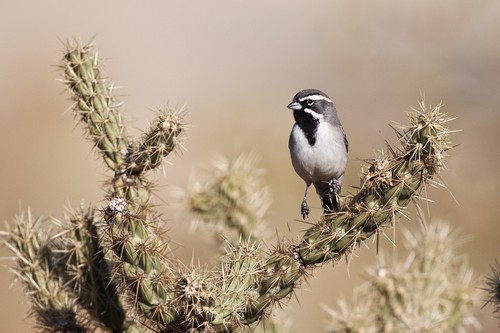
Black-throated Sparrow
12-14 cm (4.7-5.5 in) long, about 19-20 cm (7.5-8 in) wingspan
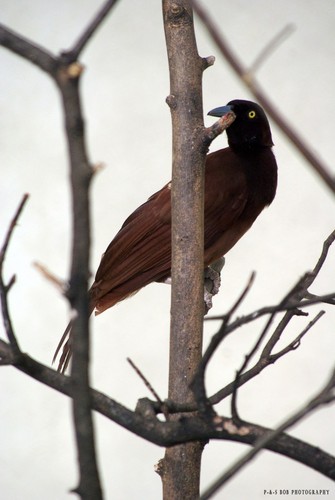
Greater Bird-of-paradise
Body about 43 cm; males with additional flank plumes up to 50 cm and long tail wires
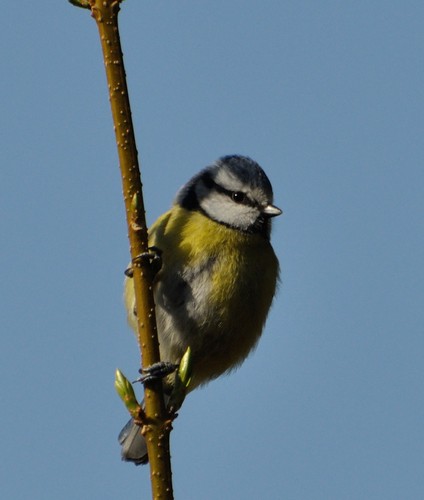
Blue Tit
11-12 cm (4.3-4.7 in) long, 17-20 cm wingspan
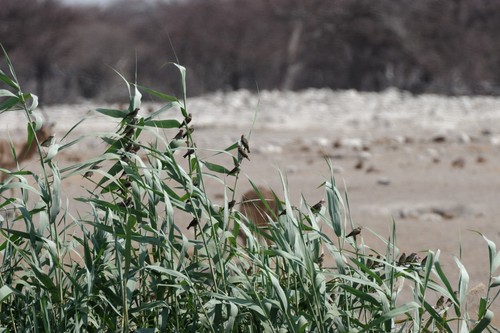
Red-billed Quelea
11.5–13 cm long, wingspan about 20–22 cm
White-plumed Antbird
13-14 cm (5-5.5 in) long
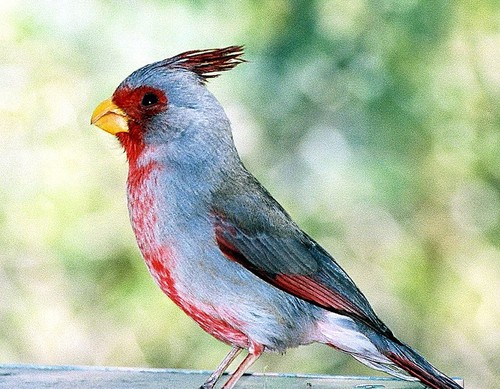
Pyrrhuloxia
19-22 cm (7.5-8.7 in) long, 30 cm wingspan
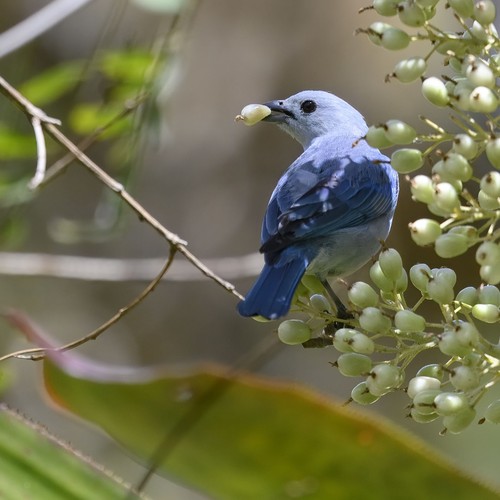
Blue-gray Tanager
16-18 cm (6-7 in) long
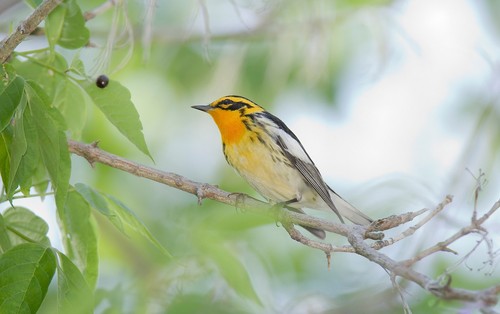
Blackburnian Warbler
11-13 cm (4.3-5.1 in) long, 20-22 cm wingspan
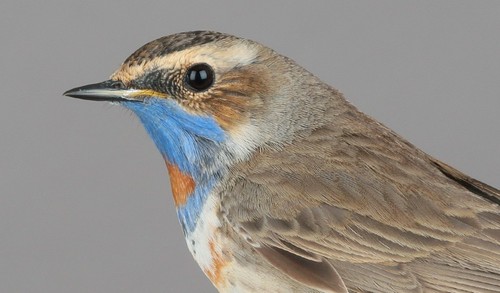
Bluethroat
13-14 cm (5.1-5.5 in) long, 20-22 cm wingspan
Eurasian Nuthatch
12-14.5 cm (4.7-5.7 in) long, 22.5-27 cm wingspan
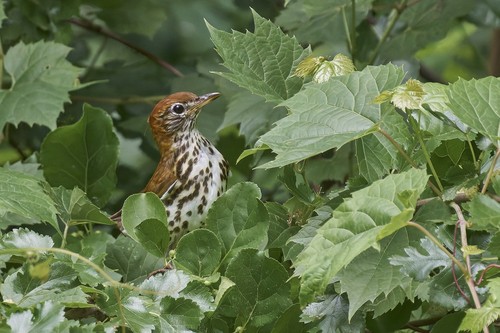
Wood Thrush
19-21 cm (7.5-8.3 in) long, about 33 cm (13 in) wingspan