
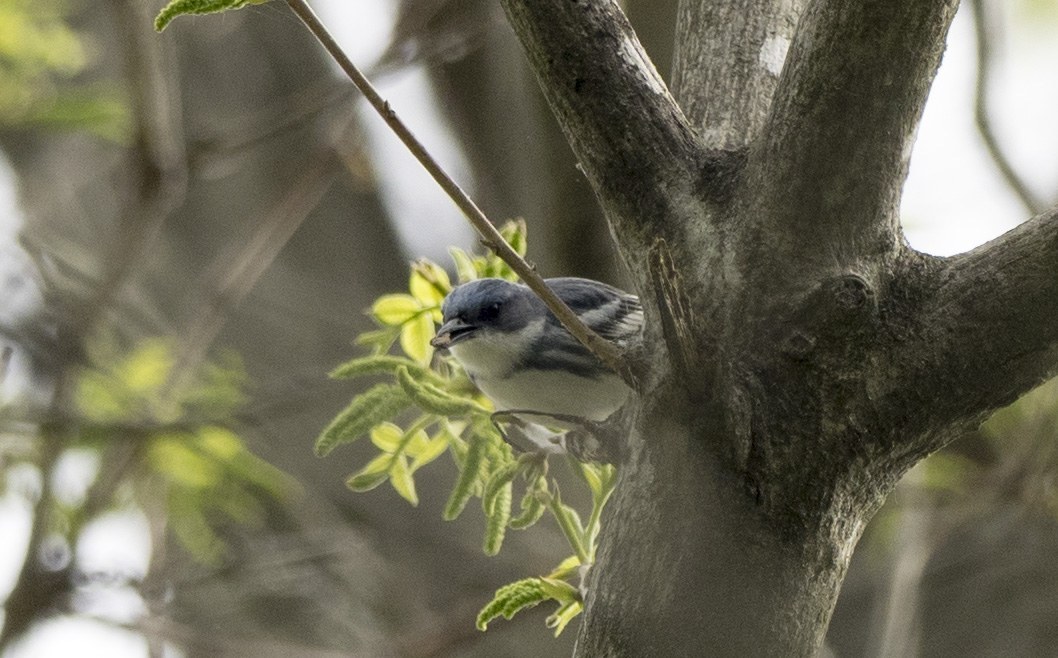
Cerulean Warbler
Setophaga cerulea
A sky-blue, canopy-dwelling warbler of mature eastern forests, among the fastest-declining North American warblers due to habitat loss on both its breeding and wintering grounds.
- Size
- 11-12 cm (4.3-4.7 in) long, 20 cm wingspan
- Habitat
- canopy of mature deciduous forest, especially bottomland and floodplain forest
- Type
- songbird
Spotted a bird like this?
Identify any bird from a photo, free.
Overview
The Cerulean Warbler is a small, sky-blue jewel of the deciduous forest canopy, its bright azure upperparts and clean white underparts making adult males one of the most striking warblers in North America. A narrow dark blue-black band crosses the upper breast, and the flanks show fine dark streaking, with two white wingbars adding further contrast.
Females are far less vivid, showing a blue-green tinge to the upperparts and pale yellowish-white underparts with a pale eyebrow stripe, but they retain the wingbars and generally similar shape. The species forages almost entirely high in the canopy, making it a challenging bird to see well despite its bright color.
How to identify it
Key field marks
- Male: sky-blue upperparts, white underparts, thin dark breast band, streaked flanks, two white wingbars
- Female: blue-green upperparts, pale yellow-white underparts, pale eyebrow stripe, wingbars
- Small size and a habit of staying very high in the canopy
Similar species
Black-throated Blue Warbler male is a deeper blue with a solid black face/throat and white underparts, quite different from Cerulean's breast band and paler blue tone. Female Ceruleans can suggest female Northern Parula but lack the parula's yellow-green back patch and bicolored bill.
Habitat & range
Cerulean Warblers breed in the canopy of mature deciduous forest across the eastern and midwestern United States, with a strong association with large tracts of bottomland and floodplain forest as well as mature upland hardwoods, particularly in the Appalachian and Ohio/Mississippi River valley regions.
They winter in the foothill forests of the Andes in northern South America, often in shade-grown coffee plantations and adjacent forest, habitat that is itself under significant pressure from conversion to sun-grown agriculture.
Behavior & voice
Behavior and voice
Cerulean Warblers forage almost exclusively high in the canopy, gleaning insects from leaves and twigs, and their small size and habit of staying near the treetops make them difficult to observe well even when singing nearby.
The song is a buzzy, accelerating series of notes that ends in a distinctive upslurred buzz, often rendered as "zray-zray-zray-zray-zeeeeee."
Nesting
The nest is built high in the canopy on a horizontal branch, often 10 meters (over 30 feet) or more above the ground, made of bark strips, grass, and spider silk. Clutches typically contain 3-4 eggs. The species is classified as Near Threatened, with one of the steepest population declines of any North American warbler, driven by loss of large mature forest tracts on the breeding grounds and Andean forest on the wintering grounds.
Frequently asked questions
Why is the Cerulean Warbler considered a conservation concern?
It has experienced one of the steepest population declines of any North American warbler, driven largely by the loss and fragmentation of large tracts of mature forest on its breeding grounds and the conversion of Andean foothill forest on its wintering grounds.
Why is the Cerulean Warbler hard to see even when singing?
It forages and sings almost exclusively very high in the forest canopy, so despite its bright blue color it can be difficult to spot against the sky and leaves.
Where does the Cerulean Warbler winter?
In the foothill forests of the Andes in northern South America, often including shade-grown coffee plantations.
How do you identify a female Cerulean Warbler?
Females lack the male's vivid blue color, instead showing blue-green upperparts, pale yellowish-white underparts, a pale eyebrow stripe, and white wingbars.
What does a Cerulean Warbler's song sound like?
A buzzy series of notes that speeds up and ends with a distinctive rising buzzy note, often rendered as "zray-zray-zray-zray-zeeeeee."
Cerulean Warbler guides
In-depth guides for identifying, finding, and understanding Cerulean Warbler.
Other birds you may enjoy
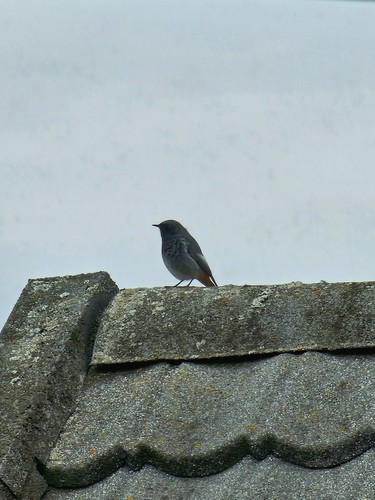
Black Redstart
13-14.5 cm (5.1-5.7 in) long, 23-26 cm wingspan
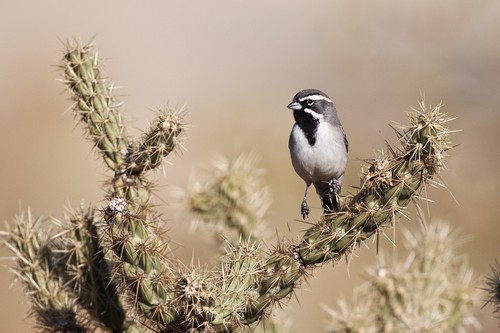
Black-throated Sparrow
12-14 cm (4.7-5.5 in) long, about 19-20 cm (7.5-8 in) wingspan
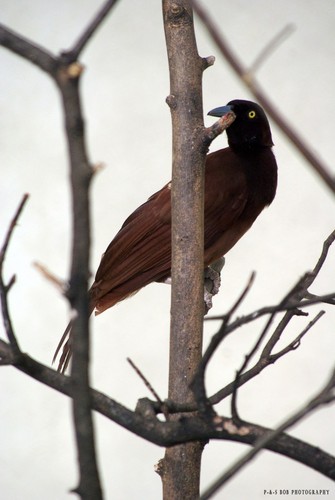
Greater Bird-of-paradise
Body about 43 cm; males with additional flank plumes up to 50 cm and long tail wires
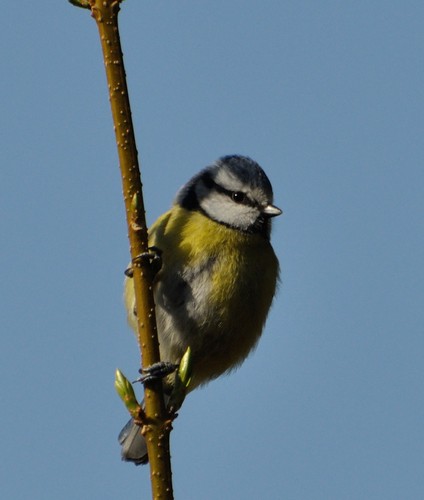
Blue Tit
11-12 cm (4.3-4.7 in) long, 17-20 cm wingspan

Red-billed Quelea
11.5–13 cm long, wingspan about 20–22 cm
White-plumed Antbird
13-14 cm (5-5.5 in) long
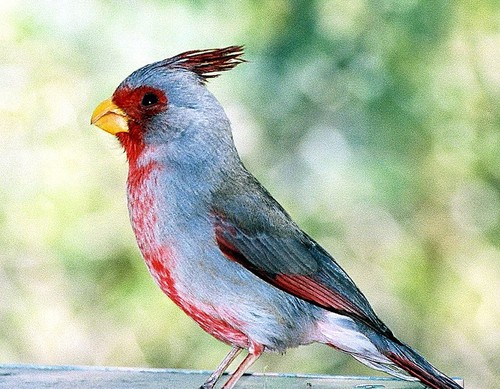
Pyrrhuloxia
19-22 cm (7.5-8.7 in) long, 30 cm wingspan
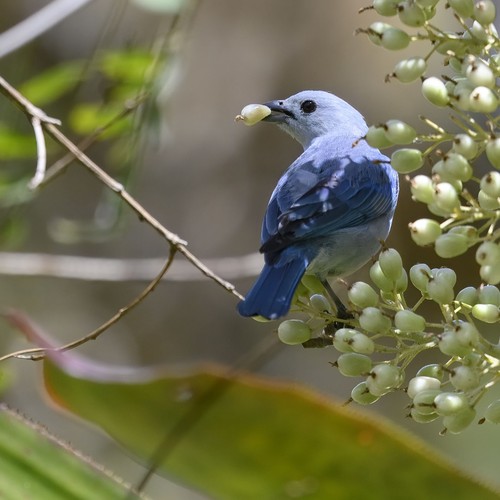
Blue-gray Tanager
16-18 cm (6-7 in) long
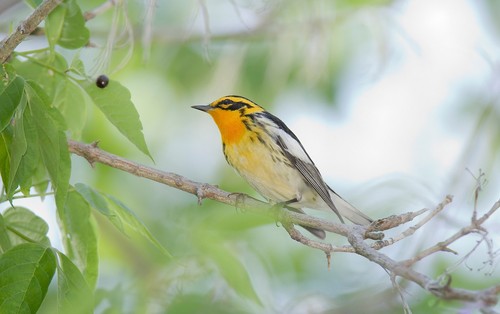
Blackburnian Warbler
11-13 cm (4.3-5.1 in) long, 20-22 cm wingspan
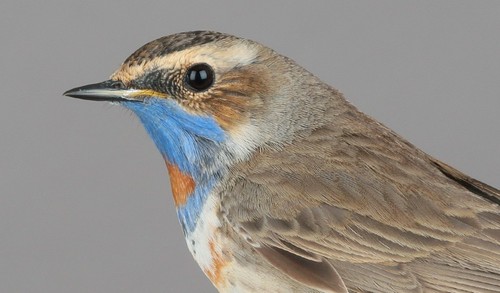
Bluethroat
13-14 cm (5.1-5.5 in) long, 20-22 cm wingspan
Eurasian Nuthatch
12-14.5 cm (4.7-5.7 in) long, 22.5-27 cm wingspan
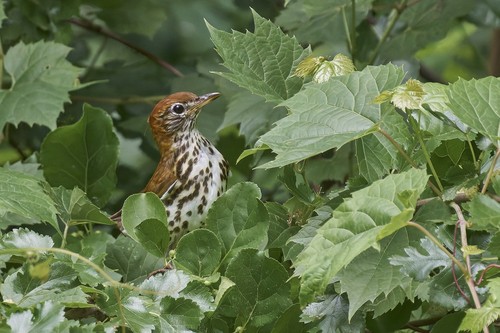
Wood Thrush
19-21 cm (7.5-8.3 in) long, about 33 cm (13 in) wingspan