
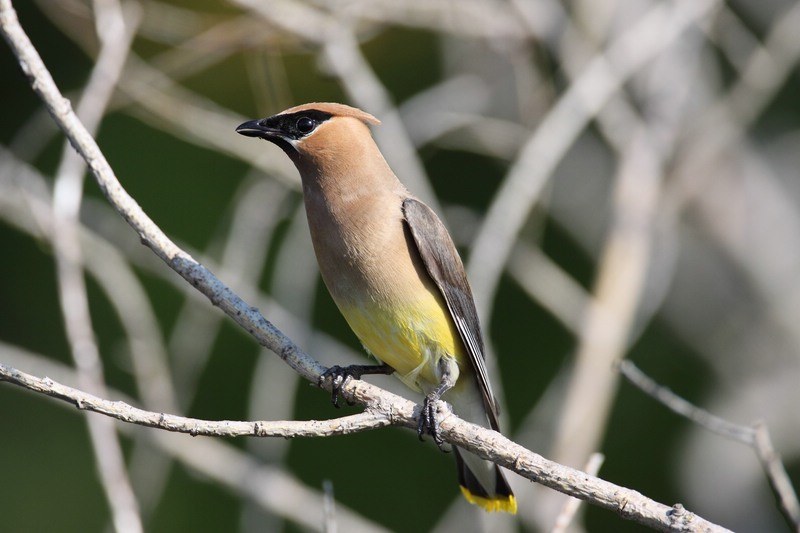
Cedar Waxwing
Bombycilla cedrorum
A sleek, crested, silky-brown songbird with a yellow-tipped tail and waxy red wingtips that travels in nomadic flocks following fruit crops.
- Size
- 15-17 cm (5.9-6.7 in) long, 22-30 cm wingspan
- Habitat
- open woodlands, orchards, parks, and areas with berry-producing shrubs
- Type
- songbird
Spotted a bird like this?
Identify any bird from a photo, free.
Overview
The Cedar Waxwing is an elegant, silky-plumaged songbird instantly recognized by its pointed crest, smooth blended tan-to-yellow body coloring, and a black mask outlined in white across the face. The plumage looks almost airbrushed, fading gradually from soft brown on the head and chest to pale yellow on the belly, with the tail crisply tipped in bright yellow.
Many adults show small red, waxy-looking tips on the secondary wing feathers, resembling drops of sealing wax, which give the species its name. Waxwings are highly social and are almost always encountered in flocks, moving nomadically wherever fruit is abundant.
How to identify it
Key field marks
- Sleek pointed crest and smooth, silky brown-to-yellow plumage
- Black mask outlined in white across the eyes
- Bright yellow tail tip
- Red, wax-like tips on some wing feathers (variable, more common in older birds)
Similar species
- Bohemian Waxwing is larger and grayer overall, with rusty (not white) undertail coverts and bold white and yellow patches in the wing; it is a more northern species with limited winter overlap.
- No other common songbird shares the waxwing's combination of crest, mask, and yellow tail band.
Habitat & range
Cedar Waxwings breed across southern Canada and the northern half of the United States, and are found year-round or in winter across most of the lower 48 states, Mexico, and into Central America. They favor open woodlands, forest edges, orchards, parks, and residential areas planted with fruiting trees and shrubs.
Unlike most songbirds, waxwing movements are driven largely by fruit availability rather than a strict seasonal migration pattern; flocks wander widely and unpredictably in search of berry crops, sometimes staying in an area only as long as the food supply lasts.
Behavior & voice
Cedar Waxwings are highly social, traveling and feeding in tight flocks that can number from a handful to several hundred birds. They are famous for passing berries beak-to-beak along a perched row of birds, and for occasionally becoming mildly intoxicated after eating overripe, fermented fruit.
The voice is a very high, thin, buzzy trilled whistle, often the first clue to a flock's presence overhead. Diet shifts seasonally: fruit and berries dominate most of the year, but breeding birds and nestlings rely heavily on insects, often caught in short aerial sallies. Because their breeding schedule is tied to summer fruit ripening, waxwings nest later than most songbirds; the cup nest is built in a tree or shrub, and pairs typically raise two broods with three to five eggs each.
Frequently asked questions
How do you identify a Cedar Waxwing?
Look for a crested, silky tan-to-yellow songbird with a black mask outlined in white, a bright yellow tail tip, and often small red wax-like spots on the wing feathers.
What is the difference between a Cedar Waxwing and a Bohemian Waxwing?
Cedar Waxwings are smaller and warmer brown with pale yellow (not rusty) undertail coverts, while Bohemian Waxwings are larger, grayer, and show bold white and yellow wing patches and rusty undertail coverts.
What do Cedar Waxwings eat?
Mostly berries and fruit year-round, switching to more insects, caught in flight, during the breeding season when feeding nestlings.
Why are Cedar Waxwings often seen in large flocks?
They are highly social and nomadic, moving in flocks to track down abundant fruit crops, which can appear and disappear quickly across the landscape.
Do Cedar Waxwings get drunk on berries?
They can act intoxicated after eating overripe berries that have begun to ferment and produce alcohol, though this is an occasional, natural occurrence rather than a regular behavior.
Cedar Waxwing guides
In-depth guides for identifying, finding, and understanding Cedar Waxwing.
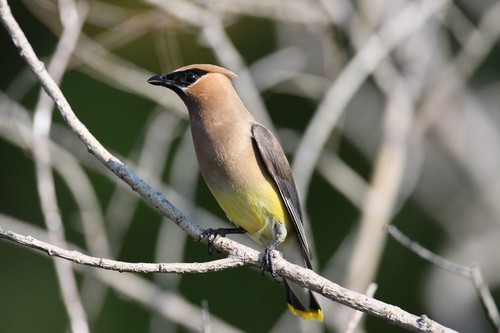
Cedar Waxwing identified by the community
Real birds identified with Bird Identifier.
Other birds you may enjoy
Black Redstart
13-14.5 cm (5.1-5.7 in) long, 23-26 cm wingspan
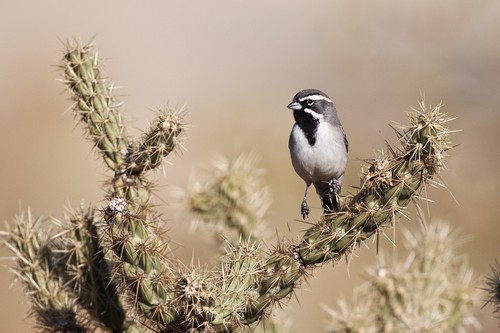
Black-throated Sparrow
12-14 cm (4.7-5.5 in) long, about 19-20 cm (7.5-8 in) wingspan
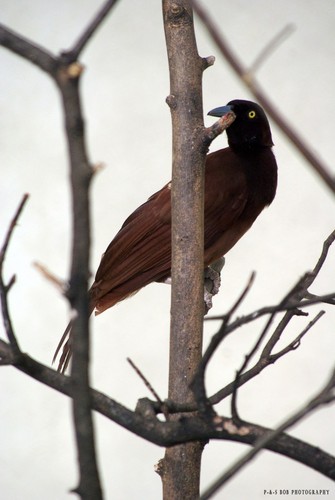
Greater Bird-of-paradise
Body about 43 cm; males with additional flank plumes up to 50 cm and long tail wires
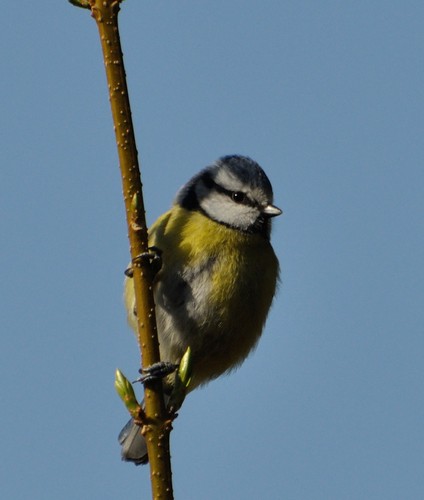
Blue Tit
11-12 cm (4.3-4.7 in) long, 17-20 cm wingspan

Red-billed Quelea
11.5–13 cm long, wingspan about 20–22 cm
White-plumed Antbird
13-14 cm (5-5.5 in) long
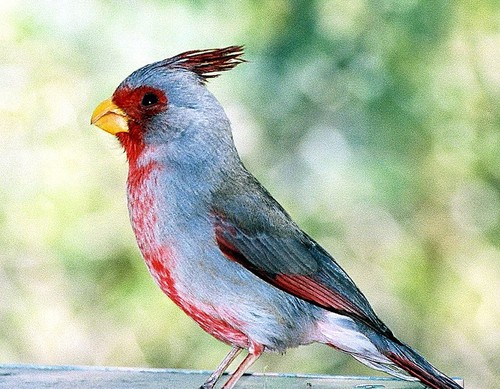
Pyrrhuloxia
19-22 cm (7.5-8.7 in) long, 30 cm wingspan
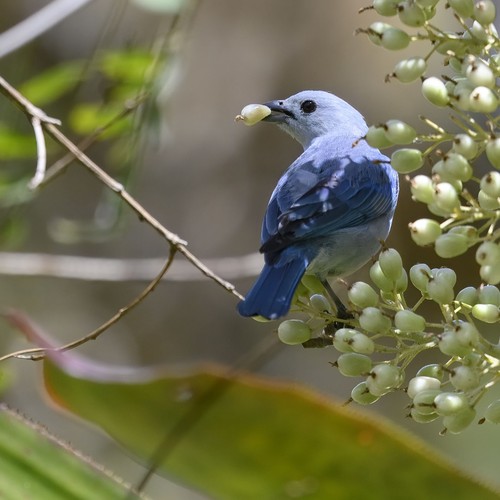
Blue-gray Tanager
16-18 cm (6-7 in) long
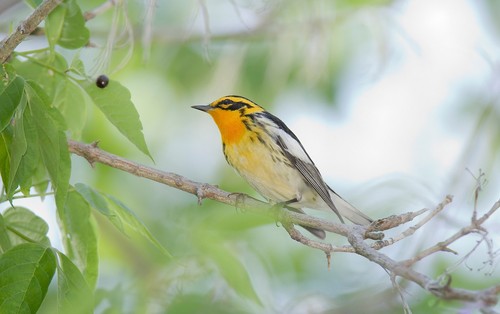
Blackburnian Warbler
11-13 cm (4.3-5.1 in) long, 20-22 cm wingspan
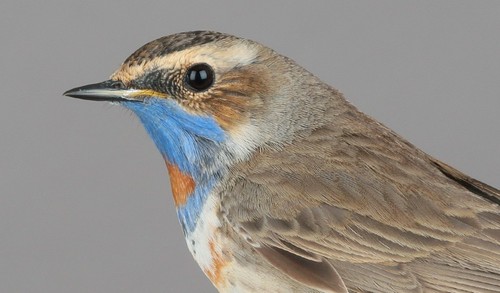
Bluethroat
13-14 cm (5.1-5.5 in) long, 20-22 cm wingspan
Eurasian Nuthatch
12-14.5 cm (4.7-5.7 in) long, 22.5-27 cm wingspan
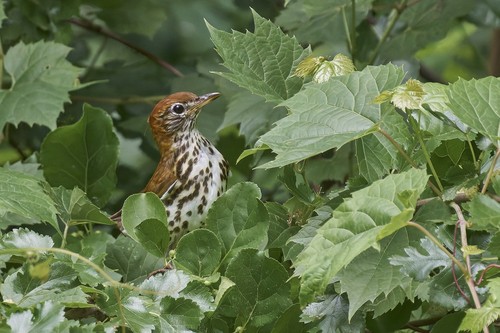
Wood Thrush
19-21 cm (7.5-8.3 in) long, about 33 cm (13 in) wingspan