
Cattle Egret
Bubulcus ibis
A stocky, short-necked white egret closely associated with grazing livestock, whose remarkable natural range expansion made it one of the most successful bird colonizations in modern history.
- Size
- 46-56 cm (18-22 in) long, 88-96 cm wingspan
- Habitat
- grasslands, pastures, and farmland worldwide, often near livestock
- Type
- wading-bird
Spotted a bird like this?
Identify any bird from a photo, free.
Overview
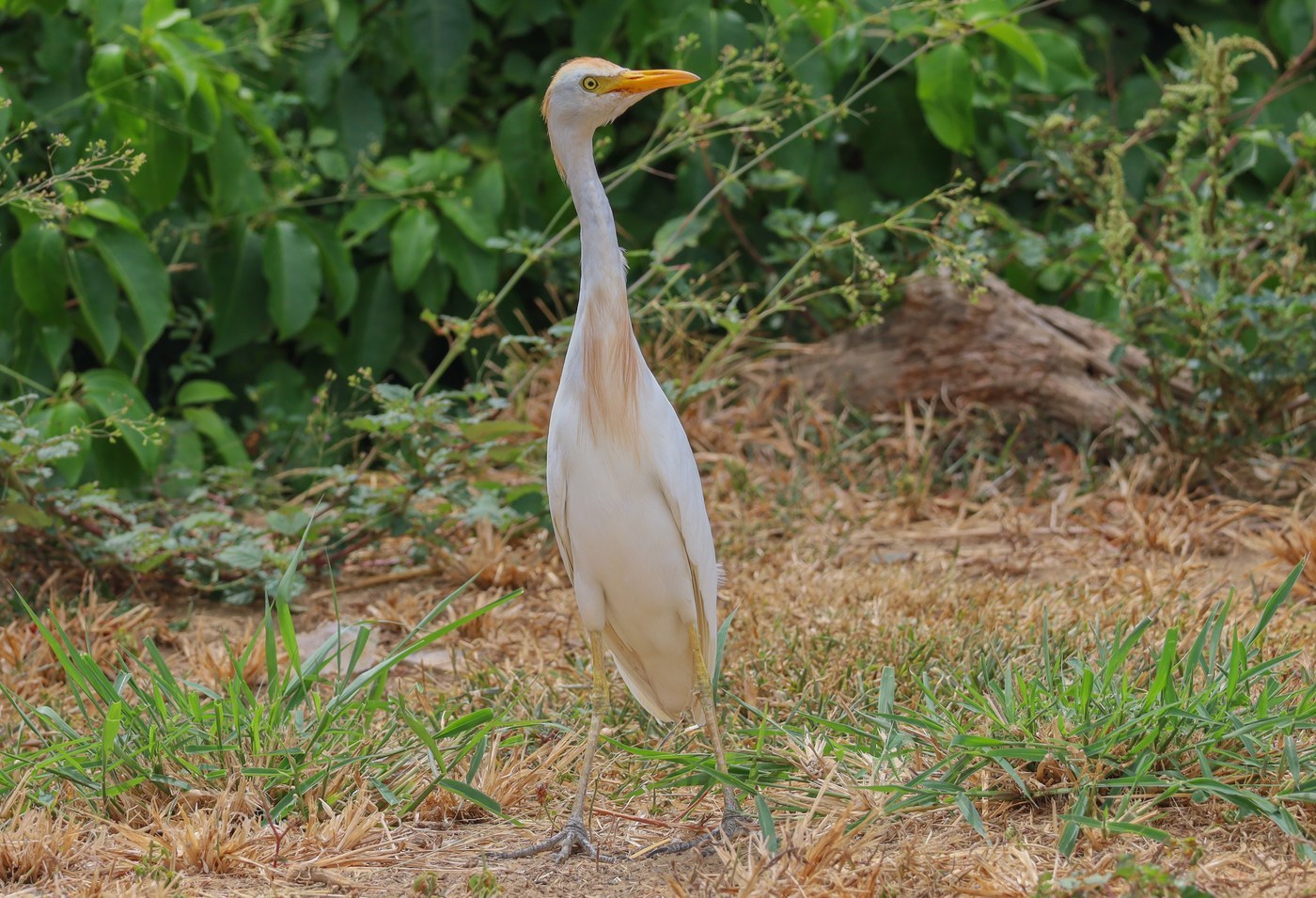
The Cattle Egret is a small, compact, thick-necked egret notably different in shape and behavior from other white egrets, favoring dry grasslands and pastures over wetlands. Outside the breeding season it is mostly white with a stout yellow or orange bill, while during the breeding season adults develop striking buff-orange plumes on the crown, breast, and back, along with a reddish bill and legs.
Unlike most herons, which hunt in or near water, the Cattle Egret has adapted to forage on dry land in close association with grazing animals, walking alongside cattle, horses, and other large herbivores to catch insects disturbed by their movement. The species underwent a spectacular natural range expansion in the 20th century, spreading from Africa to the Americas, Australia, and beyond largely on its own.
How to identify it
Key field marks
- Stocky build with a short, thick neck, unlike the slender build of other egrets
- Stout yellow or orange bill (reddish in breeding adults)
- Buff-orange plumes on crown, breast, and back during breeding season
- Frequently seen walking beside grazing livestock in dry fields
Similar species
- Snowy Egret and Little Egret: both slimmer and longer-necked with black bills, and typically found near water rather than dry pastures
- Great Egret: much larger and more slender with a longer neck
The short, thick neck, stocky posture, and habit of foraging in dry fields alongside livestock readily distinguish the Cattle Egret from other white egrets.
Habitat & range
Range and habitat
Originally native to Africa and parts of Asia, the Cattle Egret has expanded dramatically and now occurs on every continent except Antarctica, inhabiting grasslands, pastures, farmland, and, less often, wetland edges, typically favoring open dry habitats over deep water.
Migration
The species is highly mobile and capable of long-distance dispersal, which drove its rapid natural colonization of the Americas beginning in the late 19th and early 20th centuries; many populations undertake seasonal movements tied to weather and food availability rather than fixed long migrations.
Behavior & voice
Behavior
Cattle Egrets are highly social, often foraging and roosting in large flocks, and are well known for their close association with grazing livestock and, increasingly, agricultural machinery, following animals or machines to catch insects and small animals flushed from the grass.
Voice
Calls include a variety of harsh croaks and cackles, typically given at breeding colonies rather than while foraging.
Feeding
They feed mainly on insects, especially grasshoppers and crickets, disturbed by the movement of grazing animals, and also take other invertebrates, frogs, and occasionally small rodents.
Nesting and breeding
Cattle Egrets nest colonially, often in large mixed colonies with other herons and egrets, building stick nests in trees or shrubs; both parents incubate the typically three to four pale blue eggs.
Frequently asked questions
Why is it called a Cattle Egret?
It gets its name from its habit of foraging closely alongside cattle and other grazing animals, catching insects that the animals disturb while feeding.
How did the Cattle Egret spread around the world?
Native to Africa, it naturally expanded its range across the Atlantic to South America in the late 19th century and subsequently spread through the Americas, Australia, and beyond, one of the most remarkable natural colonizations by any bird species.
How is the Cattle Egret different from other white egrets?
It is stockier with a shorter, thicker neck and a stouter bill, and it prefers dry grasslands and pastures over wetlands, unlike most other egret species.
What does a Cattle Egret eat?
It eats mainly insects, especially grasshoppers and crickets, along with other invertebrates and occasionally small vertebrates, typically caught in dry grassy fields.
Cattle Egret guides
In-depth guides for identifying, finding, and understanding Cattle Egret.
Other birds you may enjoy
Demoiselle Crane
85-100 cm (33-39 in) long, 155-180 cm wingspan
Boat-billed Heron
41-56 cm (16-22 in) long
Purple Heron
78-90 cm (31-35 in) long, 120-152 cm wingspan
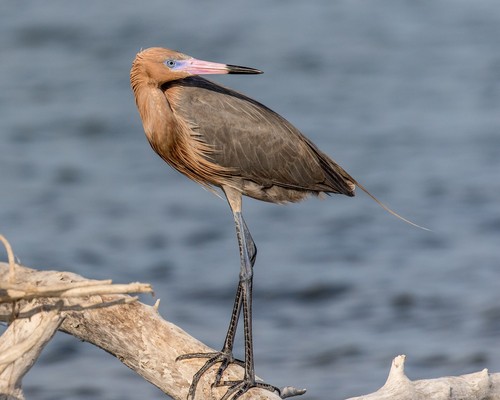
Reddish Egret
68-82 cm (27-32 in) long, 116-125 cm wingspan
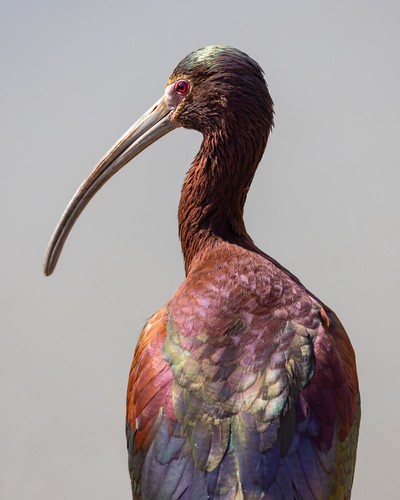
White-faced Ibis
46-56 cm (18-22 in) long, 88-93 cm wingspan
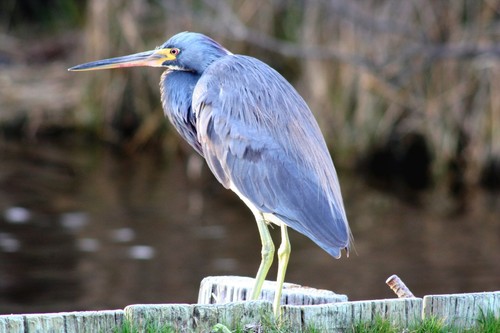
Tricolored Heron
61-76 cm (24-30 in) long, about 96 cm wingspan
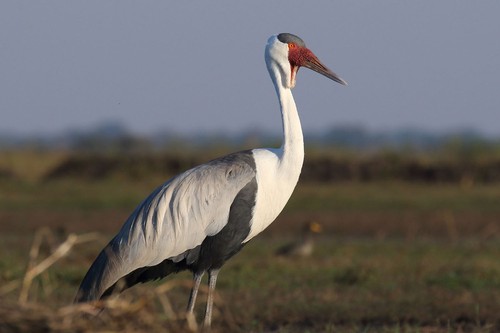
Wattled Crane
120-175 cm (47-69 in) tall, one of the tallest cranes, wingspan up to about 230 cm (7.5 ft)
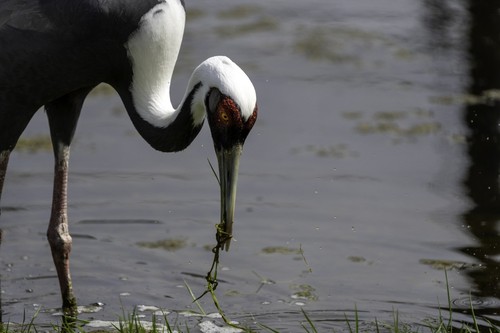
White-naped Crane
112-125 cm (44-49 in) long, 195-210 cm wingspan
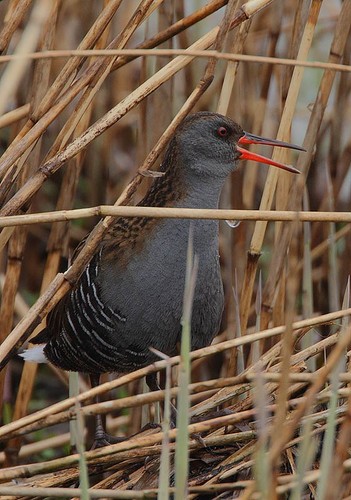
Water Rail
23-28 cm (9-11 in) long, wingspan 38-45 cm
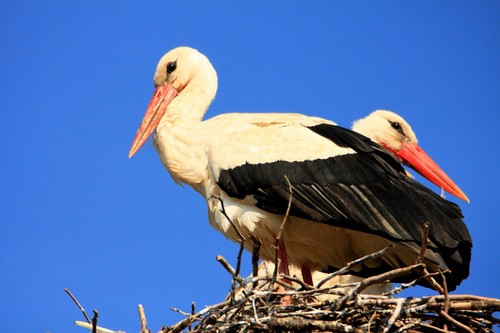
White Stork
100-125 cm (39-49 in) long, 155-215 cm wingspan
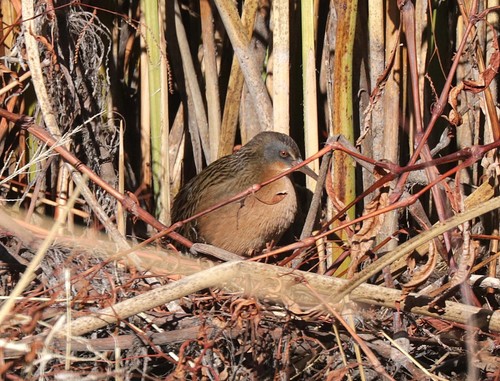
Virginia Rail
20-27 cm (8-11 in) long, wingspan 32-38 cm
Wattled Jacana
17-23 cm (7-9 in) long