
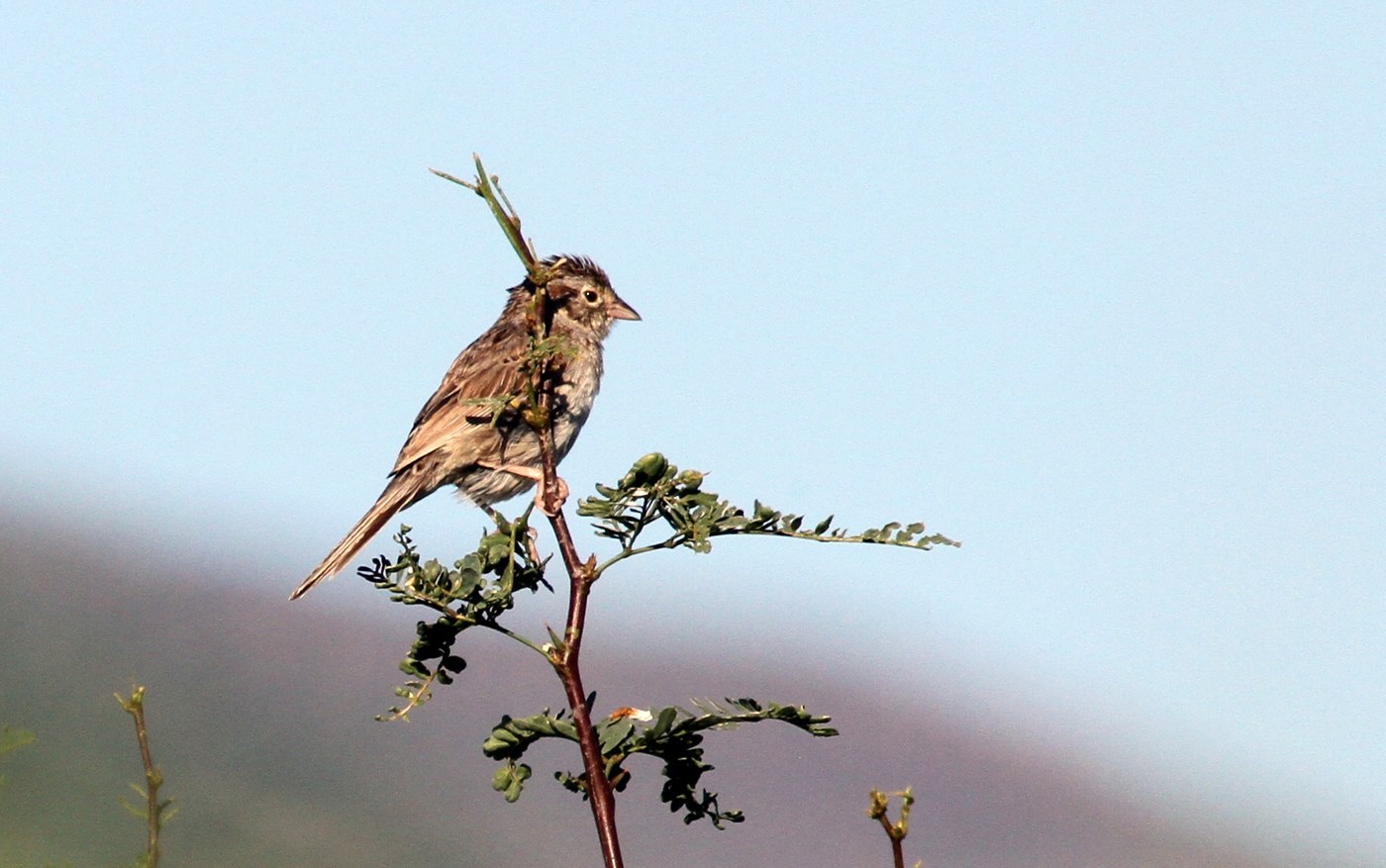
Cassin's Sparrow
Peucaea cassinii
A plain grassland sparrow of the southern Plains famous for its fluttering nocturnal 'sky dance' flight song.
- Size
- 13-15 cm (5-6 in) long, about 19-20 cm (7.5-8 in) wingspan
- Habitat
- desert grassland with scattered shrubs and mesquite
- Type
- songbird
Spotted a bird like this?
Identify any bird from a photo, free.
Overview
The Cassin's Sparrow is an unremarkable-looking bird that becomes utterly memorable the moment it performs its signature flight display, a fluttering, skylarking song flight that has earned it a devoted following among grassland birders.
In plumage, the species is fairly plain: soft grayish-brown overall with faint streaking on the back and a subtly patterned face, offering few strong field marks on a perched or ground-bound bird. What sets Cassin's Sparrow apart is behavior rather than appearance.
The species is also notably nomadic, appearing in good numbers in areas that have received substantial rainfall and largely absent from the same areas in drier years, making its local abundance highly unpredictable from year to year.
How to identify it
Key Field Marks
- Plain grayish-brown overall, faintly streaked on the back
- Subtle, unremarkable facial pattern
- Relatively long, rounded tail
- Best identified by its distinctive skylarking flight song
Similar Species
- Botteri's Sparrow: larger, plainer-faced, with a heavier bill and a different song (an accelerating trill rather than a whistled flight song)
- Brewer's Sparrow: smaller, found in sagebrush rather than desert grassland, and lacks the skylarking display
The flight display song is the single most reliable identification tool: a clear whistled note, a trill, and two more descending whistles, delivered while the bird flutters upward and glides down on stiffly held wings.
Habitat & range
Cassin's Sparrow breeds in desert and semi-desert grassland with scattered shrubs, mesquite, or yucca across the southern Great Plains and Southwest, including Texas, New Mexico, Arizona, Oklahoma, Colorado, and Kansas.
The species winters in similar grassland and scrub habitat in Mexico and the southernmost United States. Because breeding activity, especially singing, is closely tied to summer rainfall in arid grasslands, populations are notably nomadic and irruptive, with birds settling to breed in areas that have recently received good rain and largely bypassing drier regions in a given year.
Behavior & voice
Behavior
Outside of its display flights, Cassin's Sparrow tends to stay low and inconspicuous in grass and shrub cover, foraging on the ground.
Voice
The famous 'sky dance' song is a clear whistled note followed by a trill, then two more descending whistled notes, delivered while the male flutters upward from a perch and glides back down on stiff wings; this display is often given at night as well as during the day.
Feeding
Diet consists of insects and seeds gathered from the ground and low vegetation, with insects especially important during the breeding season.
Nesting and Breeding
Nests are built on or near the ground, hidden in grass or beneath a shrub. Breeding activity and nesting success are strongly tied to rainfall, with birds able to breed opportunistically when conditions are favorable.
Frequently asked questions
What makes the Cassin's Sparrow's song unique?
Males perform a distinctive 'sky dance' flight song, fluttering upward and gliding down while giving a clear whistled note, a trill, and two more descending whistles.
Where does the Cassin's Sparrow live?
It breeds in desert grassland with scattered shrubs across the southern Great Plains and Southwest, including Texas, New Mexico, Arizona, and Oklahoma.
Why do Cassin's Sparrow numbers vary so much from year to year?
The species is nomadic and settles to breed in areas with good recent rainfall, so it can be common one year and nearly absent the next depending on conditions.
How do you identify a Cassin's Sparrow when it is not singing?
Perched birds are plain grayish-brown with faint streaking and few strong field marks, making the flight song the most reliable identification cue.
Does the Cassin's Sparrow migrate?
Yes, most populations winter in Mexico and the southernmost United States, though some individuals may remain resident in parts of the range.
Cassin's Sparrow guides
In-depth guides for identifying, finding, and understanding Cassin's Sparrow.
Other birds you may enjoy
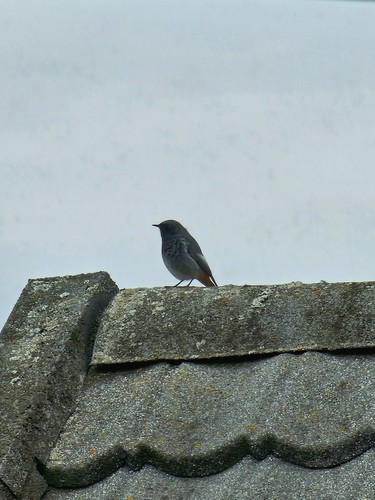
Black Redstart
13-14.5 cm (5.1-5.7 in) long, 23-26 cm wingspan
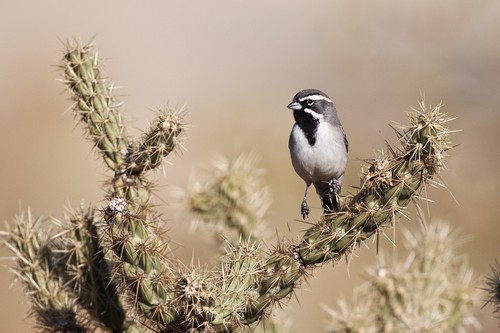
Black-throated Sparrow
12-14 cm (4.7-5.5 in) long, about 19-20 cm (7.5-8 in) wingspan
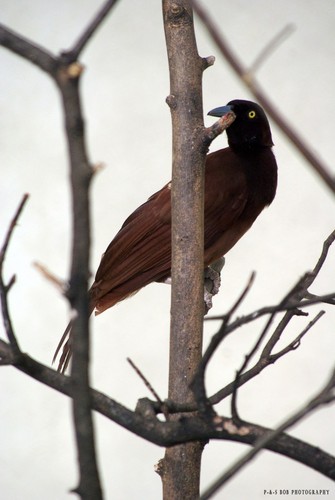
Greater Bird-of-paradise
Body about 43 cm; males with additional flank plumes up to 50 cm and long tail wires
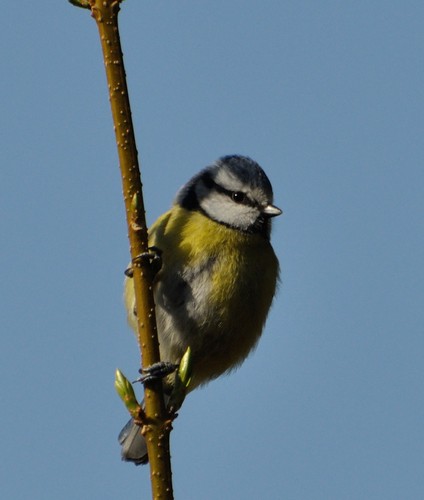
Blue Tit
11-12 cm (4.3-4.7 in) long, 17-20 cm wingspan
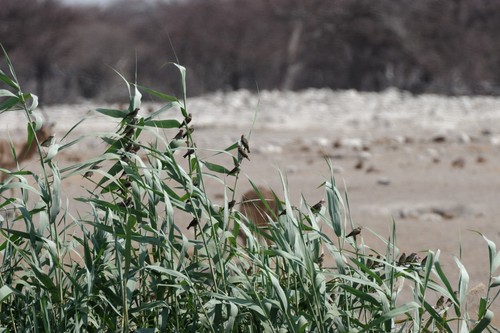
Red-billed Quelea
11.5–13 cm long, wingspan about 20–22 cm
White-plumed Antbird
13-14 cm (5-5.5 in) long
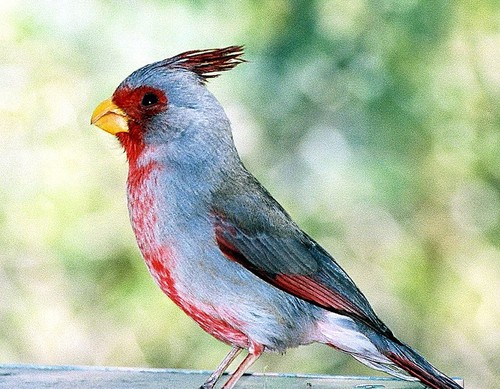
Pyrrhuloxia
19-22 cm (7.5-8.7 in) long, 30 cm wingspan
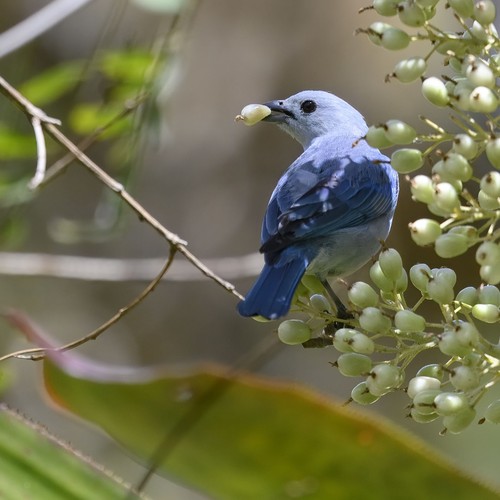
Blue-gray Tanager
16-18 cm (6-7 in) long
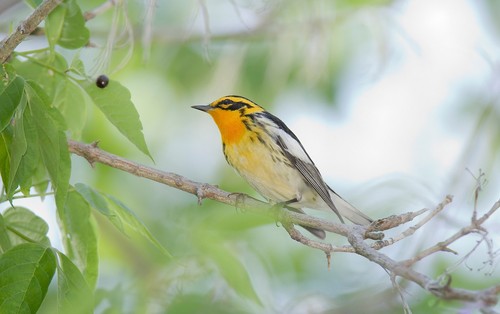
Blackburnian Warbler
11-13 cm (4.3-5.1 in) long, 20-22 cm wingspan
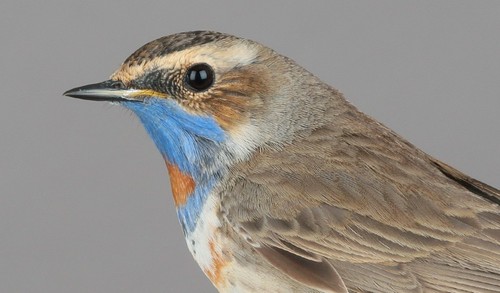
Bluethroat
13-14 cm (5.1-5.5 in) long, 20-22 cm wingspan
Eurasian Nuthatch
12-14.5 cm (4.7-5.7 in) long, 22.5-27 cm wingspan
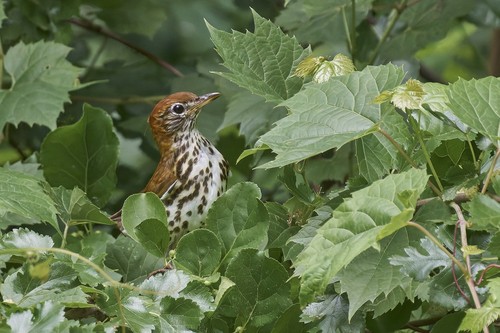
Wood Thrush
19-21 cm (7.5-8.3 in) long, about 33 cm (13 in) wingspan