
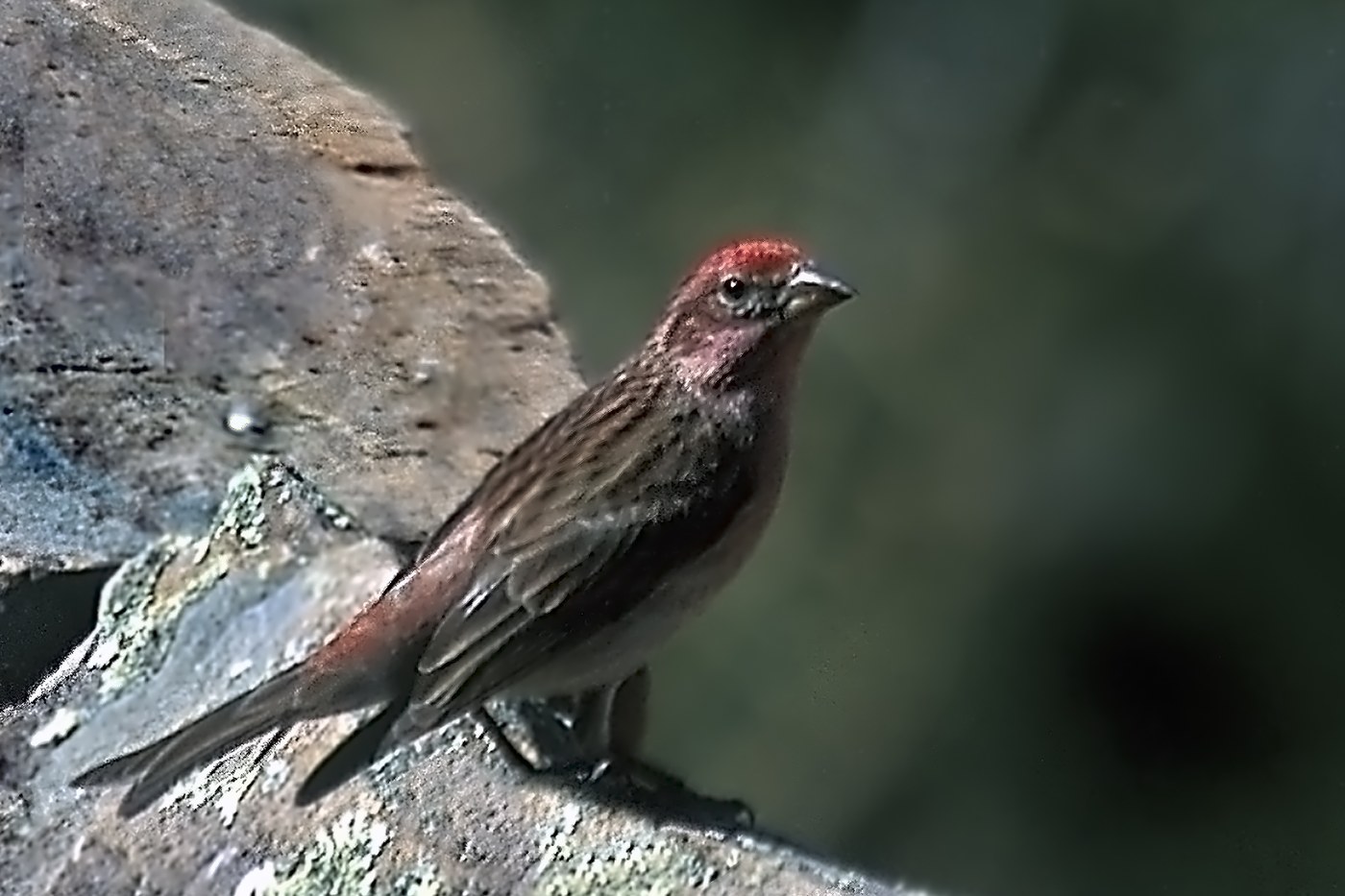
Cassin's Finch
Haemorhous cassinii
A rosy-crowned montane finch of western conifer forests, closely resembling the Purple Finch but with a more sharply contrasting cap.
- Size
- 15-16.5 cm (6-6.5 in) long, 26 cm wingspan
- Habitat
- montane coniferous forests of the western United States and Canada
- Type
- songbird
Spotted a bird like this?
Identify any bird from a photo, free.
Overview
Cassin's Finch is a medium-sized finch of high-elevation western coniferous forests, closely related to and often confused with the Purple Finch and House Finch. Adult males show a bright, sharply defined raspberry-red crown that contrasts with a paler pink-tinged face and streaked brownish back, and a distinctly peaked crown shape. Females and immatures are brown and heavily streaked above and below, distinguished from similar finches mainly by subtle head shape and facial pattern.
This species favors higher elevations than its close relatives, typically breeding in open pine and fir forests in the mountains of the interior West, and is known for its rich, varied song that sometimes incorporates mimicry of other bird species.
How to identify it
Key Field Marks
- Peaked, somewhat crested crown shape (versus more rounded in Purple Finch)
- Males: bright, sharply defined red-pink cap contrasting with paler streaked back and less-red face than Purple Finch
- Females: brown, crisply streaked above and below with a fairly plain face
- Straight-edged bill, slightly longer than House Finch's
Similar Species
- Purple Finch: males show a more diffuse rosy wash over the whole head and back rather than a sharply contrasting cap; females have a bolder facial pattern with a pale eyebrow and dark cheek patch.
- House Finch: red confined mostly to head and breast in males, with heavily streaked brown flanks and belly, and a more curved bill.
- Voice and elevation are useful clues: Cassin's Finch generally occurs at higher elevations in coniferous forest than the other two.
Habitat & range
Habitat
Cassin's Finch breeds in open montane coniferous forests, particularly ponderosa pine, lodgepole pine, and fir, typically at higher elevations than Purple Finch or House Finch.
Range
The species is found in the mountains of the western United States and southwestern Canada, from the Rockies and Cascades to the Sierra Nevada and ranges of the Great Basin.
Migration
Cassin's Finch is a partial migrant, with many birds moving to lower elevations or somewhat farther south in winter, though some populations remain resident where food is available year-round.
Behavior & voice
Behavior
Cassin's Finches forage in flocks, particularly outside the breeding season, often high in conifer canopies or on the ground for fallen seeds, and can be seen at mineral licks in some areas.
Voice
The song is a rich, varied warble, often longer and more complex than that of the Purple Finch, sometimes including mimicked phrases from other species; the call is a distinctive "kee-up" or "tidi-lip."
Feeding
Diet includes conifer buds and seeds, berries, and insects, with a notable fondness for aspen and willow buds in early spring.
Nesting
Nests are compact cups of twigs and rootlets built high in a conifer, typically holding 4-5 eggs incubated by the female while the male provides food.
Frequently asked questions
How do I tell Cassin's Finch from a Purple Finch?
Cassin's Finch males show a sharply contrasting, brighter red cap against a paler face and back, plus a more peaked crown shape, while Purple Finch males have a more diffuse rosy wash covering the head and back.
Where does Cassin's Finch live?
It breeds in high-elevation coniferous forests of the western United States and southwestern Canada, generally higher up than related finches.
Does Cassin's Finch migrate?
It is a partial migrant, with many individuals descending to lower elevations or moving somewhat south in winter while others remain resident.
What does Cassin's Finch eat?
Conifer seeds and buds, berries, and insects, with a particular liking for aspen and willow buds in spring.
Does Cassin's Finch mimic other birds?
Yes, its song frequently incorporates phrases borrowed from other bird species, adding to its already rich, varied warbling.
Cassin's Finch guides
In-depth guides for identifying, finding, and understanding Cassin's Finch.
Other birds you may enjoy
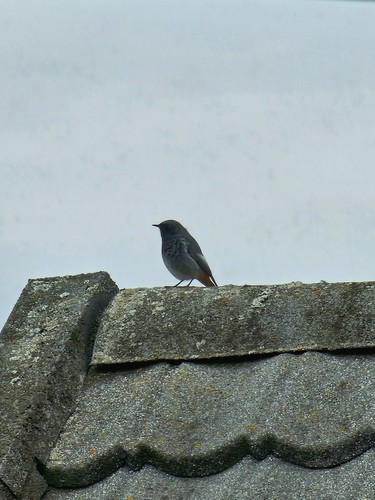
Black Redstart
13-14.5 cm (5.1-5.7 in) long, 23-26 cm wingspan
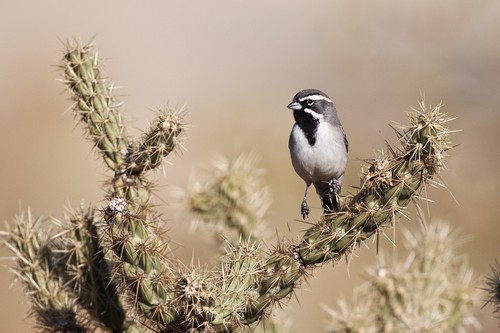
Black-throated Sparrow
12-14 cm (4.7-5.5 in) long, about 19-20 cm (7.5-8 in) wingspan
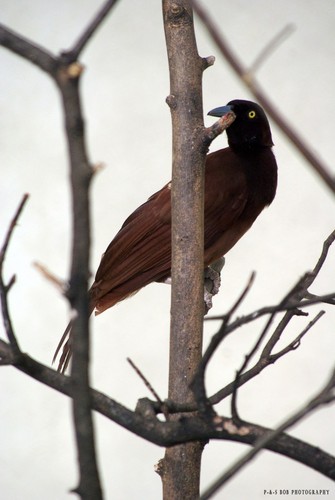
Greater Bird-of-paradise
Body about 43 cm; males with additional flank plumes up to 50 cm and long tail wires
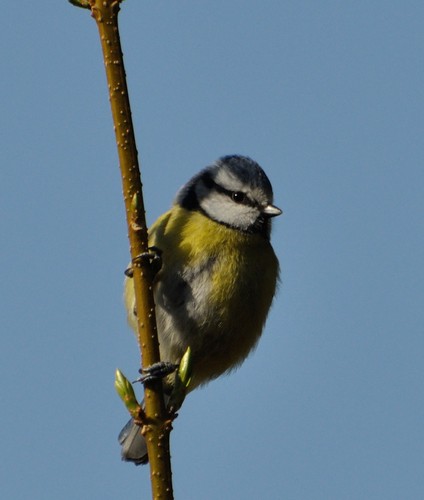
Blue Tit
11-12 cm (4.3-4.7 in) long, 17-20 cm wingspan
Red-billed Quelea
11.5–13 cm long, wingspan about 20–22 cm
White-plumed Antbird
13-14 cm (5-5.5 in) long
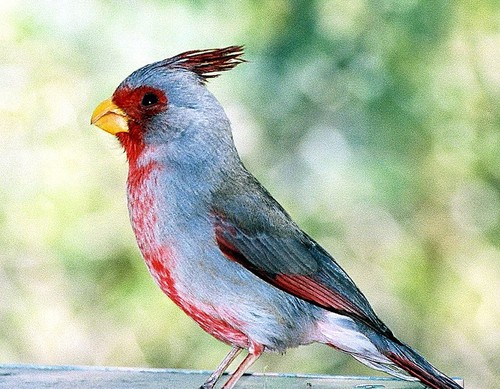
Pyrrhuloxia
19-22 cm (7.5-8.7 in) long, 30 cm wingspan
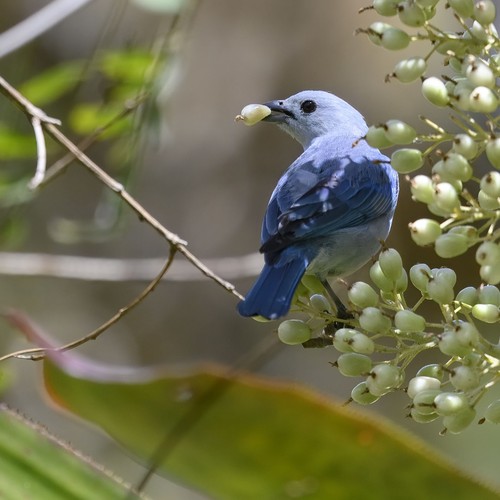
Blue-gray Tanager
16-18 cm (6-7 in) long
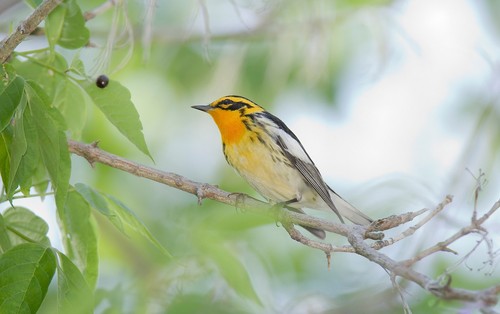
Blackburnian Warbler
11-13 cm (4.3-5.1 in) long, 20-22 cm wingspan
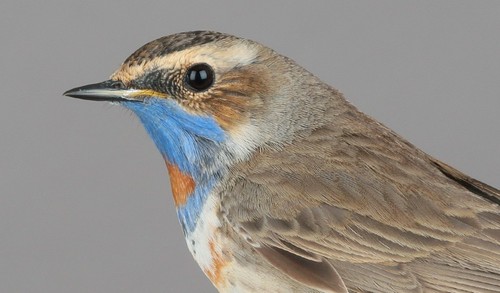
Bluethroat
13-14 cm (5.1-5.5 in) long, 20-22 cm wingspan
Eurasian Nuthatch
12-14.5 cm (4.7-5.7 in) long, 22.5-27 cm wingspan
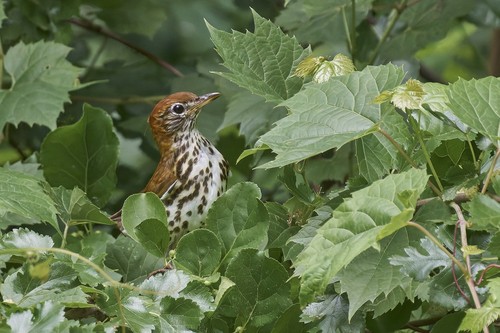
Wood Thrush
19-21 cm (7.5-8.3 in) long, about 33 cm (13 in) wingspan