
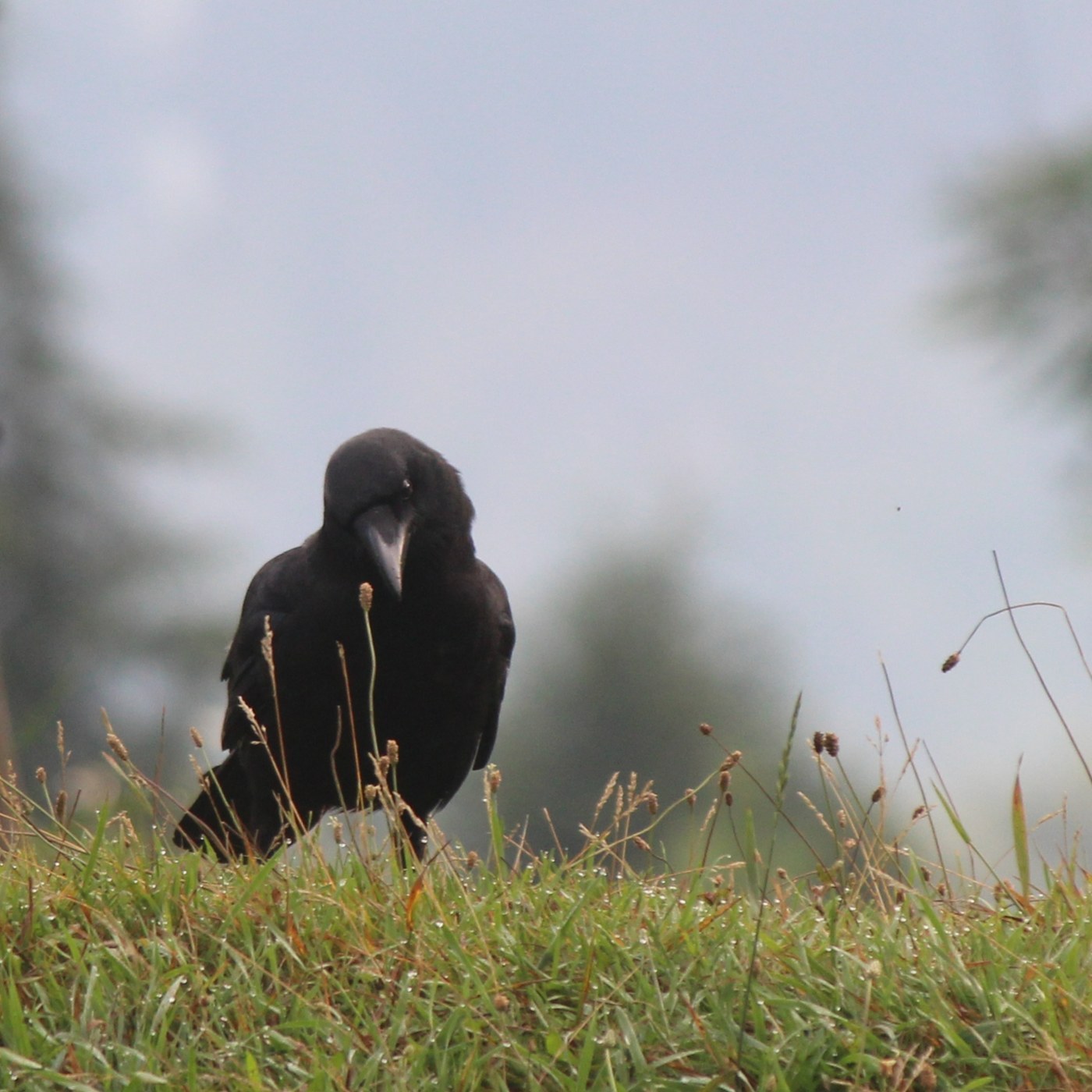
Carrion Crow
Corvus corone
An adaptable, all-black crow found in a wide range of habitats, usually alone or in pairs rather than large flocks.
- Size
- 48–52 cm long, wingspan around 100 cm
- Habitat
- Farmland, woodland, urban areas and coasts across western Europe and eastern Asia
- Type
- songbird
Spotted a bird like this?
Identify any bird from a photo, free.
Overview
The Carrion Crow is a large, entirely black corvid with a glossy purplish-green sheen on fresh plumage. It has a heavy, straight black bill, black legs, and an all-black iris, giving it a uniformly dark appearance from bill to tail.
Unlike its highly social relatives the Rook and Jackdaw, the Carrion Crow is typically encountered singly, in pairs, or in small family groups, defending territories year-round.
It is one of the most intelligent and adaptable birds in its range, thriving in habitats from remote farmland to city centers.
How to identify it
Key field marks
- Entirely glossy black plumage, bill, and legs
- Straight, evenly proportioned black bill (culmen not strongly arched)
- Rounded crown profile, no bare facial skin
- Solitary or paired habits rather than large flocks
Similar species
- Rook: has a bare pale face patch (adults), peaked crown, and shaggy thighs, and is far more social
- Hooded Crow: has grey body plumage with only the head, wings, and tail black — the two forms hybridize where their ranges meet
- Raven: much larger, with a heavier bill, shaggy throat feathers, and a wedge-shaped tail in flight
Behavior cues
A single crow or pair walking purposefully across a field, mobbing a raptor, or perched alone atop a tree is more likely a Carrion Crow than the flock-forming Rook.
Habitat & range
Habitat
Highly adaptable, occupying farmland, woodland edges, moorland, coastlines, and urban and suburban environments including parks and gardens.
Range
Found across western Europe and east across Asia, with the Hooded Crow replacing it through much of central, northern, and eastern Europe and the Middle East; the two forms interbreed in a narrow hybrid zone.
Migration
Largely resident and sedentary, defending the same territory throughout the year, though some northern birds may disperse locally in harsh winters.
Behavior & voice
Behavior
Carrion Crows are territorial and typically live in pairs that mate for life, though non-breeding immatures may form loose flocks. They are famed for their intelligence, using tools in some populations and remembering human faces.
Voice
A harsh, resonant "caw-caw-caw," usually given in a short series, deeper and more deliberate than the Rook's flatter call.
Feeding
An opportunistic omnivore and scavenger, taking carrion, insects, small vertebrates, eggs, nestlings, grain, and human food waste.
Nesting and breeding
Builds a solid stick nest lined with softer material, usually in a tall tree or occasionally on a cliff or pylon. Clutches typically hold 3–5 eggs, incubated by the female.
Frequently asked questions
How do you identify a Carrion Crow?
Look for an entirely glossy black bird with a straight black bill, black legs, and dark eyes, usually seen alone or in pairs rather than large flocks.
What is the difference between a Carrion Crow and a Hooded Crow?
The Carrion Crow is entirely black, while the Hooded Crow has a grey body with only the head, wings, and tail black; the two hybridize where ranges overlap.
Are Carrion Crows intelligent?
Yes, they are considered among the most intelligent birds, capable of problem-solving, tool use in some cases, and recognizing individual humans.
Do Carrion Crows migrate?
Most populations are resident year-round, holding territories throughout the seasons.
What do Carrion Crows eat?
They are omnivorous scavengers eating carrion, invertebrates, grain, eggs, and small animals.
Carrion Crow guides
In-depth guides for identifying, finding, and understanding Carrion Crow.
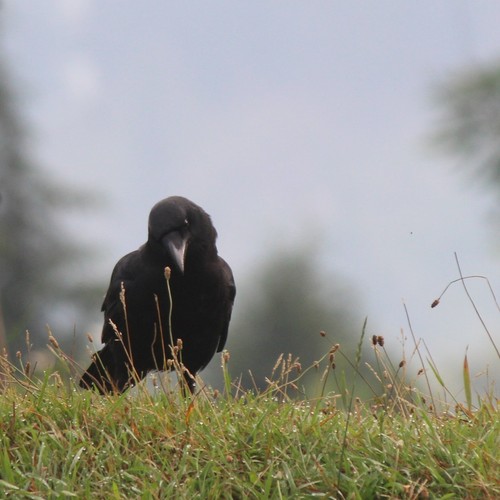
Carrion Crow identified by the community
Real birds identified with Bird Identifier.
Other birds you may enjoy
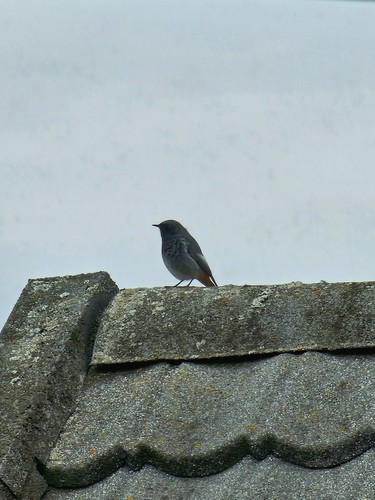
Black Redstart
13-14.5 cm (5.1-5.7 in) long, 23-26 cm wingspan
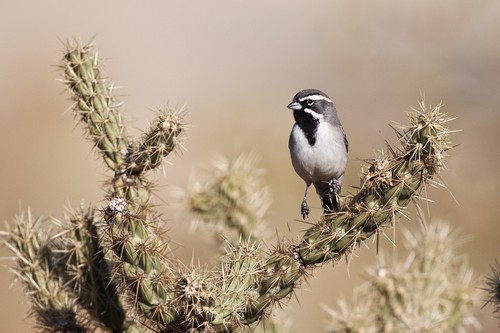
Black-throated Sparrow
12-14 cm (4.7-5.5 in) long, about 19-20 cm (7.5-8 in) wingspan
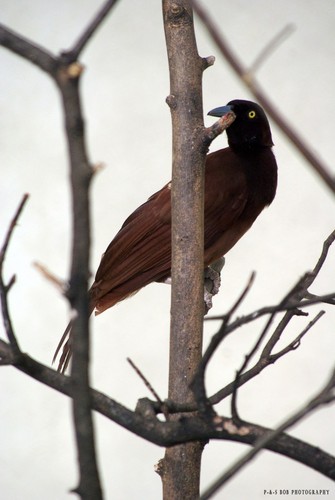
Greater Bird-of-paradise
Body about 43 cm; males with additional flank plumes up to 50 cm and long tail wires
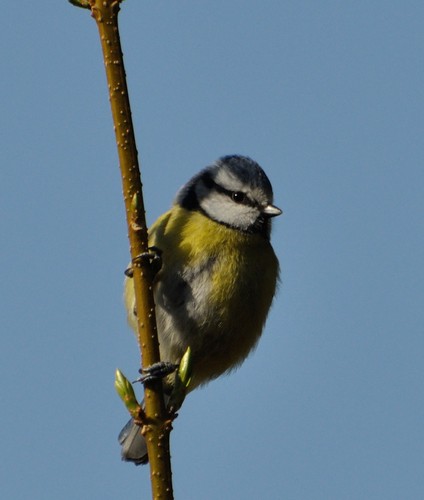
Blue Tit
11-12 cm (4.3-4.7 in) long, 17-20 cm wingspan

Red-billed Quelea
11.5–13 cm long, wingspan about 20–22 cm
White-plumed Antbird
13-14 cm (5-5.5 in) long
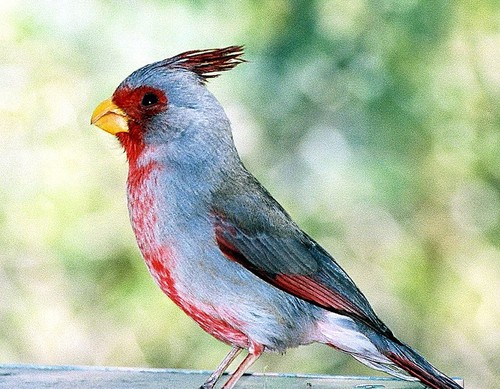
Pyrrhuloxia
19-22 cm (7.5-8.7 in) long, 30 cm wingspan
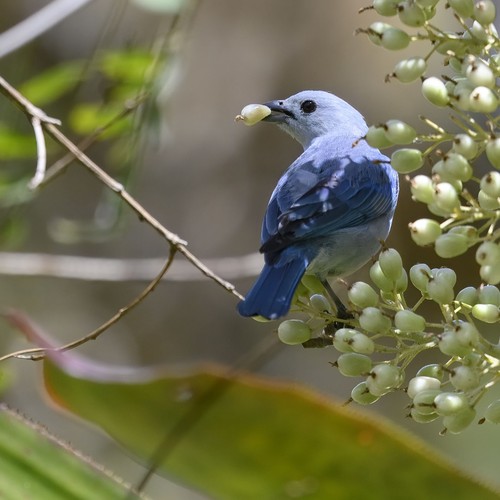
Blue-gray Tanager
16-18 cm (6-7 in) long
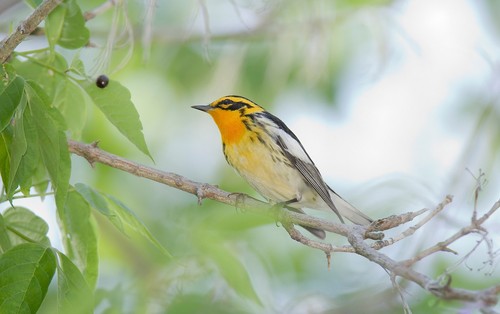
Blackburnian Warbler
11-13 cm (4.3-5.1 in) long, 20-22 cm wingspan
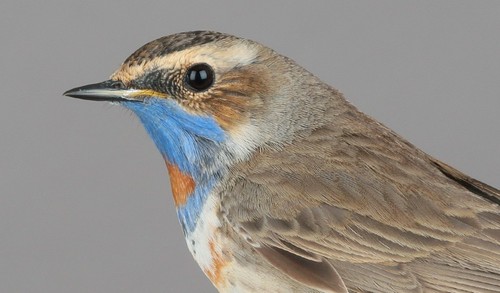
Bluethroat
13-14 cm (5.1-5.5 in) long, 20-22 cm wingspan
Eurasian Nuthatch
12-14.5 cm (4.7-5.7 in) long, 22.5-27 cm wingspan
Wood Thrush
19-21 cm (7.5-8.3 in) long, about 33 cm (13 in) wingspan